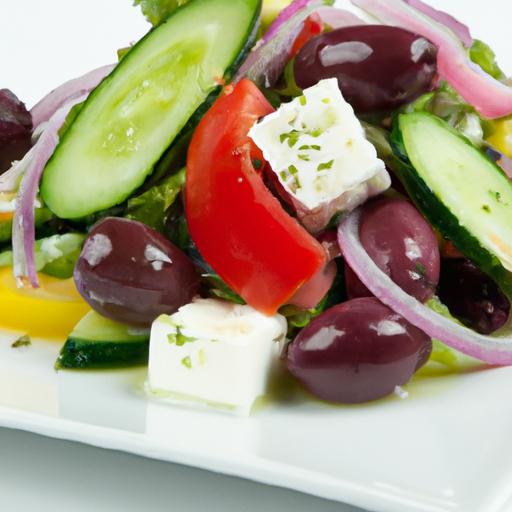




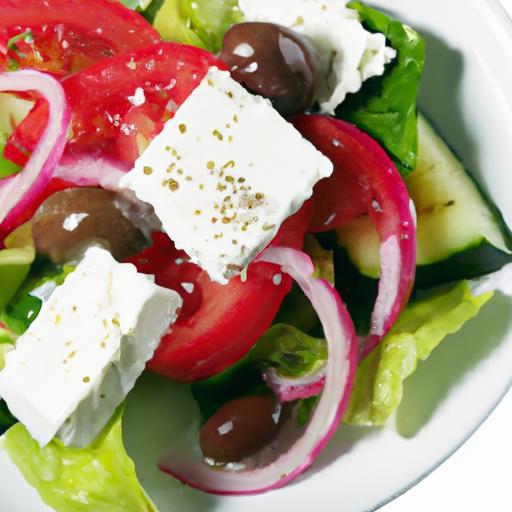
In a culinary world constantly chasing the new and the exotic, there is a timeless charm to be found in simplicity-and few dishes embody this truth as eloquently as the conventional Greek salad. More than just a medley of fresh vegetables, olives, and feta, this vibrant dish is a celebration of heritage, geography, and the art of balance. Unlocking the flavour of a classic Greek salad means embracing the harmony of crisp cucumbers, sun-ripened tomatoes, briny olives, sharp onions, and creamy cheese, all elevated by a drizzle of rich olive oil and a sprinkle of aromatic herbs. Join us as we delve into the heart of this iconic salad, exploring its origins, ingredients, and the enduring appeal that has made it a beloved staple on tables around the world.
Unlocking flavor in a traditional Greek salad begins with fresh, vibrant ingredients that echo the sun-drenched landscapes of the Mediterranean. This iconic dish, rooted in Greek heritage, is a celebration of simplicity artfully combined to produce bold, refreshing flavors. The crisp crunch of cucumbers, the juicy burst of ripe tomatoes, and the creamy, tangy feta merge beautifully with olives and herbs, offering a timeless experience that’s as nourishing as it is indeed appetizing.
Prep and Cook Time
Preparation: 15 minutes Cook Time: 0 minutes
Yield
Serves 4 generously
Difficulty Level
Easy – perfect for beginners and seasoned cooks alike
The Fresh Ingredients That Define Authentic greek Salad
True Greek salad thrives on the quality and freshness of its ingredients. Start with vine-ripened tomatoes, cut into chunky wedges to preserve their juicy sweetness. Crisp English cucumbers bring a cooling contrast, while thinly sliced red onions add a sharp, slightly sweet edge. Don’t forget the briny Kalamata olives, whose rich, fruity saltiness defines the salad’s character. And the crowning glory: thick slabs of creamy, crumbly Greek feta cheese, traditionally made from sheep’s or goat’s milk, lending a luscious tang that’s unmistakably authentic.
- 3 large vine-ripened tomatoes, cut into wedges
- 1 medium English cucumber, sliced into half-moons
- 1 small red onion, thinly sliced
- 1 cup Kalamata olives, pitted
- 200g block of authentic Greek feta cheese, cut into thick slices
- Fresh oregano leaves, about 1 tbsp, finely chopped (or a sprinkle of dried oregano)
Mastering the Art of the Perfect Dressing for Bold Flavors
The dressing is the soul of a Greek salad-it must be vibrant yet balanced to complement without overpowering. A basic yet flavorful vinaigrette made with extra virgin olive oil, red wine vinegar, and a pinch of sea salt enlivens every bite.Freshly cracked black pepper and a hint of garlic elevate this simple emulsion. The key is to whisk the oil and vinegar until well combined and to pour it just before serving to keep the veggies crisp.
- 5 tbsp extra virgin olive oil
- 2 tbsp red wine vinegar
- 1 small garlic clove,minced
- ¼ tsp sea salt
- Freshly cracked black pepper,to taste
Balancing Texture and Taste Through Traditional additions
The balance of textures-juicy,crisp,creamy,and briny-makes this salad irresistible. For traditional authenticity, include capers for a subtle burst of tartness and a few crunchy pepperoncini slices for a mild kick. Fresh herbs like parsley or dill can be added for an extra layer of green aroma, though oregano remains the classic choice. Every mouthful should be a harmonious play of flavors and textures.
Instructions
- Prepare the vegetables: Rinse the tomatoes,cucumber,and red onion under cold water.Pat dry thoroughly to avoid a soggy salad.
- Cut the tomatoes into sizable wedges and place them into a large salad bowl.
- Slice the cucumber into half-moon shapes and add it to the bowl with tomatoes.
- thinly slice the red onion and add it alongside olives and capers (if using).
- Whisk the dressing: In a small bowl, combine olive oil, red wine vinegar, minced garlic, sea salt, and black pepper. Whisk briskly until emulsified.
- Pour the dressing evenly over the salad and toss gently to combine, preserving the shape and texture of the ingredients.
- Top with thick slices of feta and sprinkle fresh oregano over everything. Avoid mixing the feta to keep its distinctive presence.
- Let the salad rest for 5 minutes at room temperature to allow the flavors to meld beautifully before serving.
Chef’s Notes and Tips for Success
- Use ripe,locally sourced tomatoes whenever possible. The quality of tomatoes profoundly affects the final flavor.
- For a vegetarian touch, ensure yoru feta is free of animal rennet.
- If fresh oregano isn’t available, high-quality dried oregano is a good choice-just use sparingly.
- Make dressing ahead: You can prepare the vinaigrette a day in advance; just whisk again before using.
- For extra crunch, add toasted pine nuts or walnuts as a garnish.
Serving Suggestions to Elevate Your Greek Salad Experience
Serve your Greek salad in a rustic ceramic bowl to highlight its vibrant colors. Garnish with sprigs of fresh oregano or basil and a drizzle of olive oil over the feta for a glossy finish. Accompany it with warm, crusty pita bread or grilled lamb skewers for a true Mediterranean feast. Pair with a chilled glass of crisp white wine, such as Assyrtiko, to complement the luminous acidity of the salad.
| Nutrition (per serving) | Amount |
|---|---|
| Calories | 220 kcal |
| Protein | 6 g |
| Carbohydrates | 10 g |
| Fat | 18 g |

Explore more Greek-inspired recipes in our Mediterranean Cuisine Collection and for deeper insights into the history of greek cuisine, visit Britannica’s Greek Cuisine Overview.
Q&A
Q&A: Unlocking Flavor – The Timeless Charm of Traditional greek Salad
Q1: What makes the traditional Greek salad so timeless and beloved?
A1: At its heart, the traditional Greek salad is a celebration of simplicity and freshness. It’s a vibrant mosaic of sun-ripened tomatoes, crisp cucumbers, pungent red onions, briny Kalamata olives, creamy feta cheese, and a drizzle of fragrant olive oil. This harmonious blend captures the essence of the Mediterranean, delivering a burst of authentic flavor with every bite. Its timeless appeal lies in its ability to honour nature’s bounty without masking any ingredient’s unique character.
Q2: How do the ingredients in a Greek salad contribute to its distinctive flavor?
A2: Each ingredient plays a pivotal role. Juicy tomatoes provide sweetness and acidity, while cucumbers add a cool, crunchy texture. Red onions offer a subtle sharpness that contrasts beautifully with the salty, tangy olives. the star of the dish, feta cheese, brings creamy saltiness that melds all flavors together. the extra virgin olive oil acts as liquid gold, enriching and binding the salad’s layers with its fruity, peppery notes.
Q3: Why is olive oil so crucial in Greek salad?
A3: Olive oil isn’t just a dressing; it’s the soul of the Greek salad.Greek extra virgin olive oil is renowned for its robust,grassy flavors and health benefits. When generously drizzled, it elevates the salad, adding richness and depth. This golden elixir enhances each bite, highlighting the freshness of vegetables while providing a smooth, velvety finish-truly unlocking the salad’s full flavor potential.
Q4: Can the traditional Greek salad be adapted for modern tastes without losing its authenticity?
A4: Absolutely! While the classic recipe remains a gold standard, creative variations can introduce new textures and flavors while honoring tradition. For example,adding fresh herbs like oregano or mint can enliven the palate.Substituting or supplementing with heirloom tomatoes or peppery arugula offers exciting twists. However, maintaining the core ingredients-feta, olives, olive oil, and fresh vegetables-is key to preserving the salad’s unmistakable character.
Q5: What occasions call for serving a traditional Greek salad?
A5: The Greek salad’s versatility makes it perfect for any season or event. It shines as a refreshing side dish during warm-weather gatherings, a light lunch alongside crusty bread, or as a vibrant starter to a Mediterranean feast.Its bright colors and invigorating flavors also make it a favorite at family dinners, picnics, and celebrations where sharing simple yet soulful food is cherished.
Q6: How does eating a traditional Greek salad connect us with greek culture and heritage?
A6: Every forkful of Greek salad tells a story rooted in Greek history and lifestyle. It’s a dish that embodies the Mediterranean diet,emphasizing natural,wholesome ingredients and a communal dining experience. Enjoying Greek salad is more than nourishment-it’s a sensory journey that connects us to the sunlit hillsides of Greece, the ancient olive groves, and a cultural tradition that values freshness, balance, and the joy of eating well together.
Dive in and savor the timeless charm of the traditional Greek salad-where every ingredient is a flavor unlocked, and every bite is a celebration of heritage.
Concluding Remarks
As we close the chapter on the vibrant tale of the traditional Greek salad, it becomes clear that this humble dish is much more than a simple medley of ingredients. It is indeed a celebration of history, geography, and culture-an edible masterpiece that has unlocked flavors cherished for centuries. Whether enjoyed under the warm Mediterranean sun or recreated in your own kitchen thousands of miles away, the timeless charm of the Greek salad invites us all to savor simplicity, freshness, and authenticity. So next time you crave a burst of sunshine on your plate,remember: unlocking the true essence of flavor might just be a few ripe tomatoes,crisp cucumbers,and a sprinkle of feta away.