
There’s something undeniably magical about the rich, smoky allure of perfectly smoked salmon-a culinary craft that transforms simple fish into a sumptuous delicacy. But mastering this art requires more than just intuition; it’s a delicate dance of temperature and time that unlocks layers of flavor while preserving that tender, flaky texture. In this guide, we dive deep into the world of smoking salmon at a steady 225°F, offering you a precise time framework to achieve mouthwatering results every time. Whether you’re a seasoned pitmaster or an adventurous home cook, understanding how to marry temperature with timing is your key to unlocking salmon’s full smoky potential. Let’s light the smoker and savor the journey toward flavor mastery.
Choosing the Perfect Cut and Preparing Salmon for Smoking
Mastering Flavor: Smoking Salmon at 225°F opens a world of culinary delight by emphasizing the crucial role of selecting the right cut and preparing it meticulously before smoking. Opt for fresh, skin-on fillets or whole sides of wild-caught salmon-preferably sockeye or king-for a rich, natural flavor that stands up beautifully to gentle smoke. The skin not only protects the flesh during the smoking process but also crisps up slightly,adding an irresistible texture contrast.
Begin by patting the salmon dry to ensure proper smoke adhesion. Trimming away pin bones with fish tweezers enhances the eating experience. A light cure or brine, using kosher salt and brown sugar, helps draw out moisture just enough to firm the flesh without drying it. This balance is key. Let the cure rest for 4 to 6 hours in the refrigerator, then rinse and air-dry until a delicate “pellicle” forms-a tacky surface like a protective glaze that helps the smoke cling and deepen flavor complexity.
Understanding the Impact of 225°F on Texture and Flavor Growth
Smoking salmon at a steady 225°F is the sweet spot for developing tender, flaky flesh without sacrificing moisture. This moderate temperature allows the muscle fibers to gently unravel, producing a delicate, buttery texture that melts on the tongue.The gradual infusion of smoke particles not only imparts a savory, woodsy aroma but complements the natural oils in the salmon, creating layers of flavor rather than an overpowering smokiness.
Maintaining 225°F throughout the process is essential to avoid temperature spikes that can toughen the fish or cause uneven cooking. Use a reliable smoker thermometer and control the airflow carefully to keep this optimal environment.
Timing Your Smoke for Optimal Moisture and Flake
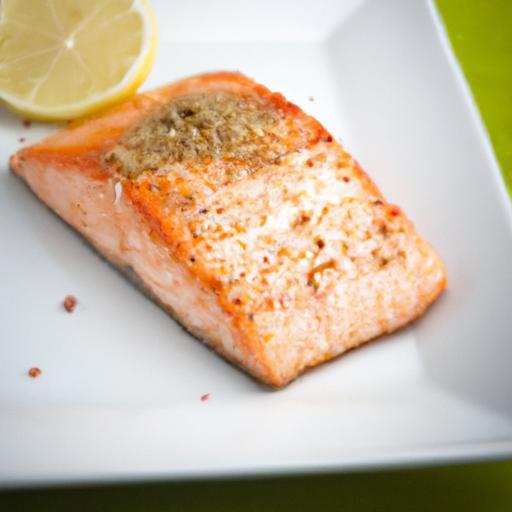
The ideal smoke time depends on the thickness of your cut, but generally, salmon benefits from 1.5 to 3 hours at 225°F.Aim for an internal temperature of 140°F,which indicates perfectly cooked flesh that flakes easily but remains juicy. Over-smoking or extending time beyond this risks drying the fish, resulting in a chalky texture.
Checking doneness with a fork-looking for gentle separation of flakes-and using an instant-read thermometer will help you time the smoking precisely. Remember,residual heat will continue to cook the salmon after removing it from the smoker,so rest it for 10 minutes wrapped loosely in foil to lock in moisture.
Tips for Enhancing Flavor with Wood Types and Seasoning Techniques
Choosing the right wood complements your salmon’s natural profile. Alder wood produces a light, delicate smoke perfect for subtle enhancement, while apple and cherry woods add fruity, sweet notes that deepen complexity. For a stronger, earthier character, oak or hickory can be used sparingly, but balance is key to avoid overwhelming the fish.
Before smoking, season the salmon simply with cracked black pepper, lemon zest, and fresh dill for aromatic brightness. Some prefer a maple glaze applied towards the last 30 minutes of smoking to develop a caramelized sheen without burning.Experimenting with spice blends like coriander seeds or fennel can also add unique layers of flavor without overshadowing the pure essence of smoked salmon.
prep and Cook Time
- Planning: 10 minutes (plus 4-6 hours curing)
- Cooking (Smoking): 1.5 – 3 hours
- Resting: 10 minutes
Yield
Serves 4 to 6 people depending on portion size
Difficulty Level
Medium – Requires attention to temperature control and curing process
Ingredients
- 2 pounds fresh salmon fillet,skin-on,pin bones removed
- ¼ cup kosher salt
- ¼ cup brown sugar,packed
- 1 tablespoon cracked black pepper
- 1 teaspoon lemon zest,finely grated
- 2 tablespoons fresh dill,chopped
- Optional glaze: 2 tablespoons maple syrup or honey
- Wood chips: Alder,cherry,or apple wood,soaked 30 minutes prior
Instructions
- Prepare the Cure: In a bowl,mix kosher salt and brown sugar evenly.
- Cure the Salmon: Rub cure mixture over the salmon, covering all surfaces. Place in a shallow dish, cover with plastic wrap, and refrigerate for 4 to 6 hours.
- Rinse and Dry: Remove salmon, rinse under cold water to remove excess cure, and pat dry thoroughly with paper towels.
- Form the pellicle: Place salmon on a rack uncovered in the refrigerator for 1 hour to dry the surface until slightly tacky.
- Preheat Smoker: Heat smoker to a consistent 225°F using your chosen wood chips.
- Season: Lightly sprinkle salmon with cracked pepper, lemon zest, and fresh dill.
- smoke the Salmon: Lay the salmon skin-side down on the smoker rack. Smoke for 1.5 to 3 hours, monitoring internal temperature and aiming for 140°F.
- Apply Glaze (Optional): Brush maple syrup or honey on salmon during the last 30 minutes for a glossy, caramelized finish.
- Rest: Remove salmon, tent loosely with foil, and let rest 10 minutes before serving.
Tips for Success
- Use a probe thermometer for accurate internal temperature to avoid overcooking.
- Soak wood chips in water or apple juice for at least 30 minutes to create steady smoke without flare-ups.
- Thin fillets require less time; thicker sides benefit from gradual heat for even cooking.
- Store cured salmon in the fridge up to 24 hours before smoking to deepen flavor.
- Pair smoked salmon with light, crisp white wines or citrus-forward cocktails for an elevated dining experience.
Serving Suggestions
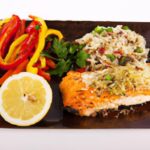
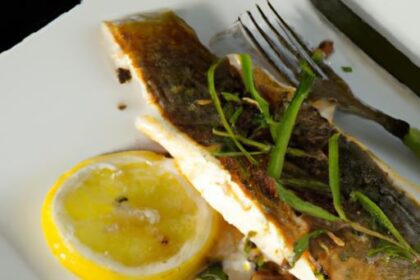
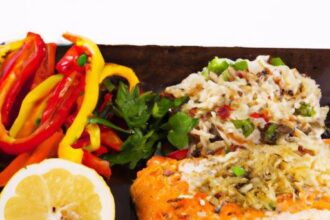
Serve your perfectly smoked salmon on a platter garnished with lemon wedges, fresh dill sprigs, and capers. Accompany with toasted rustic bread or herb-infused cream cheese for a classic presentation. For a vibrant, fresh touch, add thinly sliced cucumbers and radishes or a simple arugula salad tossed in lemon vinaigrette-highlighting the smoky richness with radiant, contrasting flavors.

| nutrient | per Serving (4 oz) |
|---|---|
| Calories | 240 kcal |
| Protein | 23 g |
| Carbohydrates | 2 g |
| Fat | 15 g |
For a deeper dive into curing methods and alternate smoking temperatures, check out our extensive Guide to Fish Smoking Techniques. To explore the science behind smoking temperatures,visit Science of smoking Foods.
Q&A
Q&A: Mastering Flavor – Smoking Salmon at 225°F
Q1: Why is 225°F the perfect temperature for smoking salmon?
A1: at 225°F, the heat is just right to gently coax the salmon into smoky perfection without drying it out. this moderate temperature allows the fish to absorb rich smoky flavors while cooking evenly and retaining its tender, buttery texture. Too hot, and the salmon can toughen; too cool, and the smoke won’t penetrate properly.
Q2: How long should I smoke salmon at 225°F to get the best results?
A2: Timing depends on the thickness of your fillet, but generally, smoking at 225°F takes about 1.5 to 2.5 hours. A good rule of thumb is to smoke until the internal temperature reaches 140°F for moist and flaky fish.If you prefer it firmer or more “cooked thru,” you can go a little longer, but keep a watchful eye so it doesn’t dry out.
Q3: What type of wood is best for smoking salmon at this temperature?
A3: Delicate woods like alder, cherry, or apple shine when smoking salmon at 225°F. These fruitwoods add a subtle sweetness that complements the salmon’s natural flavors without overpowering them. Hickory or mesquite can be used but should be applied sparingly, as their strong flavors can dominate.
Q4: Should I brine the salmon before smoking?
A4: Absolutely! Brining is like a flavorful warm-up act before the main event. A simple mix of salt, sugar, and water enhances moisture retention and deepens the flavor profile. Brine for about 4 to 6 hours depending on the thickness of the fillet, then rinse and pat dry before smoking.
Q5: How do I know when my smoked salmon is done?
A5: Use a reliable instant-read thermometer and keep an eye on that magic internal temperature of 140°F. The flesh should be opaque, flaky, and slightly firm to the touch. Overcooking will cause it to crumble and dry out, while undercooking leaves it mushy and less flavorful.Q6: Can I cold smoke at 225°F?
A6: Actually, cold smoking occurs at much lower temperatures (under 90°F). At 225°F, you’re hot smoking salmon, which cooks the fish while infusing flavor. Both methods produce delicious results, but hot smoking at 225°F is quicker and ideal for beginners mastering texture and smoky richness.
Q7: How can I personalize my smoked salmon at 225°F?
A7: Experiment with dry rubs, marinades, or glazes before smoking.Think brown sugar and mustard glaze for a sweet tang, or a hint of chili powder for subtle heat. Also, try different wood chips to vary the smokiness. The magic is in the balance-play with flavors but keep the salmon’s delicate essence front and center.
With these insights, your smoked salmon journey at 225°F will be a delicious dance between perfect timing, temperature, and technique. Happy smoking!
Future outlook
Mastering the art of smoking salmon at a steady 225°F unlocks a world of rich, smoky flavors and tender, flaky perfection. with patience and attention to timing, you transform simple salmon into a culinary masterpiece that delights the senses and elevates any meal. Whether you’re a seasoned pitmaster or a curious home cook, this guide arms you with the knowledge to confidently control heat, smoke, and timing-ensuring every bite is infused with mouthwatering depth. So fire up your smoker,embrace the slow and steady dance of smoke and time,and savor the delicious reward that comes from truly mastering the craft of smoked salmon.