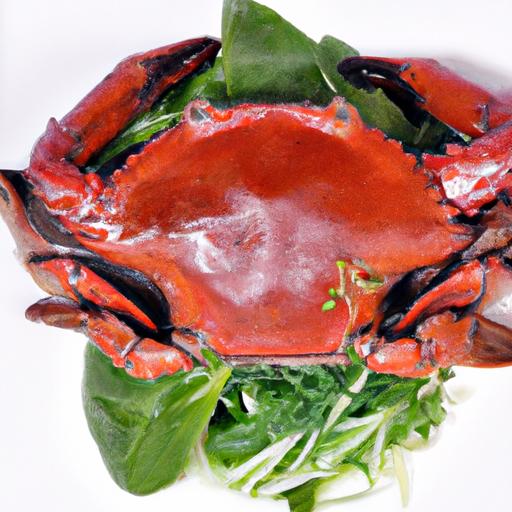


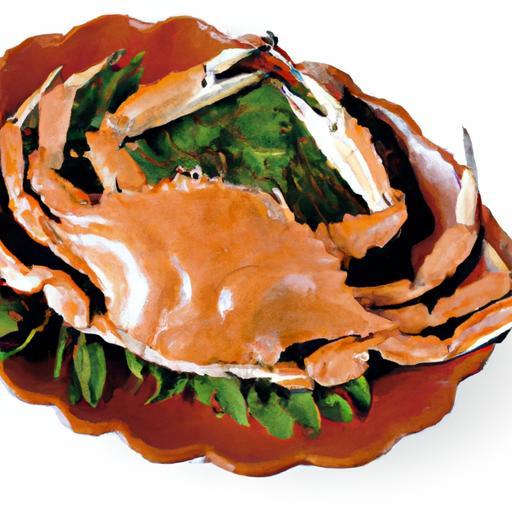
Imagine a cheerful crab scuttling right onto yoru plate-not as a flavorful dish, but as a delightful doodle! Whether you’re an aspiring artist or just looking to add a splash of fun to your sketchbook, our “Crab on a Plate: Easy and Fun Food Drawing Tutorial” invites you to dive into the world of whimsical culinary art. This step-by-step guide breaks down the drawing process into simple, approachable strokes, making it perfect for all skill levels. Get ready to bring a pinch of seaside charm and a dash of creativity to your page, transforming a humble plate into a lively crustacean scene that’s as enjoyable to create as it is to admire!
Crab on a Plate is not only a delightful culinary delight but also an inspiring canvas for your food artistry. Capturing the lively essence of this ocean treasure through illustration combines the love of cooking with creative expression. Whether you’re a food stylist, an aspiring artist, or a passionate home cook, this guide will walk you through selecting the perfect tools and colors to illustrate a crab that practically dances off your plate.
Prep and Cook Time
- Preparation: 10 minutes
- Illustration Time: 20-30 minutes
Yield
- 1 beautifully illustrated crab plate-perfect for impressing guests or enhancing your culinary portfolio
Difficulty Level
- Easy to Medium - Suitable for beginners with a flair for artistic details and professionals wanting to add food illustration to their skillset
Ingredients
- art Supplies:
- Set of colored pencils or professional food-safe edible markers
- Fine-tip brushes
- Gel pens for highlights (white or metallic)
- blender tool or soft tissue for smooth shading
- Food Elements:
- cooked crab meat or crab-shaped food mold (optional for real plating)
- Brightly colored garnishes such as red bell pepper, chives, and lemon slices
- Minimal edible splashes of sauces for contrast
Instructions
- Choose Your Canvas and Tools: Select a clean, white plate to create a striking contrast, enhancing your crab illustration’s vibrancy. Use colored pencils or edible markers with warm reds, oranges, and hints of cream for authenticity.
- Sketch the Basic Shape: Lightly outline the crab’s rounded body and signature claws using a soft pencil or light edible ink-think of the silhouette as a symmetrical balance of curves and points.
- Layer Your Base Colors: Fill in the crab’s shell with rich reds and oranges, blending with subtle browns to evoke it’s natural gradient.Use short, feathery strokes mimicking the crab’s shell texture.
- Add Shadow and Depth: Introduce darker shades near the joints and under the claws for a three-dimensional effect. Soften edges with a blender tool or gently dab edible spray for a realistic finish.
- Enhance with Highlights: Using a white gel pen or brush, add glistening spots on the shell and claws where natural light would hit-this makes the crab appear moist and fresh.
- Draw Fine Details: Add tiny dots, lines, and textures to emulate the shell’s bumps and ridges. Sketch the delicate eyes and antennae with a thin tipped brush or pen.
- Create a Vibrant Food Scene: Surround your crab illustration with colorful elements like lemon wedges, sprigs of fresh herbs, or thinly sliced bell peppers. These create inviting contrast and highlight the crab’s colors.
- Final Touches: Add minimal edible sauce droplets or spice dust around the plate to generate a sense of movement and liveliness-like the crab just arrived on your table.
Tips for Success When Drawing Your Crab Masterpiece
- Always work from light to dark colors; it helps you control shading and avoid over-coloring.
- Use more than one red or orange hue to enrich the shell, incorporating subtle gradients.
- If working with edible inks, test small strokes on a separate plate to adjust colour density.
- Incorporate natural lighting when photographing your design for the best visual impact online.
- Take breaks and revisit your illustration with fresh eyes for refinement.
Serving Suggestions to Showcase Your Crab Artfully
Present your crab illustration as the centerpiece on a simple, elegant plate.Garnish lightly with lemon slices, fresh chives, or edible flowers to invite color diversity and freshness. Pair with rustic bread or light butter sauces served artistically in miniature bowls to complete your gourmet food scene.
| Nutritional Component | Approximate Value per Serving |
|---|---|
| Calories | 250 kcal |
| Protein | 22 g |
| Carbohydrates | 5 g |
| Fat | 12 g |
For inspiration on complementary seafood dishes, visit Seafood Nutrition Partnership to understand the nutritional benefits of incorporating crab and other seafood into your meals.
Looking to expand your food art skills? check out our comprehensive guide to food illustration techniques for more creative projects.

Q&A
Q&A: Crab on a Plate – Easy and Fun food drawing Tutorial
Q1: what makes the “Crab on a Plate” drawing tutorial so special?
A1: This tutorial combines the whimsy of a charming crab with the simple joy of food art. It’s designed to be accessible for all skill levels, making the process both easy and fun.Plus, it’s a great way to add a splash of seaside delight to your sketchbook or kitchen-themed art!
Q2: Do I need any special materials to start drawing the crab on a plate?
A2: Not at all! Basic drawing supplies like pencils, colored markers or crayons, and paper are all you need. Of course,if you’d like to get more creative,watercolors or pastels can add a lovely,textured feel to your crab and plate.
Q3: How complicated is this drawing tutorial? can beginners follow along?
A3: Absolutely! This tutorial breaks down the crab into simple shapes-think circles,ovals,and triangles-making it straightforward for beginners. Each step builds gently on the last, so even if you’ve never drawn a crustacean before, you’ll end up with a delightful crab ready to scuttle across your page.
Q4: Can you share a swift tip to make my crab look more lively?
A4: Sure thing! Play with expressive eyes and a subtle smile to give your crab personality.Adding tiny details like little claws curled or a slight shell texture can also bring your drawing to life. And don’t forget the plate’s rim-adding a hint of shadow can make everything pop!
Q5: Beyond the crab, dose the tutorial include details about the plate or surroundings?
A5: Yes! The tutorial encourages you to personalize the plate-maybe a splash of lemon wedges, a sprinkle of parsley, or even a patterned napkin underneath. These small touches make your drawing feel complete and super fun to customize.
Q6: How long does it usually take to complete the “Crab on a Plate” drawing?
A6: It varies, but most people find they can finish a cute crab in under 30 minutes. It’s perfect for a quick creative break or a relaxed weekend doodle session.
Q7: Is this tutorial suitable for kids?
A7: Definitely! The simple shapes and playful concept make it ideal for kids and young artists. It’s a wonderful way to combine creativity with learning about marine life and food art.
Q8: Can I use this drawing in my own projects or gifts?
A8: Of course! Once you’ve created your crab masterpiece, feel free to use it for greeting cards, framed artwork, or fun menu designs. It’s a delightful motif that seafood lovers and art fans alike will appreciate.
So grab your pencils, set a plate before your imagination, and let this crab scuttle into your next fun art adventure!
Final Thoughts
And there you have it-a charming crab brought to life on your plate, all with just a few simple strokes! Whether you’re a budding artist or just looking to add a splash of creativity to your day, this easy and fun food drawing tutorial proves that even the simplest subjects can spark joy and imagination. So next time you sit down to eat, why not doodle a little crab alongside your meal? It’s not just drawing-it’s a delicious way to feed your creativity. Keep those pencils handy and let your artistic adventure continue!