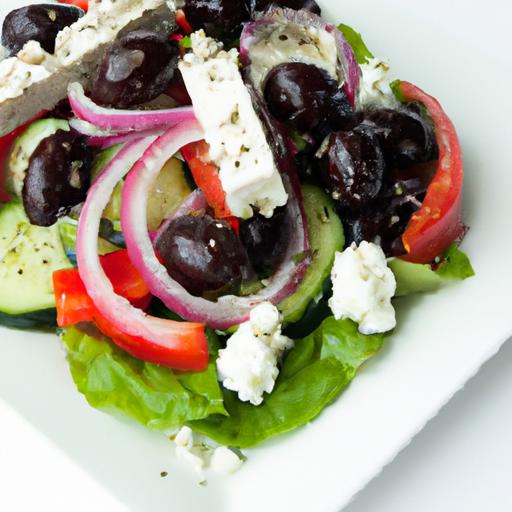




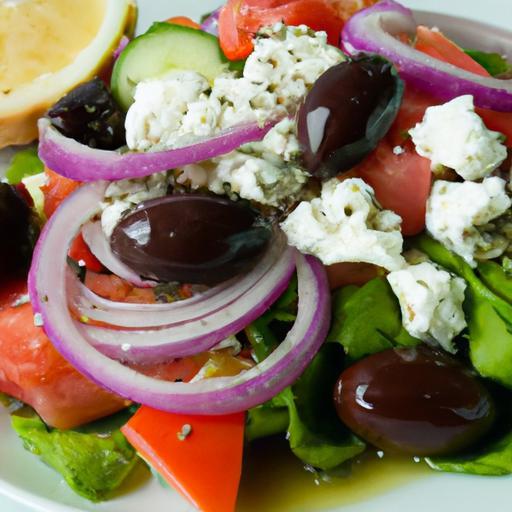
In a world constantly swirling with culinary fads and fusion experiments, the classic Greek salad stands as a steadfast beacon of simplicity, freshness, and vibrant flavor. More than just a medley of ingredients, this venerable dish tells a story of sun-drenched Mediterranean landscapes, generations of shared meals, and the harmonious dance of crisp vegetables, briny olives, creamy feta, and a splash of golden olive oil. The timeless taste of customary Greek salad delights invites us to savor not only a refreshing bite but also a rich cultural heritage that continues to inspire chefs and food lovers around the globe. Join us as we explore the origins, essence, and enduring appeal of this iconic salad that captures the very soul of Greece in every forkful.
The timeless taste of traditional Greek salad delights offers an exquisite journey into the heart of Mediterranean flavors. This iconic dish traces its roots to the sun-drenched, coastal villages of Greece where locals crafted a simple salad using the freshest ingredients from their gardens and markets. Its vibrant colors and bold contrasts tell a story of culture and community – from festive family meals to lively taverna gatherings.Over generations,the Greek salad has evolved into a symbol of health,heritage,and conviviality,making it not only a feast for the palate but also a celebration of life.
Prep and Cook Time
- Planning: 15 minutes
- Cooking: 0 minutes (no cooking required)
- Total Time: 15 minutes
Yield
Serves 4 generous portions
Difficulty Level
Easy – perfect for both beginners and seasoned home cooks
Ingredients
- 3 large ripe heirloom tomatoes, cut into thick wedges
- 1 medium cucumber, peeled and sliced into half-moons
- 1 small red onion, thinly sliced
- 1 green bell pepper, sliced into rings or strips
- 200g authentic Greek feta cheese, crumbled or in slabs
- 1/2 cup Kalamata olives, pitted
- 2 tablespoons extra virgin olive oil (preferably from Crete or Peloponnese)
- 1 tablespoon red wine vinegar
- 1 teaspoon dried oregano (preferably Greek oregano)
- Salt and freshly ground black pepper to taste
Instructions
- Prepare the vegetables: Gently rinse tomatoes and cucumber under cold water. Pat dry with paper towels to prevent sogginess in the salad.
- Chop and combine: place the tomato wedges, cucumber slices, thinly sliced red onion, and green pepper strips into a large salad bowl.
- Add olives: Scatter Kalamata olives evenly throughout the salad for that essential briny pop.
- Create the dressing: In a small bowl, whisk together the extra virgin olive oil, red wine vinegar, dried oregano, salt, and pepper until fully emulsified.
- Toss with care: drizzle the dressing over the salad ingredients and toss gently to coat without breaking the tomatoes or bruising the cucumbers.
- Top with feta: Traditionally, place thick slabs of feta cheese on top or crumble it generously across the salad for a creamy, salty finish.
- Final seasoning: Sprinkle a pinch more dried oregano over the cheese and finish with a grinding of fresh black pepper before serving.
Tips for Success
- Ingredient quality is key: The secret to the timeless taste of traditional Greek salad delights lies in using the freshest produce and authentic Greek olives and feta. Avoid pre-packaged dressings; the homemade version elevates the salad.
- Handling feta cheese: use block feta rather than crumbled from a packet – it holds texture and imparts a richer flavor.
- Make-ahead tip: Prepare the vegetables ahead but hold off on dressing and adding feta until just before serving to maintain crispness.
- Variations: For a hint of herbaceousness, add freshly chopped parsley or mint.Avoid iceberg lettuce – this salad is meant to be crisp and light with garden-fresh veggies.
- Vinegar balance: Start with less red wine vinegar and adjust to taste; this keeps the dressing perfectly balanced and prevents overpowering the vegetables.
Serving Suggestions
present this salad as the star of a Mediterranean feast or as a refreshing side dish alongside grilled lamb or seafood. A rustic olive wood salad bowl or simple white earthenware offer the ideal canvas for the burst of reds, greens, and creamy whites.
Garnish with a few sprigs of fresh oregano or a dusting of crushed dried oregano for a classic finish. Adding crusty, warm pita bread or a drizzle of honey-thick balsamic reduction on the side can create a delightful contrast.

| Nutrient | Per Serving |
|---|---|
| Calories | 200 kcal |
| Protein | 6 g |
| Carbohydrates | 8 g |
| Fat | 17 g |
Delve deeper into Mediterranean cooking with our Mediterranean diet recipes collection and explore the rich history behind iconic dishes. For an authoritative insight into Greek culinary traditions and olive oil production, visit the International Olive Council.
Q&A
Q&A: The Timeless Taste of Traditional Greek Salad Delights
Q1: What makes a Greek salad truly traditional?
A1: A traditional Greek salad, or “Horiatiki,” celebrates simplicity and freshness. The core ingredients include ripe tomatoes, crisp cucumbers, pungent red onions, briny Kalamata olives, and creamy blocks of tangy feta cheese, all dressed generously with extra virgin olive oil and sprinkled with dried oregano. No lettuce clouds the purity-just vibrant, honest flavors.
Q2: Why is the Greek salad considered timeless?
A2: Greek salad is timeless because it encapsulates the essence of Mediterranean living-healthy, fresh, and natural. Its ingredients have remained unchanged for centuries, reflecting a cultural heritage that honors the land and sea. The salad’s ability to balance bold flavors with wholesome goodness keeps it eternally relevant on tables worldwide.
Q3: How does the use of olive oil elevate the Greek salad?
A3: Olive oil is the soulful heart of the Greek salad.Cold-pressed extra virgin olive oil adds richness, depth, and a subtle fruitiness that unites the crisp vegetables and salty feta. It’s not just a dressing but a golden elixir that nourishes and ties every bite together with a silky finish.
Q4: Can the traditional Greek salad be adapted without losing its authenticity?
A4: While some variations exist, the magic lies in restraint. adding ingredients like lettuce or cucumbers is fine, but veering too far-such as swapping feta for a different cheese or adding heavy dressings-dilutes its identity. The key is preserving the balance of fresh produce, quality olive oil, olives, and feta, which underpin its authentic charm.
Q5: What occasions are perfect for serving traditional Greek salad?
A5: Greek salad shines in sunny, casual settings-whether a beachside picnic, a lively family barbecue, or as a refreshing starter to a Mediterranean feast. Its bright, vibrant colors and textures awaken the palate, making it a perfect companion to grilled meats, seafood, or simply warm, crusty bread.
Q6: Is traditional Greek salad healthy?
A6: Absolutely! Greek salad is a nutritional powerhouse, packed with vitamins from fresh vegetables, antioxidants from olive oil, and protein-rich feta. It’s naturally gluten-free and low in calories, making it a wholesome dish that supports heart health and Mediterranean diet principles.
Q7: How can one best enjoy the flavors of a traditional Greek salad at home?
A7: To savor the authentic taste, use the freshest, ripest tomatoes and cucumbers you can find. Select high-quality Kalamata olives and feta cheese,and never skimp on the olive oil-drizzle liberally. Assemble just before serving to maintain crispness, and let the salad rest a few minutes to allow the flavors to meld beautifully.
Greek salad isn’t just food; it’s a celebration of nature’s bounty and Greek culture distilled into a bowl. Its timeless taste continues to delight palates everywhere, inviting us all to experience a bite of Mediterranean sunshine.
The Conclusion
As we savor the vibrant medley of crisp cucumbers, ripe tomatoes, briny olives, and creamy feta, it’s clear that the traditional Greek salad is more than just a dish-it’s a celebration of heritage and simplicity. Rooted in centuries of mediterranean sunshine and culture, each bite tells a story of timeless tradition and fresh, natural flavors that continue to captivate palates around the world. Whether enjoyed by the azure shores of the Aegean or recreated in your own kitchen, the classic Greek salad remains a appetizing reminder that sometimes, the simplest ingredients hold the most enduring charm.