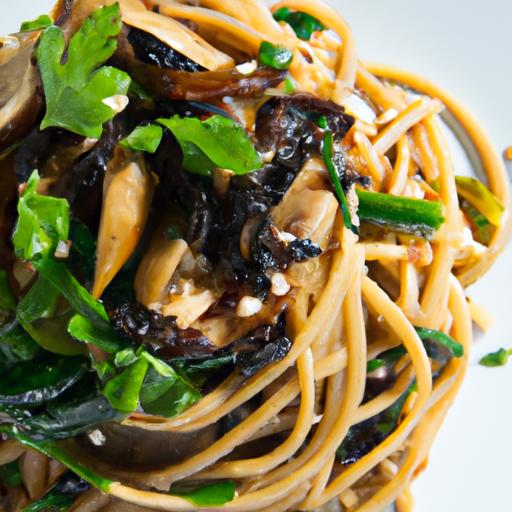



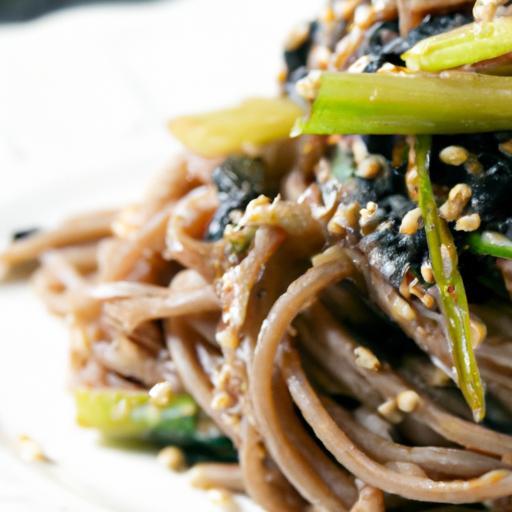
In the tapestry of global cuisine, certain dishes emerge as quiet champions-comforting yet complex, humble yet rich with history. Black bean noodles, a beloved staple in East Asian kitchens, stand as one such culinary gem. Beyond their glossy, dark strands lies a story steeped in tradition, culture, and innovation. This article embarks on a flavorful journey to uncover the origins, evolution, and enduring appeal of black bean noodles-inviting you to savor not just the taste, but the rich narrative that has unlocked this dish’s enduring place at tables around the world.
Unlocking flavor through the story behind black bean noodles transports us to the vibrant streets of Seoul, where this beloved dish-known locally as jajangmyeon-serves as a comforting symbol of fusion and tradition. Rooted in Chinese culinary influence but deeply embraced and transformed by Korean home cooks, black bean noodles have evolved as a versatile, soulful meal, perfect for sharing. The rich, savory sauce cloaking chewy noodles offers a harmony of umami, sweetness, and a subtle earthiness, making it an irresistible kitchen classic.
Prep and Cook Time
- Readiness: 15 minutes
- Cooking: 25 minutes
- Total: 40 minutes
Yield
Serves 4 hearty portions
Difficulty Level
Medium – Ideal for home cooks ready to master layering flavors and textures
Ingredients
- 300g fresh wheat noodles or dried Chinese-style wheat noodles
- 200g pork shoulder, finely diced (substitute with firm tofu for vegetarian)
- 1 medium onion, diced
- 2 tablespoons vegetable oil
- 3 cloves garlic, minced
- 1 medium zucchini, diced
- 1 medium potato, peeled and diced
- 100g cabbage, thinly sliced
- 3 tablespoons black bean paste (chunjang)
- 1 tablespoon sugar
- 1 cup chicken or vegetable broth
- 1 tablespoon cornstarch mixed with 3 tablespoons water (slurry)
- 1 teaspoon sesame oil
- Spring onions, thinly sliced for garnish
- 1 tablespoon toasted sesame seeds for garnish (optional)
Instructions
- Prepare the noodles: Cook the noodles in a large pot of boiling water according to package instructions until al dente. Drain, rinse under cold water to stop cooking, and set aside with a drizzle of sesame oil to prevent sticking.
- Cook the pork and vegetables: Heat vegetable oil in a large skillet over medium-high heat. Add diced pork and sauté until browned, about 4-5 minutes.Add onions and garlic,cooking until fragrant and translucent.
- Add vegetables: Incorporate zucchini, potato, and cabbage. Stir and sauté for about 5 minutes, allowing the vegetables to slightly soften but retain texture.
- Create the black bean sauce base: Push the ingredients to the side of the skillet and add the black bean paste directly to the pan. Fry the paste for 1-2 minutes to remove raw bitterness, stirring constantly.
- Combine and simmer: Mix the paste through the meat and vegetables. Add sugar and pour in broth gradually, stirring to create a glossy, aromatic sauce. Allow to simmer on low heat for 8-10 minutes, letting the flavors meld and the potatoes soften fully.
- Thicken the sauce: Slowly add the cornstarch slurry, stirring continuously until the sauce thickens to a smooth, clingy consistency that perfectly coats the noodles.
- Finish with sesame oil: Stir in sesame oil for a nutty aroma and depth.
- Serve: Plate the cooked noodles in bowls and generously ladle the sauce over the top. Garnish with sliced spring onions and toasted sesame seeds for an added crunch and freshness.
Chef’s Notes: Tips for Success
- Use fresh noodles if possible for a pleasantly chewy bite; dried noodles are a sturdy, convenient alternative.
- When frying the chunjang, maintain medium heat to avoid burning and developing bitterness.
- For vegan variations, swap pork with diced mushrooms or tempeh and use vegetable broth.
- The sauce thickens considerably as it cools-feel free to adjust the cornstarch slurry for desired consistency.
- Make the sauce in advance and store refrigerated; reheat gently on the stove with a splash of broth before serving.
Serving Suggestions
Black bean noodles shine with simplicity-serve immediately once sauced to preserve the interplay of textures and temperature.Accompany with Korean-style pickled radish (danmuji) for a crisp, tangy contrast. A light green salad or kimchi on the side enhances the meal’s brightness. For an indulgent touch, add boiled eggs or stir-fried shrimp as toppings.Present each bowl with an elegant sprinkle of sliced scallions and toasted sesame seeds to highlight the deep black sauce’s glossy allure.

| Nutrition | Per Serving |
|---|---|
| Calories | 450 kcal |
| Protein | 25g |
| Carbohydrates | 55g |
| Fat | 12g |
Discover more on how to master noodle sauces and Asian fusion techniques in our Authentic korean Noodle Dishes article. For an authoritative dive into black bean paste’s history and chemistry, visit Serious Eats on Black Bean Paste.
Q&A
Q&A: unlocking Flavor – The story Behind Black Bean Noodles
Q1: What exactly are black bean noodles?
A1: At their core, black bean noodles-often known as “Jajangmyeon”-are a harmonious blend of springy wheat noodles smothered in a rich, savory black bean paste sauce. This sauce, crafted from fermented black soybeans, infuses the dish with deep umami and a subtle sweetness that dances on the palate.
Q2: Where did black bean noodles originate?
A2: Though deeply loved in Korea today,black bean noodles trace their roots back to Chinese cuisine,particularly the dish known as “Zhajiangmian.” When these flavorful noodles crossed borders, Korean cooks adapted them, adding their own regional twist that transformed a humble Chinese noodle dish into a national favorite in Korea.
Q3: What’s the secret behind the black bean sauce?
A3: The sauce’s magic lies in “chunjang”-a fermented black soybean paste. This paste undergoes a meticulous process of fermentation, developing earthy, complex notes.When stir-fried with diced pork, onions, and sometimes vegetables like zucchini or potatoes, it creates a luscious coating that clings lovingly to each strand of noodle.
Q4: How has black bean noodles evolved over time?
A4: Black bean noodles have evolved from simple street food to gourmet interpretations. Modern chefs experiment with everything from premium cuts of meat and fresh seafood to vegetarian versions bursting with earthy mushrooms and tofu. Despite innovation, the essence remains-a comforting balance between starch, savory sauce, and a hint of sweetness.
Q5: Why is black bean noodles so beloved as comfort food?
A5: There’s a nostalgic charm embedded in every bite. The warm, hearty sauce combined with chewy noodles speaks to communal dining and simple pleasures. For many, black bean noodles evoke memories of family dinners, late-night cravings, and the joyous ritual of mixing noodles and sauce just so.
Q6: Can black bean noodles be made at home?
A6: Absolutely! While customary black bean paste can be elusive outside Asia, many specialty stores and online retailers now offer “chunjang.” With fresh noodles and a medley of vegetables and pork or tofu, home cooks can recreate this savory delight and unlock layers of flavor right in their kitchens.Q7: What makes black bean noodles stand out among other noodle dishes?
A7: Unlike broth-based or spicy noodles,black bean noodles offer a unique,velvety sauce that coats the noodles rather of soaking into a soup. This creates a rich mouthfeel and a powerful umami punch that lingers, making it simultaneously simple and profoundly satisfying.
Q8: How do people typically enjoy black bean noodles today?
A8: Often enjoyed piping hot and freshly tossed, black bean noodles can be accompanied by crunchy pickled radishes or a light cucumber salad to cut through the richness. Whether enjoyed solo or shared among friends, the dish invites slow savoring and delightful communal consumption.
Unlocking the story behind black bean noodles reveals more then just an iconic dish-it opens a window into cultural exchange, fermentation artistry, and the simple joy of savoring bold flavors intertwined with tradition.
Final Thoughts
As the rich, earthy aroma of black bean noodles lingers long after the last bite, it’s clear that this humble dish carries far more than flavor-it carries history, culture, and a testament to culinary ingenuity. From ancient origins to modern tables, black bean noodles invite us to savor not just a meal, but a story woven with tradition and innovation. So next time you twirl those glossy, saucy strands, remember: you’re partaking in a tasty narrative that unlocks a world of taste and heritage with every mouthful.