

Welcome to the fascinating world of hermit crabs-a realm where tiny explorers scuttle beneath shells,seeking not just new homes but also delicious delicacies to nibble on. Feeding your hermit crab isn’t just about filling a tiny belly; it’s an art that blends nutrition, variety, and a dash of creativity. In this ultimate guide to tasty treats,we’ll unlock the secrets to keeping your shelled companion happy,healthy,and eagerly scuttling back for seconds. Whether you’re a seasoned crab caretaker or a curious newcomer, prepare to dive into a flavorful feast designed to delight these quirky crustaceans!
Understanding Your Hermit Crab’s Dietary Needs
Feeding your hermit crab the right combination of nutrients is essential to keep your little crustacean thriving and full of energy. Much like a tiny gourmand, hermit crabs require a balanced diet with a mix of proteins, calcium, fiber, and minerals to maintain their exoskeleton and support their active lifestyle. Wild hermit crabs forage a diverse menu-fruits, plants, small insects, and detritus-so replicating this varied diet at home ensures they remain healthy and vibrant.
Top nutrient-Rich Foods to Keep Your Hermit Crab Healthy
To create a nutritious feast for your hermit crab, focus on foods rich in protein and calcium while offering fresh, natural ingredients. Protein fuels their growth and molting process, while calcium strengthens their shells. Hear are some standout options:
- Cooked lean meats: Small bits of chicken or fish provide digestible protein without excess fat.
- Hard-boiled egg yolks: A natural calcium and protein powerhouse, finely chopped.
- Leafy greens: Kale, spinach, and collard greens are excellent sources of fiber and calcium.
- Organic fruits: Tiny pieces of mango, papaya, or blueberries offer antioxidants and vitamins.
- Dried shrimp or krill flakes: These mimic seafood their wild counterparts might scavenge.
- Calcium supplements: Crushed cuttlebone or eggshell powder sprinkled lightly over foods.
Delicious Treats and Snacks Hermit Crabs Love
Elevate your hermit crab’s dining experience with a few special treats that excite their tiny taste buds and encourage naturalforaging behavior. Imagine presenting a rainbow of tantalizing morsels-moist, sweet, savory-that keep mealtime captivating.
- Fresh coconut meat: Rich in oils and fiber, gently shredded for easy picking.
- Peanut butter drops: Tiny puffs of natural peanut butter mixed with a bit of oatmeal make a protein-packed delight.
- Soft fruits: Ripe banana slices or juicy watermelon cubes provide hydrating sweetness.
- Freeze-dried mealworms: A crunchy, insect-inspired treat, perfect for occasional grazing.
- Organic vegetable scraps: Cooked sweet potatoes or carrots finely diced to avoid choking hazards.
Safe Foods to Avoid and How to Introduce New Flavors
Not all human foods are safe for hermit crabs. Avoid anything with salt,sugar,artificial sweeteners,or preservatives-these can disrupt their delicate digestive systems. Stay clear of citrus,raw onion,garlic,and dairy products. When introducing new foods, do so gradually. Offer tiny samples alongside familiar favorites to monitor for any adverse reactions. This “taste-test” approach respects their sensitive palates and helps build a well-rounded menu over time.
Protein-Packed Hermit Crab Treats Recipe
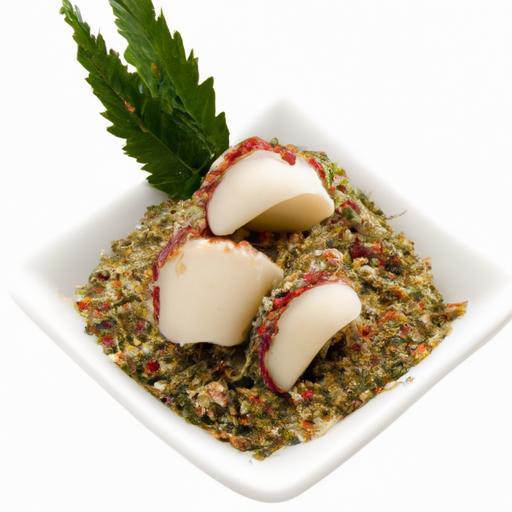
Feeding your hermit crab a homemade protein treat is a wonderful way to enrich their diet while expressing love through food. This easy, nutrient-dense snack blends balanced ingredients to satisfy their natural foraging instincts.
Prep and Cook Time: 15 minutes
Yield: About 10 small treats (depending on size)
Difficulty Level: Easy
Ingredients
- 2 tbsp cooked chicken breast, finely shredded
- 1 tbsp hard-boiled egg yolk, mashed
- 1 tbsp oats, finely ground
- 1 tsp natural peanut butter (unsweetened, unsalted)
- 1 tsp crushed cuttlebone or powdered eggshell (calcium source)
- 1 tbsp shredded coconut meat (fresh or unsweetened dried)
Instructions
- Combine the shredded chicken and mashed egg yolk in a small bowl, mixing thoroughly to form a sticky base.
- Stir in the ground oats and crushed cuttlebone powder to add texture and calcium reinforcement.
- Blend in the peanut butter and shredded coconut until the mixture holds together when pressed.
- Form small bite-sized balls or flattened discs-about the size of a dime-for easy crab handling.
- Place the treats on a parchment-lined tray and allow to firm in the refrigerator for 10 minutes before serving.
- Offer fresh in your hermit crab’s enclosure,removing any uneaten bits after 24 hours to prevent spoilage.
Tips for Success
- Variation: swap chicken for mashed white fish or finely chopped cooked insects to diversify protein sources.
- Substitution: Use almond butter rather of peanut butter if allergies or sensitivities exist in your pet community.
- Storage: Keep treats refrigerated up to 3 days or freeze portions for longer preservation.
- Observation: Monitor your hermit crab’s interest and introduce any new ingredients slowly to assess tolerance.
Serving Suggestions
Place the treats atop a small natural leaf or a clean, shallow dish to mimic a foraging habitat. Garnish with a tiny sprinkle of crushed cuttlebone or finely chopped kale nearby to encourage calcium consumption alongside snacks. Fresh water should always be available to help your hermit crab enjoy their treats thoroughly.
| Nutrition | Per Treat (approx.) |
|---|---|
| Calories | 12 kcal |
| Protein | 1.2 g |
| Carbohydrates | 0.8 g |
| Fat | 0.6 g |

Learn more about the diverse dietary needs by checking our complete hermit crab care guide. For further scientific insight on crustacean nutrition, visit the USDA agricultural Research Service.
Q&A
Q&A: Feeding Your Hermit Crab – Ultimate Guide to Tasty Treats
Q1: What do hermit crabs naturally eat in the wild?
A1: In their natural coastal habitats, hermit crabs are opportunistic scavengers and omnivores. They feast on a smorgasbord of goodies-from algae and decaying plant matter to small insects, mollusks, and even bits of fruit and vegetables washed ashore. This diverse diet ensures they get a balanced mix of nutrients to keep their shells cozy and claws strong.
Q2: Can I feed my hermit crab the same food humans eat?
A2: While your hermit crab might appreciate sharing your snack time, not all human foods are crab-amiable! Avoid salty, sugary, or processed snacks. Instead, offer tiny bites of fresh fruits (like apples or mango) or veggies (like spinach or carrots). Remember, variety is the spice of crab life-think of creating a mini buffet tailored just for them!
Q3: Are there any special “treats” hermit crabs love?
A3: Absolutely! Hermit crabs adore a delicious mix of protein and calcium-rich treats. Try offering unsalted nuts, dried shrimp, chopped boiled eggs, or even a pinch of crushed oyster shell. These not only satisfy their taste buds but also support shell growth and overall health. Treat time can be the highlight of their day!
Q4: How often should I feed my hermit crab?
A4: Hermit crabs aren’t gluttons-they prefer grazing over feasting. Feeding them once daily, with a small amount of fresh and dried food available, is ideal. Remember to remove uneaten fresh foods after 24 hours to prevent mold, keeping their habitat clean and healthy.
Q5: Can I use commercial hermit crab food?
A5: Commercial foods designed specifically for hermit crabs can be a convenient staple. Many are formulated to provide balanced nutrition.However, they shouldn’t replace fresh foods entirely. Think of commercial pellets as the base of a balanced diet, jazzed up with fresh fruits, veggies, and tasty protein treats.Q6: What foods should I avoid feeding my hermit crab?
A6: Steer clear of anything that’s salty, sugary, spicy, or spoiled.Chocolate,citrus fruits,onion,garlic,and anything processed or seasoned can be harmful. Also, avoid feeding them foods that mold easily or are arduous to digest. Keeping their diet natural and clean ensures they stay happy and healthy.Q7: How importent is water when feeding hermit crabs?
A7: Water is absolutely vital-and they need both fresh and saltwater sources to thrive. Proper hydration helps digestion and shell maintenance. Always provide shallow dishes of dechlorinated fresh and saltwater alongside their food; think of it as a refreshing cocktail bar for your little crustacean!
Q8: Can feeding habits affect my hermit crab’s shell choices?
A8: Without a doubt! A nutritious diet rich in calcium helps them build stronger exoskeletons and maintain their shells. Hermit crabs frequently enough look for new shells when they’re growing or if they feel their current shell isn’t sturdy enough. Feeding them well is like giving them the ultimate “shell upgrade” package.Q9: Are there signs my hermit crab isn’t happy with its food?
A9: Yes-if your hermit crab consistently ignores certain foods, seems lethargic, or loses weight, it might indicate a dietary imbalance or dislike.Try mixing up their menu or consulting a vet experienced in exotic pets. A well-fed crab is an active,curious,and shell-shining rockstar!
Q10: What’s the ultimate secret to feeding a hermit crab?
A10: Variety,freshness,and balance! Think of feeding your hermit crab as crafting a gourmet buffet-mix proteins,veggies,fruits,and calcium sources,keep it fresh,and remember that less is more.With a little creativity and care, your hermit crab will thrive and maybe even wave a claw in gratitude!
key Takeaways
Feeding your hermit crab isn’t just a routine-it’s an chance to deepen the bond with your tiny, shelled companion. by offering a diverse and nutritious menu,you’re not only ensuring their health and happiness but inviting a world of curiosity and activity into your home. Remember, a well-fed hermit crab is a lively explorer, ready to scuttle and shell-shift with vigor. So go ahead, mix those tasty treats, watch them nibble with delight, and enjoy the fascinating journey of nurturing one of nature’s moast quirky little adventurers. Happy feeding!