

In the colorful tapestry of Korean cuisine,few dishes capture the harmony of texture,flavor,and tradition quite like Japchae. This vibrant glass noodle delicacy,shimmering with hues of vegetables and infused with a subtly sweet-savory essence,is more than just a meal-it is indeed a celebration of Korea’s culinary artistry. From festive tables to casual gatherings, Japchae embodies a story of cultural heritage, innovation, and the delicate balance of ingredients that dance together in every bite. Join us as we unravel the secrets behind Japchae’s enduring allure and discover the art behind Korea’s beloved glass noodles.
Japchae Unveiled: The Art of Korea’s Vibrant Glass Noodles
Japchae Unveiled: the Art of korea’s Vibrant Glass Noodles offers a captivating dive into a dish beloved for its dazzling colors, delicate texture, and harmonious blend of flavors that have charmed generations. Originating from the royal courts of the Joseon Dynasty,japchae was once a symbol of celebration and sophistication,crafted to honor special occasions and esteemed guests. Its roots trace back to the 17th century, where the combination of sweet potato starch noodles and carefully selected vegetables created a dish both visually stunning and sensorially delightful. Today, it remains a staple at Korean festivities and an emblem of cultural pride worldwide.
Prep and Cook Time
- Preparation: 25 minutes
- Cooking: 20 minutes
- Total Time: 45 minutes
Yield
Serves 4 as a main dish, or 6 as a side
Difficulty Level
Medium – perfect for those comfortable with chopping and stir-frying.
Ingredients
- 200g sweet potato glass noodles (dangmyeon)
- 150g beef sirloin, thinly sliced against the grain
- 1 large carrot, julienned
- 1 small yellow bell pepper, thinly sliced
- 100g spinach, blanched and squeezed dry
- 4 shiitake mushrooms, soaked and sliced
- 1 medium onion, thinly sliced
- 2 cloves garlic, minced
- 3 tbsp soy sauce, naturally brewed
- 2 tbsp toasted sesame oil
- 1 tbsp sugar
- 1/2 tsp ground black pepper
- 2 tbsp vegetable oil (for stir-frying)
- 1 tbsp toasted sesame seeds (for garnish)
- Chopped scallions (optional, for garnish)
Instructions
- Cook the noodles: Boil a pot of water and add the sweet potato noodles. cook for 6-7 minutes until tender but slightly chewy, then drain and rinse with cold water to stop cooking. Cut the noodles into 20cm lengths to make them easier to eat. Toss with 1 teaspoon of sesame oil to prevent sticking.
- Prepare toppings: In separate pans or batches, sauté the beef slices with 1 tablespoon soy sauce and minced garlic until browned and cooked through, about 4 minutes.Set aside. Sauté each vegetable (carrot, bell pepper, mushroom, onion) separately in a teaspoon of vegetable oil until just tender but still vibrant-about 2-3 minutes per vegetable. Season lightly with a pinch of salt.
- Blanch the spinach: Quickly blanch the spinach in boiling water for 30 seconds, rinse with cold water, then squeeze out excess moisture. Season lightly with a pinch of salt and 1 teaspoon sesame oil.
- Combine and season: In a large mixing bowl, combine all prepared ingredients including noodles. Add remaining 2 tablespoons soy sauce, 1 tablespoon sugar, 1/2 teaspoon black pepper, and 1 tablespoon toasted sesame oil. Toss gently but thoroughly to achieve an even, glossy coating and balanced seasoning.
- Final stir-fry: Warm a large non-stick pan over medium heat. Add the japchae mixture and stir-fry for 2-3 minutes to marry flavors and heat evenly. Be careful not to overcook-maintain texture contrast between noodles and vegetables.
- Serve: Transfer to a serving dish. Sprinkle with toasted sesame seeds and chopped scallions for an inviting finish.
Chef’s Notes: Elevate Your Japchae Experiance
- Texture mastery: Sweet potato noodles must be cooked al dente to showcase their signature chewiness. Avoid overcooking for the best bite.
- Ingredient authenticity: Customary japchae balances a colorful array of seasonal vegetables and tender beef, but feel free to experiment with mushrooms, zucchini, or even tofu for vegetarian options.
- Seasoning secrets: A subtle balance of soy sauce’s umami, sesame oil’s nuttiness, and the hint of sugar forms the backbone of flavor. Adjust these to taste, but avoid heavy-handedness.
- Make-ahead tip: Japchae tastes heavenly warm or at room temperature. prepare ahead and lightly reheat in a pan with a splash of sesame oil before serving.
- Creative presentations: Serve japchae in crunchy lettuce cups or mimic Korean street food by stuffing it inside toasted baguettes for an innovative twist.
Serving Suggestions
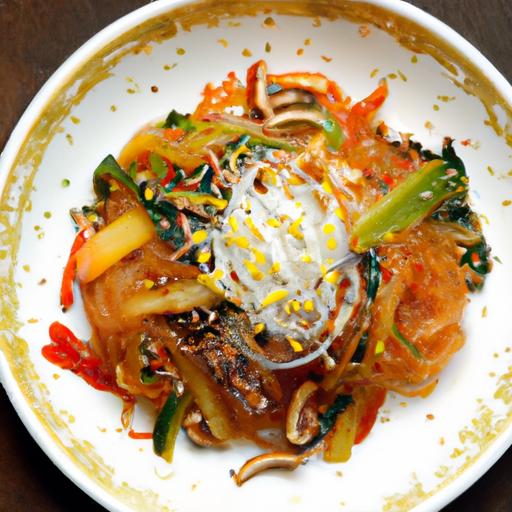
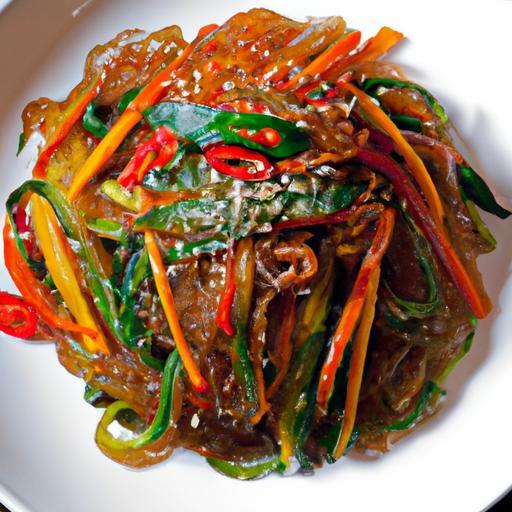
For a vibrant presentation, mound japchae on a pristine white plate to let its vivid hues pop. Garnish generously with toasted sesame seeds and thinly sliced scallions for a fresh aroma and textural contrast. Pair it with kimchi or a simple cucumber salad for tangy brightness. Japchae also makes a striking centerpiece at holiday tables or an elegant side for Korean BBQ spreads.
| Nutrient | Per Serving |
|---|---|
| Calories | 320 kcal |
| Protein | 18 g |
| Carbohydrates | 40 g |
| Fat | 8 g |
For more on Korean flavors, explore our related guide on The Essence of Korean Barbecue. Continuous learning about Korean cuisine enhances your culinary journey.
Discover the rich history and evolving craft of japchae through this authoritative external resource from the Korean Food Foundation, a fantastic portal to deepen your thankfulness of Korea’s culinary heritage.

Q&A
Q&A: Japchae Unveiled – The Art of Korea’s Vibrant Glass noodles
Q1: What exactly is japchae, and why is it considered a staple in korean cuisine?
A: Japchae is a dazzling Korean dish featuring translucent sweet potato starch noodles-known as glass noodles-tossed with an array of colorful vegetables, tender meat, and a savory-sweet sauce. Beyond its vibrant appearance, Japchae is cherished for its harmonious balance of textures and flavors, making it a beloved dish at both festive celebrations and everyday meals.
Q2: Where did Japchae originate, and how has its recipe evolved over time?
A: Japchae dates back to the 17th century, reportedly created for royal banquets during Korea’s Joseon Dynasty. Initially a luxurious dish reserved for kings and nobles, Japchae has sence transformed into a versatile recipe embraced by all. Modern variations experiment with ingredients like mushrooms, bell peppers, spinach, and even vegan alternatives, reflecting Korea’s evolving palate.
Q3: What makes glass noodles the heart and soul of Japchae?
A: Glass noodles, or dangmyeon, are made from sweet potato starch, giving them a unique chewy texture and translucent shine that captivates the eyes. Unlike wheat noodles, they remain silky and springy after cooking, perfectly absorbing the tantalizing soy-based sauce. Their neutral flavor serves as the perfect canvas, allowing the vibrant veggies and richly marinated beef or tofu to shine.
Q4: How does one achieve the signature balance of flavors in Japchae?
A: Mastering Japchae is all about harmony. The dish skilfully marries sweet, savory, and umami notes through ingredients like soy sauce, sugar, garlic, and sesame oil. Each vegetable-carrots, spinach, onions, mushrooms-brings its own character, and the gentle stir-frying process ensures nothing overpowers the delicate noodles. The final sprinkle of toasted sesame seeds ties the experience together with a nutty finish.
Q5: Can Japchae be enjoyed beyond the traditional Korean table?
A: Absolutely! Japchae’s versatility makes it a global ambassador of Korean flavors. Served warm, cold, or at room temperature, it works beautifully as a main dish, side, or picnic delight.Its colorful presentation also makes it a feast for the eyes at any dinner party. Plus, with its gluten-free noodles and customizable ingredients, Japchae welcomes all dietary preferences with open arms.
Q6: What cultural meaning does Japchae hold in Korea today?
A: Japchae is more than just a dish-it’s a symbol of celebration and togetherness. Frequently enough served during Korean holidays like Lunar new Year and harvest festivals, Japchae embodies wishes for prosperity, health, and happiness. Sharing a plate of Japchae is sharing a slice of Korean heritage, transmitting stories and traditions from one generation to the next.
Q7: Any tips for home cooks eager to try making Japchae?
A: Embrace patience and prep! Soak and boil the noodles until just tender, then drain and lightly oil to prevent sticking. Cook vegetables and meat separately to preserve their textures and flavors before gently combining everything. Balance your seasoning carefully, adjusting soy sauce and sugar to taste. Most importantly, experiment-Japchae is an art form inviting creativity.
Embarking on the journey of Japchae is stepping into Korea’s vibrant culinary tapestry-a celebration of textures, colors, and history all entwined within delicate glass noodles. Give your taste buds a cultural adventure and uncover the magic behind this iconic dish!
Concluding Remarks
As the colorful strands of japchae settle gently onto your plate, they carry with them a story woven from centuries of Korean heritage, artistry, and flavor. This humble glass noodle dish, vibrant in both appearance and taste, invites you to savor not just a meal, but a rich cultural tapestry-where each ingredient plays a part in an exquisite symphony of texture and aroma. whether enjoyed during festive celebrations or a quiet evening at home, japchae continues to captivate palates around the world, reminding us that food is an art form that bridges history and heart. So next time you twirl those glossy noodles, remember: you’re partaking in a timeless tradition, beautifully unveiled with every bite.