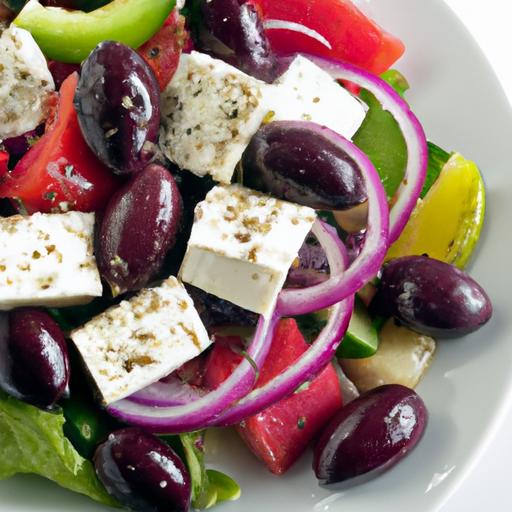




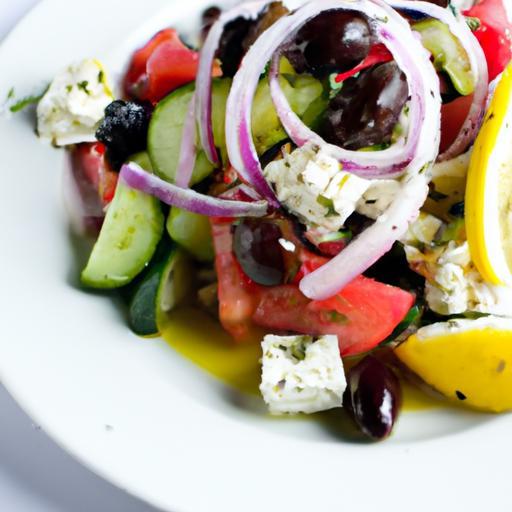
Beneath the sun-drenched skies of the Mediterranean,where ancient olive groves whisper stories of millennia past,lies a culinary treasure that has captivated palates across generations-the traditional Greek salad. More than just a dish,it is a vibrant mosaic of fresh,simple ingredients harmoniously combined to create a timeless taste experience. in this article, we unveil the enduring charm of the greek salad, exploring its rich history, cultural significance, and the secrets behind its unmistakable flavors that continue to inspire food lovers around the world. Join us as we journey into the heart of Greece’s culinary heritage and discover why this humble salad remains an icon of Mediterranean gastronomy.
The Timeless Taste of Traditional Greek Salad is more than just a refreshing dish-it is indeed a vibrant celebration of Mediterranean heritage and simple, honest ingredients. Born from the sun-kissed regions of Greece, this iconic salad captures the essence of the Greek mainland and its islands, where lush olives, ripe tomatoes, and fresh herbs grow amidst the rugged landscape. My first encounter with this dish transported me to a seaside taverna in Santorini, where every bite was an explosion of texture and flavor-a true testament to why this salad remains beloved worldwide.
Prep and Cook Time
Prep Time: 15 minutes
Cook Time: 0 minutes (no cooking required)
Yield
Serves 4 as a side dish or 2-3 as a light meal.
Difficulty level
Easy – perfect for home cooks of all skill levels.
Key Ingredients That Define the Authentic Greek Salad Experience
- 4 large ripe tomatoes, cut into wedges for juicy freshness
- 1 medium cucumber, peeled and sliced into thick half-moons
- 1 small red onion, thinly sliced for a hint of sharpness
- 1 green bell pepper, sliced into rings
- 200g block of authentic Greek feta cheese, cut into large chunks or slabs
- Handful of Kalamata olives, pitted
- Extra virgin olive oil, generously drizzled
- 1 tablespoon red wine vinegar, to brighten the flavors
- Dried oregano, sprinkled for an earthy aroma
- Sea salt and freshly cracked black pepper, to taste
Mastering the Art of Planning for Perfect Flavor Balance
- Start with the vegetables. Rinse all produce thoroughly. Cut the tomatoes into large wedges, making sure to leave plenty of juice intact for vibrant flavor.
- Peel and slice the cucumber to avoid bitterness; thick slices offer satisfying crunch.
- Thinly slice the red onion; soak in cold water for 5 minutes to mellow its bite, then drain well.
- Slice the green bell pepper into slender rings for a crisp, refreshing contrast.
- Combine all the prepared vegetables in a large bowl, tossing gently to mix without bruising them.
- Add the Kalamata olives scattered throughout, lending a salty richness.
- Place large chunks of feta cheese on top-avoid crumbling for a more authentic presentation and a creamy balance.
- Sprinkle dried oregano, sea salt, and freshly cracked black pepper, tailoring seasoning to taste.
- Drizzle with extra virgin olive oil and red wine vinegar slowly, allowing the acidity and richness to evenly coat the salad.
- Toss gently once again if desired,or serve as is to highlight the natural beauty of each ingredient.
Expert Tips for Pairing Greek Salad with Mediterranean Cuisine
Enhance yoru meal experience by pairing this classic salad with grilled seafood like octopus or calamari, whose smoky ocean flavors complement the crispness and acidity of the salad. Alternatively, serve alongside roasted lamb or a plate of mezze featuring hummus, tzatziki, and warm pita bread for a festive Mediterranean spread. A chilled glass of Assyrtiko or a crisp rosé will also elevate the bright, herbaceous notes of the dish.
Tips for Success
- Choose ripe, in-season vegetables: The salad’s flavor depends on freshness-avoid underripe tomatoes or watery cucumbers.
- Use high-quality feta: Preferably imported from Greece for authentic texture and tang.
- Customize the acid balance: Adjust vinegar or lemon juice to brighten or mellow depending on preference.
- Make ahead: Prepare vegetables a few hours prior but add feta and dressing just before serving to maintain texture.
- For a vegan twist: Replace feta with marinated tofu or omit cheese altogether,and add a splash more olive oil.
Serving Suggestions
Present the salad on a wide, shallow platter to showcase colorful layers. Garnish with a few fresh oregano sprigs or microgreens for a pop of green. Serve with crusty bread to soak up the flavorful juices and a wedge of lemon for an optional fresh squeeze. This salad shines as a cooling counterpoint on warm days or as part of a vibrant mezze offering.

| Nutrient | Per Serving |
|---|---|
| Calories | 180 |
| Protein | 6g |
| Carbohydrates | 8g |
| Fat | 15g |
For further inspiration on Mediterranean dining, check out our Mediterranean Meal Ideas guide. To deepen your knowledge of traditional Greek cuisine, visit the official Greek tourism site.
Q&A
Q&A: The Timeless Taste of Traditional Greek Salad Unveiled
Q1: What makes a traditional Greek salad truly timeless?
A1: The timelessness lies in its simplicity and harmony. Fresh, vibrant ingredients like juicy tomatoes, crisp cucumbers, peppery red onions, briny Kalamata olives, tangy feta cheese, and a sprinkle of oregano come together dressed in fragrant olive oil. Each element honors the Mediterranean’s bounty, capturing a flavor profile that has delighted palates for centuries.
Q2: How did the Greek salad originate?
A2: The Greek salad, or “Horiatiki,” meaning “village salad,” has roots in rural Greece where villagers crafted meals from whatever fresh produce was at hand. It was less about a fixed recipe and more about celebrating local harvests, making it a dish deeply intertwined with Greek culture and community traditions.
Q3: Why is olive oil so important in this salad?
A3: Olive oil is often called “liquid gold” in greece, not just for its rich flavor but also for its cultural and historical significance. It enhances the salad’s ingredients, uniting them with its fruity, peppery notes while providing health benefits revered since ancient times. Without this golden drizzle, the salad would lose much of its soul.Q4: Can traditional Greek salad vary between regions or households?
A4: Absolutely! While the core ingredients remain consistent, variations abound-some add capers, others include fresh herbs beyond oregano, and a few sprinkle chopped green peppers or even a dash of red wine vinegar.These subtle differences reflect local tastes and personal touches,yet all stay true to the salad’s fresh and vibrant essence.
Q5: What makes traditional Greek salad different from other salads?
A5: Unlike many leafy salads, Greek salad focuses on big, bold flavors and textures rather than a bed of greens as its base. the use of thick slices rather than finely chopped veggies invites a rustic feel, and the prominent role of feta cheese and olives offers a salty tang that distinguishes it from typical garden salads.
Q6: How can I recreate the authentic taste of Greek salad at home?
A6: Start with the freshest, ripest tomatoes and crisp cucumbers you can find. Choose quality Kalamata olives and a good block of feta cheese-not the crumbled kind in a packet. Use extra virgin Greek olive oil, sprinkle dried oregano generously, and finish with a light grind of black pepper and maybe a splash of red wine vinegar. Serve it chilled and enjoy instantly to savor that crisp,refreshing bite.
Q7: Why does Greek salad remain popular worldwide today?
A7: It transcends trends thanks to its healthful, flavorful simplicity. In an era craving natural and wholesome food, Greek salad offers a perfect meeting of nutrition and taste. Its Mediterranean roots evoke warmth, sunshine, and communal meals, making it not just food but an experience that connects people across cultures and generations.
To Wrap It Up
As the vibrant colors of ripe tomatoes, crisp cucumbers, tangy olives, and creamy feta come together in every bite, the traditional Greek salad reveals more than just a harmonious blend of flavors-it tells a story of heritage, simplicity, and the enduring allure of Mediterranean life. This timeless dish invites us to slow down, savor fresh ingredients, and celebrate the art of unpretentious cooking that has withstood the test of centuries. Whether shared at a sunlit taverna or recreated in your own kitchen, the Greek salad remains a tasty reminder that sometimes, the simplest meals carry the richest legacies.