

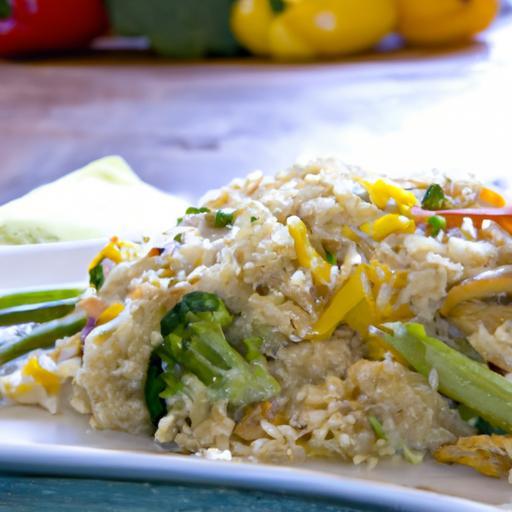
In the world of comfort food, few dishes strike the perfect balance between simplicity and satisfaction quite like vegetable fried rice. Bursting with vibrant colors, tantalizing aromas, and a medley of textures, this beloved staple transcends its humble origins to become a canvas for culinary creativity. Whether your a seasoned cook or just beginning your kitchen adventures, mastering the art of perfect vegetable fried rice unlocks a symphony of flavors that can transform everyday ingredients into a mouthwatering masterpiece. join us as we explore the secrets and techniques behind achieving that ideal wok-tossed harmony – where fluffy grains,crisp veggies,and savory seasonings come together to savor the flavor like never before.
Savor the Flavor by choosing the freshest, most vibrant vegetables for your fried rice to transform an everyday staple into a dazzling, flavor-packed masterpiece. The key to remarkable vegetable fried rice lies not only in the ingredients but also in the balance of texture, aroma, and seasoning – all coming together in a perfectly hot wok for that signature wok hei essence.
Prep and Cook Time
- Preparation: 15 minutes
- Cooking: 10 minutes
- Total Time: 25 minutes
Yield
- Serves 4 generously
Difficulty Level
- Easy to Medium – suitable for novice to intermediate home cooks
Ingredients
- 3 cups cooked jasmine rice (preferably chilled overnight for ideal texture)
- 1 cup diced carrots (small, uniform cubes)
- 1 cup vibrant snap peas (halved diagonally)
- 1/2 cup finely chopped green onions (separate white and green parts)
- 1/2 cup diced red bell pepper (adds sweetness and color)
- 1/2 cup chopped shiitake mushrooms (fresh or rehydrated, sliced)
- 2 cloves garlic, minced
- 1 tablespoon freshly grated ginger
- 2 large eggs (optional, for added richness)
- 3 tablespoons vegetable oil (neutral oil with high smoke point)
- 2 tablespoons light soy sauce
- 1 tablespoon oyster sauce (use vegetarian oyster sauce for vegan option)
- 1 teaspoon toasted sesame oil (added at end for aroma)
- Salt and freshly ground white pepper to taste
- optional: 1/4 cup chopped fresh cilantro (for garnish)
Instructions
- Prepare the vegetables: Wash and dice all vegetables as listed, ensuring uniform sizes to promote even cooking. Prepare the rice and keep it cold to prevent clumping during stir-frying.
- heat the wok and oil: Set your wok over high heat untill it starts to smoke slightly.Add 2 tablespoons of vegetable oil, swirling to coat evenly.
- Sauté aromatics: Toss in the minced garlic and grated ginger. Stir quickly for about 30 seconds until fragrant but not browned.
- Cook vegetables: Add diced carrots and snap peas first; stir-fry for 2 minutes.Then incorporate mushrooms and bell peppers,cooking another 2 minutes – vegetables shoudl be tender-crisp,preserving their crunch and bright hue.
- Push veggies aside: Create a well in the center of the wok, add remaining oil if needed, and crack in the eggs. Scramble quickly until just set, then mix eggs with the vegetables.
- Add cold rice: Break up any clumps and add the rice to the wok. Toss everything together vigorously with a spatula or wooden spoon, ensuring rice grains separate and get coated in oil.
- Season to perfection: Drizzle soy sauce and oyster sauce evenly across the rice. Stir constantly to incorporate, then add a pinch of white pepper and salt to enhance the flavors.
- Finish with green onions and sesame oil: Stir in the white parts of the green onions during the last minute of cooking. Remove from heat.Garnish with green parts of the onions and a drizzle of toasted sesame oil for aroma.
- Serve promptly: Transfer to a warm serving dish and garnish with fresh cilantro if desired.
Tips for Success
- Use day-old rice: The secret behind fluffy fried rice is cold, dry rice – fresh rice is too moist and clumps.
- High heat is your friend: Stir-frying demands intense heat to produce that signature “wok hei” smoky flavor.
- Cut vegetables uniformly: This ensures even cooking and a harmonious texture in every bite.
- Don’t overcrowd the wok: Overloading reduces temperature rapidly, resulting in soggy rice instead of crisp grains.
- Customize seasoning: Adjust soy and oyster sauce gradually to keep flavor balanced, avoiding saltiness.
- Substitutions: feel free to swap snap peas for green beans or broccoli, and mushrooms for baby corn to tailor your garden bounty.
- Make-ahead tip: Prepare chopped veggies and aromatics in advance to streamline cooking, especially for busy weeknights.
Serving Suggestions
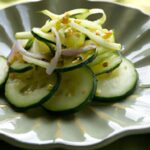
Present this vibrant vegetable fried rice right from the wok onto a warm platter. Top with fresh cilantro and a sprinkle of toasted sesame seeds for visual contrast and an added nutty crunch. Pair it with crisp cucumber salad or a side of tangy kimchi to balance the savory richness with a refreshing bite. For an elegant touch, garnish with thinly sliced red chili or a lemon wedge, offering an optional bright zing to the palate.

| Nutrient | per Serving (1 cup) |
|---|---|
| Calories | 290 kcal |
| Protein | 7 g |
| Carbohydrates | 45 g |
| Fat | 6 g |
For more on stir-fry techniques and wok care, check our Ultimate Guide to Wok Cooking. To dive deeper into mastering vegetables, this resource from Serious Eats offers excellent insights.
Q&A
Q&A: Savor the Flavor – Mastering perfect Vegetable Fried Rice
Q1: What makes vegetable fried rice different from other rice dishes?
A: Vegetable fried rice is a symphony of textures and flavors coming together in one pan. Unlike plain steamed rice or pilaf, it’s all about quick, high-heat cooking that crisps the rice grains lightly while infusing them with the savory essence of soy sauce, aromatics like garlic and ginger, and the vibrant crunch of fresh veggies. The focus is on balance-each bite should be colorful, flavorful, and satisfying.
Q2: What kind of rice should I use for the best fried rice?
A: The secret to perfect vegetable fried rice is using day-old, chilled rice.Freshly cooked rice is too moist and tends to clump, resulting in soggy fried rice. Leftover rice has dried out just enough to separate easily when tossed in the wok, ensuring those perfect individual grains. Jasmine rice or any long-grain rice works wonderfully for that ideal chewy yet fluffy texture.Q3: How can I elevate the flavor without overpowering the vegetables?
A: It’s all about layering and subtle seasoning.Start with aromatics like minced garlic, fresh ginger, and scallions sautéed in a hot wok. Add a splash of soy sauce, but balance it with a touch of sesame oil for nuttiness and a pinch of white pepper for mild heat. Avoid heavy sauces; let the natural sweetness and crispness of your vegetables shine through. A squeeze of lime or sprinkle of fresh herbs at the end can brighten and uplift the whole dish.
Q4: Which vegetables work best in vegetable fried rice?
A: Think color, crunch, and quick cooking. Carrots, peas, diced bell peppers, corn, and green beans are classic choices. Mushrooms add umami depth, while chopped spinach or bok choy introduce freshness. The key is to chop vegetables uniformly small so they cook evenly and retain just the right amount of bite without getting mushy.
Q5: Any tips for achieving that restaurant-style “wok hei” flavor?
A: The elusive “wok hei” or “breath of the wok” is all about high heat and fast cooking. Use a well-heated wok or nonstick skillet and keep your ingredients moving-stir-fry quickly to sear the rice and veggies without steaming. Use oil with a high smoke point like peanut or vegetable oil. Avoid crowding the pan; cooking in batches if needed helps maintain that signature smoky, slightly charred aroma.
Q6: Can I make vegetable fried rice vegan and still keep it rich in flavor?
A: Absolutely! Vegetable fried rice naturally lends itself to vegan cooking. Use vegetable broth or a dash of mushroom soy sauce for umami depth instead of fish sauce or oyster sauce. Nutritional yeast or toasted sesame seeds can add subtle richness and texture. Adding roasted nuts like cashews or almonds gives a wonderful crunch and a boost of protein.
Q7: how can leftover vegetable fried rice be repurposed?
A: Leftovers are a treasure! Reheat in a hot pan with a little sesame oil to revive the texture. You can also turn it into stuffed peppers,fold it into an omelet,or add it to a steaming bowl of miso soup for extra heartiness. The versatility makes vegetable fried rice a superb base for countless creative dishes.
Unlock these tips and tricks, and your vegetable fried rice won’t just be a side dish-it will be the star of your table, bursting with flavor, texture, and love in every bite!
Final Thoughts
As you close the lid on your wok and inhale the fragrant steam of your perfectly crafted vegetable fried rice, remember that this humble dish is more than just a quick meal-it’s a canvas for creativity and a party of vibrant, fresh ingredients. Mastering the art of vegetable fried rice means embracing the balance of textures, the harmony of flavors, and the simple joy of turning everyday vegetables into something exceptional. So next time you crave a satisfying, colorful dish that’s both comforting and nourishing, let your kitchen be your playground and your palate the guide.With each stir and sizzle, you’re not just cooking-you’re savoring the very essence of flavor perfected.