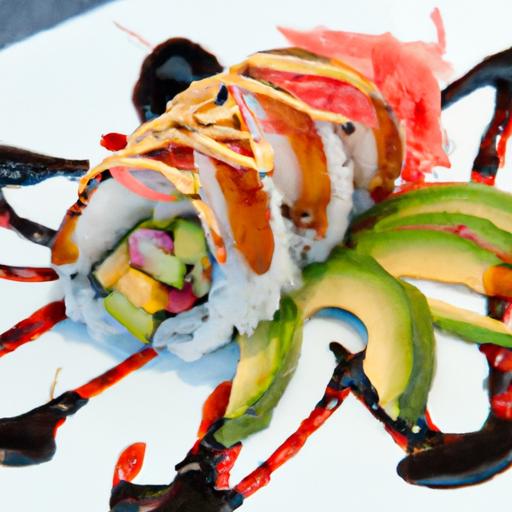


When it comes to sushi’s global takeover, few dishes have made as much of a splash as the California roll. behind its seemingly simple combination of crab, avocado, and cucumber lies a fascinating tale of culinary innovation, cultural fusion, and a dash of serendipity. This beloved roll didn’t just appear overnight; it emerged from the kitchens of visionaries who reimagined traditional sushi to suit new tastes and transformed an exotic delicacy into a mainstream sensation. Join us as we peel back the layers and delve into the story behind the california Roll-unraveling how this iconic sushi creation rolled its way from the shores of japan to become a symbol of creativity and cross-cultural connection on plates worldwide.
California Roll Unrolled brings you into the fascinating world where Japanese sushi artistry meets vibrant Californian innovation. This iconic sushi roll revolutionized how the West experienced sushi-transforming raw fish into accessible flavors and textures that everyone could enjoy. Originating in the 1960s and 70s, this roll embodied cultural fusion, blending traditional Japanese technique with American palate preferences, making it a beloved staple worldwide.
Prep and Cook Time
- Preparation: 25 minutes
- Assembly: 15 minutes
- Total Time: 40 minutes
Yield
This recipe makes approximately 8 sushi rolls, serving 4 hungry sushi enthusiasts.
Difficulty Level
Medium: perfect for adventurous home cooks ready to master the art of rolling sushi with ease and flair.
Ingredients that Define the California Roll Experience
- 2 cups sushi rice, rinsed and cooked
- 3 tablespoons rice vinegar
- 1 tablespoon sugar
- 1 teaspoon salt
- 10 sheets nori (seaweed)
- 8 ounces surimi (imitation crab sticks), shredded
- 1 ripe avocado, thinly sliced
- 1 cucumber, peeled, seeded, and julienned
- 2 tablespoons mayonnaise (optional, for creaminess)
- 1 tablespoon toasted sesame seeds
- Soy sauce, pickled ginger, and wasabi for serving
- Bamboo sushi rolling mat, wrapped with plastic wrap
Crafting the Perfect California Roll at Home
- Prepare the sushi rice: While the rice is warm, gently fold in rice vinegar, sugar, and salt. Spread it out on a wooden or plastic tray to cool to room temperature. This seasoned rice is the foundation of your roll’s subtle tang and stickiness.
- Set your rolling station: Place your bamboo mat on a flat surface, covered in plastic wrap to avoid sticking. Have your nori,fillings,and a bowl of water close at hand for moistening fingers.
- Assemble the roll: Lay one sheet of nori shiny side down on the mat. Wet your hands and evenly spread about ¾ cup of rice over the nori, covering the entire surface. Sprinkle evenly with sesame seeds to enhance texture and flavor.
- Flip the nori: Using the mat, gently invert the nori so rice is touching the mat and the nori is facing up. This is the hallmark of the inside-out style characteristic of California rolls.
- Layer the fillings: Across the near edge, arrange shredded surimi, avocado slices, cucumber sticks, and a light drizzle of mayonnaise if desired. Avoid overfilling to maintain structural integrity.
- Roll it up: Carefully lift the edge of the mat nearest to you, folding it over the fillings snugly. use gentle pressure to roll forward, keeping the shape tight but not crushed. Press the roll firmly once fully rolled and let it rest for a minute.
- Slice with care: Using a very sharp, wet knife, slice the roll into 6-8 equal pieces. Wetting the knife between cuts prevents sticking and ensures clean edges.
Tips for Success: chef’s Notes
- Use freshly cooked sushi rice chilled to near room temperature-warm rice will be too sticky and difficult to handle.
- Substitute fresh crab meat for surimi for a richer seafood flavor, or try smoked salmon for a creative twist.
- For a gluten-free version,swap regular soy sauce with tamari or liquid aminos.
- If rolling feels intimidating, practice shaping small hand rolls (temaki) first to build confidence.
- Make-ahead: Prepare the sushi rice and fillings up to 6 hours in advance and store separately, then assemble just before serving to keep textures vibrant.
Exploring Contemporary Twists on a Timeless classic
The California Roll continues to inspire innovative spins. Some choose spicy mayo or sriracha for an extra kick, others incorporate mango or cream cheese for creamy sweetness. Even tempura-fried California Rolls add a delightful crunch, making this original sushi roll a canvas for boundless creativity.
Serving Suggestions
Present your California Rolls elegantly on a rectangular platter, garnished with fresh shiso leaves or microgreens to add color and herbal brightness. Accompany with a trio of dipping sauces: traditional soy, pickled ginger for cleansing the palate, and a dab of wasabi for heat lovers. A side of seaweed salad or edamame elevates the meal, balancing textures and flavors beautifully.

| Nutrition per Serving | Calories | Protein | Carbs | Fat |
|---|---|---|---|---|
| California Roll (2 pieces) | 200 | 8g | 30g | 4g |
For more sushi inspirations, explore our rolls and Nigiri Recipes. To learn about sushi’s rich heritage, visit the Japan Guide’s sushi history page.
Q&A
Q&A: California Roll Unrolled: The Story Behind the Sushi Icon
Q: What exactly is a California roll?
A: The California roll is a type of sushi roll, or maki, that typically features cucumber, avocado, and crab meat (often imitation crab) wrapped inside seasoned rice and nori seaweed. What makes it distinctive-and approachable-is its inside-out style, with rice on the outside, often sprinkled with sesame seeds or tobiko (flying fish roe).Q: Why is the California roll considered an icon in sushi culture?
A: The California roll symbolizes the fusion of Japanese culinary art with north American tastes. it played a crucial role in popularizing sushi in the United States and beyond by adapting traditional sushi to local palates-demystifying raw fish and introducing familiar flavors like avocado, which was uncommon in Japanese cuisine.
Q: Who invented the California roll?
A: The origin story is debated, but most credit either Ichiro Mashita, a sushi chef in Los Angeles in the 1960s-70s, or hidekazu Tojo in Vancouver during the late 1970s. Mashita reportedly substituted avocado for fatty tuna, while Tojo is known for popularizing the inside-out roll to appeal to Western customers.
Q: Why was the roll made “inside out” with rice on the outside?
A: Sushi chefs flipped the roll to hide the nori seaweed inside, making it visually more inviting for people unfamiliar or squeamish about seaweed. This technique, known as uramaki, helped ease Western diners into the sushi experience by emphasizing the familiar rice texture.
Q: How did the California roll influence global sushi trends?
A: It sparked a wave of creative sushi rolls using diverse ingredients and presentations. California roll’s success showed that sushi didn’t have to be confined to raw fish or traditional styles-it could evolve. Today’s sushi menus worldwide frequently enough feature inventive rolls inspired by this playful,inclusive spirit.
Q: Is the California roll considered “authentic” sushi?
A: Authenticity in food is fluid. While the California roll is not traditional Japanese sushi, it is an authentic reflection of culinary innovation and cultural exchange. it honors sushi’s roots while embracing adaptation, illustrating how food evolves with culture.
Q: What’s the cultural significance of the California roll today?
A: It represents a bridge between east and West, a culinary ambassador that introduced many people to sushi. Beyond that, it embodies creativity, accessibility, and the joy of merging disparate flavors into one appetizing bite-a true icon unrolled on the world’s palate.
Closing Remarks
From humble beginnings as a daring fusion of East and West, the california Roll has unrolled its way into global sushi culture, bridging culinary worlds with each bite. this unassuming yet iconic creation reminds us that innovation often lies in blending tradition with imagination. As you savor its avocado-clad embrace or glimpse the crab’s delicate sweetness,you’re tasting more than a dish-you’re experiencing a story of cultural curiosity and creative spirit that continues to inspire sushi lovers everywhere. So next time you pick up a California Roll, remember: beneath its seaweed veil lies a rich tale of reinvention, proving that sometimes, the most unexpected combinations create the most unforgettable flavors.