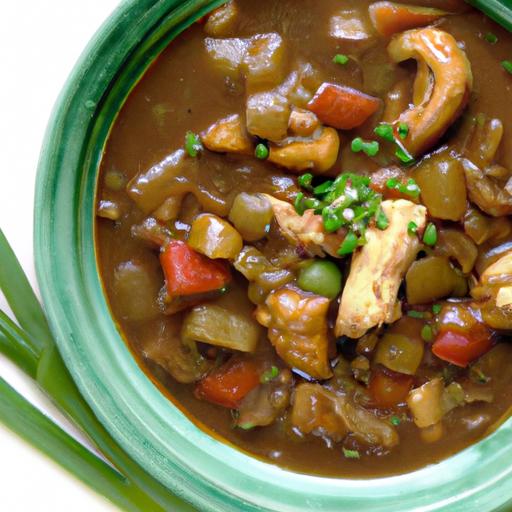

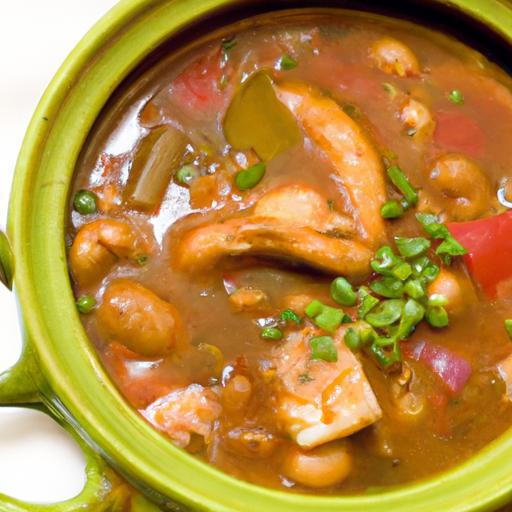
In the rich tapestry of Southern cuisine, few dishes embody the spirit and soul of the region like gumbo. This hearty stew, a vibrant medley of flavors and cultures, is more than just a meal-it’s a celebration of history, community, and comfort. From its roots in the bayous of Louisiana to the bustling kitchens of Southern homes, gumbo weaves together ingredients and traditions in a way that tells a story with every simmer. Join us as we dive into the heartwarming world of gumbo, uncovering how this iconic stew has come to define Southern flavor and why it continues to bring people together around the table.
Gumbo is more than just a stew-it’s a celebration of Southern culture, a melting pot of flavors born from centuries of tradition in the heart of Louisiana. This fragrant, savory dish carries the essence of the bayou with each spoonful, telling a story of Creole and Cajun heritage. From its roots in Native American,French,African,and Spanish culinary influences,gumbo brings together a symphony of textures and spices that warm the soul and satisfy the senses.
Prep and Cook Time
- Planning: 30 minutes
- Cooking: 1 hour 45 minutes
- total Time: 2 hours 15 minutes
Yield
- Serves 6-8 hearty portions
Difficulty Level
- Medium – Requires some patience with roux-making and layering flavors
Key Ingredients that Make Every Gumbo Burst with Flavor
- 1 cup all-purpose flour, sifted – the foundation for the roux
- 1 cup vegetable oil – to create that perfect, nutty roux
- 1 large yellow onion, finely diced
- 1 green bell pepper, chopped
- 3 stalks celery, chopped
- 4 cloves garlic, minced
- 1 quart chicken stock – homemade or low-sodium for depth
- 1 pound andouille sausage, sliced – smoky and spicy, a gumbo staple
- 1 pound boneless, skinless chicken thighs, cut into bite-sized pieces
- 1 teaspoon dried thyme
- 2 bay leaves
- ½ teaspoon cayenne pepper (adjust to taste)
- Salt and freshly ground black pepper, to taste
- 1 cup okra, sliced (optional)
- cooked white rice, for serving
- Fresh parsley and sliced green onions, for garnish
Step by step guide to Crafting the Perfect Gumbo at Home
- Prepare the Roux: In a large, heavy-bottomed pot over medium heat, whisk together the flour and vegetable oil. stir continuously for 15-20 minutes until the roux turns a rich,dark caramel color – similar to chocolate but not burned. This step is crucial, as the roux builds the gumbo’s deep flavor and signature thickness.
- Sauté the Trinity: Add the diced onion, bell pepper, and celery to the roux. Stir and cook for 5-7 minutes until softened and fragrant. Add the minced garlic and cook for 1 minute more, stirring frequently.
- Incorporate Proteins: add the sliced andouille sausage and chicken pieces. Stir well and cook for 5 minutes to let the meats brown slightly, releasing smoky and savory notes.
- Add Seasonings and Stock: sprinkle in thyme, bay leaves, cayenne pepper, salt, and pepper. Pour in the chicken stock slowly, stirring to combine. Bring to a boil,then reduce heat and let simmer gently for at least 1 hour,uncovered. This slow cooking melds flavors beautifully.
- Okra It Up: If using, stir in the sliced okra during the final 15 minutes of cooking.Okra acts as a natural thickener and adds a slight earthy sweet note.
- Final Seasoning: Taste and adjust seasoning before serving. remove bay leaves.
- Serve Over Rice: Spoon steaming gumbo over a bed of fluffy white rice. garnish generously with chopped fresh parsley and green onions to brighten the rich stew.
Expert Tips for Serving and pairing Gumbo Like a True Southerner
To truly embody the spirit of Southern hospitality, serve gumbo in deep bowls alongside crusty French bread or cornbread for dipping. Pair with an ice-cold glass of sweet tea or a bold local craft beer to refresh the palate. For a final touch, add a hot sauce on the side-Louisiana’s own is ideal-to customize the heat to each guest’s liking.
Chef’s Notes: Tips for Success
- Roux Patience: The key to authentic gumbo is a deeply caramelized roux. Don’t rush – stirring constantly prevents burning and ensures a smooth texture.
- Protein Flexibility: Swap chicken with shrimp or crab for a seafood gumbo twist, adding seafood in the last 10 minutes to avoid overcooking.
- Make-Ahead: gumbo tastes even better the next day as flavors deepen; cool completely and refrigerate for up to 3 days or freeze large batches for convenience.
- Okra Substitute: If fresh okra isn’t available, sliced frozen okra or filé powder (ground sassafras leaves) can be used to thicken and add unique flavor.
- Spice It Up: Adjust cayenne and hot sauce carefully to balance heat without overpowering the gumbo’s complex aroma.
Nutritional Information
| Nutrient | Per Serving |
|---|---|
| Calories | 350 kcal |
| Protein | 28 g |
| Carbohydrates | 15 g |
| Fat | 18 g |

For those inspired to explore more Southern classics, check out our Jambalaya recipe – an equally hearty and flavorful dish. To deepen your understanding of gumbo’s rich history, the Smithsonian Magazine’s definitive guide provides a engaging look at its cultural roots.
Q&A
Q&A: Gumbo – The Heartwarming Stew That Defines Southern Flavor
Q1: What exactly is gumbo?
A: Gumbo is a rich, hearty stew that hails from the vibrant culinary traditions of the American south, particularly Louisiana. It’s a soulful blend of bold spices, fresh vegetables, meats or seafood, and a thick, flavorful base frequently enough created by a dark roux. Gumbo is more than just a dish-it’s a celebration of community and culture,served bubbling hot and brimming with Southern spirit.
Q2: Where did gumbo originate?
A: Gumbo’s roots are a melting pot of cultures, reflecting the rich history of the gulf Coast. It’s a fusion of West African, French, Spanish, and Native American influences. The dish evolved through centuries, beginning as a simple stew enriched by the unique local ingredients and cooking styles from these diverse communities.
Q3: What are the key ingredients that make gumbo so distinctive?
A: Gumbo’s magic lies in its combination of the “Holy Trinity” of Southern cooking: onions,bell peppers,and celery. Add to that aromatic garlic, earthy okra or filé powder (ground sassafras leaves) for thickening, and protein choices such as andouille sausage, chicken, shrimp, or crab. The deep, nutty roux and bold spices like cayenne and thyme tie everything together with a warm, comforting flavor.Q4: How is gumbo traditionally prepared?
A: Preparation starts with making a roux-a careful, slow cooking of flour and fat until it reaches a rich brown color, which imparts gumbo’s signature depth. Then the Holy Trinity is sautéed until tender. Next come the proteins and stock, simmered patiently to meld the flavors. Okra or filé powder is added toward the end for texture and subtle earthiness. Gumbo is typically served over fluffy white rice, making every spoonful satisfyingly complete.
Q5: Why is gumbo considered the “heart” of Southern cooking?
A: Gumbo embodies the Southern values of hospitality, tradition, and resourcefulness. It’s a dish born from bringing together diverse ingredients-and people-around a single pot. Every family, every cook, has their own version, making it a conversation starter and comfort food rolled into one. In essence, gumbo is the edible story of Southern life: warm, complex, and always inviting.
Q6: Can gumbo be adapted for modern or dietary preferences?
A: Absolutely! While traditional gumbo highlights sausage, seafood, and roux, modern twists welcome vegetarian versions with mushrooms or plant-based proteins and gluten-free roux alternatives. The stew’s foundational technique and flavor profile are flexible, allowing cooks to honor tradition while adapting to contemporary tastes and dietary needs.
Q7: how should gumbo be enjoyed for the best experience?
A: The best gumbo is savored slowly,hot from the pot,ideally shared with friends and family around a lively table. Pair it with crusty French bread or a side of cornmeal-based dishes to soak up every last drop.Because gumbo’s flavors deepen over time, leftovers are often even better-a testament to the dish’s enduring warmth and soul.
Final Thoughts
As the last spoonful of gumbo warms the soul and the kitchen fills with lingering aromas, it becomes clear that this hearty stew is far more than just a meal. Gumbo is a vibrant tapestry of history, culture, and community-each ingredient a story, every simmer a celebration. From its Creole roots to the lively bayous of Louisiana,gumbo embodies the spirit of the South: resilient,diverse,and richly flavorful. So next time you gather with friends or family, let a steaming pot of gumbo remind you of the heart and heritage that define Southern flavor, turning simple ingredients into something truly unusual.