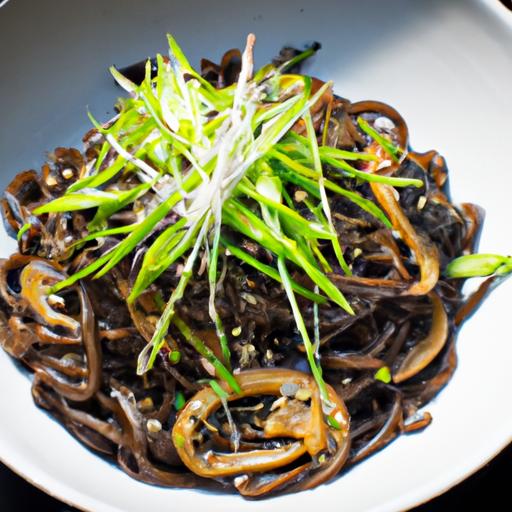




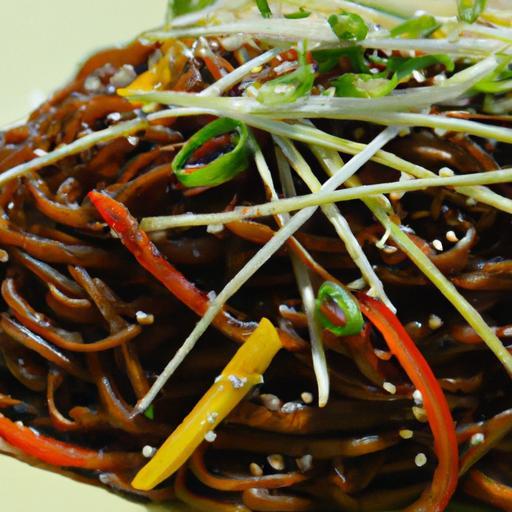
In the vibrant tapestry of Korean cuisine, few dishes capture the essence of comfort and tradition quite like Black Bean Noodles, or jajangmyeon. This humble bowl, draped in a rich, savory black bean sauce, tells a story that weaves together history, culture, and bold flavors in every bite.Beyond its satisfying taste lies a fascinating journey-from its roots in Chinese culinary influence to its beloved status as a Korean household favorite. Join us as we dive into the world of Black Bean Noodles, exploring the ingredients, techniques, and tales that make it a flavorful gateway into the heart of Korea’s dynamic food landscape.
Black bean noodles, or jajangmyeon, offer an amazing window into Korea’s rich culinary heritage, blending bold flavors and illustrative storytelling on a single plate. Rooted in the fusion of Korean and Chinese immigrant influences during the early 20th century, this beloved dish has evolved into a cultural icon-celebrated for its deep, savory black bean sauce and comforting noodles. Every bite delivers a harmony of fermented black bean paste, tender pork, and fresh vegetables that effortlessly captivates the senses and evokes communal dining experiences across Korea.
Prep and Cook time
- Planning: 20 minutes
- Cooking: 25 minutes
- Total: 45 minutes
Yield
Serves 4 generous portions
Difficulty Level
Medium – Accessible for eager home cooks looking to master authentic Korean flavors
Ingredients
- 300g fresh wheat noodles (or substitute with dried jajangmyeon noodles)
- 200g pork shoulder, finely diced
- 1 medium onion, diced
- 1 medium zucchini, diced
- 1/2 cup potato, peeled and diced (optional for added texture)
- 3 tbsp chunjang (Korean black bean paste)
- 2 tbsp vegetable oil
- 1 tbsp sugar
- 2 cups water or chicken broth
- 1 tbsp cornstarch mixed with 3 tbsp water (slurry)
- 2 cloves garlic, minced
- 1 tsp sesame oil
- 1 green onion, chopped for garnish
- Pickled radish (danmuji) for serving
Instructions
- Prepare the noodles: Cook the noodles according to package instructions until al dente. Drain, rinse under cold water to stop cooking, and set aside. Toss lightly with a few drops of oil to prevent sticking.
- Sauté aromatics and meat: In a large pan or wok, heat vegetable oil over medium-high heat. Add minced garlic and diced pork; sauté until the pork is browned,about 5 minutes.
- Cook vegetables: Add diced onion, zucchini, and potato to the pan. Stir-fry for another 5 minutes, allowing the vegetables to soften and caramelize slightly.
- add black bean paste: Lower heat to medium. Add chunjang to the pan; stir constantly to toast the paste lightly-this removes bitterness and deepens flavor (about 2 minutes).
- Create the sauce: Pour in the water or chicken broth, add sugar, and stir to combine. Bring to a gentle simmer and cook for 10 minutes, allowing the sauce to thicken and ingredients to meld beautifully.
- Thicken the sauce: Slowly add cornstarch slurry while stirring continuously. cook for 2-3 minutes until the sauce thickens to a glossy consistency that clings to the noodles.
- Finish and serve: Stir in sesame oil for a nutty aroma. Dish out the noodles onto plates and generously ladle the black bean sauce on top.
- Garnish: Sprinkle chopped green onion and serve with crunchy pickled radish on the side to balance the rich flavors.
Chef’s Tips for Success
- Vegetable Variations: Feel free to add shiitake mushrooms or diced carrots for additional layers of texture and sweetness.
- Substitutions: For a vegetarian twist, replace pork with firm tofu or mushrooms and use vegetable broth.
- Make-ahead: The black bean sauce can be prepared up to two days in advance and reheated gently.
- Prevent noodles from sticking: after rinsing, tossing noodles with a little sesame oil keeps them delectably separate.
- Balancing Saltiness: Adjust the amount of black bean paste depending on its saltiness; homemade or artisan pastes may be less salty than store-bought.
Serving Suggestions
Serve black bean noodles hot with a side of danmuji (yellow pickled radish)-the crisp, tangy contrast refreshes the palate beautifully. Complement the dish with simple kimchi varieties or a cold cucumber salad for a bright, crunchy counterpoint. Pair with Korean fried chicken or a light seafood pancake (haemul pajeon) for a festive meal. Visually, a sprinkle of vibrant green onions and a few sesame seeds atop the glossy black sauce add the perfect finishing touch, inviting your guests to dive in.

Nutritional Information Per Serving
| Calories | Protein | Carbohydrates | Fat |
|---|---|---|---|
| 450 kcal | 22g | 55g | 12g |
To explore related traditional Korean noodle dishes, see our article on Classic Korean Noodle recipes. For a deeper look at the history of jajangmyeon and Korean cuisine,visit the official Korea cultural affairs page.
Q&A
Q&A: Black Bean Noodles – A Flavorful Journey into Korean Cuisine
Q1: What exactly are black bean noodles?
A1: Black bean noodles, known as Jajangmyeon in Korean, are a beloved noodle dish featuring chewy wheat noodles smothered in a rich, savory black bean sauce. This sauce is made from chunjang-a fermented black soybean paste-combined with pork or beef, diced vegetables, and sometimes seafood. The dish strikes a beautiful balance between deep umami flavors and a comforting, hearty texture.
Q2: Where did black bean noodles originate?
A2: Black bean noodles have their roots in Chinese cuisine,notably from the Shandong province. They were introduced to Korea in the early 20th century and quickly gained popularity. Over time, Koreans adapted the dish, adding local ingredients and tweaks to create the unique, flavorful Jajangmyeon known today-a perfect example of culinary fusion and cultural exchange.
Q3: What makes the black bean sauce so special?
A3: The magic lies in the black bean paste (chunjang), which is more than just a condiment; it’s a fermented umami powerhouse. When stir-fried with garlic, onions, pork, and vegetables, it transforms into a thick, glossy sauce with a slightly sweet, earthy, and mildly bitter profile that tantalizes your taste buds with every bite.
Q4: Is black bean noodles a daily meal or reserved for special occasions in Korea?
A4: While it can definitely be enjoyed any day, Jajangmyeon holds a special place in Korean culture as a comfort food and a go-to for casual celebrations. it’s often associated with occasions like “Black Day,” a whimsical Korean holiday where singles gather to feast on black bean noodles together. It’s the perfect comforting dish to share with friends or family after a long day.
Q5: Can black bean noodles be made vegetarian or vegan?
A5: Absolutely! Though traditional recipes use pork or beef, vegetarian versions substitute mushrooms, tofu, or seitan to provide that hearty texture. The sauce’s bold flavor is naturally rich enough to stand on its own,so you can easily enjoy a plant-based Jajangmyeon without losing any of the comforting depth.
Q6: How is black bean noodles typically served?
A6: Black bean noodles are typically served piping hot, garnished with crunchy cucumber strips or sprouts for freshness and texture contrast. Sometimes, a side of pickled radish (danmuji) accompanies the dish, offering a tangy, crisp complement to the savory sauce. It’s a harmonious marriage of flavors and textures designed to delight.
Q7: What makes black bean noodles a must-try for those exploring Korean cuisine?
A7: Jajangmyeon invites you into the rich tapestry of Korean food culture with its intriguing fusion origins and universally comforting taste. It’s a dish that’s both approachable for newcomers and deeply satisfying for seasoned food lovers-a flavorful journey through history, culture, and culinary craftsmanship in every slurp.
Closing Remarks
As we conclude our flavorful journey into the world of Black Bean Noodles, it’s clear that this humble dish is much more than just a meal-it’s a vibrant tapestry of Korean culture, history, and culinary artistry. From its rich, savory sauce to the satisfying chew of the noodles, Jajangmyeon invites us to explore the harmonious blend of flavors that have captured hearts both in Korea and beyond. Weather enjoyed as a comforting weekday dinner or a celebratory feast, Black Bean noodles remind us that food is a tasty bridge connecting tradition and innovation, community and individuality. So next time you crave something hearty yet nuanced, let this iconic dish lead you on your own flavorful journey into korean cuisine.