


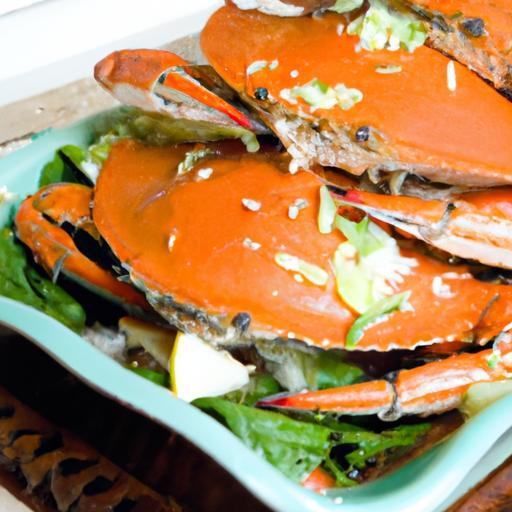
In the vibrant underwater world of red claw crabs, nutrition is the secret ingredient that transforms a simple aquatic habitat into a thriving ecosystem. These engaging crustaceans,with their striking crimson pincers and curious nature,rely on a balanced diet to maintain their vitality,color,and overall health.But feeding red claw crabs isn’t as straightforward as tossing in random bits of food; it requires understanding their unique nutritional needs and natural feeding habits. Whether you’re a seasoned aquarist or a curious beginner, this guide will dive deep into the essential dietary tips needed to keep yoru red claw crabs active, healthy, and glowing with life. Let’s unlock the secrets to vibrant health and longevity for these captivating creatures, one nutritious bite at a time.
Essential Nutrients to Include in Your Crab’s Daily Diet
Feeding Red Claw Crabs with the right balance of nutrients is the foundation for their vibrant health and rapid growth. These fascinating creatures thrive when their dietary needs are met with a combination of proteins,vitamins,minerals,and fiber-rich components.It’s not just about feeding; it’s about nourishing their exoskeleton, supporting their immune system, and encouraging energetic activity.
Their diet must be rich in high-quality protein from sources like fish meal, shrimp, or algae, which helps build strong muscle and healthy claw growth.Calcium and magnesium are indispensable minerals for exoskeleton molting and regeneration, ensuring that your crab’s shell grows tough and resilient.Additionally, carotenoids from natural ingredients such as spirulina or powdered krill enhance the luminous red-orange hues for which Red Claw Crabs are beloved.
Crafting Balanced homemade Meals for Vibrant Claw Health
Creating a conscientious homemade meal not only ensures your crabs enjoy freshness but also lets you control each critical nutrient component. Try blending lean protein sources like cooked fish flakes or brine shrimp with finely chopped vegetables such as spinach and zucchini, and a sprinkle of powdered calcium carbonate or crushed eggshells for mineral reinforcement. This combination simulates the varied diet crabs encounter in the wild and promotes balanced growth.
Here’s a simple but nutrient-rich recipe crafted to fuel optimal development and coloration in your Red Claw Crabs:
Prep and Cook Time
- Prep Time: 15 minutes
- cook Time: 5 minutes (optional for protein cooking)
Yield
- Serves: Approximately 10-15 crabs per feeding session
Difficulty Level
- Easy
Ingredients
- 1/2 cup cooked white fish flakes (boneless,skinless)
- 1/4 cup cooked brine shrimp (chopped finely)
- 2 tbsp finely chopped spinach (fresh or frozen,thawed)
- 2 tbsp grated zucchini
- 1 tsp spirulina powder
- 1 tsp crushed eggshell powder (for calcium)
- 1/2 tsp powdered krill
- 1 tsp gelatin powder (to bind the mixture; optional)
- 1 tbsp water (to adjust consistency)
Instructions
- Prepare Protein base: If using raw fish or shrimp,steam or lightly sauté until opaque,about 3-5 minutes. Allow to cool fully.
- Mix Ingredients: In a mixing bowl,combine fish flakes,chopped brine shrimp,spinach,zucchini,spirulina,krill powder,and crushed eggshell powder.
- Add Gelatin (Optional): Dissolve gelatin powder in 1 tbsp warm water, then stir into the mixture to help form firm morsels that reduce mess.
- Form Small Patties: Using wet hands, shape the mixture into pea-sized balls or small patties that your crabs can easily consume.
- Refrigerate: Chill for 30 minutes to firm up (if using gelatin). Otherwise, serve immediately.
- Serve Fresh: Place the homemade bites in a feeding dish inside the crab habitat. Remove uneaten portions after 2 hours to maintain water quality.
Chef’s Notes
- Protein Substitutions: You can swap fish flakes for finely chopped clams, mussels, or even commercial crab pellets for variety.
- Vegetable Variations: Kale, swiss chard, or spirulina-rich algae powders work well to boost vitamin intake.
- calcium Sources: For a natural boost, crushed coral sand or powdered oyster shell may be added cautiously.
- Storage Tip: These homemade bites can be frozen in airtight containers for up to a week. Defrost before feeding.
- Note on Gelatin: If you prefer a dry alternative, omit the gelatin and offer the mixture freshly chopped.
Serving Suggestions
Present these vibrant crab bites in a shallow,wide dish placed on the substrate level of your tank to encourage natural foraging behavior. Garnish the serving area with fresh aquatic plants like Java moss or floating duckweed to create a more natural habitat and encourage exploration. Regularly rotating between homemade meals and top commercial foods ensures a well-rounded diet, emphasizing variety and enrichment.
Top Commercial Foods and Supplements to Boost Your Crab’s Vitality
While crafting homemade meals is a rewarding approach, supplementing with high-quality commercial crab foods adds vital vitamins and nutrients to your Red Claw Crab’s diet. Look for pellets enriched with calcium, astaxanthin (a natural pigmenter), and probiotics designed to support digestion and immunity. Popular brands include Hikari Crab Cuisine and Zoo Med’s Crustacean Carnivore formula.
Additionally, specialized supplements like liquid calcium boosters or algae powders can be sprinkled onto regular feedings to further enhance vitality and shell brightness. Always introduce new supplements gradually to monitor any reactions and maintain a clean surroundings by removing uneaten food promptly.
| Nutrient | Role | Source |
|---|---|---|
| Protein | Muscle growth, energy | Fish flakes, brine shrimp |
| Calcium | Exoskeleton strength | Eggshell powder, oyster shell |
| Carotenoids | Shell coloration | Krill powder, spirulina |
| Fiber | Digestive health | Leafy greens, zucchini |
For in-depth information on crustacean nutrition, you can visit the Aquarium Coop’s guide on crab diets to complement your knowledge and care techniques.
Remember, consistent, nutrient-rich meals encourage vibrant, active Red Claw Crabs with strong, colorful claws that truly shine.

Q&A
Q&A: Feeding Red Claw Crabs – Nutritional Tips for Vibrant Health
Q1: What makes a balanced diet essential for red claw crabs?
A1: Just like tiny underwater adventurers, red claw crabs need a diverse and balanced diet to fuel their energy, maintain bright coloration, and support healthy molting. A variety of nutrients ensures their claws stay strong and their shells vibrant, making them the lively spectacle of your aquatic world.
Q2: What are the staple foods for red claw crabs?
A2: Think of red claw crabs as omnivorous connoisseurs-they thrive on a mix of plant and animal matter.High-quality sinking pellets designed for crabs or bottom feeders provide a solid nutritional foundation. Supplement their meals with blanched vegetables like zucchini or spinach, and protein treats such as bloodworms, brine shrimp, or finely chopped fish to keep them satisfied and healthy.
Q3: How often should I feed my red claw crab?
A3: Less can sometimes be more.Feeding your crab once a day is generally sufficient-offer a modest portion they can finish within a couple of hours. Overfeeding not only pollutes the tank but can lead to obesity and health problems for your crustacean buddy.
Q4: Can red claw crabs eat live food?
A4: Absolutely! Live foods like small snails or daphnia stimulate natural hunting behaviors and provide excellent nutrition. They’re like little gourmet snacks that encourage your crab’s agility and vitality.
Q5: Are there any foods to avoid giving red claw crabs?
A5: Yes-stay clear of processed human foods, anything salty, or toxic plants. Also, avoid feeding them too much protein at once, as an imbalanced diet can lead to shell deformities or molting complications. Remember, nature’s variety is the key!
Q6: How does diet influence the molting process in red claw crabs?
A6: Molting is a critical phase where your crab sheds its old shell to grow larger.A diet rich in calcium and minerals, along with vitamins from greens and protein sources, supports strong new shell formation. Inadequate nutrition can result in sluggish molts or health setbacks.
Q7: Can I provide calcium supplements for my red claw crab?
A7: Yes! Offering crushed cuttlebone or calcium-rich mineral blocks encourages them to nibble on these natural supplements,promoting robust shell health and accomplished molts. Calcium is the architectural marvel behind their bright, hard exoskeleton.
Q8: How can I tell if my red claw crab is getting proper nutrition?
A8: A well-fed crab displays vibrant red claws, active behavior, and smooth molting cycles. If your crab appears lethargic, loses color, or struggles to molt, it might potentially be a sign to reassess its diet and environment.
By embracing a mindful approach to feeding, you’re not just nourishing a pet-you’re sustaining a miniature marvel of aquatic life, ensuring your red claw crab thrives with health and color that dazzle.
Future Outlook
Feeding your red claw crabs with care and intention is more than just a routine-it’s a journey toward vibrant, thriving health for these fascinating crustaceans. By balancing their diverse dietary needs with fresh, nutrient-rich foods, you pave the way for strong shells, energetic movements, and a zestful life beneath the water’s surface. Remember, a well-fed red claw crab is not only a picture of vitality but also a captivating companion in your aquatic world. So dive into the art of thoughtful feeding, and watch your little crustacean friends flourish with every bite!