

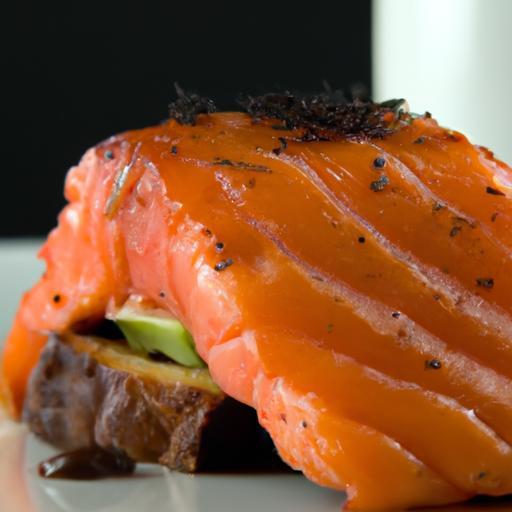
There’s a smoky allure to salmon that has enchanted palates for centuries,yet not all smoked salmon is created equal. From the delicate whispers of cold-smoked slices to the rich, robust embrace of hot-smoked fillets, each method weaves its own story of flavor, texture, and tradition. In this exploration, we’ll dive beneath the surface of the briny waters and charred woodchips to uncover what truly sets smoked salmon and hot-smoked salmon apart-inviting you to savor their unique qualities and the cultural heritage that has shaped these timeless culinary delights.
Smoked Salmon vs. Hot Smoked: Taste, Texture & Traditions
Exploring the nuances of smoked salmon vs. hot smoked varieties offers a delightful journey into flavors, textures, and culinary heritage. Whether you’re drawn to the silky, delicate slices of cold smoked salmon or the rich, flaky warmth of hot smoked salmon, understanding what sets them apart helps you elevate your dishes and pairings with confidence and creativity.
Prep and cook Time
- Planning: 10 minutes
- Cold Smoking Process: 12-24 hours (plus curing time)
- Hot Smoking Process: 2-3 hours
- Total Active Cooking Time: Approximately 30 minutes
Yield
Serves 4-6 as an appetizer or main component in a dish
Difficulty Level
Medium – Requires patience and precise temperature control but yields notable results
Ingredients
- 2 lbs (900 g) fresh salmon fillet, skin on, pin bones removed
- ¾ cup coarse sea salt
- ¾ cup granulated sugar
- 2 tbsp freshly cracked black pepper
- 1 tbsp dried dill or fresh dill sprigs (optional)
- Wood chips – alder, applewood, or cherry wood preferred
- Lemon wedges and fresh herbs for serving
Instructions
- Prepare the curing mix: In a bowl, combine sea salt, sugar, black pepper, and dill if using. This blend balances sweetness, saltiness, and aromatic depth essential for both smoking techniques.
- Cure the salmon: Rub the curing mix evenly over the salmon fillet, then wrap tightly in plastic wrap. Refrigerate for 12 to 24 hours to draw out moisture and intensify flavor.
- Rinse and dry: After curing, gently rinse off the cure under cold water and pat the salmon dry with paper towels. Allow it to air dry on a rack in the fridge for 1-2 hours until a tacky pellicle forms-this ensures perfect smoke adhesion.
- Cold smoking method: Set your smoker or smoking chamber to a low temperature between 68°F-86°F (20°C-30°C). Smoke the salmon for 12-24 hours using mild wood chips like alder for a silky, translucent texture and delicate smoky aroma. Maintain consistent airflow to avoid overheating.
- Hot smoking method: Preheat your smoker to 120°F-150°F (49°C-65°C). Smoke the salmon for 2-3 hours until it reaches an internal temperature of 145°F (63°C). This imparts a flaky, moist texture with robust, smoky richness perfect for heartier dishes.
- Cool and store: Once smoked, allow salmon to cool entirely.Vacuum-seal or wrap tightly for up to 7 days refrigerated or freeze for longer storage.
Chef’s Notes: Tips for Success
- The curing step is non-negotiable-it preserves texture and balances flavor across both smoked salmon vs. hot smoked preparations.
- Pellicle formation is key: the thin, sticky surface helps smoke penetrate evenly and develop a gorgeous outer sheen.
- Choose fresh, high-quality salmon-wild Alaskan or Scottish salmon provide optimal fat content for creamy mouthfeel in cold smoked salmon, while farmed Atlantic salmon suits hot smoking better due to its firmer flesh.
- Experiment with wood types; applewood offers sweetness, while alder enhances mildness without overpowering delicate fish flavors.
- For a vibrant presentation, garnish cold smoked salmon with capers, finely chopped red onion, crème fraîche, and fresh dill. hot smoked salmon pairs beautifully with mustard-dill sauce or creamy horseradish.
- Allow smoked salmon to reach room temperature before serving to fully appreciate its complex flavors.
Serving Suggestions
Cold smoked salmon excels thinly sliced atop brioche toasts or bagels, crowned with crème fraîche, pickled onions, and sprigs of dill for brunch or elegant appetizers. Hot smoked salmon’s flaky, warm texture makes it ideal for hearty salads, pasta dishes, or decadent salmon spread mixed with cream cheese and fresh herbs.
Pair your smoked salmon with crisp white wines like Sauvignon Blanc or sparkling rosé to balance the rich smokiness or try a dark rye bread and butter to complement classic Nordic traditions.
| Nutritional Details per serving | Calories | protein | Carbs | Fat |
|---|---|---|---|---|
| Cold Smoked Salmon (3 oz) | 100 | 15 g | 0 g | 4 g |
| Hot Smoked Salmon (3 oz) | 130 | 17 g | 0 g | 6 g |
For further inspiration and recipes, explore our detailed guide on grilled salmon recipes. To deepen your understanding of smoking techniques, the Food Network’s Smoking 101 offers excellent professional insights.

Q&A
Q&A: Smoked Salmon vs. Hot Smoked – Taste, Texture & Traditions Unveiled
Q1: What’s the basic difference between smoked salmon and hot smoked salmon?
A1: At its core, the difference lies in temperature. Traditional smoked salmon-often called cold smoked-is cured and smoked at low temperatures (usually below 90°F or 32°C), gently infusing the fish with smoky flavors while keeping its silky, raw-like texture. Hot smoked salmon is smoked at higher temperatures (around 120-180°F or 49-82°C), which cooks the fish fully, resulting in a flaky, firm texture reminiscent of cooked fish with a robust smoky character.
Q2: How do these differing smoking methods affect taste?
A2: Cold smoked salmon delivers a delicate, nuanced smokiness that complements the fish’s naturally buttery and slightly sweet flavor. It’s subtly complex, almost ethereal on the palate. Hot smoked salmon, on the other hand, boasts a bolder, earthier smoky profile, often richer and heartier. The cooking process caramelizes the natural oils, adding a savory depth that pairs well with stronger accompaniments.
Q3: What about the texture? How can you tell them apart by feel?
A3: Texture is a dead giveaway. Cold smoked salmon feels silky, tender, and almost supple-akin to sashimi or gravlax-gliding smoothly on your tongue. Hot smoked salmon, being cooked, flakes easily like a roasted salmon fillet, with a firmer bite and a satisfying pull-apart quality.Q4: Are there traditional dishes or cultural uses unique to each type?
A4: Absolutely! Cold smoked salmon has strong roots in Scandinavian and British cuisines, cherished in delicate dishes like smoked salmon blinis, bagels with cream cheese, or served thinly sliced with capers and dill. Hot smoked salmon shines in rustic settings-think chowders, hearty salads, or simply served alongside roasted veggies. In the American Pacific Northwest,hot smoked salmon often appears grilled or incorporated into robust fare honoring Native American traditions.
Q5: Which pairs better with wine or other beverages?
A5: Cold smoked salmon pairs exquisitely with crisp whites like Sauvignon Blanc or Champagne, the acidity cutting through its natural oils and enhancing subtle smokiness. Hot smoked salmon’s deeper flavor stands up well to fuller-bodied whites like Chardonnay or even light reds such as Pinot Noir, plus malty beers like amber ales that match its heartiness.
Q6: Can you substitute one for the other in recipes?
A6: It depends on the dish. If you need the silky texture and delicate smoke-such as in sushi or canapés-cold smoked reigns supreme. For warm dishes or recipes that require cooked fish, hot smoked is the better choice. They’re cousins, not twins!
Q7: How do you store and serve each to maximize freshness and flavor?
A7: Both types keep best refrigerated, wrapped tightly to avoid drying out. Cold smoked salmon is marvelous served chilled or at room temperature, while hot smoked salmon is versatile-great cold in salads or gently warmed. Always bring cold smoked to room temp before serving to unlock its full flavor bouquet.
Q8: Any fun facts about the smoking traditions?
A8: Smoking salmon is an ancient art, dating back millennia as a preservation method. Indigenous peoples of the Pacific Northwest perfected hot smoking over open fires, a communal ritual blending sustenance with storytelling. simultaneously occurring, cold smoking evolved in northern Europe as a delicate craft, frequently enough linked to festive moments and fine dining.
whether you’re chasing silky elegance or smoky heartiness, understanding smoked versus hot smoked salmon enriches both your palate and your gratitude for these iconic fish tales. Next time you indulge, savor not just the flavor-but the centuries of tradition behind it.
In Conclusion
Whether you lean toward the silky, delicate allure of cold-smoked salmon or the rich, flaky warmth of hot-smoked varieties, both honor centuries of tradition and craftsmanship. Each bite tells a story-not just of flavor and texture, but of regional heritage and artisanal dedication. By understanding the subtle nuances between smoked salmon and hot-smoked preparations, you can appreciate the smoky symphony that elevates this beloved fish from simple sustenance to culinary art. So next time you’re faced with the choice, savor the knowledge behind the smoke-and let your palate be the ultimate judge.