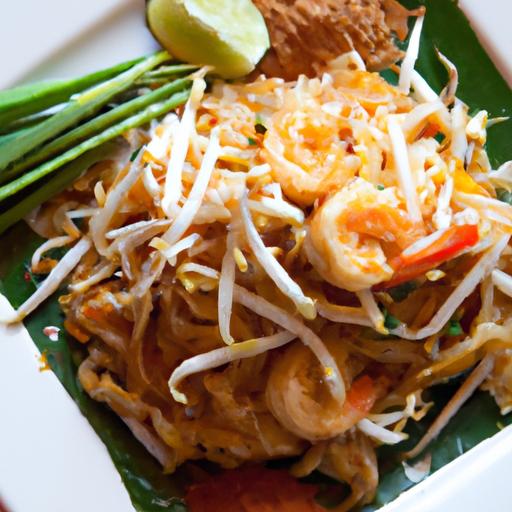


In the bustling streets of Bangkok, beneath the flickering glow of neon signs and the sizzle of street-side woks, lies a culinary treasure that has captivated taste buds worldwide: Pad Thai. More than just a popular noodle dish, Pad Thai is a vibrant tapestry woven from history, culture, and flavors that tell the story of Thailand itself. From humble street food origins to international acclaim, this iconic dish embodies the spirit of Thai cuisine-bold, balanced, and brimming wiht character. Join us as we unwrap the rich narrative behind Pad Thai, exploring its roots, evolution, and the secrets that make it a timeless classic on plates around the globe.
Pad Thai Unwrapped: The Story Behind thailand’s Iconic Dish reveals the vibrant fusion of flavors and traditions that have shaped this beloved street food treasure. Rooted deeply in Thailand’s culinary history, Pad Thai’s journey from humble origins to worldwide fame is as colorful as the dish itself.
Prep and Cook Time
- Prep Time: 15 minutes
- Cook Time: 10 minutes
- Total Time: 25 minutes
Yield
- Servings: 4 generous portions
Difficulty Level
- Medium – perfect for home cooks looking to explore authentic Thai flavors with confidence
Key Ingredients and Techniques That Define Authentic Pad Thai
Authentic Pad Thai is a harmonious blend of sweet, sour, salty, and umami. The foundation rests on thin rice noodles stir-fried with a tangy, balanced sauce made from tamarind paste, fish sauce, and palm sugar. Additions like fresh garlic,dried shrimp,crushed peanuts,and firm tofu bring texture and depth,while a speedy wok toss over high heat ensures that beautifully charred “wok hei” or “breath of the wok” that defines expert Thai cooking.
Cultural Significance and Variations Across Thailand
While Pad Thai is often seen as Thailand’s national dish,its modern popularity dates back to the mid-20th century when it was promoted as a symbol of national identity during economic reforms. Regional variations abound: in the central plains, it’s typically sweeter; southern versions favor spicier notes, sometimes incorporating fresh seafood; and in northern Thailand, adapted recipes may use rice vermicelli rather of flat noodles. These regional takes showcase Thailand’s diverse culinary landscape.
Tips for Crafting the Perfect pad Thai at Home
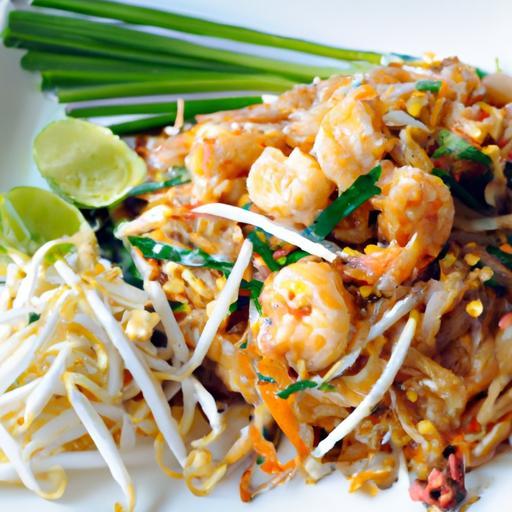
Mastering Pad Thai begins with ingredient preparation. Soak the rice noodles just until pliable-over soaking leads to mushy strands. Use high heat and a seasoned wok to quickly sear ingredients without steam, preserving texture and layering flavors. Balance your sauce carefully: start with a base of tamarind, fish sauce, and palm sugar, then adjust for personal preference. For that professional touch, garnish with fresh lime wedges, extra crushed peanuts, and fragrant bean sprouts.
Ingredients
- 8 oz dried flat rice noodles, 1/4 inch wide
- 2 tbsp tamarind paste, dissolved in 3 tbsp warm water
- 3 tbsp fish sauce
- 1 1/2 tbsp palm sugar or light brown sugar
- 2 tbsp vegetable oil or peanut oil
- 3 cloves garlic, minced
- 2 large eggs
- 6 oz firm tofu, cut into small cubes
- 1/4 cup dried shrimp, rinsed
- 1 cup fresh bean sprouts
- 3 green onions, chopped (white and green parts separated)
- 1/4 cup crushed roasted peanuts
- 1 lime, cut into wedges
- Optional: 1/2 tsp chili flakes for heat
Instructions
- Prepare noodles: Soak the dried rice noodles in warm water for 20 minutes or until pliable but still firm. Drain and set aside.
- Make the sauce: In a small bowl, mix tamarind water, fish sauce, and palm sugar until sugar dissolves completely. Adjust for a balanced sweet and tangy flavor.
- Heat the wok: Heat 2 tablespoons of oil over high heat until shimmering. add minced garlic and sauté until fragrant, about 20 seconds.
- Cook tofu and shrimp: Add tofu cubes and dried shrimp. Sauté until tofu is golden and shrimp aromatic,about 2-3 minutes.
- Push tofu and shrimp aside: Crack eggs into the wok. Lightly scramble until just set but still soft.
- Add noodles: Increase heat if needed, then toss noodles in. Stir-fry quickly to combine.
- Pour in sauce: Drizzle the tamarind sauce over noodles. Toss continuously to coat evenly and allow some caramelization, about 2-3 minutes.
- Add aromatics: Stir in the white parts of green onions and bean sprouts.Cook briefly for 30 seconds.
- Finish and serve: Transfer to serving plates.Garnish with crushed peanuts, green parts of the green onions, lime wedges, and chili flakes if desired.
Chef’s Notes: Tips for Success
- noodle texture: Avoid over-soaking; noodles should remain slightly firm before cooking for the ideal chewy texture.
- Sauce balance: Adjust tamarind or sugar to match your taste-pad Thai’s magic lies in its harmony of flavors.
- High heat cooking: Use a wok or heavy skillet and keep ingredients moving to prevent sticking and steaming.
- protein options: Substitute tofu and dried shrimp with chicken, shrimp, or keep it vegetarian by omitting dried shrimp.
- Make-ahead: Prep sauce and chop ingredients in advance for a quick cook-Pad Thai is best enjoyed fresh.
serving Suggestions
Present your Pad Thai on a brightly colored plate to highlight its vibrant ingredients. Accompany with fresh lime wedges to squeeze just before eating, adding zesty brightness. Scatter fresh cilantro or Thai basil for an herbal lift. Serve alongside a crisp cucumber salad or sweet chili sauce for complementary textures and a touch of heat. A jasmine tea or Thai iced tea pairs beautifully to balance Pad Thai’s layers of flavor.
| Nutrient | Per Serving |
|---|---|
| Calories | 420 kcal |
| Protein | 18 g |
| Carbohydrates | 55 g |
| fat | 12 g |

For more insight on conventional Thai noodles and recipes, check out our Exploring Thai Noodle dishes. To further understand tamarind’s role in Southeast Asian cuisine,visit Serious Eats’ Tamarind Guide.
Q&A
Q&A: Pad Thai unwrapped – The Story Behind Thailand’s Iconic Dish
Q1: What makes Pad Thai such a beloved dish around the world?
A1: Pad thai is a perfect harmony of flavors – sweet, sour, salty, and spicy – all wrapped into one tantalizing noodle dish. Its balance, simplicity, and bold taste create an irresistible charm that crosses cultural boundaries. every bite tells a story of Thailand’s rich culinary heritage and the art of blending fresh, local ingredients with skillful cooking.
Q2: Where did Pad thai originate, and how did it become Thailand’s national dish?
A2: Contrary to popular belief, Pad Thai is a relatively modern creation. It emerged in the 1930s and 40s during a time when Thailand’s government promoted national unity and modernization. Seeking a dish that was easy, affordable, and distinctively Thai, Prime Minister Plaek Phibunsongkhram popularized what we now know as Pad Thai, partly as a way to reduce rice consumption by encouraging noodle dishes. Its rise to national fame was propelled by street vendors who brought the dish’s vibrant flavors to the masses.
Q3: What are the essential ingredients that define authentic Pad Thai?
A3: At its core, authentic Pad Thai features thin rice noodles stir-fried with tamarind paste (that signature tang), fish sauce, palm sugar, dried shrimp, eggs, and crushed peanuts. it’s garnished with fresh bean sprouts, lime wedges, and sometimes chives or cilantro. Protein can vary – from tofu to shrimp, chicken, or pork – but the magic lies in the balance of the sauce and the fresh accompaniments that brighten each mouthful.
Q4: How has pad Thai evolved in different regions or countries?
A4: As Pad Thai traveled abroad, it adapted to local tastes and ingredients. In western countries, sweeter sauces and more vegetables frequently enough appear, while vegan versions swap fish sauce for soy sauce. Some variations include additional spices or nuts, and even fusion twists with cheese or bacon! Yet, despite these innovations, the core essence remains: a medley of textures and flavors dancing on the palate.
Q5: Why does Pad Thai hold such cultural significance in Thailand today?
A5: Beyond its delectable taste, Pad Thai represents Thailand’s spirit – a fusion of tradition and adaptability. It embodies the country’s resourcefulness, as it was born from a government initiative and became a symbol of national pride. Today, it remains a street food staple, a comfort meal, and an ambassador of Thai cuisine to the world, reminding locals and visitors alike of Thailand’s rich flavors and resilient history.
Q6: Can anyone make Pad thai at home, and what tips ensure an authentic experience?
A6: Absolutely! Making Pad thai at home is a rewarding adventure. To get close to the authentic taste: soak your rice noodles until pliable but not mushy,prepare a balanced sauce with tamarind,fish sauce,and palm sugar,and stir-fry quickly over high heat to keep textures lively. Don’t forget the fresh lime and crushed peanuts at the end – those final touches elevate the dish from good to unforgettable.
Q7: What’s the best way to enjoy Pad Thai?
A7: The best Pad Thai is enjoyed fresh off the wok, with the clang of spatulas and the sizzle of noodles in the air. It’s perfect for a quick street-side meal in bustling Bangkok or a cozy night in with friends. Pair it with a cold Thai iced tea or a crisp beer, and savor each bite with a squeeze of lime and a sprinkle of chili flakes if you like it spicy – it’s truly a festivity of flavor in every forkful.
The Conclusion
As the sizzling woks cool and the last strands of tamarind glaze dissolve on your tongue, the story of Pad thai lingers-much like the dish itself, a harmonious blend of flavors, history, and culture. from humble street stalls to gourmet tables, Pad Thai is more than just a meal; it’s a culinary emblem that tells the tale of Thailand’s ingenuity, resilience, and vibrant spirit. So next time you twirl those noodles around your fork, remember: you’re not just tasting a beloved dish-you’re savoring a rich heritage that continues to inspire and connect people across the globe.