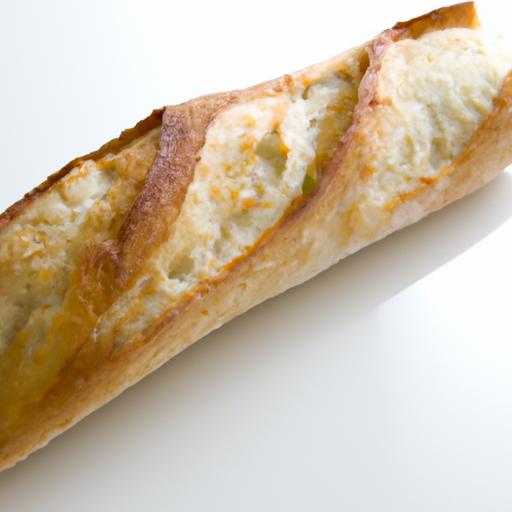
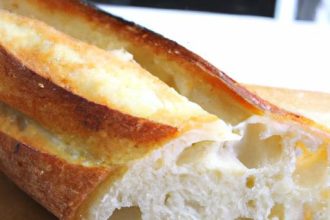

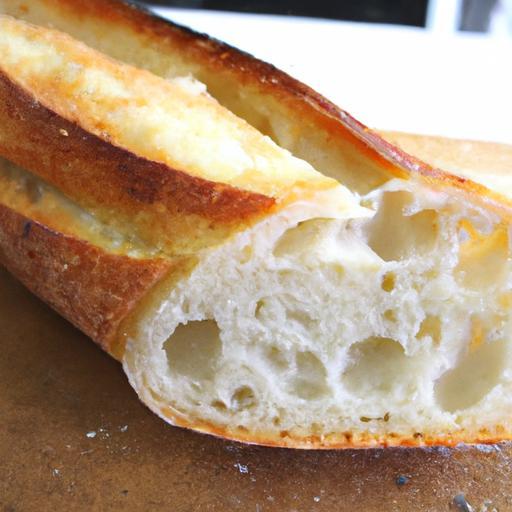
ThereS something undeniably magical about tearing into a freshly baked French baguette-the crisp, golden crust giving way to a soft, airy crumb inside. For those who avoid gluten, capturing that quintessential baguette experience can feel like a distant dream. but what if you could bring the romance of a Parisian bakery right into your own kitchen, crafting a gluten-free baguette that rivals the customary classic? In this article, we’ll explore the art and science behind creating the perfect gluten-free French baguette at home-combining carefully chosen ingredients, precise techniques, and a sprinkle of culinary creativity to deliver a loaf that’s both authentic in texture and rich in flavor. Get ready to elevate your baking game and savor the joy of gluten-free French bread,fresh from your oven.
Crafting the perfect gluten-free French baguette at home is a rewarding journey that blends tradition with modern dietary needs. Unlike classic wheat baguettes, working with gluten-free flours requires a thoughtful approach to ingredients and technique to capture that iconic light crumb and crispy crust we all adore. From the first mix to the final bake, understanding how gluten-free flours behave and mastering dough hydration are key to elevating your baguette from simple bread to a bakery-worthy masterpiece.
Prep and Cook Time
- Preparation: 30 minutes
- Proofing: 2 hours (divided into two rises)
- Baking: 25-30 minutes
- Total Time: Approximately 3 hours
Yield
2 medium-sized baguettes, each serving 4 slices
Difficulty Level
Medium – Requires attention to hydration and shaping techniques but beginner-kind with clear steps
Ingredients
- 1 ½ cups gluten-free rice flour (white, finely ground)
- 1 cup tapioca starch
- ½ cup potato starch
- 2 teaspoons xanthan gum
- 1 ¼ cups warm water (105-110°F / 40-43°C)
- 2 teaspoons active dry yeast
- 1 tablespoon sugar
- 1 teaspoon salt
- 2 tablespoons olive oil
- 1 teaspoon apple cider vinegar (optional, for enhanced rise and flavor)
Instructions
- Activate the yeast. In a small bowl, combine the warm water, sugar, and yeast. Stir gently then let it sit for 5-7 minutes until frothy and bubbly.
- Mix dry ingredients. In a large bowl, whisk together the rice flour, tapioca starch, potato starch, xanthan gum, and salt to ensure even distribution of the binding agents.
- Combine wet and dry. Create a well in the centre of the dry mix. Pour in the activated yeast mixture, olive oil, and apple cider vinegar. Slowly stir with a spatula to form a sticky dough. Gluten-free doughs are generally wetter than wheat doughs-this is expected for hydration.
- Hydrate and rest. Cover the bowl with a damp kitchen towel and allow the dough to rest for 10 minutes to let the starches absorb moisture fully, improving texture.
- First rise. Lightly oil a large bowl, transfer the dough, cover with plastic wrap, and leave in a warm spot for 1 hour or until it doubles in size. The dough will be sticky but should hold form when lifted with a spatula.
- Shape the baguettes. Dust your work surface generously with tapioca starch or rice flour. With oiled hands, gently scrape the dough out and divide it into two equal portions. Shape each into a long, slender baguette about 12 inches in length by folding edges inward and rolling gently, avoiding deflating the dough too much.
- Second rise. Place shaped baguettes on a parchment-lined baking tray. cover loosely with greased plastic wrap and let rise for 45 minutes until puffed.
- Preheat oven. Set your oven to 475°F (245°C) with a baking stone or heavy tray inside to heat up. Place an empty metal pan on the oven floor to create steam during baking.
- Slash and steam. Using a sharp serrated knife or lame, make 3-4 diagonal slashes on each baguette. Just before sliding them into the oven, pour a cup of hot water into the empty pan to create steam, which promotes a crusty exterior.
- Bake. Place the baguettes on the hot stone or tray and bake for 25-30 minutes, rotating once halfway through.Look for a golden-brown crust with a crackling sound when tapped.
- Cool properly. Transfer baguettes to a wire rack and let cool for at least 30 minutes before slicing. This resting allows internal moisture to redistribute, enhancing crumb softness without sogginess.
Tips for Success
- Hydration balance is crucial: Gluten-free flours absorb water differently. Start with the stated water quantity but be prepared to adjust slightly for your local humidity and flour brand.
- Use a mix of flours: the blend of rice flour, tapioca, and potato starch helps mimic the structure gluten provides, creating a light yet resilient crumb.
- Xanthan gum is your friend: It replaces gluten’s stretchiness and helps traps gas bubbles for the characteristic air pockets.
- Steam is essential for crust: creating a humid oven environment encourages oven spring and crisps the crust beautifully.
- Make ahead: Bake baguettes, then freeze in foil-lined bags. Reheat in a hot oven wrapped in foil for 10 minutes to restore crustiness.
Serving Suggestions
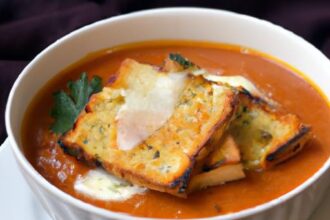
Warm slices of your gluten-free baguette are delightful with a pat of herb-infused butter or silky olive oil. Pair with rustic tapenades, flaky smoked salmon, or creamy brie for an elegant snack.For memorable meals,serve alongside homemade ratatouille or a fresh Niçoise salad. Garnish your platter with sprigs of thyme or fresh rosemary to elevate the sensory experience.

| Nutrient | per Serving (1/8 baguette) |
|---|---|
| Calories | 140 |
| Protein | 2g |
| Carbohydrates | 30g |
| Fat | 3g |
For a deeper dive into gluten-free baking techniques, visit our thorough guide on Ultimate Guide to Gluten-Free Baking. Additionally, the Celiac Disease Foundation offers trusted resources and recipe inspiration for gluten-free living.
Q&A
Q&A: Crafting the Perfect Gluten-Free French Baguette at Home
Q1: Is it really possible to make a gluten-free French baguette that rivals the traditional one?
Absolutely! While gluten provides that signature chew and structure in classic baguettes, modern gluten-free flours combined with clever techniques can create a crusty, airy, and flavorful baguette that stands proudly alongside its wheat-based cousin.
Q2: What gluten-free flours work best for baguettes?
A blend is key! Rice flour offers a neutral base, tapioca starch lends chewiness, and a bit of sorghum or buckwheat flour adds complexity and a slightly nutty depth.Combining these with xanthan gum or psyllium husk helps mimic gluten’s elasticity.
Q3: How do I achieve that iconic crunchy crust without gluten?
Steam is your baguette’s best friend. Creating steam in the oven (by adding a pan of hot water or misting the dough before baking) encourages a beautifully crisp exterior. also, baking on a preheated baking stone intensifies crust formation for that irresistible crunch.
Q4: Can I shape gluten-free dough into a traditional baguette form?
It takes a little finesse! Gluten-free dough tends to be stickier and more delicate, so instead of traditional folding, shape it gently into a log with wet hands or parchment paper. Supporting the dough during its final rise ensures it holds its elegant shape.
Q5: How long should I let the dough rise?
Patience pays off. Gluten-free doughs usually require a bit less rising time than wheat-based ones – about 30 to 45 minutes for the final proof – to maintain structure without collapsing. Use warm surroundings to expedite the process if needed.
Q6: Any tips for adding authentic French flavor?
Yes! Use a sourdough starter if possible, as it imparts a tangy complexity reminiscent of traditional baguettes. Alternatively,a splash of apple cider vinegar or lemon juice can brighten the flavor.Don’t forget a pinch of fine sea salt to enhance every note.Q7: How do I know when my baguette is perfectly baked?
Look for a deep golden brown crust that sounds hollow when tapped underneath. Internal temperature should be around 210°F (99°C). Cooling the baguette on a wire rack helps maintain its crusty charm.
Q8: What’s the best way to store gluten-free baguettes?
Gluten-free breads tend to dry out faster, so store your baguette in a paper bag at room temperature for up to two days. For longer storage, slice and freeze it; reheat in a hot oven to revive that fresh-baked magic.Q9: Can I experiment with add-ins?
Absolutely! Herbs like rosemary or thyme, roasted garlic, or even olives transform your baguette into a gourmet delight. Just fold them gently into the dough before shaping.
Q10: Any final words of encouragement for gluten-free bakers?
Don’t be discouraged by initial challenges-the art of gluten-free baking is a journey filled with delicious discoveries. Embrace the unique qualities of your dough, and with patience and passion, you’ll create a baguette that’s not just gluten-free, but unforgettable. Bonne boulangerie!
To Wrap It Up
Baking a gluten-free French baguette may seem like a daunting challenge, but with the right ingredients, techniques, and a touch of patience, you can bring the unmistakable aroma and crusty charm of a Parisian loaf right into your own kitchen. Remember, each batch is a new opportunity to refine your craft-experiment with hydration levels, flour blends, and baking times until you find your perfect crumb and crust. Embrace the journey, celebrate the small victories, and soon enough, you’ll be slicing into a golden, airy baguette that’s every bit as delightful as its traditional counterpart. Happy baking, and bon appétit!