

There’s something quietly delightful about cottage cheese-a humble dairy staple that often gets overlooked in the shadow of flashier spreads and cheeses. Yet, nestled within its creamy curds lies a world of rich tradition, distinctive texture, and nutritional prowess. Enter Good Culture Cottage Cheese,a brand that’s redefining how we experience this classic comfort food. In this article, we’ll dive into the story behind Good Culture, unravel the secrets to its irresistibly creamy texture, and explore why it’s quickly becoming a favorite for those seeking wholesome, flavorful, and high-quality cottage cheese. Prepare to see cottage cheese in a whole new light-one spoonful at a time.
The Creamy Secret: Good Culture Cottage Cheese Recipe and Guide
Good Culture Cottage Cheese has quietly become a staple in kitchens that treasure wholesome nourishment and creamy texture in every bite. Originating from customary cheesemaking practices that emphasize live, probiotic-rich cultures, this delight offers a unique tang and velvety mouthfeel that sets it apart from ordinary varieties. My first taste of Good Culture Cottage Cheese took me back to my grandmother’s kitchen, where fresh, homemade curds were lovingly crafted for Sunday brunch. Unlocking the nutritional powerhouse behind each creamy spoonful inspired me to share this approachable recipe that celebrates both flavor and wellness.
Prep and Cook time
- Readiness: 10 minutes
- Cooking/Setting: 4-6 hours (including culturing time)
Yield
- Approximately 4 cups (serves 4-6)
Difficulty Level
- Easy to Medium (perfect for beginner cheese makers)
Ingredients
- 1 gallon whole milk (preferably organic, non-UHT pasteurized)
- 1/4 cup Good Culture buttermilk (or plain live culture yogurt)
- 1/4 teaspoon liquid rennet (diluted in 2 tablespoons cool water)
- 1 teaspoon sea salt, optional and to taste
- Filtered water for rinsing curds
Instructions
- Heat the milk gently: Pour the gallon of whole milk into a large heavy-bottomed pot and warm it slowly over low heat until it reaches 86°F (30°C). Use a kitchen thermometer to check the temperature carefully.
- Culture the milk: Stir in 1/4 cup of Good Culture buttermilk. Mix thoroughly to incorporate the live cultures that kick-start the fermentation process.
- Incubate: Cover the pot with a clean towel and let it sit at room temperature for 6 to 12 hours, or until the milk thickens and develops a fermented aroma. During incubation, avoid disturbing the milk to allow cultures to work their magic.
- Add rennet: Gently stir in the diluted rennet using slow, intentional strokes for 30 seconds. Cover again and let it sit undisturbed for 45 minutes to set into a firm curd layer.
- Cut the curd: Using a long, sharp knife, cut the curd into 1/2-inch cubes vertically and horizontally, creating even pieces.
- Cook the curds: Slowly heat the curds to 110°F (43°C) over 30 minutes, stirring gently every few minutes to prevent clumping. This step firms the curds.
- drain the whey: Pour curds into a colander lined with cheesecloth. Allow whey to drain naturally for 15 minutes.After initial draining, rinse curds under cold water to remove acidity and stop the cooking process.
- Season and store: Transfer curds to a bowl, add sea salt, and stir to taste.Cover and chill the Good Culture Cottage Cheese for at least 2 hours before serving.This chilling time enhances texture and flavor.
Tips for Success
- Milk matters: Avoid ultra-pasteurized milk to ensure proper curd formation. Fresh, organic whole milk yields the creamiest texture.
- Temperature control: Use a thermometer-precision is key for consistent results.
- Patience: let fermentation fully develop for optimal probiotic benefits and rich flavor.
- Make ahead: Good Culture Cottage cheese can be made 2-3 days in advance and stored in an airtight container in the refrigerator.
- Customization: Add herbs like chives, dill, or pepper for extra flair before serving.
Serving Suggestions
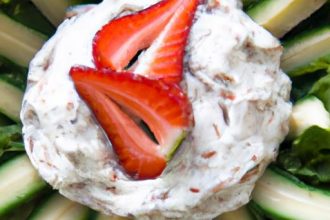
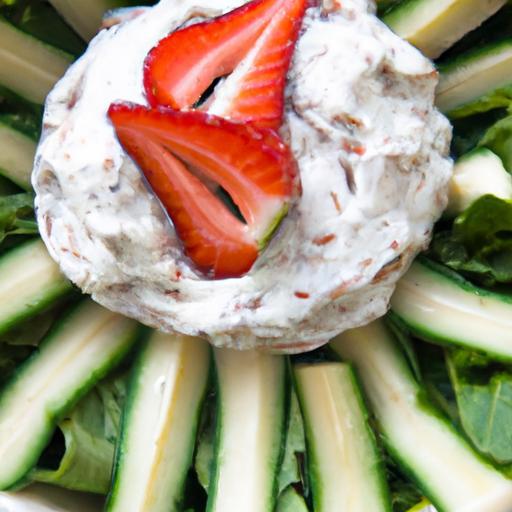
Enjoy Good Culture Cottage Cheese as a creamy spread on toasted sourdough with ripe avocado slices and chili flakes. For a savory snack, scoop it over fresh tomatoes drizzled with olive oil and a sprinkle of sea salt.It pairs beautifully with fresh fruit and a drizzle of local honey for a balanced breakfast or dessert. Present in rustic bowls garnished with cracked black pepper and microgreens for a visually stunning plate that invites tactile exploration with every creamy bite.
| Nutritional Element | Per 1/2 cup serving |
|---|---|
| Calories | 90 |
| Protein | 12g |
| carbohydrates | 3g |
| Fat | 4g |
for more creative ways to enjoy this ingredient, check out our Healthy Breakfast Recipes and learn how to elevate your everyday meals. To deepen your understanding of dairy fermentation science, explore resources from FEMS Microbiology Letters.

Q&A
Q&A: The Creamy Secret – Exploring Good Culture Cottage Cheese
Q1: What makes Good Culture Cottage Cheese different from the typical cottage cheese you find in stores?
A1: Good Culture Cottage Cheese stands out because of its unique blend of live and active probiotic cultures, creating a creamier texture and richer flavor. Unlike conventional cottage cheese,which frequently enough feels lumpy and bland,Good Culture puts a delicious,tangy spin on tradition,making it a versatile delight that’s as nourishing as it is indeed tasty.
Q2: Why is the “culture” in Good Culture Cottage Cheese so critically important?
A2: The “culture” refers to the beneficial bacteria added during the fermentation process. These probiotics don’t just give the cheese its signature flavor-they support gut health,aid digestion,and promote a balanced microbiome. It’s like adding a little wellness magic to every spoonful.
Q3: How does Good culture Cottage Cheese achieve such a creamy consistency without adding extra thickeners?
A3: The secret lies in the slow, natural culturing process and the choice of high-quality milk. Good Culture embraces patience, allowing the live cultures to gently transform the milk into a lushly creamy cottage cheese, free from artificial stabilizers or gums. Nature’s craftsmanship at its finest!
Q4: Can Good Culture Cottage Cheese fit into a variety of diets?
A4: Absolutely! With its high protein and low sugar content, Good Culture Cottage Cheese is a superstar in paleo, keto, and gluten-free diets. Plus, its probiotic content supports overall health, making it perfect for anyone looking to eat clean while indulging in something delicious.
Q5: What are some creative ways to enjoy Good Culture Cottage Cheese?
A5: the possibilities are endless! Try it as a creamy topping on fresh fruit, blend it into smoothies for protein-packed creaminess, spread it on toast with avocado, or add it to savory dishes like stuffed peppers or grain bowls. It’s the creamy secret weapon that elevates everyday meals.
Q6: Where did the inspiration for Good Culture Cottage Cheese come from?
A6: inspired by traditional European cheesemaking techniques, Good Culture was born to revive the wholesome goodness of cottage cheese with a modern, health-conscious twist. The founders wanted to bring back a nutritious, flavorful dairy option that feels both familiar and refreshingly new.
Q7: How does Good Culture Cottage Cheese contribute to sustainable and ethical food practices?
A7: Good Culture prioritizes sourcing its milk from carefully selected farms that emphasize animal welfare and sustainable practices. By supporting small-scale farmers and using minimal processing, they respect both the surroundings and the quality of their products, offering a cottage cheese that’s good for you and the planet.
Q8: Is Good Culture Cottage Cheese suitable for people sensitive to lactose?
A8: Thanks to the fermentation process and the presence of live cultures, Good Culture Cottage Cheese is often easier to digest than standard dairy products. While not entirely lactose-free, manny lactose-sensitive individuals find it more tolerable, but it’s always best to check with a healthcare provider if you have concerns.
Q9: What’s the best way to store Good Culture Cottage Cheese to maintain its freshness and probiotic benefits?
A9: Keep it refrigerated and sealed tightly to preserve its creamy texture and live cultures.Consume within the recommended timeframe on the packaging to enjoy it at peak freshness. Think of it as a living food-treat it with care, and it will reward you with the best flavor and benefits.
Q10: Where can consumers find Good Culture Cottage Cheese?
A10: Good Culture Cottage Cheese is widely available at major grocery stores, health food markets, and online retailers. Its rising popularity means you’re likely to spot this creamy gem alongside your favorite dairy selections soon if you haven’t already!
Dive into the creamy world of Good Culture Cottage cheese and discover how tradition, health, and taste blend perfectly-one spoonful at a time!
In Conclusion
As we wrap up our journey into the luscious world of Good Culture Cottage Cheese, it’s clear that this humble dairy delight holds more than just creamy textures and mild tang-it embodies a craft steeped in tradition, quality, and nourishment. Whether spread atop your morning toast, folded into a vibrant salad, or enjoyed straight from the bowl, Good Culture Cottage Cheese offers a flavorful experience powered by carefully cultured goodness. So next time you reach for a wholesome snack, remember that behind every spoonful lies a story of culture, care, and a commitment to delicious authenticity. Here’s to savoring the creamy secret that turns simple ingredients into a culinary treasure.