



Borscht Unveiled: The Heart and History of Beet Soup
In the vibrant hues of deep crimson and ruby, borscht is more than just a soup-it’s a culinary tapestry woven through centuries of tradition, culture, and community. This humble beet-based broth, cherished across eastern Europe and beyond, carries with it stories of resilience, party, and shared identity.From bustling city tables to cozy village kitchens, borscht has nourished bodies and souls alike, evolving with each stirring pot but always retaining its unmistakable character. Join us as we delve into the rich history and heartfelt essence of borscht-unveiling the soup that has long been a symbol of warmth, heritage, and the simple joy of a well-loved meal.
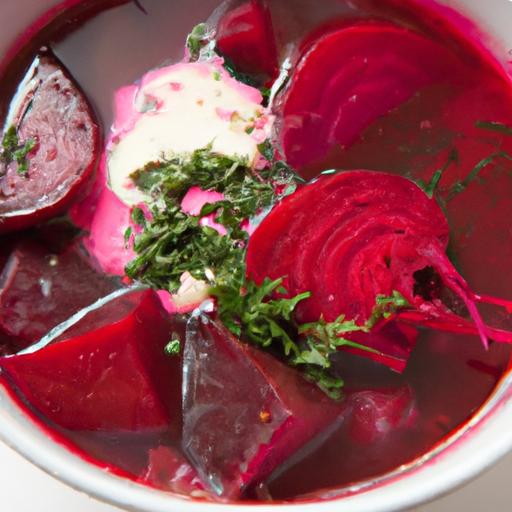
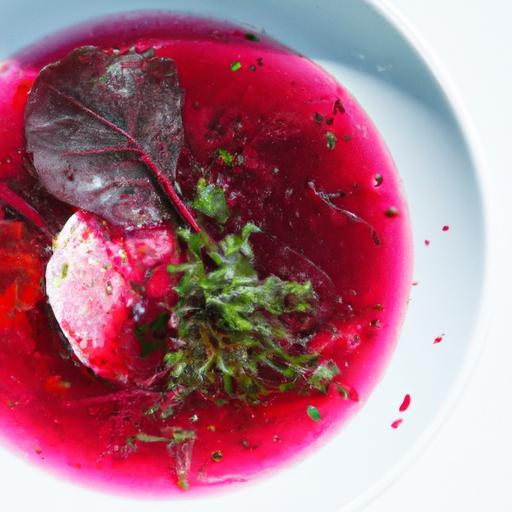
Borscht, a vibrant and deeply comforting beet soup, has captivated palates for centuries across Eastern Europe and beyond. Rooted in the rich culinary traditions of Ukraine, Russia, Poland, and Lithuania, this soup is more than just a dish-it’s a celebration of history, culture, and the earthy sweetness of beets. The iconic red hue of borscht, combined with its complex flavors, tells stories of harvests, family gatherings, and regional pride. Whether served hot or cold, with a dollop of velvety sour cream or fresh herbs, borscht invites both novice cooks and seasoned chefs alike to explore its hearty layers and timeless charm-making it an essential jewel in the crown of customary soups.
Prep and Cook Time
- Preparation: 20 minutes
- Cooking: 1 hour 15 minutes
- Total Time: 1 hour 35 minutes
Yield
Serves 6 generous portions
Difficulty Level
Medium – approachable for cooks agreeable with simmering and flavor balancing
Ingredients
- 4 medium beets, peeled and grated
- 1 large carrot, peeled and finely chopped
- 1 medium onion, diced
- 2 cloves garlic, minced
- 3 cups beef or vegetable broth
- 2 medium potatoes, peeled and cubed
- 1/2 small head cabbage, shredded
- 2 tablespoons tomato paste
- 1 tablespoon white vinegar (to brighten beets)
- 2 tablespoons sunflower or olive oil
- 1 bay leaf
- Salt and freshly ground black pepper, to taste
- Fresh dill, chopped, for garnish
- Sour cream, for serving
Instructions
- Prepare the vegetables: Peel and grate the beets and carrot. Dice the onion and mince the garlic. peel and cube potatoes, and shred the cabbage.
- Heat oil in a large pot: Over medium heat, add the onion and garlic, sautéing until translucent and fragrant-about 5 minutes. Stir occasionally to prevent sticking.
- Add the grated beets and carrots: Cook for 8-10 minutes, stirring frequently enough to allow thier natural sweetness to develop and the color to intensify.
- Stir in tomato paste and vinegar: Mix thoroughly to meld flavors and balance the earthiness of the beets.
- Pour in broth and add potatoes and bay leaf: Bring to a gentle boil, then reduce to simmer. Cook for 15 minutes until potatoes start to soften.
- Add the shredded cabbage: Stir and simmer for another 15 minutes until all vegetables are tender but still retain texture.
- Season with salt and pepper: Taste frequently,adjusting seasoning to maintain a perfect balance between sweet,sour,and savory.
- Remove the bay leaf: Before serving, discard the bay leaf for a clean finish.
- Serve hot, garnished: Ladle borscht into bowls, topping each portion with a spoonful of sour cream and a sprinkle of fresh dill for a burst of radiant color and flavor.
Tips for Success
- Roasting beets first intensifies their flavor and color-try roasting wrapped in foil at 400°F for 45 minutes if you have time.
- For a richer broth,simmer bones or add smoked sausage during cooking,then remove before serving.
- Balance is key: Vinegar lifts the natural sweetness of the beets-add gradually and taste as you go.
- Advance prep: Borscht flavors deepen overnight, making it an even more vibrant soup the next day.
- Vegetarian adaptation: Use vegetable broth and add mushrooms or beans for heartiness.
Serving Suggestions to Elevate Your Borscht Experience
Serve your borscht alongside warm, crusty rye bread or garlic pampushky (Ukrainian garlic buns) for a traditional touch. A dollop of sour cream is essential-it softens the acidity while adding creaminess. Fresh dill or parsley sprinkled on top brightens the dish with herbal notes. For a feast, complement borscht with pierogi or vareniki stuffed with potatoes or cheese. Chilled borscht can be garnished with hard-boiled eggs and served with a crisp cucumber salad for a refreshing contrast on warm days.
| Nutrient | Per Serving |
|---|---|
| Calories | 150 kcal |
| protein | 4 g |
| Carbohydrates | 25 g |
| Fat | 4 g |
Explore delicious pierogi recipes to pair perfectly with borscht for an authentic Eastern European meal. learn more about the cultural importance of beets from the Encyclopaedia Britannica.

Q&A
Q&A: Borscht Unveiled – The Heart and History of Beet Soup
Q1: What is borscht,and why is it considered more than just beet soup?
A1: At first glance,borscht might appear as a simple beet soup,but it’s truly a culinary tapestry woven from centuries of Eastern European culture and tradition. More than a vibrant red broth, borscht is a comforting emblem of home, family, and the resilience of a people. Each simmering pot carries stories of harvests, celebrations, and the shared warmth of a gathering around the table.
Q2: Where did borscht originate, and how did it become so widespread?
A2: The origins of borscht trace back to the fertile lands of Ukraine, though its roots stretch across Eastern Europe and Russia. Historically, beets were a hardy crop, and early communities crafted rustic soups that eventually evolved into the borscht we know today. Trade, migration, and cultural exchange helped spread this dish far beyond its birthplace, turning it into a beloved staple in many countries with countless regional variations.
Q3: What are the key ingredients that define traditional borscht?
A3: The star ingredient is unquestionably the beet, which imparts that signature ruby hue and earthy sweetness. Traditional borscht often includes cabbage, potatoes, carrots, onions, and sometimes beans or meat like beef or pork. A dollop of sour cream is usually added just before serving,enriching the soup with creamy tang and balancing the natural sweetness of the beets.
Q4: How does borscht reflect the seasons and local produce?
A4: Borscht is a true seasonal dish-its ingredients ebb and flow with the harvest calendar. Summer versions might showcase fresh green beans,peas,or tomatoes,while winter variants rely on preserved vegetables and hearty meats to nourish against the cold. This seasonal adaptability underscores borscht’s role as a dish of both survival and celebration.
Q5: Why is borscht often described as soul food in Eastern Europe?
A5: Beyond nourishment, borscht is a vessel of emotional warmth and cultural identity. It invokes nostalgia for grandmothers’ kitchens, communal feasts, and folklore-filled gatherings. The ritual of cooking and sharing borscht connects generations, making it not just food, but a delicious emblem of heritage and love.
Q6: Can borscht be made vegetarian or vegan, and how does that alter its character?
A6: Absolutely! While classic recipes may include meat, vegetarian and vegan borscht versions are equally cherished. By emphasizing fresh vegetables, mushrooms, and vegetable broth, these variations maintain the hearty, vibrant spirit of borscht. The absence of animal products shifts the flavors slightly but keeps the soul of the soup intact-rich, comforting, and deeply satisfying.
Q7: how has borscht been adapted in modern cuisine?
A7: Contemporary chefs and home cooks experiment wildly-blending borscht with international spices, serving it cold as a refreshing gazpacho-like dish, or even transforming it into borscht-infused cocktails. These modern twists honor tradition while inviting new palates to experience the beauty of beet soup in exciting ways.
Q8: What is the best way to enjoy borscht to fully appreciate its flavors?
A8: The magic of borscht reveals itself when it’s shared and savored slowly.Ideally, serve it with a generous spoonful of sour cream, a sprinkle of fresh dill, and a side of crusty rye bread or garlic pampushky (Ukrainian bread rolls). Sip,savor,and let the layers of earthiness,tang,and warmth unfold with each bite-borscht is as much an experience as it is indeed a meal.
Borscht is far more than a soup; it is indeed a living legend that carries the heartbeats of many generations. Whether enjoyed hot or cold, simple or elaborate, every bowl is a connection to history, culture, and the enduring joy of breaking bread together.
In Summary
As the final ladle of borscht is savored, we find ourselves not just tasting a vibrant beet soup but sipping from a deep cultural wellspring. Borscht, with its rich tapestry of flavors and stories, transcends the boundaries of a simple dish-it is a living chronicle of history, community, and heart. From the humble hearths of Eastern Europe to modern tables worldwide, this crimson elixir continues to unite generations, reminding us that food is more than nourishment; it is indeed a vessel of tradition, identity, and warmth. So next time you encounter a bowl of borscht, remember-your not just enjoying a soup, you’re partaking in a centuries-old story that pulses with life in every spoonful.