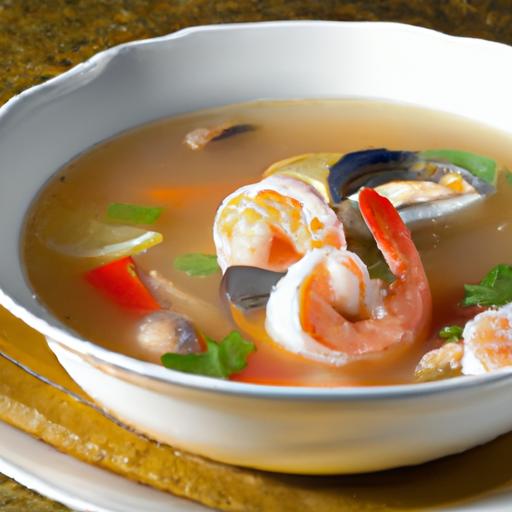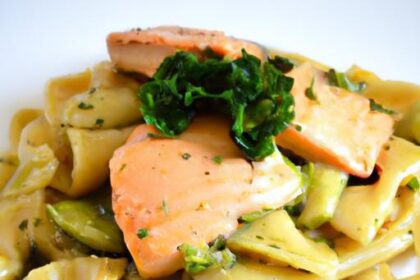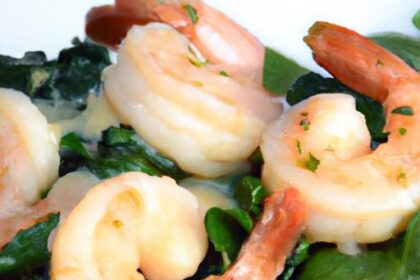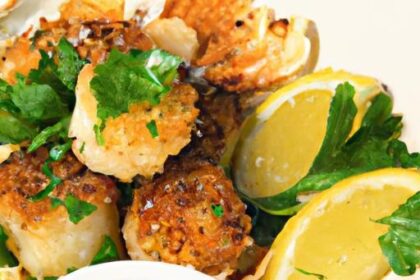
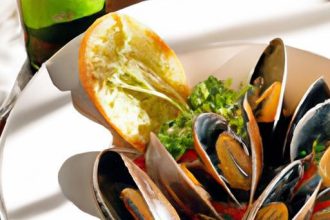
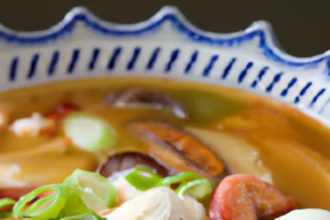
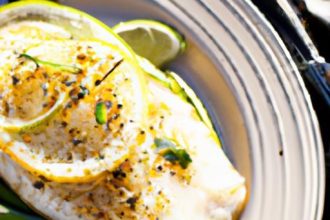

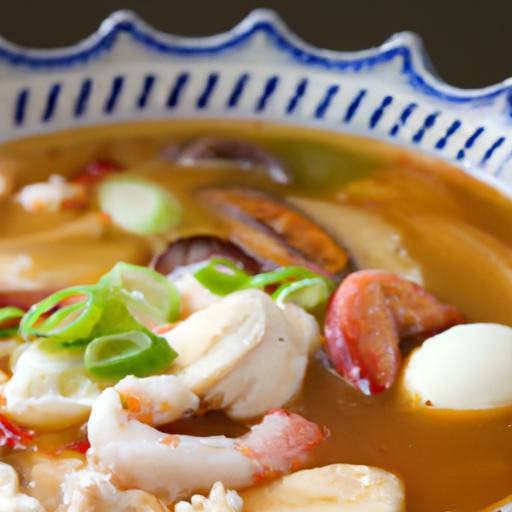
beneath the vast expanse of China’s coastal waters lies a treasure trove of flavors waiting to be savored, and few dishes capture this oceanic bounty quite like Chinese seafood soup. this timeless culinary creation is more than just a comforting bowl of broth-it’s a vibrant celebration of the sea’s richness, artfully blended with fragrant herbs, spices, and fresh ingredients. From the sizzling markets of Guangzhou to the serene fishing villages of Fujian, Chinese seafood soup offers a appetizing journey into the heart of coastal tradition. Join us as we delve into this flavorful ocean feast, uncovering its history, regional variations, and the secrets behind its irresistible taste.
chinese seafood soup embodies a timeless culinary heritage that marries the ocean’s freshest bounty with rich,savory tradition. From coastal villages to bustling urban centers, this dish has evolved through centuries, symbolizing prosperity and harmony in Chinese culture. Its warm, aromatic broth and delicate seafood create a comforting ocean feast that invites both celebration and everyday enjoyment.
Prep and Cook Time
Readiness: 20 minutes | Cooking: 40 minutes | Total: 1 hour
Yield
serves 4 generous portions
Difficulty Level
Medium – Ideal for cooks comfortable with seafood handling and broth preparation
Key ingredients That Define the Authentic Flavors
- 500g fresh shrimp, deveined and peeled
- 300g fresh fish fillet (preferably cod or tilapia), cut into bite-sized pieces
- 200g scallops, cleaned
- 1 cup dried seaweed (wakame or kelp), soaked and chopped
- 4 cups homemade chicken or seafood stock, rich and clear
- 2 cloves garlic, finely minced
- 1 thumb-sized ginger, sliced thin
- 2 tbsp Shaoxing wine, for depth and aroma
- 1 tbsp light soy sauce, to enhance umami
- 2 tsp cornstarch, mixed with water for a silky finish
- Salt and white pepper, to taste
- 2 stalks spring onion, finely chopped for garnish
- Fresh cilantro leaves, optional garnish
Cooking Techniques to Achieve the Perfect Broth
Mastering the broth is the heart of the recipe. Begin with a homemade stock,simmered gently with chicken bones or seafood shells for at least 2 hours to extract rich flavors while avoiding cloudiness. keeping the heat low during the entire cooking process preserves clarity and delicate nuances.
Step-by-Step Instructions
- Prepare the stock: If preparing fresh, simmer chicken bones or prawn shells with ginger slices in 6 cups of water for 2 hours. Strain and keep warm. (tip: Use a fine mesh sieve for clarity.)
- Sauté aromatics: Heat 1 tbsp oil in a pot over medium heat. Add minced garlic and sliced ginger, sauté until fragrant, about 1-2 minutes.
- Deglaze with Shaoxing wine: pour in the Shaoxing wine,allowing it to reduce slightly and lift aromatic flavors.
- Add stock and seaweed: Pour in the warm stock and soaked seaweed.Bring to a gentle simmer.
- cook seafood: Add fish fillets first, simmer gently for 3 minutes, then add shrimp and scallops. Cook until shrimp turn pink and scallops are opaque, about 5 more minutes.
- Season and thicken: Add light soy sauce, salt, and white pepper. Slowly stir in the cornstarch slurry to gently thicken the broth, stirring constantly to avoid lumps.
- Finish and serve: remove from heat, stir in half of the chopped spring onions and cilantro (if using). Ladle into bowls and garnish with remaining herbs.
Top Regional Variations Worth Exploring
Across China, seafood soup transforms to reflect local flavors. In Cantonese cuisine, it frequently enough highlights clear, light broths accented with delicate seafood like fish maw and scallops. The coastal Fujian style introduces a subtle sweetness with shredded mushrooms and bamboo shoots. Meanwhile, Shanghai’s take incorporates a slightly richer broth enriched with Shaoxing wine and soy sauce, delivering a deeper umami punch. Exploring these variations reveals the amazing adaptability and cultural depth within Chinese seafood soup.
Tips for Success
- Use the freshest seafood possible: Freshness dramatically influences the broth’s flavor and clarity.
- Avoid boiling aggressively: Rapid boil can toughen seafood and cloud the soup. Keep a gentle simmer.
- customize thickness: Adjust the cornstarch slurry quantity to suit your preferred broth consistency.
- Make ahead: Prepare stock a day in advance and refrigerate for more convenience; reheat gently before adding seafood.
- Substitutions: if unavailable, substitute light soy sauce with fish sauce sparingly for added depth without overpowering the seafood.
Serving Suggestions
Serve this Chinese seafood soup piping hot in small porcelain bowls to spotlight its inviting clarity and colors. Garnish with a sprinkle of fresh spring onions and cilantro for a pop of green that contrasts beautifully against the pink shrimp and white scallops. Pair it with steamed jasmine rice or light stir-fried greens like bok choy for a harmonious meal centered on subtle sea-inspired flavors.
| Nutrient | Per Serving |
|---|---|
| Calories | 210 kcal |
| Protein | 28 g |
| Carbohydrates | 5 g |
| Fat | 6 g |

For an enhanced understanding of Chinese seafood and regional cuisines, visit Serious Eats. Also, discover more warming broth recipes in our Chinese Soup Recipes section.
Q&A
Q&A: Delving Into Chinese Seafood Soup – A Flavorful Ocean Feast
Q1: What makes Chinese seafood soup a standout dish in Chinese cuisine?
A1: Chinese seafood soup is a culinary masterpiece that harmonizes the ocean’s bounty with time-honored cooking techniques. What sets it apart is the delicate balance between fresh,often live,seafood and a rich,aromatic broth infused with herbs,spices,and sometimes a touch of Chinese medicinal ingredients. This soup doesn’t just nourish the body-it tells a story of coastal traditions and the deep respect for nature’s gifts.
Q2: What types of seafood are commonly used in traditional Chinese seafood soups?
A2: The ocean’s treasure trove is wide-ranging in these soups. You can find an array of ingredients like succulent shrimp, tender scallops, silky crab meat, fresh fish slices, clams, squid, and even sea cucumbers. Each ingredient contributes a unique texture and flavor, creating layers of complexity that surprise and delight the palate.
Q3: How is the broth for Chinese seafood soup typically prepared?
A3: The broth is the soul of the soup. Typically, it’s simmered gently for hours using seafood shells, bones, and sometimes pork bones or chicken to add depth. Aromatics such as ginger, garlic, and scallions are essential, alongside Shaoxing wine or a dash of soy sauce for umami. The result is a clear, flavorful broth that’s light yet intensely savory, serving as the perfect stage for the seafood.
Q4: Are ther regional variations of Chinese seafood soup?
A4: absolutely! Coastal regions bring their own flair. Cantonese versions emphasize freshness and subtlety, often featuring clear broths and premium ingredients. In Fujian,you might find thicker soups with a hint of sweetness and the addition of bamboo shoots or taro. Meanwhile, in Shanghai, the soup may lean toward a richer, slightly sweeter broth, reflecting local taste preferences.
Q5: What roles do herbal or medicinal ingredients play in these soups?
A5: Traditional Chinese medicine influences many coastal recipes. Ingredients like goji berries, red dates, or ginseng are sometimes added, not only for subtle flavor enhancement but to boost health benefits such as improving immunity and circulation. this integration makes seafood soup not just a feast for the senses but also a restorative tonic.
Q6: How can someone try making Chinese seafood soup at home without access to exotic ingredients?
A6: Start with the freshest seafood you can find-shrimp,white fish,and clams are great staples. Build your broth with chicken bones or stock if seafood shells are unavailable. Use ginger, garlic, scallions, and a splash of fish sauce or soy sauce for depth. A splash of Shaoxing wine and a sprinkle of white pepper lift the flavors beautifully. Don’t rush the simmering process; patience is key to unlocking that oceanic umami treasure.
Q7: What cultural or symbolic meaning does seafood soup hold in Chinese traditions?
A7: Seafood soup is often a celebratory dish symbolizing abundance and prosperity. It graces festive tables during Lunar New Year and family reunions, embodying wishes for wealth and harmony. The communal nature of soup-passed around and shared-also emphasizes unity and the joy of gathering, a cornerstone value in Chinese culture.
Q8: Why is seafood soup considered a “flavorful ocean feast”?
A8: Becuase every spoonful encapsulates the essence of the sea-briny yet sweet, tender yet vibrant. The diverse seafood ingredients create a medley of tastes and textures, from the bracing snap of shrimp to the buttery richness of scallops. Combined with the aromatic broth, the soup is like a voyage through the ocean’s flavors, a feast that celebrates nature’s generosity in a comforting bowl.
Closing Remarks
As the final spoonful of Chinese seafood soup warms the palate, it becomes clear that this dish is far more than just a comforting bowl of broth. It is a celebration of the ocean’s bounty, a harmonious blend of tradition and innovation, and a testament to the rich culinary heritage that continues to captivate food lovers around the world. Whether enjoyed in a bustling coastal market or recreated in the quite of one’s own kitchen, Chinese seafood soup invites us to savor the depths of flavor and the stories beneath the waves-a flavorful ocean feast that lingers long after the last drop.