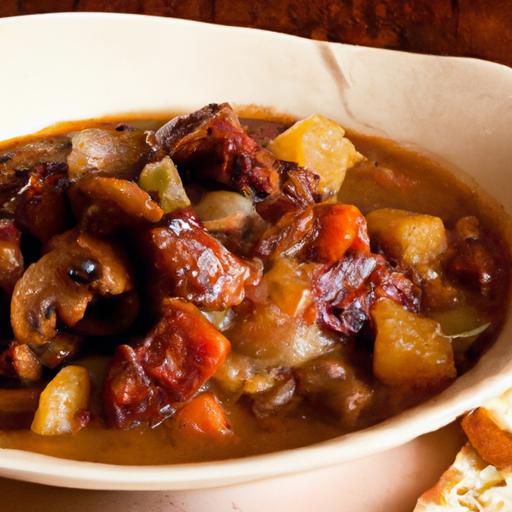
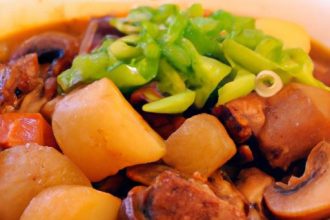


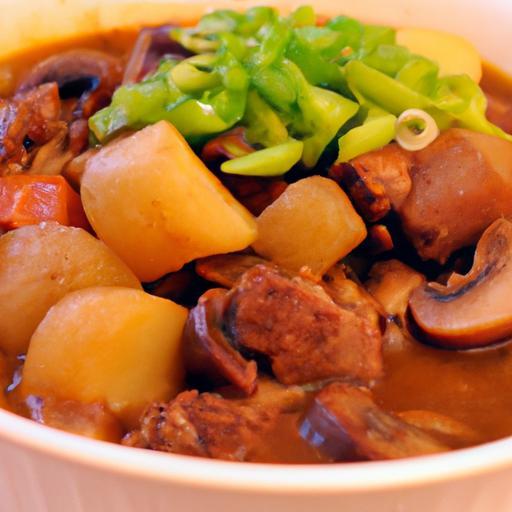
There’s something undeniably soothing about a steaming bowl of hearty beef stew-a dish that has warmed homes and hearts across generations. Beyond its rich, savory aroma and tender morsels of meat, beef stew carries a legacy of comfort and tradition, embodying the essence of slow-cooked goodness. In this article, we’ll explore the timeless appeal of hearty beef stew, delving into its origins, the secrets behind its depth of flavor, and why it remains an enduring favorite in kitchens around the world. Whether enjoyed on a chilly evening or shared among loved ones, every bowl tells a story steeped in warmth and satisfaction.
Hearty beef stew begins with selecting the right cuts of beef that promise unrivaled richness and tenderness after slow cooking. Opting for well-marbled, tougher cuts like chuck roast or braising beef transforms yoru dish into a succulent, hearty meal perfect for cozy evenings. These cuts break down beautifully over time, imparting deep beefy flavor and velvety texture that defines a classic stew.
Prep and Cook Time
- Planning: 20 minutes
- Cooking: 2.5 to 3 hours (slow simmer or in a slow cooker)
- Total Time: Approximately 3 hours
Yield
Serves 6 hearty portions
Difficulty Level
Medium – perfect for cooks ready to embrace slow simmering techniques
Ingredients
- 2 lbs beef chuck roast,cut into 1-inch cubes
- 1/4 cup all-purpose flour
- 3 tbsp olive oil or vegetable oil
- 1 large yellow onion,diced
- 3 cloves garlic,minced
- 2 cups beef broth,preferably homemade or low sodium
- 1 cup dry red wine (optional but recommended)
- 3 large carrots,peeled and sliced into thick rounds
- 2 celery stalks,chopped
- 3 medium Yukon Gold potatoes,peeled and cubed
- 2 tsp tomato paste
- 1 tsp dried thyme
- 2 bay leaves
- Salt and freshly ground black pepper,to taste
- Fresh parsley,chopped for garnish
Instructions
- Pat the beef cubes dry with paper towels. Toss them gently in flour seasoned with salt and pepper to create a light coating that will help form a beautifully caramelized crust.
- Heat 2 tablespoons of olive oil in a heavy-bottomed pot or dutch oven over medium-high heat. Brown the beef in batches, taking care not to crowd the pan. This should take about 5 minutes per batch – a deep mahogany crust is key for developing rich flavor. Transfer the browned meat to a plate.
- In the same pot, add the remaining tablespoon of oil and reduce heat to medium. Sauté the diced onion and celery until softened and translucent, about 5 minutes, stirring occasionally to release fragrant aromatics.
- Add minced garlic and cook for 30 seconds until fragrant – be careful not to let it burn.
- Stir in the tomato paste and cook for another minute to deepen its flavor and add a subtle sweetness to the stew’s base.
- Pour in the red wine to deglaze the pan,scraping up any browned bits stuck to the bottom (those are packed with flavor!). Allow the wine to reduce by half, about 5 minutes.
- Return the beef to the pot, then add the beef broth, dried thyme, and bay leaves. bring everything to a gentle simmer.
- Cover the pot and reduce the heat to low. Let the stew simmer slowly for approximately 2 hours, turning the beef occasionally to ensure even tenderness.
- Add the carrots and potatoes and continue simmering, covered, until the vegetables and meat are fork-tender, about 45 more minutes.
- Season the stew generously with salt and freshly ground pepper to taste. Remove bay leaves before serving.
- Garnish with fresh parsley and serve steaming hot.
Chef’s Notes & Tips for Success
- Choosing the right beef cut is essential. Avoid leaner cuts like sirloin or round as they dry out during slow cooking.
- For extra richness, consider adding a splash of Worcestershire sauce or a piece of dark chocolate in the last 30 minutes of cooking – it enhances umami.
- If using a slow cooker, brown the meat and sauté aromatics as directed, then transfer everything to a slow cooker set on low for 6-8 hours.
- To thicken the stew’s sauce, mix a tablespoon of flour or cornstarch with cold water and stir it in during the last 10 minutes of cooking.
- This stew freezes beautifully for up to 3 months.Cool fully before storing in airtight containers.
serving Suggestions
This hearty beef stew shines served in deep bowls with a crusty rustic bread or buttery mashed potatoes to sop up the luscious broth. For a fresh contrast, accompany with a simple arugula salad dressed lightly with lemon vinaigrette. Sprinkle with a final dash of freshly chopped parsley or thyme to brighten the plate. A glass of robust red wine, such as Cabernet Sauvignon or Malbec, complements the stew’s deep flavors perfectly.

nutritional Information (per serving)
| Calories | Protein | Carbs | Fat |
|---|---|---|---|
| 420 | 38g | 25g | 15g |
For more comfort food recipes that warm the soul, check out our Classic Chicken Pot Pie. For the science behind perfect braising techniques, Serious Eats’ definitive guide offers unbelievable insights.
Q&A
Q&A: Hearty Beef Stew – A Timeless Comfort in Every Bowl
Q1: What makes beef stew a timeless comfort food?
A1: Beef stew is the culinary equivalent of a warm hug – slow-cooked chunks of tender beef, rich broth, and hearty vegetables create a symphony of flavors that soothe the soul. Its simplicity and depth connect generations, making it a beloved classic in kitchens worldwide.
Q2: Why is slow cooking vital in making the perfect beef stew?
A2: Slow cooking is the secret to tender, melt-in-your-mouth beef. It breaks down tough fibers and collagen, turning humble cuts into succulent morsels that soak up every bit of seasoning and flavor. Plus, it allows the vegetables to harmonize with the meat, creating a cozy, layered stew.
Q3: What cuts of beef work best for stew?
A3: Tougher, more affordable cuts like chuck, brisket, or round shine in beef stew. Their higher collagen content transforms into gelatin, enriching the stew’s texture and flavor as it cooks low and slow. Choosing the right cut sets the foundation for a hearty and satisfying meal.
Q4: How do vegetables contribute to a hearty beef stew?
A4: Vegetables are the stew’s colorful companions-the earthy carrots, sweet onions, and tender potatoes add texture, flavor, and nutritional balance. They absorb the beefy broth and release their own essence, making every spoonful a balanced bite of comfort.
Q5: Can beef stew be adapted for different dietary preferences?
A5: Absolutely! While beef stew is traditionally robust and meaty, it’s versatile. You can swap beef for plant-based proteins,use gluten-free thickeners,or pack in extra veggies for a lighter,equally satisfying version. the heart of the dish is its comforting nature, not just the ingredients.
Q6: What tips elevate a homemade beef stew from good to unforgettable?
A6: Brown your beef well for deep flavor, deglaze the pan with wine or broth to capture those savory bits, and season progressively-taste as you go.Patience during simmering is key; the longer it cooks gently, the richer and more cohesive the stew becomes.
Q7: How should beef stew be served for maximum comfort?
A7: Serve it steaming hot in a rustic bowl, topped with fresh herbs like thyme or parsley. Pair with crusty bread or creamy mashed potatoes to soak up every drop of that luscious sauce. Each bite is a festivity of warmth and tradition.
Q8: What is the cultural importance of beef stew worldwide?
A8: beef stew transcends borders, appearing in countless culinary traditions-from Irish stew to French beef bourguignon and Hungarian goulash. It symbolizes hearth and home,reflecting local flavors while uniting people around the table through a shared love of comfort food.
Whether simmered on a winter’s evening or enjoyed anytime you crave nourishment and nostalgia, hearty beef stew remains a timeless treasure-a bowlful of comfort that feeds both body and spirit.
The Conclusion
As the rich aroma of a simmering beef stew fills your kitchen, it’s clear that this dish is more than just a meal-it’s a warm embrace on a chilly day, a gathering point for stories and laughter, and a timeless comfort that transcends generations.Whether spooned over creamy mashed potatoes or savored straight from the bowl, hearty beef stew invites you to slow down, savor each bite, and reconnect with the simple pleasure of home-cooked goodness. In every simmering pot lies a culinary tradition that continues to nourish both body and soul, proving that some comforts never go out of style.