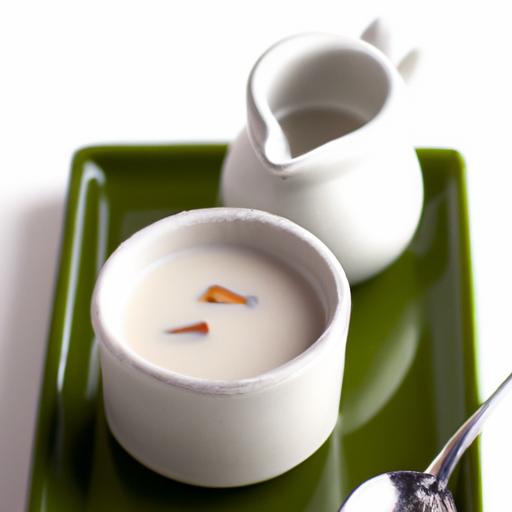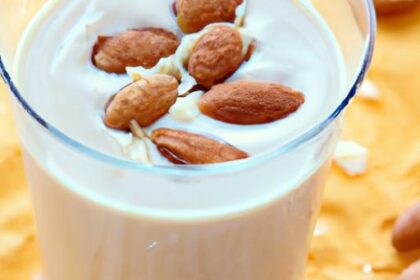


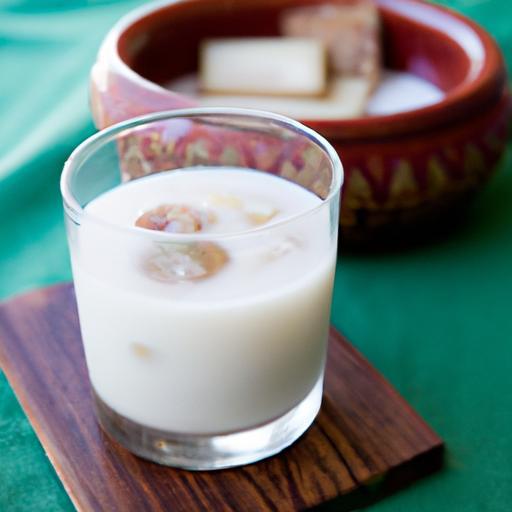
there’s a drink that flows through time and culture like a ribbon of sweetness, weaving stories of ancient fields and modern celebrations alike. Horchata, with its creamy texture and delicate blend of spices, is far more than just a refreshing beverage-it’s a delicious testament to tradition and innovation. from its origins in Mediterranean orchards to its vibrant presence in Latin American festivities, horchata invites us on a flavorful journey steeped in history, culture, and community. Join us as we unveil the layers behind this beloved drink, exploring the roots, recipes, and rituals that make horchata a timeless treasure.
Horchata unveiled is more than just a refreshing beverage-it’s a delicious gateway to centuries of culture and flavor that traverse continents. With roots reaching back to ancient Egypt and evolving through Spanish and Latin American adaptations, horchata’s journey is as rich and layered as its taste. This sweet, creamy drink, traditionally crafted from rice, tigernuts, or sometimes seeds, captivates with its delicate balance of aromatic spices and natural sweetness, making it a beloved staple in households across the world.
Origins and Evolution of Horchata Across Cultures
The story of horchata starts in Egypt with a drink made from tigernuts, a tuber rich in flavor and nutrition. Spanish explorers transported the recipe during colonial times, introducing it to the New World. In Mexico and Central America, rice-based horchata emerged, infused with cinnamon, vanilla, and sugar, creating the version most familiar today. meanwhile,other regions,including Spain’s Valencia,continue to honor the original tiger nut recipe-known locally as “horchata de chufa.” Each culture adds a unique twist, enriching the horchata legacy.
key Ingredients That Define Authentic Horchata Flavors
- Long-grain white rice - the foundation for mexican-style horchata, providing a creamy base once soaked and blended.
- Tigernuts (chufas) – essential in Spanish horchata for their sweet, slightly nutty flavor.
- Cinnamon sticks – add warm, aromatic depth that defines the drink’s signature profile.
- Pure vanilla extract – rounds out the flavor with subtle sweetness and complexity.
- Granulated sugar or piloncillo – sweetens naturally while enhancing richness.
- Filtered water and milk (optional) – used to adjust creaminess and consistency to preference.
Prep and Cook Time
- Prep Time: 15 minutes (plus soaking time)
- Cook time: 5 minutes
- Total Time: 3-4 hours (including soaking)
Yield
Serves 6 refreshing glasses
Difficulty Level
Easy – Perfect for beginners and seasoned home cooks alike
Step by Step Guide to Crafting the Perfect Horchata at Home
- Rinse and soak the rice: Thoroughly rinse 1 cup of long-grain white rice under cold water. Place it in a bowl with 5 cups of filtered water and soak for at least 3 hours, preferably overnight, allowing the rice to soften and release starch.
- Infuse cinnamon: Add 2 cinnamon sticks to the soaking water to impart a deep, captivating aroma.
- Blend for smoothness: Remove the cinnamon sticks.Transfer rice and soaking water to a blender and pulse for 1-2 minutes until the mixture is uniform but not completely pulverized for texture.
- Strain carefully: Pour through a fine mesh sieve or cheesecloth into a pitcher to separate the liquid from rice pulp. Press firmly to extract maximum flavor and creaminess.
- Add sweetness and flavor: Stir in 3/4 cup granulated sugar and 1 teaspoon pure vanilla extract. Adjust sweetness to taste.
- Optional creaminess: For a richer horchata, gently stir in 1 cup whole milk or a dairy-free alternative.
- Chill and serve: Refrigerate for at least 1 hour before serving. Pour over ice cubes and sprinkle with a dash of ground cinnamon for an inviting finish.
Tips for Success
- For a smoother texture, soak rice longer or blend in two batches.
- Substitute granulated sugar with piloncillo for an authentic caramel-like depth.
- If preferred, omit milk to keep the horchata light and dairy-free.
- Store horchata in an airtight container; it tastes best within 48 hours.
- Add a pinch of salt to enhance flavors subtly, especially if using unsweetened milk alternatives.
Pairing Horchata with Customary Dishes and Modern Twists
Horchata’s naturally sweet, spiced profile pairs beautifully with a range of dishes. In Mexico, it complements savory bites like crispy taquitos or smoky barbacoa. For a modern twist, try horchata alongside spicy Asian-inspired meals or use it as a creamy base in desserts like milkshakes or panna cotta. garnish with star anise or toasted cinnamon sticks to create Instagram-worthy presentations that invite conversation and indulgence.
Nutritional Details per Serving
| Calories | Protein (g) | Carbohydrates (g) | Fat (g) |
|---|---|---|---|
| 140 | 2 | 30 | 2 |

For further inspiration and variations, explore our traditional Mexican beverages collection.
Q&A
Q&A: Horchata Unveiled – A Sweet Journey Through Tradition
Q1: What exactly is horchata?
A1: Horchata is a refreshing, sweetened beverage with roots that stretch across cultures and continents. At its essence, it’s a milky drink made from ground seeds, nuts, or grains blended with water, sugar, and frequently enough a hint of spice. But don’t be fooled-horchata is far more than just a drink; it’s a delightful tradition that tells a story of history, culture, and family.
Q2: Where does horchata come from?
A2: The origins of horchata trace back to ancient civilizations. One popular history points to Valencia, Spain, where a version called “horchata de chufa” is made from tiger nuts. As it journeyed across the atlantic, horchata evolved, especially in Mexico and Central America, where rice, cinnamon, and sometimes almonds or vanilla come into play. Each region has embraced horchata in its own unique way, making it a delightful mosaic of tastes and traditions.
Q3: What sets horchata apart from other sweet drinks?
A3: Its base ingredients give horchata a nutty, creamy character that feels both familiar and exotic. Unlike artificial sodas or overly sugary juices, horchata showcases natural sweetness balanced with spices like cinnamon and sometimes even cloves or vanilla.It’s a drink that can soothe a hot summer day or accompany a festive meal, providing a perfect harmony of flavor and history in every sip.
Q4: How is traditional horchata made?
A4: Traditionally, making horchata is an art form-a patient ritual that involves soaking rice, tiger nuts, or almonds for several hours to soften them. Then, these soaked ingredients are ground or blended with water, sweetened with sugar, and filtered to create a smooth, creamy liquid. A sprinkle of cinnamon is added,sometimes along with a splash of milk or vanilla for extra depth. The result? A naturally sweet, cool concoction that’s both simple and complex.
Q5: Why is horchata significant culturally?
A5: Beyond its delightful flavor, horchata holds a special place at gatherings, festivals, and family tables. it’s often associated with comfort,hospitality,and celebration. In many Latin American countries, horchata is a symbol of heritage and familial bonds, passed down through generations and imbued with stories and memories. It’s more than a drink-it’s a bridge connecting past and present.
Q6: Can horchata be enjoyed in modern or innovative ways?
A6: Absolutely! While the classic version remains a crowd favorite, chefs and mixologists have put their own creative stamp on horchata. Think horchata-infused cocktails, creamy horchata ice creams, or even horchata-inspired cakes and pastries. Its rich yet delicate profile invites experimentation, making it as relevant today as it was centuries ago.
Q7: Where can someone try authentic horchata?
A7: Authentic horchata can be found throughout Spain and Latin America, especially in local markets and family-owned eateries. Many Mexican restaurants worldwide now serve it fresh from scratch.For those adventurous at home, trying your hand at making horchata is a rewarding dive into both flavor and tradition.
Through every glass of horchata, we taste not only a sweet and creamy refreshment but a story – centuries-old and lovingly passed down, inviting us all on a sweet journey through tradition. Cheers!
Concluding Remarks
As the final drop of horchata lingers on your tongue,your reminded that this humble beverage is much more than a simple refreshment. It is a tapestry woven from centuries of tradition, culture, and communal celebration-a sweet symphony that transcends borders and generations. Whether sipped under the sun in a bustling Mexican marketplace or shared among friends on a quiet afternoon, horchata invites us to savor not just its creamy flavor, but the stories it carries. So next time you raise your glass, remember: you’re partaking in a timeless journey, one where every sip is a taste of history, heritage, and heartfelt connection.