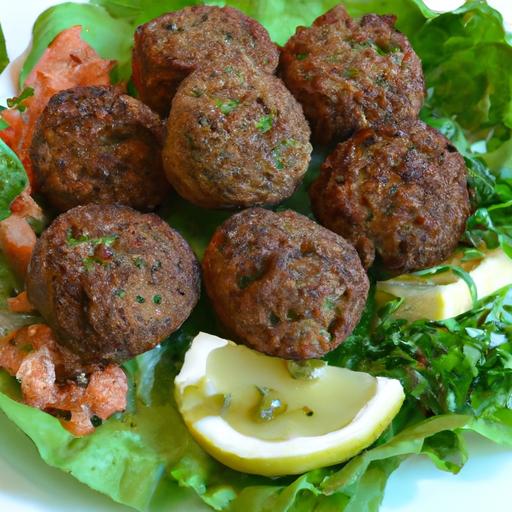
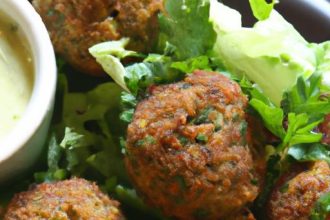

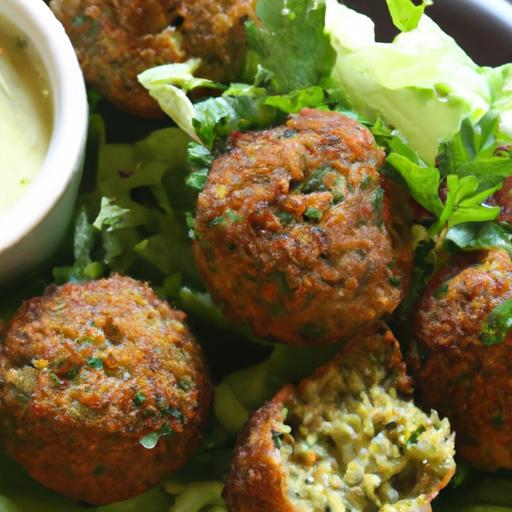
In the vibrant tapestry of Middle Eastern cuisine, few dishes capture the heart and palate quite like falafel-a humble yet iconic street food that has traveled far beyond it’s origins. Among the many variations, Lebanese falafel stands apart, celebrated for its crispy exterior, herbaceous aroma, and meltingly tender interior. But what truly defines this beloved classic? In this article, we embark on a culinary journey to unveil the authentic Lebanese falafel recipe, unlocking the secrets behind its distinctive flavors and time-honored preparation. Whether you’re a seasoned cook or a curious foodie,prepare to dive into a flavorful tradition that has delighted generations and continues to enchant taste buds around the world.
Authentic Lebanese Falafel Recipe invites you to explore one of the Middle East’s moast beloved street foods, rich in history and bursting wiht flavor. Originating centuries ago in Lebanon, falafel is not just a simple chickpea patty; it is a symbol of hospitality, cultural pride, and vibrant culinary heritage. As a longtime admirer and maker of this classic, I can attest to its magical combination of crispy exteriors and tender, herbaceous interiors that makes every bite unforgettable. Let’s uncover the secrets behind preparing falafel exactly as it is enjoyed in Lebanese kitchens, ensuring your taste buds travel to the sun-drenched streets of Beirut.
Prep and Cook Time
- Preparation: 20 minutes (plus overnight soaking)
- Cooking: 10-12 minutes
- Total Time: Approximately 12 hours (including soaking)
Yield
- Makes about 24 falafel balls, serving 4 to 6 people
Difficulty level
- Medium – requires some time for soaking and frying but vrey approachable
Key Ingredients That Define Authentic Flavor and Texture
- 1 ¾ cups dried chickpeas (never canned – absolute key to that ideal texture)
- ½ medium onion, finely chopped
- 1 cup fresh parsley, packed and chopped
- ½ cup fresh cilantro leaves, chopped
- 4 cloves garlic, minced
- 1 teaspoon ground cumin (toasted lightly for deeper flavor)
- 1 teaspoon ground coriander
- ½ teaspoon ground cayenne pepper (adjust for heat preference)
- 1 teaspoon baking powder
- Salt, to taste
- 2-3 tablespoons all-purpose flour (or chickpea flour for gluten-free)
- Vegetable oil for deep frying (sunflower or canola works best)
Step-by-Step Preparation for Perfectly Crisp Falafel
- Soak the chickpeas: Rinse dried chickpeas and soak them in water overnight (at least 12 hours) untill they are plump but still firm. Drain thoroughly before processing.
- Prepare the falafel mixture: In a food processor,pulse the soaked chickpeas,onion,parsley,cilantro,and garlic until coarsely ground. The mixture should hold together but not be pureed smooth-aim for a coarse, grainy texture.
- Add spices and binders: Transfer the mixture to a bowl. Stir in cumin, coriander, cayenne, salt, baking powder, and flour. Mix until combined. refrigerate for 1 hour to let the flavors meld and the mixture firm up.
- Shape the falafel balls: Using wet hands or a small ice cream scoop, form the mixture into balls about the size of a walnut or slightly larger (roughly 1 ½ inches in diameter). Avoid pressing too hard; keep them light.
- Heat the oil: Pour vegetable oil into a deep pot to a depth of 2 to 3 inches.Heat to 350°F (175°C). Use a thermometer for precision-correct temperature is key to perfect crispiness.
- Deep fry in batches: Carefully add the falafel balls to the hot oil, without overcrowding. Fry for 3-4 minutes or until golden brown and crisp on all sides. Turn occasionally with a slotted spoon for even browning.
- Drain and rest: Remove falafel with a slotted spoon and place on paper towels to drain excess oil. Serve warm for the best texture contrast.
Tips for Success
- Use dried chickpeas: Canned chickpeas contain too much moisture and will create falafel that falls apart or is gummy.
- don’t over-blend: Aim for a crumbly texture, not a smooth paste, to retain that classic crumbly bite.
- Test one ball first: Fry a small piece of mixture to check seasoning and frying time.
- Keep the oil hot: Too cool and falafel absorb oil; too hot and they burn on the outside before cooking thru.
- Make ahead: Form falafel balls and freeze them on a baking sheet, then transfer to a bag for quick frying later.
Serving Suggestions and Pairing Ideas for a Complete Lebanese Experience
plate your falafel on a vibrant bed of fresh tabbouleh salad or fattoush to balance the hearty fried texture with crisp, acidic greens. wrap them in warm, fluffy pita bread slathered with traditional tahini sauce or garlic toum for a classic street-food vibe. Garnish with pickled turnips,sliced cucumbers,and ripe tomatoes for authentic colors and textures.
For beverages, a chilled arak or a refreshing glass of mint lemonade complements the herbs and spices beautifully. Include a side of creamy hummus or baba ganoush to round out the feast.

| Nutrient | Per Serving (4 pieces) |
|---|---|
| Calories | 220 kcal |
| Protein | 7 g |
| carbohydrates | 25 g |
| Fat | 10 g |
For a deeper dive into Middle Eastern culinary traditions and how falafel fits within them, visit our Middle Eastern Cuisine Guide. Embracing this Authentic Lebanese Falafel Recipe guarantees you an experience filled with warmth, culture, and timeless flavor.
Q&A
Q&A: Authentic Lebanese Falafel Recipe – A Flavorful Classic Unveiled
Q1: What makes Lebanese falafel different from other falafel varieties?
A1: Lebanese falafel stands out thanks to its vibrant blend of fresh herbs like parsley and cilantro, a touch of fragrant spices such as cumin and coriander, and the exclusive use of soaked, not cooked, chickpeas. This combination creates a shining, herbaceous flavor with a delightfully crunchy exterior and a tender, fluffy inside-distinct from falafels that rely more heavily on fava beans or different seasoning profiles.
Q2: What are the essential ingredients for an authentic Lebanese falafel?
A2: The foundation lies in dry chickpeas soaked overnight, fresh parsley and cilantro, garlic, onion, ground cumin, ground coriander, a pinch of baking soda for lightness, salt, and pepper. Some recipes add a hint of cayenne or chili for subtle heat. The magic is in balancing these ingredients to achieve that signature taste and texture.
Q3: Why soak chickpeas instead of using canned or cooked ones?
A3: Soaking raw chickpeas rather than using canned or cooked ones ensures the falafel mixture holds together perfectly. Cooked chickpeas are too moist and soft, resulting in a mushy falafel. The soaked chickpeas retain their structure and provide the ideal texture when ground,producing crispy yet fluffy falafel balls.Q4: how is the falafel mixture prepared for frying?
A4: After soaking, chickpeas are thoroughly drained and ground with fresh herbs, garlic, onion, and spices-traditionally using a food processor or a manual grinder. Baking soda is folded in last to lighten the texture. Letting the mixture rest for about 30 minutes helps the flavors meld and the texture firm up, making it easier to shape.
Q5: What’s the key to achieving crispy falafel with a soft centre?
A5: Maintaining the right oil temperature-usually around 350°F (175°C)-is crucial. Too hot, and the exterior burns before the inside cooks; too cool, and the falafel absorbs excess oil and becomes greasy. Frying small, uniform balls and not overcrowding the pan ensures even cooking.
Q6: Can Lebanese falafel be baked instead of fried?
A6: Absolutely! While traditional falafel is deep-fried for that iconic crunch, baking is a healthier alternative. To bake, lightly brush the shaped patties with olive oil and bake at 400°F (200°C) until golden and crisp, flipping halfway through.The flavor remains authentic, though the texture will be slightly different-less rich but still delicious.
Q7: How is falafel traditionally served in Lebanon?
A7: Lebanese falafel is commonly served inside warm pita bread with a generous spread of tahini sauce or garlic toum, fresh vegetables like cucumbers, tomatoes, and pickles, and sometimes a sprinkle of pickled turnips.Its often accompanied by fresh herbs and a squeeze of lemon, creating a harmonious mix of textures and flavors.Q8: Are there any secret tips for taking Lebanese falafel to the next level?
A8: Yes! Incorporating fresh mint along with parsley and cilantro can elevate the flavor with a refreshing twist. also, resting the falafel batter in the fridge for a few hours or overnight deepens the flavors and tightens the texture. For ultra-crisp falafel,some cooks fry twice: a quick pre-fry to set the shape,then a second fry to crisp up just before serving.
Q9: Can falafel be made gluten-free?
A9: Definitely! Traditional Lebanese falafel is naturally gluten-free as it relies on chickpeas rather than flour for binding. Just ensure that no flour or breadcrumbs are added, or use gluten-free alternatives if a binder is necessary.
Q10: Why has Lebanese falafel become a beloved global classic?
A10: Its universal appeal lies in its bold, fresh flavors, satisfying crunch, and wholesome ingredients. Lebanese falafel is a perfect example of simple ingredients transformed by thoughtful technique into a dish that’s both nourishing and joyful to eat. It connects cultures through its timeless taste and inviting aroma-a true flavor ambassador from the Levant.
In Retrospect
As the warm, golden falafel emerges from the oil, its crispy exterior giving way to a fragrant, herb-infused center, you hold more than just a snack-you cradle centuries of Lebanese tradition. This authentic falafel recipe invites you to journey beyond flavors, weaving history and culture into every bite.Whether shared at a bustling family table or savored in quiet reflection, these little golden spheres embody the vibrant spirit of Lebanon’s culinary heritage.So next time you crave a taste of the Levant, remember: with this recipe in hand, you’re not just cooking falafel-you’re unveiling a flavorful classic that connects past and present, plate by plate.