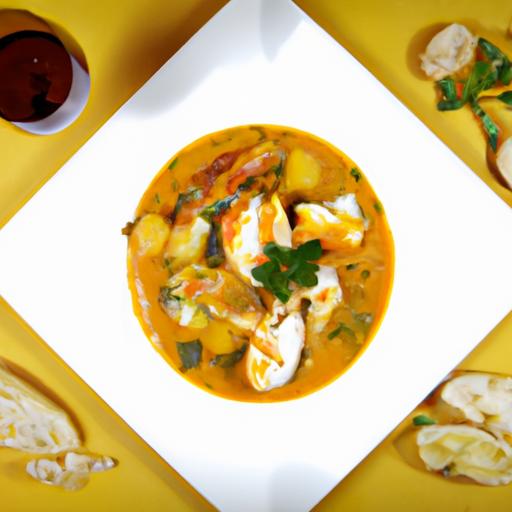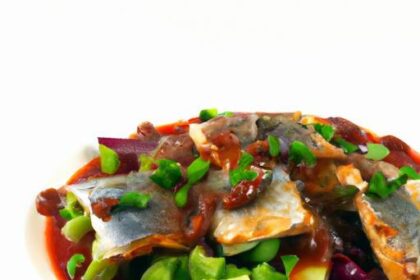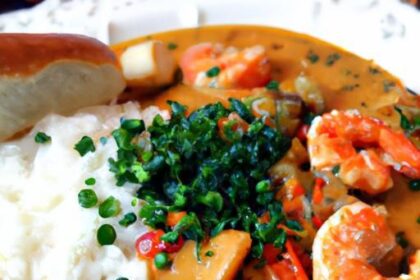
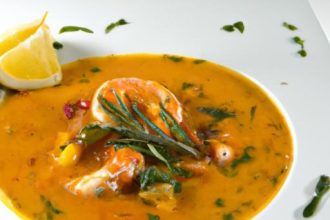


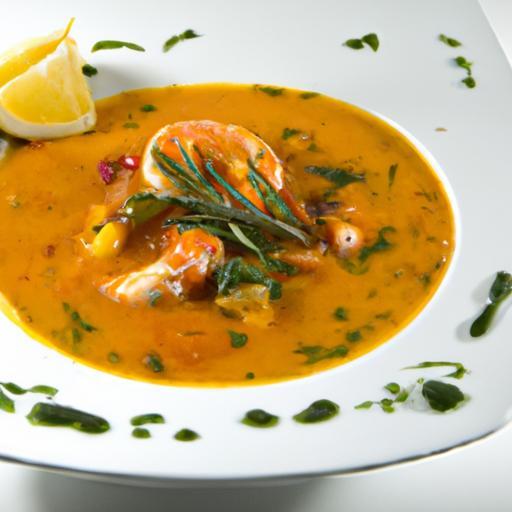
Nestled along Portugal’s sun-kissed coastline lies a culinary treasure that has warmed the hearts and tables of generations-traditional fish stew. More than just a dish, this savory symphony of fresh seafood, fragrant herbs, and rich, tender broth captures the very soul of Portuguese culture and coastal life. As waves crash against rugged shores and fishing boats return with the day’s bounty, communities gather to share in a timeless recipe that tells stories of heritage, resilience, and the ocean’s generous gifts. Join us as we dive into the flavors, history, and traditions behind Portugal’s iconic fish stew, and discover why every spoonful is a celebration of the country’s enduring maritime spirit.
Savor the Soul of Portugal: Exploring Traditional Fish Stew invites you to dive deep into one of the country’s most cherished dishes – a vibrant,aromatic fish stew that embodies the maritime heritage and warm hospitality of Portuguese homes. This soul-warming concoction transforms the freshest ocean bounty into a rustic yet refined masterpiece, where each spoonful tells a story of waves, sun-dappled villages, and centuries of culinary tradition.
Prep and Cook Time
- Readiness: 20 minutes
- Cooking: 45 minutes
- Total Time: 1 hour 5 minutes
Yield
Serves 4 hearty portions
Difficulty Level
Medium – approachable for home cooks ready to explore traditional Portuguese flavors with some patience and love.
Ingredients
- 400g firm white fish fillets (cod, hake, or monkfish), cut into chunks
- 200g shellfish (clams or mussels), cleaned
- 150g peeled shrimp or prawns
- 2 tablespoons extra virgin olive oil
- 1 large onion, finely chopped
- 3 garlic cloves, minced
- 1 red bell pepper, diced
- 2 ripe tomatoes, peeled and chopped or 1 cup canned crushed tomatoes
- 1 small potato, peeled and diced
- 1 cup dry white wine
- 3 cups fish stock or water
- 1 teaspoon smoked paprika (pimentón)
- 1 bay leaf
- Fresh parsley, chopped for garnish
- Salt and freshly ground black pepper
- Optional: pinch of saffron threads for depth and color
Instructions
- Heat the olive oil in a large heavy-bottomed pot over medium heat. Add the onion, garlic, and red bell pepper, sauté until soft and fragrant, approximately 5-7 minutes.
- Stir in the chopped tomatoes and smoked paprika. Cook gently for 10 minutes until the tomatoes break down, stirring occasionally to develop a rich base.
- Add diced potato, bay leaf, and saffron (if using), then pour in the white wine. Let it simmer for 5 minutes to meld flavors and reduce slightly.
- Pour in the fish stock or water, season with salt and black pepper, then bring to a gentle boil. Reduce heat and simmer until potatoes are just tender, about 10 minutes.
- Gently add the fish chunks, shellfish, and shrimp to the pot, nestling them evenly. Cover and cook over low heat for 7-10 minutes, until fish is opaque and shellfish have opened.
- Discard any unopened shellfish. Adjust seasoning to taste.Remove the bay leaf and discard.
- Serve piping hot, garnished generously with fresh parsley. For an extra touch of authenticity, drizzle with a little more olive oil before serving.
Chef’s Notes & Tips for Success
- Choosing the right fish: Use firm white fish such as cod or monkfish for texture that holds during simmering.
- Shellfish freshness is key: Buy live mussels or clams from reputable markets and scrub well before cooking.
- Customize with regional flair: Add chouriço slices for a smoky Portuguese twist or include diced carrots for added sweetness.
- Make-ahead: Prepare the base sauce ahead of time and refrigerate. Add seafood just before serving to keep flavors vibrant.
- For a thicker broth: Mash a few cooked potatoes into the stew to create creaminess without cream.
serving Suggestions
Present this rich Portuguese fish stew in rustic deep bowls,accompanied by thick slices of crusty country bread to soak up every drop. Garnish with a sprinkle of vibrant parsley and a lemon wedge to brighten the palate. Pair with a chilled glass of Portuguese vinho verde or a crisp white wine like Alvarinho for an immersive dining experiance.

| nutrient | Per Serving |
|---|---|
| Calories | 320 kcal |
| Protein | 35 g |
| Carbohydrates | 15 g |
| Fat | 8 g |
Regional Variations and Their unique Flavors
Across portugal’s extensive coastline, each region adds its own vibrant brushstroke to this hearty stew. In the Algarve, a pinch of piri-piri chili infuses heat, while the northern Minho injects a gentle freshness with coriander and a splash of white wine. Islands like Madeira favor robust flavors with local black scabbardfish and banana accompaniments. This kaleidoscope of variations offers endless inspiration for adapting the classic fish stew to your own kitchen table.
Where to Taste the Best Traditional Fish Stews in Portugal
For travelers craving authentic flavors, the cities of Lisbon and porto are gateways to exceptional fish stews, served in cozy family-run taverns like Marisqueira Casa do Bacalhau. Along the Algarve coast, seaside villages like Olhão boast renowned seafood markets freshening up daily to inspire the local chefs. To elevate the experience, consider visiting the bustling Mercado do Bolhão in Porto or savoring a bowl while watching the sunset in Cascais. These places capture the enduring charm and heartiness that make Portuguese fish stew a culinary treasure.
For further culinary discoveries within Portuguese gastronomy, explore our article on Classic Portuguese Pork Recipes to complement your feast.
Q&A
Q&A: Savor the Soul of Portugal – Exploring Traditional Fish Stew
Q: What makes Portuguese fish stew a soul-stirring experience?
A: Portuguese fish stew, or caldeirada, is more than just a dish-it’s a symphony of flavors that tells the story of Portugal’s rich maritime heritage. Combining fresh, local fish with aromatic herbs, vegetables, and a splash of robust olive oil, it captures the essence of coastal life and centuries of culinary tradition in every fragrant spoonful.
Q: Which types of fish are typically used in a traditional Portuguese fish stew?
A: variety is key! The stew frequently enough includes an assortment of firm, flaky fish like cod, hake, monkfish, or sea bass. Shellfish such as clams, mussels, and sometimes shrimp or crab may join the mix, creating layers of texture and a taste that mirrors the bounty of the Atlantic Ocean.
Q: How is Portuguese fish stew different from other fish soups or stews around the world?
A: Unlike creamy or purely broth-based fish soups, Portuguese fish stew strikes a delicious balance-its tomato-infused broth is rich yet light, flavored deeply with garlic, onion, bay leaves, and fresh herbs like coriander or parsley.It’s hearty without being heavy, celebrating the freshness of its ingredients rather than masking them.
Q: Can you describe the traditional cooking process of Portuguese fish stew?
A: Absolutely! the magic begins by gently sautéing onions, garlic, and sometimes bell peppers until fragrant. Tomatoes and potatoes join the pot, simmering together to form a tasty base. then, layers of fish and seafood are nestled in, carefully stewed just until tender-never overcooked-preserving the integrity of each ingredient. A final drizzle of olive oil and a sprinkle of fresh herbs bring the stew to life.
Q: Are there regional variations of fish stew within Portugal?
A: Indeed! Coastal regions each bring their own twist. In the Algarve, seafood shines brightly with lemon zest or piri-piri spices. Northern varieties might feature smoky chorizo or bittersweet kale alongside the fish, while Lisbon’s harbor flavors infuse the stew with a subtle brininess. These regional renditions reflect local tastes and the diverse coastal waters Portugal embraces.
Q: What cultural significance does this dish hold in Portugal?
A: Portuguese fish stew is a communal feast that evokes family gatherings, festive occasions, and the enduring connection between the people and the sea. It’s a dish that transcends everyday eating-inviting diners to slow down, savor tradition, and celebrate the simple, profound pleasures of a shared meal.
Q: How can someone at home recreate the authentic flavors of Portuguese fish stew?
A: Start with the freshest fish you can find, ideally a variety of white fish and shellfish. Use ripe tomatoes, good-quality olive oil, and fresh herbs.Patience is key: build your flavor base slowly, layer ingredients thoughtfully, and don’t rush the simmer. embrace the spirit of the dish-sharing it with loved ones around the table brings its soul to life.
Q: What drinks pair best with Portuguese fish stew?
A: A chilled glass of Vinho verde, Portugal’s crisp and lively white wine, perfectly complements the stew’s vibrant flavors. Alternatively, a medium-bodied red like a douro or a refreshing Portuguese beer can enhance the dining experience, balancing the dish’s subtle acidity and oceanic notes.
Q: Is Portuguese fish stew suitable for special diets?
A: Generally, yes! It’s naturally gluten-free and packed with lean protein, omega-3 fatty acids, and vitamins. For those avoiding certain seafood or fish, adaptations are possible with different proteins or extra vegetables. Its wholesome ingredients make it a nourishing choice fit for many lifestyles.Q: Why should travelers to Portugal seek out this dish?
A: Eating a traditional fish stew in Portugal is like tasting the country’s soul-each bite connects you to its history, landscape, and people. It’s an unforgettable culinary journey that goes beyond flavor, inviting you to immerse yourself in the rhythms of Portuguese life and the eternal dance between land and sea.
Final Thoughts
As the final spoonful of Portugal’s traditional fish stew lingers on your palate, you’re left with more than just the rich blend of flavors – you carry with you a taste of the country’s heritage, a story of its coastal communities, and a celebration of its enduring culinary spirit. Savoring this rustic dish means embracing the soul of Portugal itself: humble yet vibrant, deeply connected to the sea, and bursting with heartfelt tradition. So whether you’re dining by the shore or recreating the stew in your own kitchen, let each bite be a journey into the heart of Portuguese culture, inviting you to discover not just a meal, but an experience that resonates long after the pot is emptied.