



Beneath the swirl of pasta on your plate lies a story simmered through centuries-a tale as rich and layered as the sauce itself. bolognese, Italy’s beloved meat-based ragù, is more than just a comforting staple; it is indeed a culinary tapestry woven from tradition, regional pride, and centuries-old techniques that have evolved far beyond the humble kitchen of Bologna. In this article, we journey beyond the familiar flavors to unveil the engaging history behind Italy’s classic sauce, exploring how Bolognese came to capture hearts worldwide and why its authentic roots continue to inspire chefs and food lovers alike. Prepare to savor not just the taste, but the legacy behind every luscious spoonful.
Bolognese Unveiled: The Rich Story Behind Italy’s Classic Sauce invites you to dive deep into a culinary masterpiece that’s as much about heritage as it is indeed about hearty flavor. Originating from Bologna, Italy, this iconic ragù has evolved over centuries, shaped by tradition, regional pride, and the simple yet noble ingredients that define it. its rich, slow-cooked layers of minced meats, aromatic soffritto, and balanced acidity create an unforgettable base for countless Italian dishes worldwide.
Prep and Cook Time
- Preparation: 20 minutes
- Cooking: 2 hours 30 minutes
- Total Time: 2 hours 50 minutes
Yield
serves 6 hearty portions
Difficulty Level
Medium – patience and attention to layering flavors are key.
Ingredients That Define Authenticity
- 2 tbsp extra-virgin olive oil
- 3 tbsp unsalted butter
- 1 medium yellow onion, finely minced
- 1 large carrot, finely minced
- 2 celery stalks, finely minced
- 400g (14 oz) ground beef (preferably chuck or brisket blend)
- 150g (5 oz) ground pork
- 100g (3.5 oz) pancetta, finely diced
- 1 cup whole milk
- 1 cup dry white wine (Pinot Grigio or Sauvignon Blanc)
- 800g (28 oz) canned San Marzano tomatoes, crushed by hand
- Salt and freshly ground black pepper, to taste
- Freshly grated Parmigiano-Reggiano, for serving
Mastering the technique: Crafting the Perfect Bolognese at Home
- Warm the olive oil and butter in a deep, heavy-bottomed pan over medium heat. Add the minced onion, carrot, and celery (the soffritto), sautéing gently until soft and golden, about 8-10 minutes. Stir frequently enough to avoid browning too quickly.
- Incorporate the pancetta, cooking for 4-5 minutes until it renders its flavorful fat and becomes slightly crisp.
- Add the ground beef and pork, breaking it up with a wooden spoon. Cook until browned and no pink remains, about 10 minutes. This browning step is essential for depth of flavor.
- Pour in the milk slowly, stirring frequently enough. Let it simmer gently until the milk evaporates completely. This step tenderizes the meat and mellows acidity.
- deglaze with white wine, allowing it to reduce by half,intensifying the aroma and taste.
- Stir in the hand-crushed San Marzano tomatoes, heightening the sauce’s bright yet robust character.
- Season lightly with salt and pepper, then reduce heat to very low. cover and simmer gently for at least 2 hours,stirring occasionally,allowing the flavors to fully marry and the sauce to thicken luxuriously.
- Adjust seasoning before serving, adding more salt or a pinch of sugar if needed to balance acidity.
Tips for Success
- Use fresh, high-quality meats: The heart of Bolognese lies in your meat selection-avoid lean supermarket blends for richer, more tender results.
- Patience pays off: Slow simmering gently coaxes out complex flavors, so resist the urge to rush.
- Texture matters: Finely mince your soffritto rather than using a blender for more authentic mouthfeel.
- Make ahead: Sauce improves after resting overnight and reheating, making it perfect for meal prep.
Serving Suggestions & Pairing Perfection
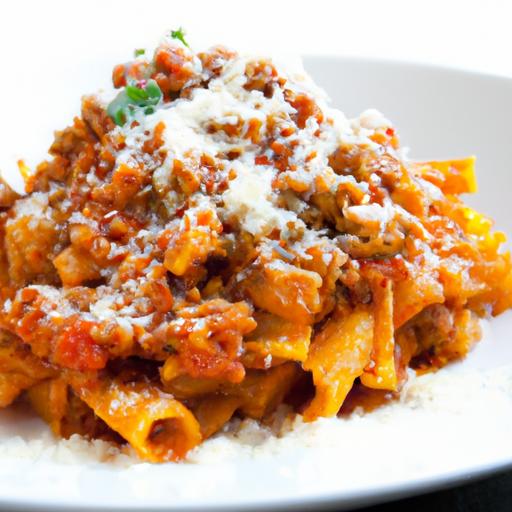
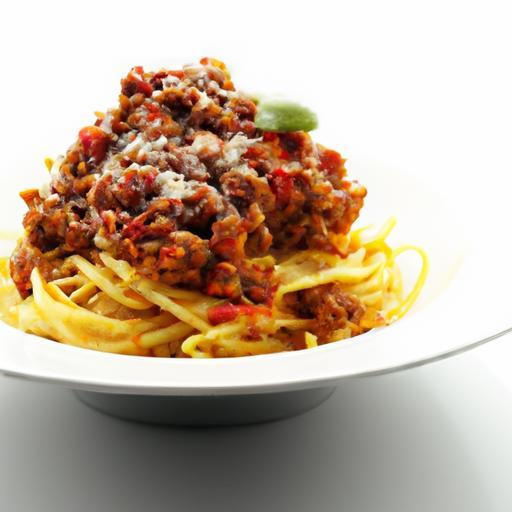
Serve this classic ragù tossed with tagliatelle, the conventional flat ribbons that cling perfectly to the sauce’s rich texture. Alternatively, pappardelle or even fresh fettuccine work splendidly. Nestle a generous ladle on a warm plate,sprinkle freshly grated Parmigiano-Reggiano,and garnish with torn fresh basil or flat-leaf parsley for vibrant color and aroma.
To elevate your Bolognese experience, pair it with medium-bodied red wines such as a Chianti Classico or a Sangiovese-based Tuscan wine. Their bright acidity and rustic tannins complement the sauce’s richness beautifully, cleansing the palate with each sip.

| Nutrient | Per Serving |
|---|---|
| Calories | 420 kcal |
| Protein | 28 g |
| Carbohydrates | 12 g |
| Fat | 28 g |
For those inspired to explore more, discover our guide on homemade pasta basics, the perfect partner to your freshly crafted Bolognese Unveiled sauce.
Q&A
Q&A: Bolognese Unveiled: The Rich Story Behind Italy’s Classic Sauce
Q1: What exactly is Bolognese sauce?
A1: Bolognese is a hearty, meat-based sauce that hails from Bologna, Italy. Unlike the rapid tomato sauces many associate with pasta, Bolognese is a slow-cooked ragù combining ground meat, soffritto (a blend of onions, carrots, and celery), tomatoes, wine, and frequently enough milk or cream. Its rich, velvety texture and deeply layered flavors make it a beloved staple in Italian cuisine.
Q2: How did Bolognese sauce originate?
A2: The roots of Bolognese trace back to the rich culinary traditions of Emilia-Romagna, a region known for its robust food heritage. The first recorded recipe resembling modern Bolognese was documented in the late 18th century by Antonio Latini,a steward in Bologna. His humble ragù combined meat and tomato,setting the foundation for what would evolve into the classic sauce we know today.
Q3: What sets authentic Bolognese apart from other Italian tomato sauces?
A3: Authentic Bolognese is less about vibrant, tangy tomatoes and more about slow-simmered meat flavors. tomatoes play a supporting role rather than dominating. The inclusion of milk or cream adds a silky richness while the soffritto provides a savory base. Additionally, Bolognese is traditionally paired with broad, flat pastas like tagliatelle, which cling to the thick sauce better than thin noodles.Q4: are there regional variations of Bolognese within Italy?
A4: Absolutely! While the classic Bolognese recipe sticks close to its Bologna origins, nearby regions might incorporate slight twists-some add pancetta or different types of meat like pork or veal, others tweak seasoning or wine choices. However, the essence remains the same: a lovingly slow-cooked meat sauce steeped in tradition.
Q5: How has Bolognese evolved internationally?
A5: Abroad, Bolognese frequently enough undergoes transformations to suit local tastes-sometimes turning into a quick meat and tomato sauce served over spaghetti, dubbed “spaghetti Bolognese.” purists might wince,but this adaptation speaks to Bolognese’s global charm. interestingly, the sauce’s DNA is also found in dishes like American-style chili or even British “sloppy joe” fillings-testaments to its versatile soul.
Q6: What are some tips for making the perfect Bolognese at home?
A6: Patience is key! Start with finely chopped soffritto sautéed gently to release sweetness. Use a mix of meats if you can-beef, pork, and veal for complexity.Deglaze with good-quality wine, add just enough tomato to balance, and don’t skip the milk-it mellows acidity and tenderizes the meat. Simmer slowly for hours to coax out deep, harmonious flavors. And pair with the right pasta-wide ribbons or pappardelle work beautifully.
Q7: Why is Bolognese considered a symbol of Italian culinary art?
A7: Bolognese embodies the Italian philosophy of cucina povera-transforming humble ingredients into something unforgettable through technique and love. It honors tradition, regional identity, and the slow-food movement’s values. Each simmered pot tells a story of community, family dinners, and Italy’s enduring passion for food that nourishes both body and soul.
Weather you’re savoring a plate in bologna or stirring a bubbling pot at home,Bolognese is more than just a sauce-it’s a delicious journey into Italy’s rich gastronomic history. Buon appetito!
Insights and Conclusions
As the last thread of Bolognese sauce clings to your fork, it’s clear that this humble dish carries more than just rich flavors-it carries centuries of tradition, regional pride, and culinary evolution. From the bustling kitchens of Bologna to tables around the world, Bolognese has transcended borders while staying true to its roots. Whether you savor it slow-simmered with care or reinvent it in your own kitchen, understanding its story invites a deeper recognition of every hearty bite. So next time you twirl that pasta, remember: you’re tasting a tapestry woven through history, culture, and the timeless art of Italian cooking.Buon appetito!