
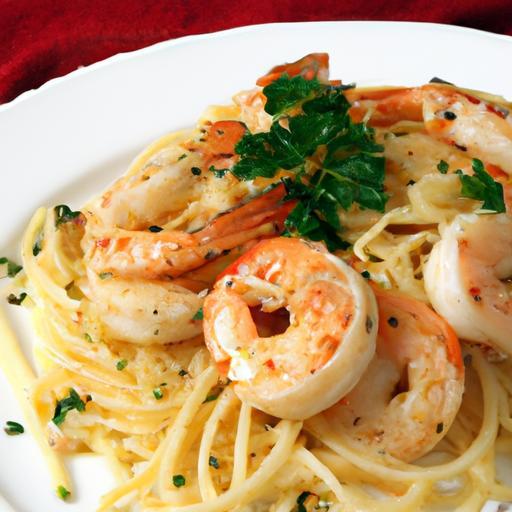
beneath the shimmering sun of the French Riviera, where the Mediterranean breeze carries whispers of ancient mariners and bustling fish markets, lies a culinary treasure steeped in history and flavor: bouillabaisse. More than just a seafood stew,this iconic dish is a vibrant tapestry of Provence’s coastal heritage,blending humble ingredients into a symphony of taste that has captivated palates for centuries. In “Bouillabaisse Unveiled: France’s Iconic Seafood Stew Explained,” we dive deep into the origins, traditions, and secrets that make bouillabaisse a beloved emblem of French gastronomy-inviting you to savor the story behind each fragrant, bubbling pot.
Bouillabaisse unveils a captivating voyage through the sun-drenched shores of Marseille, where this iconic French seafood stew was born out of fishermen’s humble ingenuity. Originally crafted from the catch of the day that couldn’t be sold at market, bouillabaisse magically transforms simple, rustic ingredients into a vibrant, aromatic celebration of the Mediterranean. Steeped in centuries of tradition, this dish is not merely a meal but a ritual-inviting friends and family to gather around the table and savor the bounty of the sea with every fragrant spoonful.
Prep and Cook Time
- Readiness: 30 minutes
- Cooking: 1 hour 15 minutes
- Total Time: 1 hour 45 minutes
Yield
Serves 6 generous portions
Difficulty Level
medium – requires patience and attention to layering flavors
Essential Ingredients That define an Authentic Bouillabaisse
- 2 lbs monkfish, firm white fish like rascasse or sea bass, cut into chunks
- 1 lb mussels, cleaned and debearded
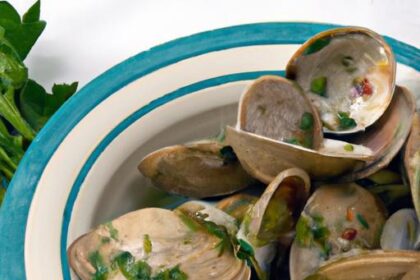
- 1 lb clams, fresh and scrubbed
- 1 lb raw prawns or langoustines, peeled
- 3 large tomatoes, peeled and chopped
- 1 fennel bulb, thinly sliced
- 2 leeks, white parts only, thinly sliced
- 4 cloves garlic, minced
- 1 large onion, chopped
- 1/4 cup olive oil, extra virgin
- 1/2 tsp saffron threads
- 2 tsp dried orange zest
- 1 tsp fennel seeds, lightly crushed
- 1/2 cup dry white wine (preferably a crisp Provençal variety)
- 6 cups seafood stock or fish broth
- 1 bay leaf
- Salt and freshly ground black pepper to taste
- Fresh parsley and thyme sprigs for garnish
- 1 baguette, sliced and toasted for serving
- Traditional rouille sauce (optional for authentic touch)
Step by Step Guide to Crafting the Perfect seafood Stew
- Prepare the base: heat olive oil in a large, heavy-bottomed pot over medium heat. Sauté the onions, leeks, and fennel until soft and translucent, about 8 minutes. add the garlic and fennel seeds, cooking until fragrant, about 2 minutes more.
- Build the broth: Stir in the chopped tomatoes, dried orange zest, and saffron. Pour in the white wine and allow it to reduce by half, roughly 5 minutes. This step unlocks the radiant acidity crucial to balancing the stew’s depth.
- Add stock and herbs: Pour in the seafood stock and add the bay leaf and thyme sprigs. Bring to a gentle boil then reduce to a simmer and let cook uncovered for 20 minutes,concentrating the flavors.
- Cook the fish: Add the firm fish chunks first, simmering gently for 10 minutes. Layering ingredients by their cooking time is key to avoid overcooking delicate seafood.
- Shellfish finale: Add the mussels, clams, and prawns. Cover the pot and cook until shells open and prawns turn pink, about 5-7 minutes.Discard any unopened shellfish for safety.
- Season and refine: Taste and adjust seasoning with salt and pepper. remove bay leaf and thyme sprigs to keep the broth clean and aromatic.
- serve promptly: Ladle the lively stew into large bowls, ensuring an inviting mix of fish and shellfish in every serving.
Expert Tips for Pairing Bouillabaisse with Wine and Side Dishes
- Pair this rich and complex seafood stew with a chilled glass of white provencal rosé or a crisp, mineral-driven Sauvignon Blanc.Their acidity cuts through the broth’s richness and highlights the saffron’s floral notes.
- The classic accompaniment is toasted baguette slices spread with rouille sauce, a garlicky, spicy aioli that amplifies Bouillabaisse’s luxurious texture and flavor.
- Serve a crisp green salad tossed in lemon vinaigrette to refresh the palate and contrast the stew’s deep flavors.
- For a heartier side, simple steamed potatoes can be dunked into the broth, soaking up every hint of its briny essence.
Chef’s Notes and Tips for Success
- Seafood selection: Tradition calls for Provençal fish like rascasse, but you can substitute with monkfish or cod. Blend firm fish with shellfish for authentic texture and flavor.
- Saffron quality: Invest in high-quality saffron threads-they impart the iconic golden hue and subtle complexity essential to Bouillabaisse.
- Make-ahead: Prepare the broth base a day in advance and refrigerate. This step deepens flavors and reduces active cooking time.
- Don’t rush: Simmer gently to keep fish tender and avoid breaking apart delicate chunks.
- safety first: Discard any shellfish that fail to open after cooking to avoid foodborne risk.
Serving Suggestions
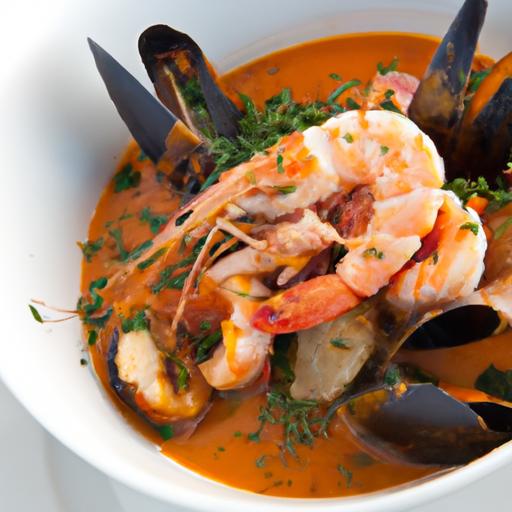
Present your Bouillabaisse in rustic wide bowls to showcase the mosaic of seafood colors. Garnish with freshly chopped parsley and a few thyme sprigs for bright herbal notes. Offer a lemon wedge on the side for an optional zesty finish. Place toasted baguette slices spread with silky rouille on serving plates or a wooden board-inviting diners to savor the stew’s robust broth with every rich bite. This visually striking, fragrant stew turns any table into a Mediterranean seaside feast.

| Nutrient | Per Serving |
|---|---|
| Calories | 380 kcal |
| Protein | 45 g |
| Carbohydrates | 20 g |
| Fat | 12 g |
for a deeper dive into Provencal culinary traditions, explore our complete guide to Provence cooking and unlock more classic recipes to complement your Bouillabaisse experience.
Q&A
Q&A: Bouillabaisse Unveiled – France’s Iconic Seafood stew Explained
Q1: What exactly is bouillabaisse?
A1: At its heart, bouillabaisse is a sumptuous seafood stew originating from the sun-kissed port city of Marseille, france. Traditionally, it’s a fragrant melange of various Mediterranean fish, shellfish, and aromatic herbs simmered to perfection in a rich, saffron-tinged broth. Think of it as a culinary love letter from French fishermen who turned humble catches into a legendary dish.Q2: How did bouillabaisse come to be?
A2: Legend has it that bouillabaisse was born out of necessity. Fishermen would take home the less desirable fish they couldn’t sell at market-frequently enough bony or overabundant varieties-and transform them into a savory stew.Over time, this practical meal evolved into a celebrated culinary treasure, steeped in tradition and local pride.
Q3: What sets bouillabaisse apart from other seafood stews?
A3: What truly makes bouillabaisse unique is its soul-stirring broth infused with Provençal flair-saffron, fennel, tomatoes, garlic, and orange zest knit together to create a hypnotic tapestry of flavor. Unlike simpler fish soups, bouillabaisse is also served with rouille, a garlicky red pepper mayonnaise, and crusty bread, which amplify the sensory experience.
Q4: Are there specific types of fish that must be used?
A4: Purists swear by a selection of Mediterranean “rockfish” such as rascasse (scorpionfish), sea robin, and conger eel. These varieties lend a distinct depth and texture to the stew. However, flexibility is the name of the game-the freshest local catch often dictates the final mix, keeping each pot of bouillabaisse deliciously distinct.Q5: How is bouillabaisse traditionally prepared and served?
A5: Traditionally, the fish heads and shells simmer first to build that golden broth. Afterwards, the meatier fish and shellfish join the pot in stages to preserve their delicate textures. the stew is typically presented in two acts: first the broth soaked up with bread and slathered in rouille, then the hearty morsels of seafood served separately on a platter-inviting diners to savor each flavor at leisure.
Q6: Can bouillabaisse be made outside Provence?
A6: Absolutely! While nothing quite matches the magic of sitting on a Marseille terrace savoring bouillabaisse with the sea breeze on your face, home cooks worldwide can recreate its essence. The key is quality seafood, aromatic herbs, and a patient, loving hand. With creativity and respect for tradition, bouillabaisse transcends borders beautifully.
Q7: Why has bouillabaisse remained an enduring symbol of French cuisine?
A7: Beyond its sumptuous flavors,bouillabaisse embodies a rich cultural narrative-of coastal heritage,community,and culinary ingenuity. It invites us to slow down and celebrate the bounty of the sea, bridging humble origins with haute cuisine artistry. For many, a bowl of bouillabaisse is not just a meal, but a taste of France’s soulful heart.
Concluding remarks
As the savory aromas of bouillabaisse continue to waft through the cobbled streets of Marseille and beyond, this iconic French seafood stew remains much more than just a dish-it is a vibrant testament to the rich maritime heritage and culinary artistry of the Mediterranean.Understanding its origins, traditional ingredients, and the loving ritual behind its preparation allows us not only to savor each flavorful spoonful more deeply but also to appreciate the cultural tapestry it represents.Whether enjoyed in a bustling seaside bistro or crafted in your own kitchen, bouillabaisse invites you to dive into a timeless story of flavors that celebrate the sea’s bounty and France’s enduring passion for gastronomy. So next time you find yourself craving a taste of the french coast,remember: you’re not just eating a stew-you’re experiencing a living tradition that continues to enchant palates worldwide.