
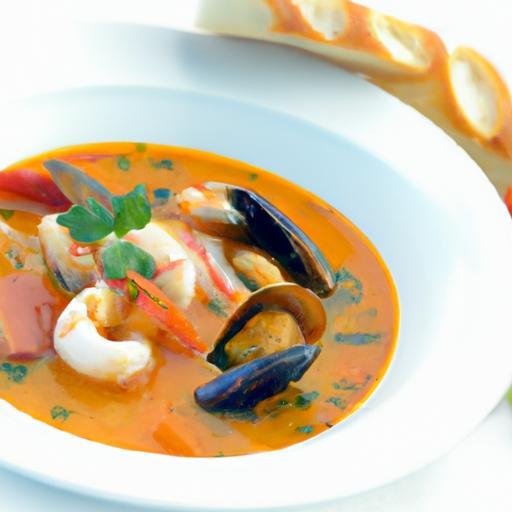
Beneath the golden sun of the Mediterranean coast, where azure waves kiss the shores of Provence, simmers a culinary treasure as rich in history as it is indeed in flavor: bouillabaisse. More than just a hearty fish stew, this legendary French dish is a vibrant tapestry woven from the threads of tradition, culture, and the bounties of the sea. “bouillabaisse unveiled: France’s legendary Fish Stew Story” invites you on a journey beyond the bowl-delving into the origins of this iconic recipe, the fishermen’s lore that shaped it, and the aromatic symphony that continues to captivate palates around the world. Join us as we explore the depths of bouillabaisse, uncovering the secrets that make it a beloved emblem of French coastal heritage.
Bouillabaisse unveiled is more than just a fish stew-it’s a timeless symbol of Provence’s coastal heritage and culinary ingenuity. Originating in the port city of Marseille, this legendary dish emerged from humble fishermen’s homes where fresh catch and aromatic herbs melded to create a heartwarming, soul-satisfying meal. The very essence of Provence is captured here: sun-soaked markets bursting with vibrant ingredients,the salty sea breeze,and generations of shared stories simmered into each spoonful. Crafting bouillabaisse transcends cooking-it’s an immersive journey through Provençal culture and tradition, designed to bring family and friends together around one unforgettable pot.
Prep and Cook Time
- Prep Time: 30 minutes
- Cook Time: 1 hour 15 minutes
- total Time: 1 hour 45 minutes
Yield
serves 6 generously
Difficulty Level
Medium – requires attention to layering flavors and handling multiple seafood types
Key Ingredients
- 3 lbs mixed firm white fish (such as rascasse, sea robin, and monkfish), cleaned and cut into large chunks
- 1 lb shellfish (mussels and clams, scrubbed)
- 1 lb large shrimp or langoustines, peeled and deveined
- 3 tbsp olive oil, extra virgin
- 2 large onions, thinly sliced
- 4 cloves garlic, minced
- 3 ripe tomatoes, peeled and chopped (or 1 cup canned crushed tomatoes)
- 1 medium fennel bulb, thinly sliced
- 1 cup dry white wine
- 1 tsp saffron threads, soaked in 2 tbsp warm water
- 1 tsp dried thyme
- 2 bay leaves
- 4 cups fish stock (preferably homemade or quality bottled)
- 2 large potatoes, thinly sliced (optional, traditional in some recipes)
- Salt & freshly ground black pepper to taste
- 1 loaf rustic French bread, for toasting
- Rouille sauce (a garlicky saffron mayonnaise) to serve
Step-by-Step Instructions
- Prepare the broth base: In a large heavy-bottomed pot, heat the olive oil on medium heat. Add thinly sliced onions, fennel, and garlic. Sauté until softened and golden,about 8 minutes,stirring occasionally to avoid burning.
- Add the tomatoes: Stir in the chopped tomatoes and cook down for 10 minutes, allowing thier juices to meld with the aromatics.
- Deglaze and infuse: Pour in the white wine, scraping the pot’s bottom to lift all flavorful bits. Let it simmer until reduced by half, about 5 minutes.
- Build the broth: Add fish stock, dried thyme, bay leaves, and the saffron with its soaking water. Season lightly with salt and pepper. Bring the mixture to a gentle simmer.
- Cook the potatoes: If using, add the sliced potatoes now and simmer for 15 minutes until tender but firm.
- Add the fish: Gently place the chunks of firm white fish into the broth. Poach gently, maintaining a low simmer, for about 10 minutes until fish is just cooked through.
- Add shellfish and shrimp: Nestle in mussels, clams, and shrimp. cover and cook for 5-7 minutes until the shells open and shrimp turns pink.
- Adjust seasoning: Taste the broth and adjust salt and pepper as necessary. Discard any unopened shellfish.
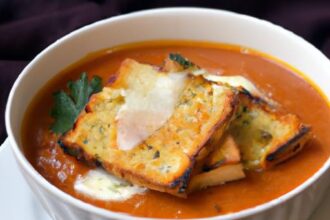
- Prepare rouille and bread: While the stew simmers, toast rustic slices of french bread until golden. Serve with a dollop of rouille for spreading.
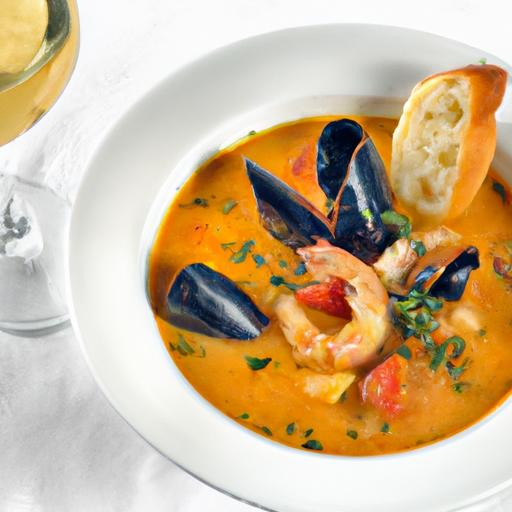
- Serve elegantly: Ladle the broth into large bowls, layering seafood and a generous spoonful of broth on top. Garnish with fresh parsley and a squeeze of lemon if desired.
Chefs’ Notes and Tips for Success
- Choosing fish: Authentic bouillabaisse relies on a combination of firm, flavorful Mediterranean fish. if unavailable, substitute with local white fish like snapper or cod, but avoid flaky whitefish.
- Saffron’s role: This precious spice elevates the broth’s complexity and golden hue-don’t rush its soaking process as that releases its full aroma.
- Make ahead: Prepare the broth a day in advance. Flavor deepens overnight,and reheating slowly on low heat enhances richness.
- Seafood timing: Add delicate shellfish and shrimp at the last moment to prevent overcooking and toughness.
- Rouille shortcut: For ease, purchase store-bought rouille, or blend mayonnaise, garlic, saffron, and cayenne to replicate the classic spread.
Serving Suggestions to Elevate Your Bouillabaisse Experience
Present bouillabaisse in deep bowls, ensuring each serving showcases an array of vibrant seafood pieces bathed in the golden broth. Place toasted crusty bread on the side, generously slathered with aromatic rouille. Complement with chilled Provencal rosé or a crisp white wine such as cassis.
For added rustic charm, scatter fresh parsley and thin rounds of lemon across the stew. The contrast between the radiant herbaceous notes, lemon’s acidity, and the saffron broth’s warmth enhances every spoonful.
| Nutrient | Per Serving |
|---|---|
| Calories | 380 kcal |
| Protein | 42 g |
| Carbohydrates | 15 g |
| Fat | 12 g |

For further insight on Provence cuisine’s rich tapestry, explore our Provence culinary guide.For authoritative history on bouillabaisse, visit Wikipedia’s Bouillabaisse entry.
Q&A
Q&A: bouillabaisse Unveiled – France’s Legendary Fish Stew Story
Q1: What exactly is bouillabaisse?
A1: At its heart, bouillabaisse is more than just a fish stew; it’s a fragrant, sun-soaked symphony of the Mediterranean. Originating from the port city of Marseille, this French classic combines a variety of fresh fish, shellfish, and aromatic herbs simmered in a rich broth infused with saffron, garlic, fennel, and tomatoes. It’s a dish that tells the story of the sea, the sailors, and the culture of the Provençal coast.
Q2: How did bouillabaisse get its name?
A2: The name “bouillabaisse” comes from the Provençal words “boui” (to boil) and “abaissar” (to lower or reduce heat). This reflects the traditional cooking technique: fish and aromatics are first boiled, then the heat is lowered to let the flavors meld slowly – a perfect metaphor for the dish’s layered complexity.
Q3: Is there a specific type of fish used in bouillabaisse?
A3: Authentic bouillabaisse requires a medley of Mediterranean fish, especially the “rock fish” varieties that thrive near Marseille’s rocky seabed – think rascasse (a type of scorpionfish), conger eel, monkfish, and sea robin. Each fish brings its own texture and flavor, creating an intricate underwater mosaic in the pot. The choice of fish was historically practical, using whatever the local fishermen couldn’t sell at market.Q4: What sets bouillabaisse apart from other fish stews?
A4: Bouillabaisse is distinguished by its ritualistic readiness and serving style.Traditionally, the broth is served first, accompanied by rouille (a garlicky saffron mayonnaise) spread on toasted bread. Then, the fish is presented separately, inviting diners to savor each element thoughtfully. The complexity of its saffron-infused broth combined with the freshness of the fish and the piquancy of rouille makes it a uniquely layered taste experience.
Q5: Can bouillabaisse be found outside of Marseille?
A5: While bouillabaisse’s roots lie firmly in Marseille, its fame has spread worldwide, inspiring many adaptations and interpretations. Though, purists argue that a true bouillabaisse must be made with local fish from the mediterranean and prepared following time-honored traditions. Outside france, versions might substitute fish or adjust spices, but the essence of Provence’s maritime heritage remains.
Q6: What cultural meaning does bouillabaisse hold in France?
A6: Bouillabaisse is emblematic of Marseille’s identity – a dish born from the humble fishing community yet elevated to gastronomic legend. It reflects the resourcefulness of fishermen, the bounty of the sea, and the conviviality of French dining culture. Sharing a pot of bouillabaisse is often a communal celebration,weaving together history,geography,and friendship.
Q7: Any tips for making an authentic bouillabaisse at home?
A7: Start with the freshest fish you can find – ideally Mediterranean varieties. Don’t rush the broth; patience in simmering coax out the deep flavors. Embrace the traditional spices: saffron is essential for that golden hue and subtle aroma. don’t forget the rouille – it’s the soul of the dish, adding sharpness and creaminess that complements the broth perfectly. and remember: it’s more than a recipe; it’s a taste of Provence’s soul.
This Q&A captures the enchanting story behind France’s legendary fish stew,inviting readers to dive into the rich tapestry of flavors,history,and culture that is bouillabaisse.
In Conclusion
As the final spoonful of bouillabaisse lingers on the palate, so too does the rich history and vibrant culture imbued within this legendary French stew. From the humble fishermen’s boats of Marseille to the elegant tables of gourmet restaurants, bouillabaisse tells a story of tradition, community, and culinary artistry. More than just a dish, it embodies the spirit of the Mediterranean-a harmonious blend of sea, spice, and soul. So next time you dive into a steaming bowl, remember you’re partaking in a centuries-old tale that continues to simmer, inviting new generations to savor its timeless magic.