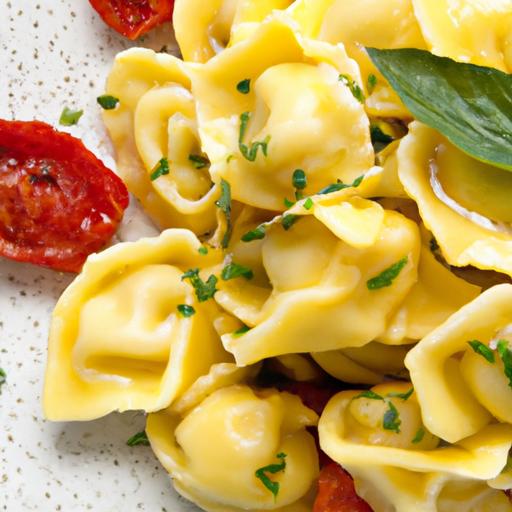



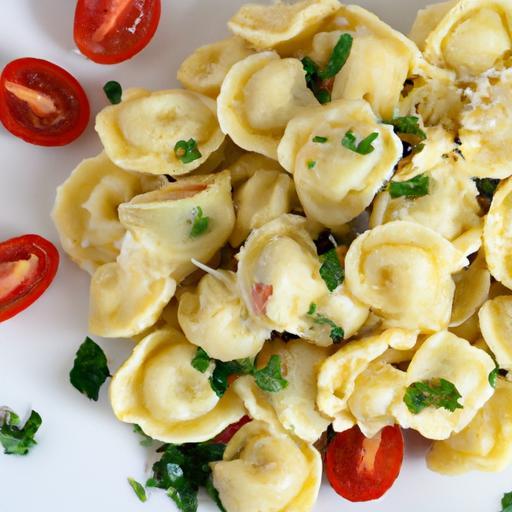
In the vibrant tapestry of Italian cuisine, few dishes capture the heart quite like cheese tortellini. These delicate, ring-shaped parcels are more than just pasta; they are a party of centuries-old tradition, craftsmanship, and the simple joy of good food. “Cheese Tortellini unwrapped: A Savory Italian Delight” invites you on a flavorful journey to explore the origins, ingredients, and irresistibly creamy fillings that have made this beloved dish a staple on tables from Bologna to beyond. Whether enjoyed in a rich broth or tossed in a luscious sauce, cheese tortellini offers a perfect harmony of texture and taste-an edible emblem of ItalyS culinary artistry waiting to be discovered bite by bite.
Cheese Tortellini Unwrapped: A Savory Italian Delight That Enchants Every Palate
Cheese tortellini unwrapped is more than just a dish; it is a journey deep into Italy’s culinary heartland.This small pasta, meticulously folded and filled wiht a harmonious blend of cheeses, truly captures a centuries-old craftsmanship that elevates every dining experience. Growing up in an Italian household, I vividly remember my Nonna’s hands expertly shaping each tortellino with love and patience-her secret to the perfect texture and flavor lies in the simplicity and quality of ingredients.Today, I invite you to uncover the magic behind authentic cheese tortellini, explore its vibrant flavor profiles, and master the art of preparing and serving it with gourmet flair.
Prep and Cook Time
- Preparation: 40 minutes
- Cooking: 6-8 minutes
- Total Time: 50 minutes
Yield
Serves 4 generously.
Difficulty Level
Medium – Requires some pasta folding skills but very rewarding.
Ingredients
- 2 cups all-purpose flour,sifted,plus extra for dusting
- 3 large eggs,room temperature
- 200g (7 oz) ricotta cheese,well-drained
- 100g (3.5 oz) Parmigiano-Reggiano, finely grated
- 100g (3.5 oz) fresh mozzarella, diced small
- 1/4 tsp freshly grated nutmeg
- Salt and freshly ground black pepper to taste
- 2 tbsp unsalted butter
- Fresh sage leaves for finishing
- Optional: a drizzle of extra virgin olive oil or light tomato sauce for serving
Instructions
- Make the dough: On a clean surface, mound the flour and create a well in the center. Crack the eggs into the well and gently whisk with a fork,gradually incorporating the flour until a dough forms. Knead vigorously for 10 minutes until smooth and elastic. Wrap in plastic and rest at room temperature for 30 minutes.
- Prepare the filling: In a bowl, combine ricotta, Parmigiano-Reggiano, mozzarella, nutmeg, salt, and pepper until creamy and well-incorporated. Taste and adjust seasoning.
- Roll out the dough: Divide dough into 4 pieces, working one at a time. Roll each piece thinly (about 1-2 mm) on a floured surface or pasta machine.
- Shape the tortellini: Cut dough into 3-inch squares.Place a small teaspoon of filling in the center of each. Fold into a triangle, sealing edges firmly with a little water. Bring the corners of the triangle together, pressing gently to form a ring-shaped tortellini.
- Cook the tortellini: Bring a large pot of salted water to a gentle boil. Drop tortellini in batches and cook for 3-5 minutes or until they float to the surface and are tender but al dente.
- Prepare sage butter sauce: While tortellini cooks,heat butter in a skillet over medium heat. Add fresh sage leaves and sauté until fragrant and butter is lightly browned, about 2-3 minutes.
- Toss and serve: Drain the tortellini carefully and transfer to the skillet with sage butter.Toss gently to coat. Serve instantly, garnished with extra Parmigiano and a drizzle of olive oil or a light tomato sauce if desired.
Chef’s Notes | Tips for Success
- Filling consistency: Drain ricotta overnight in cheesecloth to avoid watery stuffing that can cause sealing issues.
- Sealing tips: Ensure dough edges are dusted lightly with flour and use cold water to moisten the edges for the best seal.
- Make-ahead: Freeze uncooked tortellini on a parchment-lined tray; once solid, transfer to a sealed bag. Cook from frozen adding an extra minute to the boiling time.
- Cheese variations: Experiment with Cremona cheese or pecorino romano in place of mozzarella for sharper notes.
- Serving upgrade: Swap sage butter for a truffle cream sauce for an indulgent twist.
Serving Suggestions for a Gourmet Experience
Plate cheese tortellini unwrapped with pan-toasted walnuts for crunch and fresh arugula for a peppery balance. Garnish with delicate sage leaves crisped in butter and a sprinkle of finely grated Parmigiano-reggiano. Pair with a chilled glass of Verdicchio or Pinot Grigio to complement the creamy filling and buttery sauce. For an authentic touch, serve with a slice of rustic Italian bread to soak up every luscious bite.

Nutrition Facts (Per Serving)
| Nutrient | Amount |
|---|---|
| Calories | 420 kcal |
| protein | 18 g |
| Carbohydrates | 45 g |
| Fat | 15 g |
Explore More Italian Pasta Recipes
Delve deeper into Italian culinary artistry by visiting our collection of homemade pasta recipes, designed to elevate your home cooking. For a deeper understanding of Italian cheese varieties, Cheeseboard.com offers authoritative insights that perfectly complement your cheese tortellini preparations.
Q&A
Q&A: Cheese Tortellini Unwrapped – A Savory Italian Delight
Q1: What exactly is cheese tortellini?
A1: Cheese tortellini are little rings of pasta, lovingly folded and stuffed with a rich blend of cheeses-usually ricotta, Parmesan, and sometimes mozzarella or pecorino. Hailing from Italy’s Emilia-Romagna region, these delicate pasta bundles bring a world of savory comfort in every bite.
Q2: How did cheese tortellini originate?
A2: Legend has it that tortellini were inspired by the shape of Venus’s navel, crafted by inspired chefs trying to capture beauty and flavor in pasta form. Their roots trace back to medieval Italy, where these cheesy pillows began as a humble yet luxurious treat enjoyed by noble and common folk alike.
Q3: What makes cheese tortellini different from other stuffed pastas?
A3: Unlike ravioli, which are typically square or rectangular, tortellini are shaped like tiny rings or navel-like shapes, giving them a distinct look and bite. Their filling is usually creamy and cheese-forward, making them melt-in-your-mouth maestros of texture and taste.
Q4: What cheeses are typically used in cheese tortellini?
A4: The classic lineup includes ricotta for creaminess, Parmesan for sharpness, and often a hint of mozzarella or pecorino for depth and saltiness. This trio creates a harmonious balance that defines the savory soul of cheese tortellini.
Q5: How are cheese tortellini traditionally served?
A5: traditionally, they’re gently boiled and served with simple accompaniments that let their flavor shine-think a butter and sage sauce, a light tomato broth, or a drizzle of extra virgin olive oil with freshly cracked pepper. Of course, they also love to mingle with hearty ragùs or creamy Alfredo sauces.
Q6: Can cheese tortellini be made at home?
A6: Absolutely! Making cheese tortellini from scratch is a rewarding culinary adventure. It involves crafting fresh pasta dough, mixing a luscious cheese filling, and mastering the artful folding technique that creates those signature rings.Patience and a bit of practice pay off appetizing dividends.
Q7: Are cheese tortellini frozen or fresh found in stores better?
A7: Fresh cheese tortellini offer an authentic texture and flavor that’s tough to beat, but high-quality frozen versions can be surprisingly convenient and flavorful.It’s all about sourcing products from reputable makers who respect tradition and ingredients.
Q8: What wine pairs best with cheese tortellini?
A8: A crisp, light white wine such as pinot Grigio or a dry Soave beautifully complements the creamy richness of cheese tortellini, enhancing the dish without overpowering its delicate flavors.
Q9: Any creative twists for cheese tortellini dishes?
A9: For a modern spin, try tossing cheese tortellini with roasted cherry tomatoes, fresh basil, and toasted pine nuts. Or bake them in a creamy béchamel with spinach for a luscious gratin. The possibilities are as endless as your culinary imagination!
Q10: Why is cheese tortellini considered a beloved Italian classic?
A10: Cheese tortellini capture the essence of Italian cooking-simple ingredients elevated through artisanal craftsmanship into something magical. Their comforting richness, ingenious shape, and centuries-old heritage make them a timeless savory delight treasured worldwide.
In Conclusion
As the final folds of cheese tortellini come undone, we uncover more than just a pasta – we reveal a centuries-old tradition wrapped in every bite. This savory Italian delight is a testament to the art of culinary craftsmanship, where simplicity meets richness, and every morsel tells a story of heritage and flavor. Whether enjoyed in a hearty broth or tossed in a vibrant sauce, cheese tortellini invites you to savor a slice of Italy’s soul, one delicious parcel at a time. So next time you unwrap these tiny pillows of joy, remember you’re not just tasting pasta-you’re experiencing a timeless celebration of taste and culture. Buon appetito!