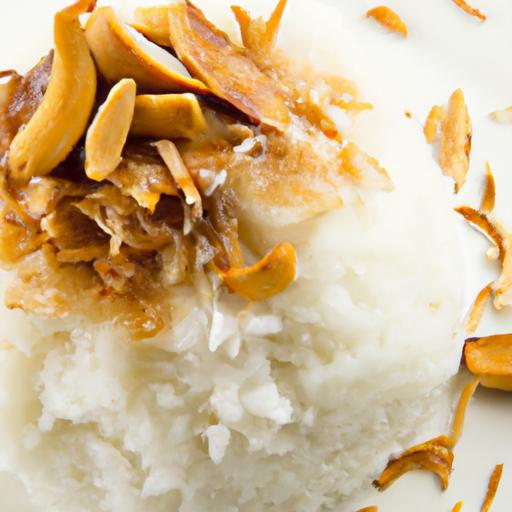


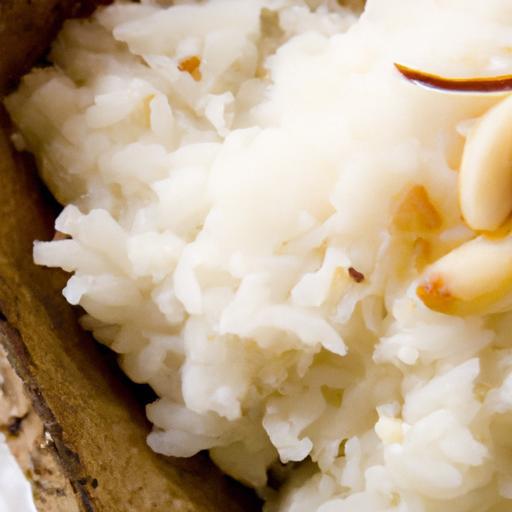
Nestled within the vibrant tapestry of Southeast Asian cuisine lies a dessert that dances effortlessly between simplicity and indulgence: coconut sticky rice. This creamy tropical delight, with its glossy grains and rich coconut aroma, has captivated taste buds for centuries, offering a perfect harmony of texture and flavor. More than just a sweet treat,coconut sticky rice tells a story of culture,tradition,and the bounty of nature’s tropical gifts. In this article, we unveil the secrets behind this beloved dish-exploring its origins, planning, and the magic that makes each bite a luscious escape too sun-drenched shores.
Coconut sticky rice is more than just a dessert; it is indeed a luscious emblem of Southeast Asian culinary artistry, weaving together simplicity and tropical indulgence. Originating primarily from Thailand and Laos, this creamy treat has enchanted generations with its unique texture and the subtle, fragrant sweetness of coconut milk.as a Culinary Content Creator and Food stylist, I’ve been fascinated by how the sticky rice’s natural chewiness perfectly balances with velvety coconut cream, creating an irresistible harmony that delights the senses. Whether enjoyed during festive occasions or as a daily sweet pleasure, this dish offers insight into a culture where food is a festivity of life’s richness.
Prep and Cook Time
- Preparation Time: 30 minutes (including soaking)
- Cooking Time: 45 minutes
- Total Time: 1 hour 15 minutes
Yield
Serves 4 generous portions
Difficulty level
Medium – requires patience for soaking and careful cooking to achieve perfect creaminess
Ingredients
- 1 cup glutinous (sticky) rice, rinsed and soaked for at least 4 hours or overnight
- 1 1/4 cups coconut milk (full fat for creaminess)
- 1/2 cup granulated sugar
- 1/4 teaspoon fine sea salt
- 1 tablespoon toasted sesame seeds (optional garnish)
- Fresh ripe mango slices or tropical fruit additions (mango recommended)
Instructions
- Prepare the sticky rice: Drain the soaked sticky rice thoroughly. Set up a steaming basket lined with cheesecloth or a clean kitchen towel over simmering water. Steam the rice, covered, for about 30-40 minutes until translucent and tender, turning halfway through to ensure even cooking.
- Cook the coconut sauce: While the rice steams, combine coconut milk, sugar, and salt in a saucepan over medium heat. Stir continuously until the sugar dissolves completely and the mixture is warmed but not boiling. Remove from heat to avoid curdling.
- Combine rice and sauce: Transfer hot sticky rice to a large bowl. Gradually pour about three-quarters of the coconut sauce over the rice, gently folding it with a wooden spoon or spatula. Cover with a towel and let it absorb the sauce for 20-30 minutes; the rice will become luxuriously creamy.
- Prepare toppings and serve: Spoon coconut sticky rice onto individual plates. Drizzle the remaining coconut sauce on top for extra richness. Garnish with toasted sesame seeds and colorful slices of fresh mango or your favorite tropical fruits.
Chef’s Notes: Tips for success
- For the authentic tactile experience, always use glutinous rice; other rice varieties won’t yield the same sticky texture.
- Soaking the rice overnight softens the grains and shortens steaming time-don’t skip this crucial step.
- Maintain a gentle simmer while cooking the coconut sauce-avoid boiling to keep the coconut milk from separating.
- Customize by adding a pinch of pandan leaves to the coconut milk for a fragrant twist, or sprinkle toasted mung beans for crunch.
- leftovers can be stored in an airtight container in the fridge for up to 2 days; reheat gently with a splash of coconut milk to restore creaminess.
Elevating Flavor with tropical Additions and Serving Suggestions
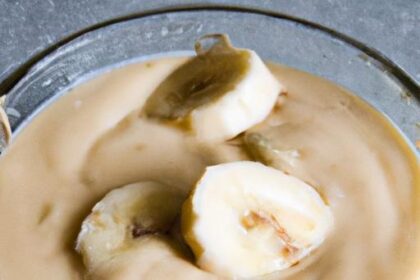
To truly transform this classic dessert into a tropical masterpiece, pair coconut sticky rice with juicy mango slices, fresh pineapple chunks, or ripe bananas. The natural fruit sugars contrast the creamy, subtly sweet rice, creating a vibrant interplay of textures and flavors. For plating inspiration, serve the coconut rice molded into neat scoops alongside fan-shaped mango slices. A final flourish of toasted sesame seeds or edible flowers both uplifts the dish’s visual appeal and adds delicate aroma.
For those wanting to experiment, a drizzle of palm sugar syrup or a sprinkle of crushed roasted peanuts introduces delightful complexity and depth. In Thailand, often a small dish of black beans cooked in coconut milk accompanies it, offering a balance of sweetness and earthiness.
Essential Tips for Preparing and Storing Coconut Sticky rice
The key to achieving that ideal creamy texture lies in attention to detail-from soaking the rice just right to controlling the heat of the coconut sauce. Always use fresh, high-quality coconut milk for its natural richness and avoid ultra-thin or diluted versions commonly found in cans labeled ‘light’. If your rice turns out dry, a gentle steam or reheating with additional coconut milk will rescue the texture.
when storing, place the coconut sticky rice in an airtight container and refrigerate promptly to maintain freshness. Before serving leftovers, let it come to room temperature and sprinkle with a bit of warm coconut milk to revive softness. This dessert is best enjoyed within two days, as prolonged refrigeration causes the sticky rice to harden.
| Nutritional Info (per serving) | Calories | Protein | Carbs | Fat |
|---|---|---|---|---|
| Coconut Sticky Rice | 320 | 4g | 55g | 9g |
For more insight on authentic Southeast Asian desserts, check our guide to Thai desserts. To deepen your knowledge on customary cooking methods, visit SBS Food’s feature on coconut sticky rice.

Q&A
Q&A: Coconut Sticky Rice – A Creamy Tropical Delight Unveiled
Q1: What exactly is coconut sticky rice?
A1: Coconut sticky rice is a luscious Southeast Asian dessert made by cooking glutinous rice in rich, sweetened coconut milk. The result is a creamy, slightly chewy treat that perfectly balances sweetness with the tropical essence of coconut.
Q2: Where does coconut sticky rice originate?
A2: This delightful dessert hails primarily from Thailand, Laos, and parts of Cambodia and Vietnam, where it’s cherished as a comforting staple and celebratory sweet. Each region offers its own twist, but the heart and soul of coconut sticky rice remain the same: simple ingredients that create something magically indulgent.
Q3: What makes coconut sticky rice different from regular rice dishes?
A3: unlike everyday rice, coconut sticky rice uses glutinous or sticky rice, which has a unique texture that’s tender yet delightfully sticky. Cooking it in coconut milk infuses every grain with creamy richness, transforming a humble grain into a tropical tapestry of flavor and texture.
Q4: How is coconut sticky rice traditionally served?
A4: Traditionally, coconut sticky rice is frequently enough paired with ripe mango slices, creating the iconic Thai dessert mango sticky rice. it also appears with other tropical fruits, topped with a drizzle of thick coconut cream, or sprinkled with toasted sesame seeds or mung beans for added contrast and crunch.
Q5: Can I make coconut sticky rice at home?
A5: absolutely! With a good quality glutinous rice, fresh or canned coconut milk, and a little patience, you can craft this creamy delight in your own kitchen. The key is soaking the rice beforehand and gently simmering it until tender and sticky, then folding in sweetened coconut milk for that signature richness.
Q6: What are some creative variations of coconut sticky rice?
A6: Beyond the classic mango pairing, you can experiment with flavors like pandan leaf-infused coconut milk, a sprinkle of toasted coconut flakes, or even serve it warm alongside tropical ice creams for a decadent fusion. Some enjoy it with a pinch of salt or black beans for a playful sweet-savory contrast.
Q7: Why has coconut sticky rice gained international popularity?
A7: Its rise to global stardom comes from its irresistibly creamy texture and the exotic allure of coconut combined with rice-a humble staple made extraordinary.It embodies comfort yet sophistication,making it a favorite for those seeking authentic tropical flavors that are both nostalgic and novel.
Q8: Is coconut sticky rice nutritious?
A8: While it’s undeniably indulgent, coconut sticky rice also offers some nutritional perks. Coconut milk provides healthy fats and minerals, and sticky rice delivers energy-boosting carbohydrates. Moderation is key, as the dessert is rich and often sweetened, but it’s a delightful occasional treat that satisfies both cravings and curiosity.
From kitchen experiments to street food stalls, coconut sticky rice remains a creamy tropical treasure inviting all food lovers to taste a little slice of paradise.
To Wrap It Up
As the final grains of coconut sticky rice melt into your palate, you’re left with more than just a sweet aftertaste-you carry with you a story of tradition, tropical warmth, and culinary artistry. This creamy,luscious dessert isn’t merely a dish; it’s an invitation to experience the vibrant culture and rich flavors woven into every tender bite.Whether enjoyed on a bustling street in Southeast Asia or recreated in your own kitchen,coconut sticky rice remains a timeless delight,reminding us that sometimes,the simplest ingredients combine to create the most unforgettable experiences. So next time you seek a taste of paradise, let this tropical treasure be your sweet escape.