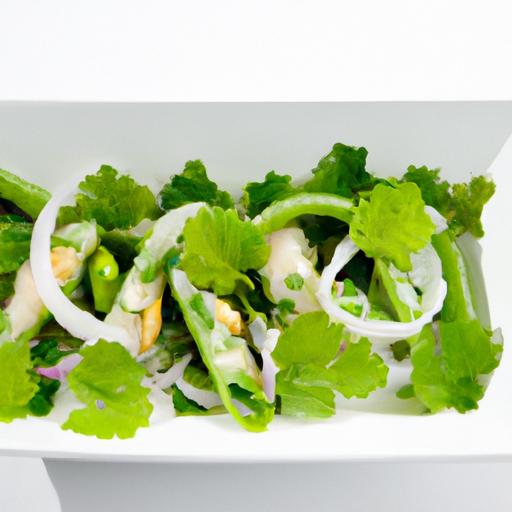




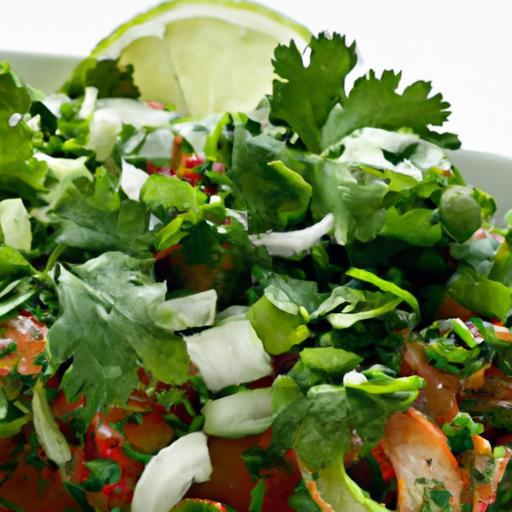
In the vibrant tapestry of global cuisine, few herbs have as intriguing a story as coriander. Known for its distinctive aroma and bold, slightly citrusy flavor, coriander has long captivated taste buds while sparking debates among flavor enthusiasts. But beyond its culinary charm lies a wealth of uses and surprising benefits that often go unnoticed. In “Coriander Unveiled: Flavor, Uses, and Surprising Benefits,” we embark on a journey to explore this humble herb in all its complexity-delving into its rich history, diverse applications, and the remarkable ways it can enhance not only your meals but your well-being. Prepare to discover coriander like never before.
Coriander Unveiled: Flavor,Uses,and Surprising Benefits
Coriander Unveiled reveals the vibrant essence of this beloved herb,cherished around the globe for its bright citrusy undertones and earthy warmth. From the bustling markets of India to the vibrant street food stalls of Mexico, coriander’s unmistakable aroma infuses dishes with life and cultural heritage, making each bite an adventurous festivity of flavor. Whether you’re a seasoned cook or just beginning your culinary journey, mastering coriander’s distinctive profile will unlock a new world of refreshing, herbaceous delight in your kitchen.
Prep and Cook time
- Planning: 10 minutes
- Cook Time: 15 minutes
- Total Time: 25 minutes
Yield
Serves 4 generously
Difficulty Level
Easy to Medium – perfect for weeknight dinners or weekend experimentation
Ingredients
- 1 cup fresh coriander leaves, chopped finely (reserve some whole leaves for garnish)
- 2 tablespoons olive oil
- 1 medium onion, diced
- 3 garlic cloves, minced
- 1 teaspoon ground cumin
- 1 teaspoon ground coriander seeds
- 1 medium tomato, chopped
- 1 cup cooked chickpeas (or canned, rinsed)
- 1 teaspoon lemon juice
- Salt and freshly ground black pepper, to taste
- 1 cup plain yogurt (optional, for creamy contrast)
- Warm flatbreads or steamed rice, for serving
Instructions
- Heat olive oil in a medium skillet over medium heat. Add the diced onion and sauté until translucent, about 5 minutes, stirring occasionally to prevent sticking.
- Add the minced garlic, ground cumin, and ground coriander seeds. Sauté for 1-2 minutes until fragrant, enhancing the herb’s complex aroma.
- Stir in the chopped tomato and cook until softened,about 4 minutes. This adds a subtle sweetness that balances coriander’s citrus notes.
- Add the cooked chickpeas, mixing thoroughly throughout the spice and tomato mixture. Heat through for 3 minutes.
- turn off the heat and stir in the chopped fresh coriander leaves and lemon juice. Season generously with salt and black pepper.
- For a creamy touch, fold in the plain yogurt just before serving, making the dish luxuriously smooth and cooling against the bold herb flavors.
- Serve instantly over warm flatbreads or beside steamed rice, garnished with whole coriander leaves for a burst of green freshness.
Tips for Success
- to preserve coriander’s vibrant flavor, add fresh leaves at the end of cooking rather than the start.
- If you prefer a spicier kick, sprinkle in a pinch of crushed red pepper or chopped green chilies along with the garlic.
- Ground coriander seeds and fresh coriander leaves bring different nuances-use both for a perfectly balanced herbaceous and warming spice effect.
- Substitute chickpeas with lentils or white beans for a different texture and protein source.
- Prepare the spice base ahead of time and refrigerate for up to two days to save cooking time on busy nights.
Serving Suggestions
This coriander-rich dish shines when served alongside fluffy basmati rice or wrapped in warm naan bread. Add a cooling cucumber raita or a zesty mango chutney for contrast. Finish with a drizzle of extra virgin olive oil and a sprinkle of toasted cumin seeds to elevate the aroma and presentation.

| nutrient | Per Serving |
|---|---|
| Calories | 220 |
| Protein | 10g |
| carbohydrates | 25g |
| Fat | 7g |
For more vibrant herb-inspired recipes, check out our Fresh Herbs Flavor Guide. To deepen your understanding of coriander’s health benefits, visit this scientific review on coriander’s therapeutic properties.
Q&A
Q&A: Coriander Unveiled – Flavor, Uses, and Surprising Benefits
Q1: What exactly is coriander?
A: Coriander is a versatile herb celebrated worldwide, known both as the leaves (often called cilantro) and the seeds. While the leaves offer a fresh, citrusy zing, the seeds provide a warm, nutty spice that’s a staple in many global cuisines.
Q2: How would you describe coriander’s flavor profile?
A: Imagine a bright, lemony freshness dancing on your tongue with the leaves, while the seeds deliver a complex blend of earthy, sweet, and slightly peppery notes. It’s a flavor that can be both bold and subtle, adding depth wherever it’s sprinkled.
Q3: what are the common culinary uses of coriander?
A: From Indian curries and Mexican salsas to Middle Eastern stews and Southeast Asian salads, coriander is a globe-trotter in the kitchen. Fresh leaves enliven dishes with vibrant aroma,while ground or whole seeds stir warmth and texture into breads,pickles,and spice blends.
Q4: Are there any surprising health benefits associated with coriander?
A: Absolutely! Beyond taste, coriander is a nutritional powerhouse. it’s known to aid digestion, act as a natural anti-inflammatory, and even help regulate blood sugar levels. Plus,its antioxidants can support overall wellness,making it a smart addition to your diet.
Q5: How can beginners incorporate coriander into their cooking?
A: start simple: sprinkle fresh chopped leaves over salads, tacos, or soups just before serving for a fresh punch. Experiment with toasted coriander seeds in marinades or rubs to unlock their fragrant warmth. The key is balancing its distinct flavor with other ingredients.
Q6: Any quirky facts about coriander?
A: Some people perceive coriander leaves as soapy or bitter due to genetics! But don’t fret-if that’s you, you’re among 10-20% of the population with a unique taste receptor. Also, coriander has been used medicinally since ancient times, making it a true herb of lore and flavor.
Q7: What’s the best way to store coriander for maximum flavor?
A: Fresh leaves thrive wrapped in a damp paper towel inside the fridge, extending life and keeping them crisp. Seeds should be stored in an airtight container away from light and heat to preserve their aromatic oils for months.
Q8: Can coriander be used beyond the kitchen?
A: yes! Coriander oil finds its way into aromatherapy and skincare for its soothing properties. Additionally, coriander seeds can be brewed into teas that calm and refresh, revealing the herb’s magic beyond just taste.
Whether you’re a culinary adventurer or a wellness seeker, coriander offers a world of flavor and benefits. Embrace its zest – your palate and body will thank you!
To Wrap It Up
As we peel back the layers of coriander’s vibrant profile, it becomes clear that this unassuming herb is much more than a garnish.From its bright, citrusy flavor that enlivens dishes across the globe to its surprising health benefits that support well-being in subtle yet impactful ways, coriander truly earns its place in kitchens and medicine cabinets alike. Whether you’re sprinkling its fresh leaves over a bowl of steaming curry or savoring the warm, nutty aroma of its seeds in a spice blend, coriander invites you to explore a world where flavor meets function. So next time you reach for this versatile herb,remember: coriander is not just an ingredient-it’s a culinary companion and a natural ally waiting to be unveiled in your daily life.