
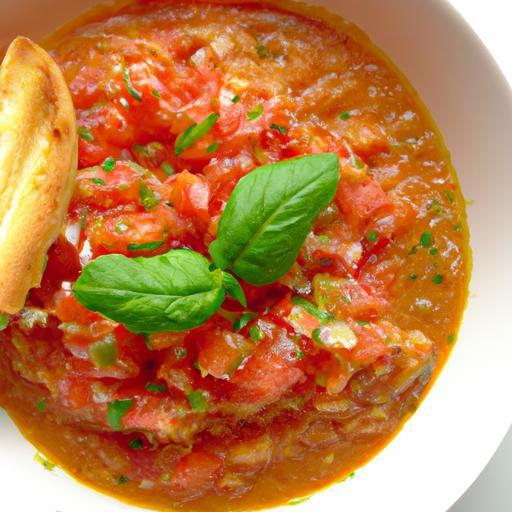
There’s something undeniably enchanting about the rich,comforting aroma of a simmering marinara sauce wafting through the kitchen. For those embracing a gluten-free lifestyle, crafting a homemade marinara that boasts both vibrant flavor and a wholesome foundation can feel like a culinary quest. But fear not-this isn’t just any sauce; it’s an invitation to transform simple, fresh ingredients into a velvety, tangy masterpiece that dances on the palate and honors your dietary needs. In this article, we’ll explore the art and science behind creating the perfect gluten-free marinara sauce-unlocking tips, techniques, and secret touches to elevate your meals from ordinary to unforgettable. Whether you’re a seasoned sauce-maker or a curious home cook, prepare to dive spoon-first into a world where taste, health, and tradition beautifully intertwine.
Crafting the Perfect Homemade Gluten-free Marinara Sauce begins with selecting ingredients that burst with freshness and character. Fresh tomatoes, ripe and sun-kissed, lay the foundation for that vibrant, classic Italian flavor. Choosing seasonal, vine-ripened tomatoes ensures your sauce isn’t just a condiment but a party of nature’s bounty. Balancing their natural acidity with a touch of sweetness creates a harmonious profile that sings on your palate.
prep and Cook Time
Preparation: 15 minutes
Cooking: 45 minutes
Total Time: 1 hour
Yield
About 4 cups (serves 4-6)
Difficulty Level
Easy to Medium
Ingredients
- 3 pounds fresh Roma tomatoes, peeled, seeded, and chopped
- 3 tablespoons extra virgin olive oil
- 1 medium yellow onion, finely diced
- 4 garlic cloves, minced
- 1 teaspoon sea salt, or to taste
- 1 teaspoon raw honey (or organic maple syrup, for balancing acidity)
- 1 teaspoon dried oregano
- 1/2 teaspoon crushed red pepper flakes, optional for heat
- 1/4 cup fresh basil leaves, torn
- 2 tablespoons fresh flat-leaf parsley, chopped
- freshly ground black pepper, to taste
- 1 cup gluten-free vegetable broth or water
Instructions
- Prepare your tomatoes. For a smooth sauce, score the bottom of each Roma tomato with a sharp knife, blanch in boiling water for 30 seconds, then transfer to an ice bath. Once cooled, peel off skins and chop the flesh finely.
- Heat olive oil in a heavy-bottomed saucepan over medium heat. Add diced onion and sauté until translucent and fragrant, about 5 minutes, stirring occasionally to avoid browning.
- add minced garlic and stir for 1 minute until fragrant but not browned, to avoid bitterness.
- Pour in the chopped fresh tomatoes along with gluten-free vegetable broth. Bring to a gentle simmer.
- Season your sauce with sea salt, dried oregano, crushed red pepper flakes, and raw honey. The honey is essential to temper the tomatoes’ acidity naturally-taste and adjust as needed.
- Simmer uncovered on low heat for 35-40 minutes, stirring occasionally. This slow reduction thickens the sauce while developing depth of flavor.
- Stir in torn fresh basil and chopped parsley during the last 5 minutes of cooking to preserve their luminous aromas.
- Adjust the consistency by adding small amounts of broth if too thick or continue simmering if too thin. Aim for a sauce that delicately coats the back of a spoon.
- Finish with freshly ground black pepper and a drizzle of extra virgin olive oil for silky richness.
Tips for Success
- Freshness is key. Always opt for the ripest tomatoes you can find; their natural sugars and acidity determine your sauce’s balance.
- Balancing acidity and sweetness can be fine-tuned with honey or a pinch of baking soda, but proceed carefully to keep the authentic bright tomato flavor.
- Herbs matter. Use fresh basil and parsley rather than dried if possible, adding them toward the end to maximize their vibrant aroma and color.
- Consistency control. If your sauce feels watery after simmering, mash or lightly blend some tomatoes to thicken naturally without flour or starches.
- Make ahead. This marinara improves if refrigerated overnight, allowing flavors to meld beautifully. Reheat gently before serving.
Serving Suggestions
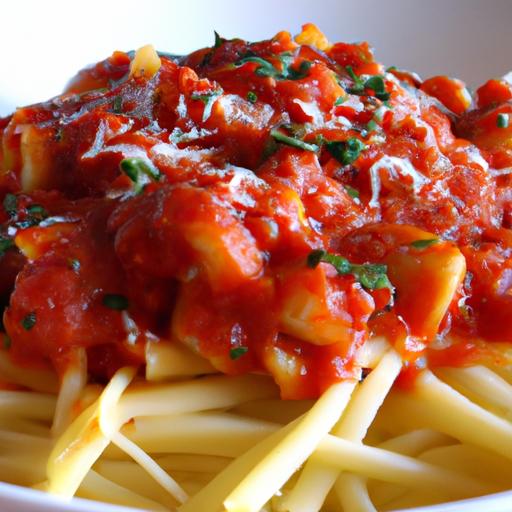
This gluten-free marinara sauce shines when spooned over gluten-free pasta or as a dipping sauce for crusty gluten-free bread. Garnish with extra fresh basil leaves and a sprinkling of freshly grated Parmesan (if dietary preferences allow). For a rustic touch, drizzle with high-quality olive oil and a few cracked peppercorns. Pair alongside grilled vegetables or baked chicken for a wholesome Italian-inspired meal.

| Nutrient | Per ½ cup |
|---|---|
| Calories | 70 |
| Protein | 2g |
| carbohydrates | 12g |
| Fat | 3g |
For further inspiration and gluten-free italian recipes, explore our article on choosing the best gluten-free pasta. to understand the health benefits of fresh tomatoes, visit the Healthline nutritional tomatoes overview.
Q&A
Q&A: Crafting the Perfect Homemade Gluten-Free Marinara Sauce
Q1: Why choose homemade gluten-free marinara sauce over store-bought options?
A1: Homemade gluten-free marinara lets you control every ingredient-ensuring it’s fresh, flavorful, and free from hidden gluten or preservatives. Plus, it’s a fun kitchen project that fills your home with irresistible aromas!
Q2: what are the essential ingredients for a gluten-free marinara sauce?
A2: At its core, you need ripe tomatoes (preferably San Marzano or plum tomatoes for rich flavor), fresh garlic, olive oil, basil, salt, and a touch of sweetness like a pinch of sugar or honey. These simple staples come together to create magic without any gluten-containing additives.
Q3: How can I make sure my sauce is truly gluten-free?
A3: Always start with fresh, whole ingredients and avoid pre-mixed spice blends or canned tomato sauces unless labeled gluten-free. When in doubt, double-check labels and watch out for hidden gluten in seasoning packets.
Q4: Can I customize the flavor to suit my taste?
A4: Absolutely! Marinara sauce is a blank canvas. Add red pepper flakes for heat, fresh oregano for earthiness, or a splash of red wine for depth. Feel free to experiment until you find your perfect balance.
Q5: What’s the best way to cook the sauce to develop rich flavors?
A5: Slow and low is key. Sauté the garlic gently in olive oil to avoid bitterness, then simmer the tomatoes and herbs for at least 30-40 minutes. This slow simmer melds the flavors and thickens the sauce without any gluten-based thickeners.
Q6: How can I store my homemade marinara sauce?
A6: Let the sauce cool completely,then store it in airtight containers in the fridge for up to a week. For longer storage, freeze it in portions-just thaw and reheat when you’re ready for a quick gluten-free meal!
Q7: What dishes pair best with gluten-free marinara sauce?
A7: The versatility is endless! Toss it with gluten-free pasta, spoon it over grilled vegetables or meatballs, or use it as a vibrant dip for crusty gluten-free bread. It’s the ultimate all-rounder in your gluten-free kitchen arsenal.
Q8: any pro tips for perfect texture and consistency?
A8: For a silky-smooth sauce, blend it using an immersion blender before simmering. If you like it chunkier, crush the tomatoes by hand. Also, don’t forget to taste and adjust seasoning as it cooks-tomato acids mellow with time, so a pinch of salt or sugar can make all the difference.
Q9: Is it possible to make this recipe vegan or low-sodium?
A9: Yes! Marinara sauce is naturally vegan, so no worries there. For low-sodium, reduce the salt and rely more on fresh herbs and a touch of acidity from lemon juice or vinegar to brighten the flavors.
Crafting your own gluten-free marinara sauce is a delicious journey that rewards patience and simple ingredients. Embrace the process, get creative, and enjoy every bite of your homemade masterpiece!
wrapping Up
Crafting the perfect homemade gluten-free marinara sauce is more than just a culinary task-it’s a celebration of fresh, wholesome ingredients coming together to create a vibrant, comforting classic. By embracing simple techniques and quality produce, you unlock a sauce that’s not only safe for gluten-sensitive diets but bursting with flavor and heart. Whether spooned over pasta, dolloped on a pizza, or used as a dipping sauce, your gluten-free marinara stands as a testament to the fact that delicious, nourishing food is always within reach-no compromises needed. So, roll up your sleeves, gather your favourite tomatoes and herbs, and let your kitchen become a haven where tradition meets thoughtful creativity in every simmering pot.