
There’s a certain magic in the morning aroma of sizzling French toast-golden,crispy edges hugging a soft,custardy center,each bite a comforting embrace. But for those navigating a gluten-free lifestyle, recreating this classic breakfast delight can feel like a quest for the perfect balance of texture and flavor. Fear not! In this guide, we’ll unravel the secrets to crafting gluten-free French toast that’s every bit as crispy, delicious, and satisfying as the traditional kind. Ready to elevate your mornings? Let’s dive fork-first into a world of gluten-free goodness where indulgence meets wholesome simplicity.
Gluten-free french toast can be just as crispy and flavorful as its traditional counterpart when you start by selecting the perfect gluten-free bread. Achieving that coveted golden crunch requires a keen eye for texture and the right batter blend, complemented by essential cooking techniques that transform ordinary slices into a memorable breakfast experience.
Selecting the Perfect gluten-Free Bread for Ultimate Crispiness
Begin with a hearty gluten-free bread that balances softness with sturdiness to hold up to the batter without becoming soggy. Look for breads made with almond flour, tapioca starch, or a blend of brown rice and sorghum flours-these tend to deliver a firm crumb with a slight chew. Day-old or lightly toasted gluten-free bread often performs best, providing the rigidity needed for crisp edges and a tender interior.
Mastering the Batter Blend for Fluffy and Flavorful French Toast
Create a luscious batter by whisking together eggs, whole milk (or a creamy dairy-free alternative), vanilla extract, and a touch of cinnamon. For fluffiness, adding a pinch of baking powder introduces lightness without altering the classic taste. Sweeten lightly with honey or maple syrup for natural depth and warmth, ensuring your gluten-free French toast carries both flavor and moisture perfectly balanced.
Essential Cooking Techniques to Achieve That golden Crunch
Preheat your skillet to medium heat and generously grease it with butter or coconut oil. Dip each slice of bread fully into the batter, allowing it to soak-but not oversaturate-to maintain structure. Place slices on the hot pan and cook undisturbed for about 3-4 minutes per side until a deep golden crust forms. Patience is key; flipping too soon prevents that satisfying crisp. A cast iron skillet is ideal for even heat distribution and superior crust development.
Tasty Toppings and Serving Ideas to Elevate Your Gluten-Free Breakfast
Layer your finished gluten-free French toast with fresh berries, sliced bananas, or a sprinkle of toasted nuts for a delightful crunch contrast. Drizzle with pure maple syrup or a dollop of greek yogurt for tangy creaminess. For extra indulgence, a dusting of powdered sugar or a smear of almond butter adds both visual appeal and flavor complexity, turning a simple breakfast into a feast for the senses.
Prep and Cook Time
- Prep Time: 10 minutes
- Cook Time: 15 minutes
- Total Time: 25 minutes
Yield
- Serves 4 (8 slices of gluten-free French toast)
Difficulty Level
- Easy to Medium
Ingredients
- 8 slices gluten-free bread, preferably day-old
- 3 large eggs
- 1 cup whole milk or almond milk
- 1 tsp vanilla extract
- 1/2 tsp ground cinnamon
- 1 tbsp honey or maple syrup
- 1/4 tsp baking powder
- Butter or coconut oil for cooking
- Pinch of salt
Instructions
- Prepare the batter. In a shallow bowl, whisk together eggs, milk, vanilla extract, cinnamon, honey, baking powder, and a pinch of salt until smooth and frothy.
- Soak the bread. Dip each slice of gluten-free bread fully into the batter, ensuring both sides are coated. Let excess drip off to avoid sogginess.
- Preheat your skillet. Heat a cast iron or non-stick skillet over medium heat and add a tablespoon of butter or coconut oil, swirling to coat evenly.
- Cook the toast. Place soaked slices into the skillet and cook for 3-4 minutes without moving until the underside is golden brown and crisp.
- Flip carefully. Turn the slices and cook for another 3-4 minutes until evenly browned and fully cooked through.
- Serve promptly. Transfer to a warm plate and repeat with remaining slices, adding more butter or oil as needed.
Chef’s Notes & Tips for Success
- Bread options: If gluten-free bread is scarce, dense gluten-free brioche or challah alternatives elevate richness.
- Milk swaps: Creamy oat or cashew milk work beautifully for dairy-free versions.
- Batter thickness: Adjust milk quantity slightly for thinner batters if your bread is very thick.
- make-ahead: Prepare the batter and soak bread in the fridge for up to 30 minutes to deepen flavor.
- Use moderate heat: Cooking too high may brown outside before inside cooks; too low prevents crispness.
Serving Suggestions
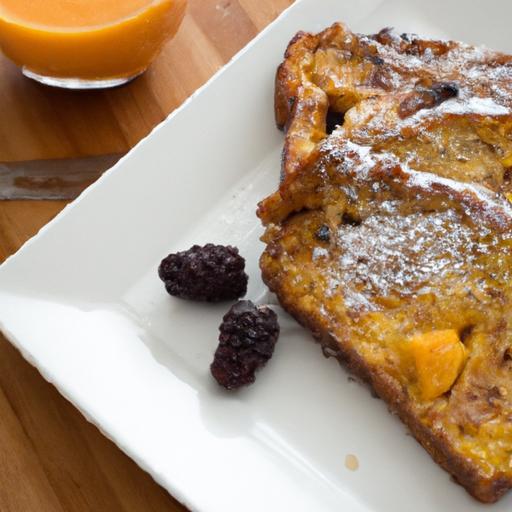
Serve your gluten-free French toast stacked high, crowned with a scattering of fresh seasonal berries like raspberries and blueberries, a light dusting of powdered sugar, and a drizzle of warm maple syrup.Add a side of crispy bacon or a dollop of whipped coconut cream for extra indulgence.Toasted pecans or chopped pistachios sprinkled on top add that irresistible crunch, perfectly mirroring the golden crust beneath.

| Nutrient | Per Serving |
|---|---|
| Calories | 320 |
| protein | 10g |
| Carbohydrates | 34g |
| Fat | 14g |
For more inspiration on gluten-free breakfast ideas, check out our article on delicious gluten-free pancakes. To understand the science behind gluten-free baking and ingredient substitutions, the Celiac Disease Foundation provides excellent resources.
Q&A
Q&A: Crispy & Delicious – Your Guide to Gluten-Free French toast
Q1: Can French toast really be crispy without gluten?
A: Absolutely! While gluten gives traditional bread its chewy texture, achieving crispy gluten-free French toast is all about the right bread choice and technique. Using sturdy gluten-free breads-like those made with rice flour, almond flour, or a hearty oat blend-helps create that golden crust. Plus, soaking the bread just enough (not too much!) and cooking it on a hot, buttered skillet ensures a satisfyingly crisp exterior.
Q2: What type of gluten-free bread works best for French toast?
A: Look for gluten-free bread that’s dense and slightly stale or toasted beforehand. Breads made with a mix of almond flour, tapioca starch, and xanthan gum tend to hold up well without becoming mushy. Avoid ultra-soft or super airy breads-they soak up too much batter and can get soggy. If you can find a gluten-free brioche or challah-style loaf,you’re in for a real treat!
Q3: How do I prevent gluten-free French toast from falling apart?
A: The secret lies in batter consistency and soaking time. Keep your egg mixture well balanced-combining eggs, milk (or dairy-free alternative), a splash of vanilla, and a pinch of cinnamon.Dip the bread quickly to avoid oversaturation. Also, cook on medium heat to give the toast time to firm up without burning. patience is key-the perfect crust forms when the heat’s just right.
Q4: Are there tips for making the French toast extra flavorful?
A: Definitely! Infuse your batter with spices like cinnamon, nutmeg, or cardamom for warmth. A touch of orange zest or a dash of vanilla extract can brighten the flavor profile.also, consider cooking your French toast in browned butter instead of plain butter to add a nutty depth. Topping your creation with fresh berries, maple syrup, or a dusting of powdered sugar creates a delightful finish.
Q5: Can I make this gluten-free French toast vegan too?
A: Yes! Swap eggs for a flax or chia seed “egg” (1 tablespoon ground seeds + 3 tablespoons water, soaked until gelatinous). Use almond milk or oat milk in place of dairy milk. Nutritional yeast and a pinch of turmeric can add savory notes and color,but don’t forget your vanilla and cinnamon for sweetness. Cooking in coconut oil or vegan butter helps maintain crispiness and flavor.Q6: What’s the best way to serve and store leftover gluten-free French toast?
A: Serve fresh and crispy right off the pan,but leftovers can be refrigerated tightly wrapped. Reheat them in a toaster oven or skillet to regain that crisp texture-avoid microwaving, as it can make the bread soggy. Leftover French toast also makes a fantastic base for bread pudding or breakfast sandwiches!
Embrace the magic of gluten-free French toast with this crispy and delicious guide-because everyone deserves a golden morning treat, no matter the dietary needs!
Future Outlook
Whether you’re tackling a busy morning or seeking a leisurely weekend treat, mastering the art of crispy and delicious gluten-free French toast means you never have to compromise on flavor or texture. Armed with the right ingredients, clever techniques, and a touch of patience, this guide empowers you to create a breakfast that’s both satisfying and safe for gluten-sensitive diets. So go ahead-flip that golden slice, drizzle on your favorite toppings, and savor every bite of a morning classic, reinvented just for you. Your perfect gluten-free French toast awaits!