

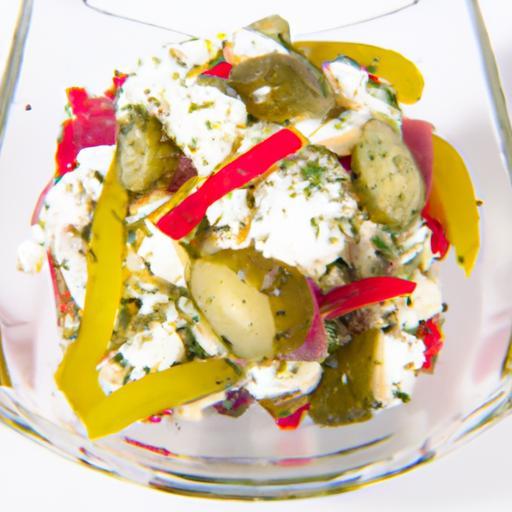
Beneath a creamy, colorful mound of diced potatoes, peas, and mysterious diced meats lies one of Russia’s most beloved culinary secrets: the Olivier salad. Often found gracing festive tables from Moscow to Vladivostok, this deceptively simple dish carries centuries of history, intrigue, and cultural fusion within its layers. In this article, we embark on a flavorful journey to decode the origins and evolution of Olivier salad, unraveling the fascinating story behind its creation and how this iconic recipe has transformed over time. Whether you’re a curious foodie or a history buff, get ready to discover the savory saga behind Russia’s most famous salad and unlock tips to recreate it authentically in your own kitchen.
Decoding Russian Olivier Salad reveals not only a beloved dish cherished across Russia and beyond but also a culinary story deeply entwined with history and culture. Originally crafted in the 1860s by Lucien Olivier, a French chef working in Moscow, this salad quickly became a symbol of Russian conviviality and festivity. Its layers of flavors and textures celebrate a surprisingly simple harmony that invites both nostalgic memories and modern reinterpretations.
Prep and Cook Time
Preparation: 20 minutes | Cooking: 35 minutes | Total Time: 55 minutes
Yield
Serves 6 generously as a side or appetizer
Difficulty Level
Medium – Ideal for home cooks ready to explore conventional Russian cuisine
Ingredients
- 4 medium potatoes, peeled and cubed
- 3 large carrots, peeled and diced
- 5 large eggs, hard-boiled and chopped
- 1 cup cooked green peas (fresh or frozen)
- 300g cooked chicken breast, diced (or substitute with boiled ham or bologna for authenticity)
- 4 medium pickles, finely diced (preferably dill pickles)
- 1 small onion, minced
- 1 cup mayonnaise (use Russian-style for creaminess, or homemade for freshness)
- Salt and freshly ground black pepper, to taste
- Fresh dill or parsley for garnish
Instructions
- Cook the potatoes and carrots: Place the peeled and cubed potatoes and diced carrots in a pot of salted water. Boil until tender but firm, about 15-20 minutes. Drain well and let cool fully to avoid mushy salad.
- Prepare the eggs: Gently place eggs in boiling water and cook for 9-10 minutes for firm yolks. Transfer to ice water immediately to stop cooking. Peel and finely chop once cool.
- Mix the base ingredients: in a large bowl, combine the cooled potatoes, carrots, chopped eggs, green peas, diced pickles, minced onion, and diced cooked chicken. For classic authenticity, opt for chicken, but feel free to swap with ham or bologna for regional variations.
- Add the dressing: Fold in the mayonnaise gently to coat without smashing the vegetables. Season the salad with salt and freshly ground black pepper to bring balance to its creamy and tangy profile.
- Chill before serving: Cover and refrigerate for at least an hour, allowing the flavors to meld beautifully. This step is vital for the quintessential Olivier taste experiance.
- Final touch: Before serving, toss gently once more and garnish with chopped fresh dill or parsley for a burst of color and herbaceous depth.
Chef’s Notes: Tips for Success
- Vegetable texture: Ensure potatoes and carrots are fully cooled before mixing to maintain the salad’s structure and avoid it turning watery.
- Mayonnaise choice: Opt for a high-quality, creamy mayonnaise or try making your own with egg yolks and mild vinegar for a fresher twist.
- Pickle variety: Use crunchy, tart dill pickles over sweet ones to maintain the authentic tang and crunch.
- Protein options: Traditional Olivier originally used veal or game, though chicken, ham, or bologna now dominate. Feel free to experiment for your palate.
- Make ahead: Prepare a day in advance for fuller flavor advancement and refrigerate covered to keep freshness.
Creative Twists and Serving Suggestions to Elevate Your Olivier Experience
To elevate your Olivier experience, transform this classic into a visual feast on your holiday table. Consider scooping the salad into hollowed-out tomatoes or cucumbers for individual servings that add vibrant color and fresh notes. For a modern twist, swap traditional mayonnaise with a light yogurt dressing blended with a hint of mustard and fresh herbs. Garnish with pomegranate seeds or finely diced red bell peppers for pops of jewel-like color that invite curiosity and indulgence.
Complement this salad alongside hearty rye bread, smoked fish, or traditional Russian pelmeni dumplings to build a memorable meal steeped in culture. For a refined presentation,serve Olivier in clear glass bowls to showcase its mosaic of bright ingredients-a true celebration of Russian culinary heritage.
| Nutrition per Serving | Calories | Protein | Carbs | Fat |
|---|---|---|---|---|
| Classic Olivier Salad | 280 kcal | 18 g | 22 g | 14 g |
Learn more about Olivier salad’s fascinating history and explore how this recipe has become a timeless icon in Russian cuisine. Simultaneously occurring, you may enjoy our collection of traditional Russian holiday recipes to fully embrace the festive spirit.

Q&A
Q&A: Decoding Russian Olivier Salad – History and Recipe Insights
Q1: what exactly is Russian Olivier Salad?
A1: Often dubbed the “king of Russian salads,” olivier Salad is a beloved, hearty dish traditionally made with diced boiled potatoes, carrots, peas, eggs, pickles, and protein like boiled chicken or bologna, all bound together by a generous dollop of mayonnaise. It’s a festive staple at Russian holiday tables and a symbol of celebration.
Q2: Where does Olivier Salad originate from?
A2: The salad’s roots trace back to mid-19th century Moscow, where a Belgian chef named Lucien Olivier created it in his renowned Hermitage restaurant. Originally, it was a luxurious concoction featuring expensive ingredients like capers, grouse, and crayfish, elegantly disguised under a creamy dressing.
Q3: How did Olivier Salad transform into the version we eat today?
A3: Over time, particularly during Soviet-era ingredient scarcity, the opulent components gave way to more accessible substitutes-simple boiled vegetables, affordable meats, and briny pickles replaced the exotic luxury items. This pragmatic evolution made Olivier Salad an everyday comfort food, beloved across all social classes.
Q4: Why is Olivier Salad such a cultural icon in Russia?
A4: Beyond its deliciousness, olivier Salad carries nostalgic weight, evoking communal celebrations like New Year’s Eve and family gatherings. It embodies a shared culinary heritage, a dish passed down through generations, linking the past to the present with every spoonful.
Q5: What are the essential ingredients in a classic Olivier Salad recipe today?
A5: The contemporary classic usually includes boiled potatoes, carrots, hard-boiled eggs, dill pickles, green peas, cooked chicken or sausage, and of course, mayonnaise. some versions add fresh herbs or onions for a bright touch, but simplicity reigns supreme.
Q6: How do you achieve the perfect texture and flavor balance in Olivier Salad?
A6: The magic lies in the careful dicing-uniform, bite-sized cubes ensure every spoonful is harmonious. The combination of creamy mayo, tangy pickles, and mild vegetables creates a melody of flavors and textures, balancing richness with freshness.Q7: Are there any captivating variations of Olivier Salad?
A7: Absolutely! Some cooks prefer smoked meats over boiled chicken, others toss in apples or fresh cucumbers for a crisp twist. Vegetarian versions omit meat altogether,focusing on the eggs and veggies. It’s a versatile canvas inviting creativity.
Q8: Can Olivier Salad be enjoyed outside of Russia?
A8: Definitely! While deeply Russian at heart, Olivier Salad’s approachable ingredients and comforting flavors have earned international affection. In various Eastern European and post-Soviet countries, as well as Russian communities worldwide, it remains a cherished dish at festive occasions.
Q9: Any tips for storing and serving Olivier Salad?
A9: Best served chilled,Olivier Salad develops even richer flavors after a few hours in the fridge. Store it tightly covered to preserve freshness, but note that it’s ideally consumed within 2-3 days to enjoy its perfect texture.
Q10: Why should someone try making Olivier Salad at home?
A10: Making Olivier salad is a tasty journey into Russian culinary history. It’s a dish that invites you to blend tradition with your own tastes,creating a comforting,nostalgic feast that transcends borders-proving that sometimes,the simplest salads tell the most complex stories.
The Way Forward
As we close the chapter on the story of Russian Olivier Salad,what emerges is more than just a dish-it’s a flavorful tapestry woven from history,culture,and culinary innovation. From its luxurious origins in 19th-century Moscow to its beloved place on modern tables around the world, Olivier salad invites us to savor both tradition and transformation. Whether you approach it as a curious gastronome or a devoted home cook, understanding the salad’s rich background adds a deeper thankfulness to every bite. So next time you toss together those diced potatoes, pickles, and boiled eggs, remember-you’re not just making a salad; you’re partaking in a delicious legacy that continues to evolve with each generation.