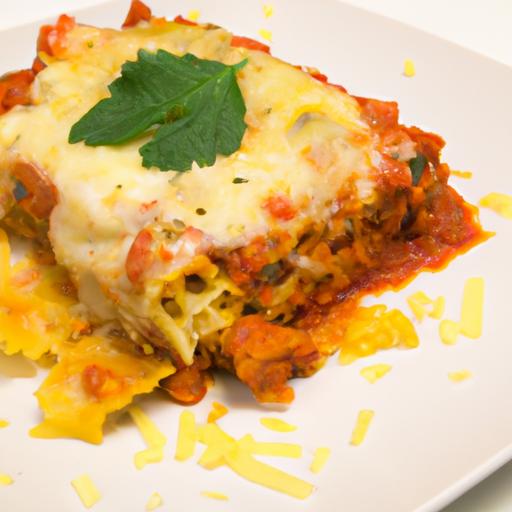



lasagna is a timeless classic that conjures images of bubbling cheese, rich tomato sauce, and layers of tender pasta-comfort food at its finest.But what if you’re skipping gluten without wanting to miss out on this beloved dish? Enter the world of flavorful gluten-free lasagna: a savory twist on tradition that honors the hearty flavors and satisfying textures you crave,while embracing the needs of a gluten-free lifestyle. in this article, we’ll explore how to reinvent lasagna with carefully selected ingredients and delightful alternatives, proving that going gluten-free doesn’t mean sacrificing taste or indulgence. Prepare to savor every layer of this reinvented comfort food masterpiece!
Delicious Gluten-Free Lasagna brings the comforting warmth of conventional Italian comfort food into a realm that welcomes everyone, nonetheless of dietary restrictions. using thoughtfully chosen gluten-free ingredients ensures every bite is bursting with authentic flavour while maintaining the beloved textures you expect from this classic dish. This recipe transforms the ordinary into extraordinary, marrying rich, creamy layers with a perfect balance of freshness and savoriness.
Prep and Cook Time
- Planning: 30 minutes
- Cooking: 50 minutes
- Total Time: 1 hour 20 minutes
Yield
Serves 6 hearty portions
Difficulty Level
Medium
ingredients
- Gluten-Free Lasagna Sheets: 12 sheets (store-bought or homemade)
- Ground Italian Sausage: 1 lb (mild or spicy, based on preference)
- Olive Oil: 2 tbsp, extra virgin
- yellow onion: 1 medium, finely chopped
- Garlic Cloves: 3, minced
- Crushed Tomatoes: 28 oz can, preferably San Marzano
- Tomato Paste: 2 tbsp
- Fresh Basil: ½ cup, chopped
- Dried Oregano: 1 tsp
- Salt and Pepper: To taste
- Ricotta Cheese: 15 oz
- Mozzarella Cheese: 2 cups shredded, whole milk
- Parmesan Cheese: 1 cup, freshly grated
- Egg: 1 large
- Whole Milk: 1 cup (for ricotta mixture)
- Fresh Spinach: 4 cups, roughly chopped
- Nutmeg: A pinch (optional)
- Fresh Parsley: For garnish
Choosing the Perfect Gluten-Free Ingredients for Authentic Flavor
Opt for gluten-free lasagna sheets made from rice, corn, or a blend that offers pliability and absorbs sauces well-key elements for an authentic lasagna experience. Dainty but sturdy,these noodles cradle each layer,so your sauce and cheese can shine without crumbling. When selecting canned tomatoes,choose those labeled “San Marzano” for their balanced acidity and mild sweetness,creating a rich,natural base for the sauce.High-quality cheeses, especially fresh ricotta and whole milk mozzarella, deepen the dish’s creaminess and richness without overwhelming the palate.
Crafting the Ideal Sauce and Cheese Blend for Richness
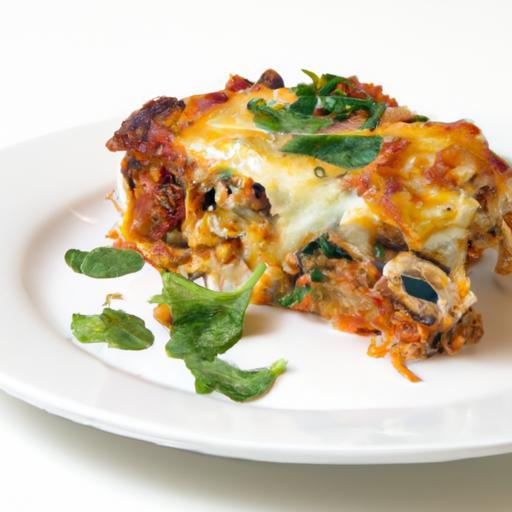
Begin by sautéing finely chopped onions and minced garlic until translucent and fragrant, about 5 minutes, then brown the ground sausage, infusing the sauce with savory depth.Incorporate the crushed tomatoes slowly, simmering the sauce for 30 minutes to marry the flavors; a spoonful of tomato paste enhances thickness subtly. The cheese filling blends ricotta, egg, and milk, gently whipped to a smooth consistency with a whisper of nutmeg to elevate its dimension. Mozzarella and parmesan are layered generously, melding into a golden, bubbly crust that signifies dessert-worthy indulgence.
Layering Techniques to Achieve Perfect Texture and Balance
Achieving that ideal texture starts with layering thoughtfully. Spread a thin layer of sauce on the bottom of your baking dish to prevent sticking. Lay down the first set of gluten-free noodles carefully,overlapping slightly for stability. Next, dollop and gently spread the ricotta mixture, followed by a shower of sautéed spinach for freshness and nutrients. Spoon a generous helping of meat sauce next,then sprinkle shredded mozzarella and parmesan. Repeat layers until ingredients are tired, finishing with a final blanket of cheese to guarantee a golden, bubbling finish. This method ensures every forkful delivers a harmonious balance of creamy, meaty, and tender bites.
Creative Toppings and Serving Suggestions for an Elegant Presentation
To elevate your lasagna visually and taste-wise, finish with a sprinkle of finely chopped fresh basil and parsley right before serving. Add a light drizzle of high-quality extra virgin olive oil and a few cracked black peppercorns for that artisanal touch. Consider garnishing with roasted grape tomatoes or a handful of toasted pine nuts for an unexpected crunch and pop of color. Serve with a crisp side salad of arugula, shaved fennel, and lemon vinaigrette to brighten the meal. For wine lovers, a medium-bodied Chianti perfectly complements the savory richness without overpowering the delicate gluten-free textures.
Instructions
- Prepare the sauce: Heat olive oil in a large skillet over medium heat.Sauté onions until translucent, about 5 minutes. Add garlic and cook another 1 minute.
- Add the Sausage: Crumble ground sausage into the pan. Cook until browned and no longer pink, about 7 minutes, stirring occasionally.
- Simmer the Sauce: Stir in crushed tomatoes, tomato paste, basil, oregano, salt, and pepper. Reduce heat and let simmer uncovered,stirring occasionally,for 30 minutes to deepen the flavor.
- Prepare the Cheese Mixture: In a mixing bowl, combine ricotta, egg, milk, a pinch of nutmeg, and half the parmesan. Whisk until creamy and smooth.
- Blanch the Spinach: Bring a pot of water to a boil. Add spinach and blanch for 1 minute, then drain and pat dry to remove excess moisture.
- Preheat Oven: Set to 375°F (190°C).
- Assemble the Lasagna: Lightly grease a 9×13-inch baking dish. Spread a thin layer of sauce. Lay down 3 gluten-free noodles. Spread half the ricotta mixture,scatter half the spinach,add one-third of the meat sauce,and sprinkle with mozzarella and parmesan.
- Repeat Layers: Add another noodle layer and repeat layers, ending with noodles topped with sauce and remaining mozzarella and parmesan.
- bake: Cover loosely with foil and bake for 35 minutes. Remove foil and bake an additional 15 minutes until cheese is golden and bubbling.
- Rest and Garnish: Let rest for 15 minutes before slicing. Garnish with fresh parsley and basil.
Chef’s Notes: Tips for Success
- Soften the noodles: If your gluten-free lasagna sheets are brittle, briefly soak them in warm water before layering for easy handling.
- Make-ahead: Assemble the lasagna a day before and refrigerate. Bake it fresh to maintain a perfect texture and flavor depth.
- Substitutions: Swap sausage for ground turkey or plant-based meat for a lighter or vegetarian version.
- Prevent watery layers: Ensure spinach is well-drained; excess moisture can make the dish soggy.
- Extra richness: Stir a spoonful of mascarpone into the ricotta mixture for unparalleled creaminess.
Serving Suggestions
Present each slice on a warm plate garnished with a sprinkle of fresh herbs. Pair with a simple green salad dressed in lemon vinaigrette or roasted seasonal vegetables like asparagus or zucchini. A crisp glass of Chianti or a light sparkling water with lemon rounds out this meal beautifully.For an elegant final touch, serve with crusty gluten-free garlic bread brushed with herb-infused olive oil.

| Nutrient | Per Serving |
|---|---|
| Calories | 420 kcal |
| Protein | 28 g |
| Carbohydrates | 30 g |
| Fat | 22 g |
For more tips on perfecting Italian classics, check our Gluten-Free Italian Pasta Recipes. To learn more about the nutritional advantages of gluten-free diets, visit Celiac Disease Foundation.
Q&A
Q&A: Delicious Gluten-Free Lasagna – A Savory Twist on Tradition
Q1: What makes gluten-free lasagna different from traditional lasagna?
A1: The key difference lies in the pasta. Traditional lasagna uses wheat-based noodles packed with gluten, which gives them their signature chewy texture. Gluten-free lasagna swaps those for noodles made from alternative flours-like rice, corn, or chickpea flour-crafting a dish that’s just as hearty and tempting, but safe for those with gluten sensitivities or celiac disease. It’s a culinary transformation without sacrificing flavor or comfort.
Q2: Can gluten-free lasagna be as flavorful as its traditional counterpart?
A2: Absolutely! Flavor comes from the quality and combination of ingredients, not just the noodles.By layering rich tomato sauce, lush cheese blends, fresh herbs, and savory fillings like spinach, mushrooms, or ground meat, gluten-free lasagna becomes a symphony of tastes. In fact,some chefs argue that going gluten-free encourages creativity,leading to exciting,new flavor profiles that put tradition in a delicious new light.
Q3: What are some popular gluten-free noodles used in lasagna recipes?
A3: Popular gluten-free noodles include those made from rice flour, corn flour, quinoa, and even lentils or chickpeas. Each brings its own subtle flavor and texture. For example, rice noodles offer a mild backdrop that lets your sauce shine, whereas chickpea or lentil noodles add a nutty depth and an extra protein boost. Many cooks also experiment with thinly sliced vegetables like zucchini or eggplant as natural, grain-free “noodles.”
Q4: Are ther any special tips for preparing gluten-free lasagna?
A4: Yes! Gluten-free noodles frequently enough require gentle handling; some are delicate and may crack if overcooked. It’s best to follow package instructions closely and sometimes prepare noodles separately before assembling. Additionally,layering is crucial-use enough sauce to keep noodles moist,and don’t skimp on cheese,which helps bind the layers. Letting the lasagna rest after baking allows it to set and makes slicing easier.Q5: Who will enjoy gluten-free lasagna?
A5: While it’s a lifesaver for those with gluten intolerance or celiac disease, gluten-free lasagna appeals to anyone seeking a lighter or more nutrient-dense alternative to traditional pasta dishes. It’s perfect for adventurous home cooks and food lovers eager to explore new textures and tastes without compromising on comfort food nostalgia.
Q6: how can I add a creative twist to my gluten-free lasagna?
A6: The fun lies in customization! swap out classic tomato sauce for a creamy béchamel or a pesto layer.mix in seasonal veggies, experiment with different cheese combos like ricotta and smoked mozzarella, or add bold spices like smoked paprika or fresh rosemary. For a special occasion, top your lasagna with toasted pine nuts or drizzle balsamic glaze just before serving. The gluten-free canvas invites endless savory artistry.
Q7: Is gluten-free lasagna healthier than traditional lasagna?
A7: Gluten-free doesn’t inherently mean healthier,but it often involves alternative ingredients that can be more nutrient-rich-think legumes or vegetable-based noodles,which add fiber,protein,and vitamins. However, balance is key: rich cheeses and sauces are still calorie-dense. When crafted thoughtfully, gluten-free lasagna can be both nourishing and satisfying.
this Q&A explores the delicious world of gluten-free lasagna, blending tradition with innovation. Whether you’re gluten-sensitive or just eager to try a new culinary adventure, this dish promises a savory twist you’ll love with every bite.
Key Takeaways
Whether you’re navigating gluten sensitivities or simply eager to explore new culinary horizons, this delicious gluten-free lasagna proves that tradition and innovation can deliciously coexist. By swapping out the usual pasta for wholesome alternatives and layering in rich, savory flavors, you can enjoy a classic comfort dish without compromise. So next time you crave a hearty meal that honors the past while embracing the present, remember that a gluten-free twist on lasagna is not just possible-it’s irresistibly delightful. Dive in, savor every bite, and let this recipe become a new favorite in your kitchen repertoire.