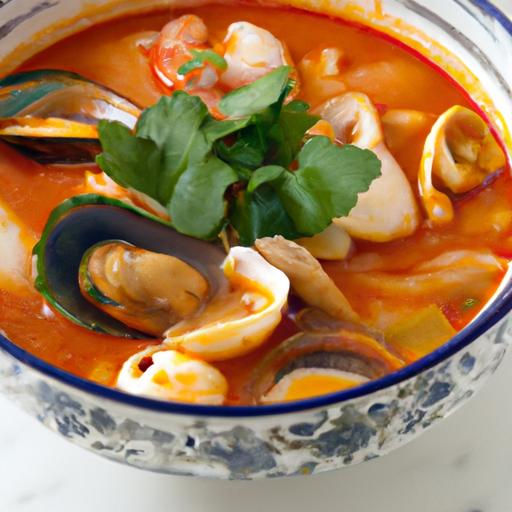



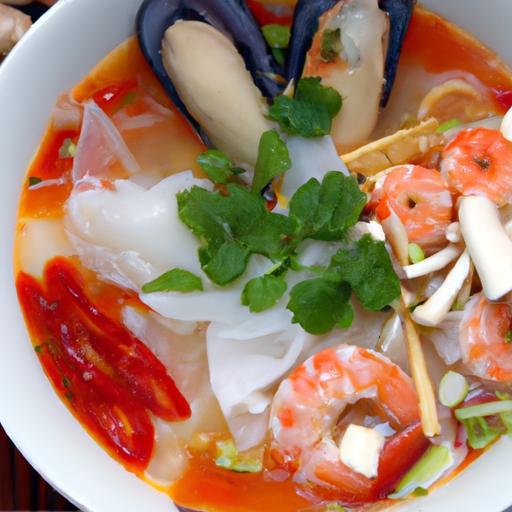
Beneath the vast coastal waters of China lies a treasure trove of flavors, waiting to be discovered in a humble bowl of seafood soup. “Delving into Chinese Seafood Soup: A Savory Ocean Delight” invites you on a sensory journey through the rich adn diverse culinary traditions that bring this dish to life. From the fragrant broths simmered with fresh ocean bounty to the delicate balance of textures and aromas, Chinese seafood soup is more than just a meal-it’s a celebration of the sea’s generosity and a testament to centuries-old cooking artistry. Join us as we explore the origins, ingredients, and cultural significance behind this savory ocean delight that continues to captivate taste buds around the world.
Chinese Seafood Soup enchants the palate with a delicate harmony of oceanic flavors and subtle aromatics rooted deeply in Chinese culinary heritage. This savory ocean delight is more than just a nourishing broth; it embodies centuries of coastal tradition, where seafood is celebrated fresh and pristine, enhancing the essence of every spoonful.
Prep and Cook Time
- Preparation: 20 minutes
- Cooking: 30 minutes
- Total: 50 minutes
Yield
- serves 4 hearty bowls
Difficulty Level
- Medium - great for home cooks with some experience in seafood preparation
Ingredients
- 4 cups homemade or store-bought chicken or seafood stock,preferably simmered lightly to preserve freshness
- 200g fresh white fish fillets (such as cod or grouper),cut into bite-sized pieces
- 150g peeled shrimp,deveined
- 100g scallops,cleaned
- 1 tbsp ginger,julienned
- 2 cloves garlic,finely minced
- 1 tbsp Shaoxing wine (Chinese cooking wine)
- 2 cups Napa cabbage,chopped
- 1/2 cup shiitake mushrooms,thinly sliced
- 2 stalks green onions,sliced diagonally
- 1 tbsp cornstarch mixed with 2 tbsp water (slurry for thickening)
- 1 tsp white pepper powder
- Salt to taste
- 1 tsp toasted sesame oil
- Fresh cilantro for garnish
Instructions
- Heat the stock: Begin by gently warming your chicken or seafood stock in a large pot over medium heat. Avoid a rolling boil to maintain the stock’s delicate flavor.
- Sauté aromatics: In a seperate pan, add a splash of oil and lightly sauté the ginger and garlic until fragrant and golden, about 1-2 minutes. This infuses your soup with an inviting aroma.
- Deglaze with Shaoxing wine: pour in the Shaoxing wine to the aromatics, allowing the alcohol to partially evaporate while lifting the flavors.
- add seafood and vegetables: Transfer the sautéed aromatics into the warmed stock. Add the fish fillets, shrimp, scallops, Napa cabbage, and shiitake mushrooms.Simmer gently for 5-7 minutes until seafood is just cooked and vegetables tender.
- Thicken the broth: Stir the cornstarch slurry to recombine,then slowly drizzle it into the simmering soup while stirring constantly. The broth should lightly thicken,lending a smooth texture without overpowering the natural broth.
- Season and finish: add white pepper and salt to taste. Finish with a drop of toasted sesame oil for an aromatic lift. Remove from heat to preserve fresh seafood texture.
- Garnish and serve: Ladle the soup into warm bowls and garnish generously with sliced green onions and freshly chopped cilantro for a bright, herbaceous contrast.
Expert Tips for Perfecting Your Homemade Chinese Seafood Soup
- Selection matters: Use the freshest seafood possible to avoid a fishy taste. Live or recently caught shellfish impart a sweeter depth than frozen varieties.
- Stock is your secret weapon: A clear, well-made stock serves as the backbone. For an extra umami boost, simmer shrimp shells briefly with aromatics and strain before use.
- Control the heat: Avoid boiling once seafood is added; a gentle simmer keeps delicate proteins tender and prevents them from becoming rubbery.
- Customize your mix: Regional variations might introduce winter bamboo shoots or dried scallops for smoky undertones-feel free to experiment.
- Make ahead: Prepare the stock and slice vegetables ahead of time. Add seafood last minute to preserve freshness in a busy kitchen.
Serving Suggestions
This Chinese seafood soup shines paired with steamed jasmine rice or delicate egg noodles, making it a complete, comforting meal. For contrasting textures, serve with crispy fried shallots atop or a side of pickled mustard greens. Bright citrus wedges such as kalamansi or fresh lime on the side enrich the broth’s brightness when squeezed in.Enjoy with a chilled jasmine tea or a light, floral Riesling for an elegant dining experience.

| Nutrient | Per Serving |
|---|---|
| Calories | 180 kcal |
| Protein | 25g |
| Carbohydrates | 6g |
| Fat | 4g |
Explore how this savory ocean delight fits beautifully within the spectrum of Chinese soups in our related article, Exploring Chinese Soup Varieties. For an in-depth perspective on traditional Chinese culinary techniques,visit masterclass: Authentic Chinese Seafood Soup.
Q&A
Q&A: Delving into Chinese Seafood Soup: A Savory Ocean Delight
Q1: What makes Chinese seafood soup unique compared to other seafood soups around the world?
A1: Chinese seafood soup is a harmonious blend of delicate flavors and textures that reflects the culinary beliefs of balance and freshness. Unlike heavier Western seafood chowders, Chinese versions frequently enough feature clear broths infused with fresh ginger, garlic, and sometimes aromatic Chinese herbs that highlight the natural sweetness of the sea. The emphasis is on subtlety and refinement, allowing each ingredient-from tender shrimp to crisp bamboo shoots-to shine.Q2: What are the typical ingredients found in Chinese seafood soup?
A2: Traditional Chinese seafood soup boasts an array of ocean treasures: fresh fish fillets, succulent shrimp, tender scallops, and sometimes the elusive sea cucumber or crab. Vegetables like bok choy, shiitake mushrooms, and water chestnuts add crunch and color.The broth is usually crafted from a base of seafood stock enriched with ginger,garlic,and mild soy sauce or Shaoxing wine,sometimes thickened with a touch of cornstarch to create a silky texture.
Q3: How is the broth in Chinese seafood soup prepared to achieve its savory depth?
A3: The magic lies in patience and simplicity. Fresh seafood shells and fish bones are simmered gently to extract a rich, umami-packed stock. Aromatics such as ginger slices and scallions are added early on to infuse warmth. The soup is then carefully seasoned with light soy sauce, a pinch of white pepper, and occasionally a splash of Chinese cooking wine. This method preserves the broth’s clarity and allows a clean yet deeply savory taste to emerge.
Q4: Are there regional variations of seafood soup within China?
A4: Absolutely! Coastal provinces boast their own twists. In Guangdong,such as,the soup is often light and clear with an emphasis on fresh,minimally processed seafood,reflecting Cantonese culinary restraint. Simultaneously occurring, in Shandong, known for its robust flavors, the broth might be heartier with bold seasonings. Fujian-style soups tend to incorporate sweet and sour notes, sometimes adding a splash of Shaoxing wine or rice vinegar for complexity.
Q5: What cultural significance does seafood soup hold in Chinese cuisine?
A5: Seafood soup is more than just a comforting dish-it’s a symbol of prosperity and good fortune, especially during festive occasions like Lunar New Year.The ocean’s bounty represents abundance and wealth, while the soup itself fosters togetherness around the dining table. Its soothing warmth is believed to nourish the body and soul, making it a beloved part of Chinese culinary heritage.
Q6: Can Chinese seafood soup be adapted for home cooks outside China?
A6: Definitely! While authentic ingredients and fresh seafood elevate the dish, home cooks can recreate the essence at their own pace. Using accessible seafood like shrimp, white fish, and even frozen scallops works well. Substituting water chestnuts or bamboo shoots with local crunchy vegetables maintains texture diversity. The key is crafting a fragrant broth with ginger and aromatics and cooking gently to preserve the freshness-simplicity and quality shine through.
Q7: What pairings complement Chinese seafood soup for a complete meal?
A7: A bowl of Chinese seafood soup pairs beautifully with steamed jasmine rice or delicate noodles to soak up the savory broth. Lightly stir-fried greens such as gai lan (Chinese broccoli) or snow pea shoots add a vibrant, fresh balance. For a celebratory feast, fragrant dim sum or crispy spring rolls provide textural contrast, while a pot of jasmine or oolong tea cleanses the palate between sips.
Indulging in a steaming bowl of Chinese seafood soup is like tasting the ocean’s secrets-subtle, nourishing, and endlessly comforting.Whether enjoyed in a bustling Cantonese kitchen or made lovingly at home, it offers a savory dive into the depths of Chinese culinary artistry.
In Conclusion
As we close the ladle on our journey through the savory depths of Chinese seafood soup, it becomes clear that this dish is much more than a comforting bowl-it is indeed a celebration of oceanic bounty and cultural heritage simmered into every sip. From the delicate dance of fresh ingredients to the centuries-old techniques that coax out umami-rich flavors, Chinese seafood soup invites both palate and mind to explore a deliciously complex story.Whether enjoyed at a bustling street market or in the quiet comfort of home, this ocean delight continues to captivate and nourish, reminding us that sometimes, the best culinary adventures begin with a simple, savory broth.