


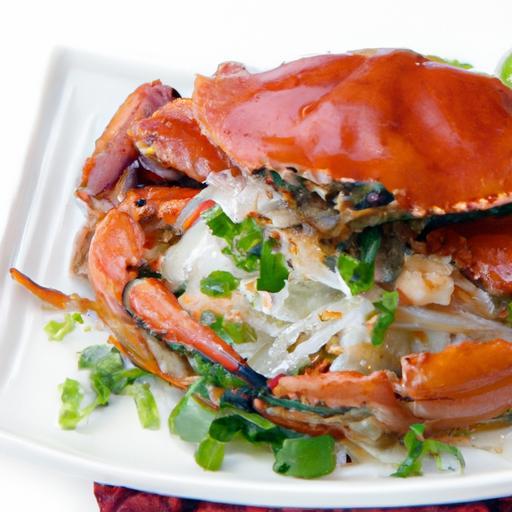
Beneath the shimmering waves of the world’s oceans lies a crustacean treasure that has captivated seafood lovers for centuries: the red crab.With its vibrant shell and succulent, sweet meat, this marine marvel stands out as a delicacy that promises both a feast for the senses and a journey into the rich depths of oceanic flavor.From coastal kitchens to gourmet tables, the red crab reigns supreme, offering a juicy delight that is as nutritious as it is flavorful. Join us as we dive into the captivating world of the red crab-seafood’s finest treasure-uncovering its origins, culinary versatility, and the irresistible charm that has made it a beloved staple across cultures.
Discover the juicy delight of red crab as we delve into its uniquely sweet, briny flavor and the delicate texture that seafood lovers crave. Native to coastal waters where pristine environments nurture their growth, red crab stands apart with a taste profile that is both rich and refreshingly oceanic, offering a sublime balance of natural sweetness and subtle minerality.
The Irresistible Flavor Profile That Sets Red Crab Apart
Unlike other crustaceans, red crab carries an remarkable umami depth accentuated by firm yet tender meat. Its essence combines buttery richness with an unmistakable ocean freshness, making every bite a tantalizing experience. Sourced from nutrient-rich currents, red crab embodies a natural sweetness that elevates customary seafood dishes to new heights. The succulent texture is perfect for absorbing bold flavors, allowing cooks to experiment while respecting the crab’s natural taste.
Harvesting and Sustainability Practices Ensuring Quality and Conservation
Red crab’s exceptional quality is closely tied to enduring harvesting practices.Responsible fisheries employ selective traps and size limits to protect juvenile crabs, ensuring their populations remain healthy. By following seasonal restrictions and utilizing eco-friendly methods,the industry supports ecosystem balance and habitat preservation. choosing sustainably sourced red crab not only guarantees peak freshness but also safeguards this delicate treasure for future generations.For a detailed guide on sustainable seafood choices, visit Monterey Bay Aquarium’s Seafood Watch.
Cooking Techniques to unlock Maximum Juiciness and Tenderness
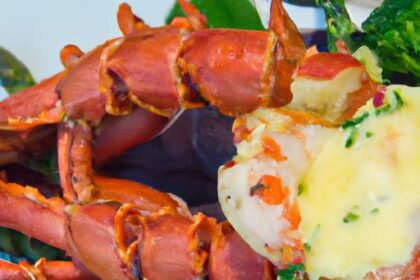
Perfectly cooking red crab requires gentle methods that highlight its natural tenderness and flavor. Steaming is a preferred technique, preserving moisture and concentrating sweetness, while light sautéing or grilling with a touch of herbaceous butter can imbue aromatic layers without overpowering the delicate meat. Slow simmering in richly spiced broths enhances juiciness for hearty stews. When cracking the shell, ensure the meat remains intact to preserve presentation and texture. Remember, overcooking dries out red crab, so monitor the process closely for that invariably soft, juicy yield.
Top Recipes and Pairings to Elevate Your Red Crab Dining Experience
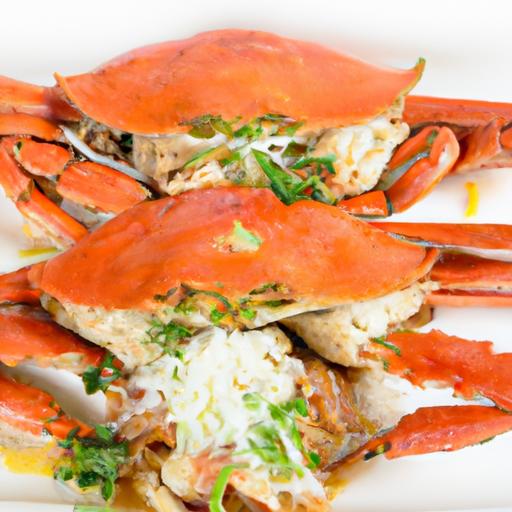
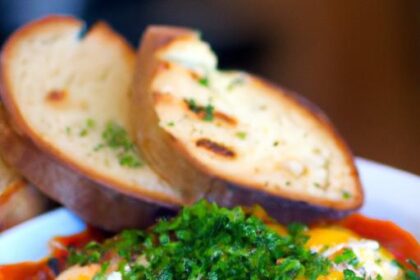
To celebrate this seafood’s breathtaking character, try classic preparations like garlic Butter Red Crab where browned butter, fresh lemon zest, and chopped parsley form a simple yet decadent sauce.Pair with crusty artisan bread to soak up every drop of luscious juices. For adventurous palates, a Spicy Coconut Curry Red Crab combines tropical heat with creaminess, perfectly balanced by fragrant jasmine rice. Crisp white wines such as Sauvignon Blanc or chilled sparkling rosé heighten the meal’s radiant, clean finish.
Prep and Cook Time
- Preparation: 15 minutes
- cooking: 20 minutes
- Total: 35 minutes
Yield
Serves 4 elegantly
Difficulty Level
Medium – ideal for cooks cozy with shellfish and multitasking in the kitchen
Ingredients
- 2 whole red crabs (about 1.5 lbs each),cleaned and cracked gently
- 6 tbsp unsalted butter
- 4 cloves garlic,minced
- 1 tbsp fresh lemon juice
- 2 tbsp fresh parsley,finely chopped
- Salt and freshly ground black pepper,to taste
- 1 tsp smoked paprika (optional,for subtle warmth)
- Crusty bread or steamed jasmine rice,for serving
Instructions
- Prepare the crabs: Rinse the red crabs under cold water. Using kitchen shears or crab crackers, gently crack the claws and legs to allow flavors to penetrate during cooking, but keep the body largely intact for presentation.
- melt the butter: In a large skillet over medium heat, melt the butter slowly until it begins to brown slightly and emit a nutty aroma, about 3-4 minutes. Be careful not to burn.
- Add garlic: Stir in minced garlic and sauté until fragrant and golden, about 1 minute, stirring constantly to avoid burning.
- Cook the crab: place the crabs in the skillet, turning to coat with the garlic butter. Sprinkle with smoked paprika, salt, and pepper. Cover and let steam in the skillet for 8-10 minutes, turning halfway, until meat is opaque and tender.
- Finish with lemon and parsley: squeeze fresh lemon juice over the crabs and sprinkle chopped parsley. Toss gently to combine all flavors.
- Serve immediately: transfer crabs to a platter, garnish with extra parsley and lemon wedges. Serve alongside crusty bread or steamed rice to soak up the luscious buttery sauce.
Chef’s Notes & Tips for Success
- Substitution: For richer flavor, try using a mix of butter and olive oil when sautéing.
- Enhance spice: Add a pinch of red chili flakes for a subtle kick without overpowering the natural sweetness.
- make-ahead: Prepare garlic butter sauce ahead and gently reheat before adding freshly steamed crab.
- Cleaning crabs: ask your fishmonger to crack the shells partially, or follow a tutorial for easier preparation.
- Storage: Leftover cooked crab meat can be refrigerated in an airtight container for up to 2 days, perfect for salads or crab cakes.
Serving Suggestions
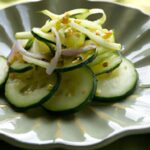
Present red crab on a large wooden board or decorative platter scattered with lemon halves and sprigs of fresh parsley for a rustic yet elegant look. Pair with a chilled sauvignon blanc or a sparkling rosé to accentuate the crab’s briny sweetness. Add a side of grilled seasonal vegetables or a light fennel and cucumber salad for crispness and balance. Elevate your dining with homemade garlic aioli or a tangy remoulade for dipping.

| Nutrient | Amount per Serving |
|---|---|
| Calories | 280 kcal |
| Protein | 32 g |
| Carbohydrates | 2 g |
| Fat | 14 g |
Enhance your culinary adventure with red crab by exploring more seafood recipes here on our site and dive deeper into the flavors of the sea.
Q&A
Q&A: Discover the Juicy Delight of Red Crab - Seafood’s Finest Treasure
Q1: What makes red crab stand out among other seafood varieties?
A1: Red crab is a shimmering jewel in the ocean’s bounty,celebrated for its sweet,succulent meat and vibrant red shell.Unlike other crabs, its flavor strikes the perfect balance between rich and delicate, making every bite a luxurious experience. It’s not just seafood-it’s a celebration on your palate.
Q2: Where are red crabs typically found?
A2: Red crabs thrive in the cooler coastal waters of the North Atlantic and parts of the Pacific, where pristine environments help develop their unique flavor and texture. These crabs often inhabit rocky seabeds and sandy ocean floors, where they feast and grow to their juicy perfection.
Q3: How is red crab best prepared to savor its natural flavors?
A3: Simplicity is the secret to unlocking red crab’s essence. Steaming or boiling with a dash of sea salt preserves the delicate sweetness of its meat. For the adventurous, lightly tossing it in garlic butter or infusing it with citrus zest can elevate the dish while still honoring the crab’s natural glory.
Q4: What nutritional benefits does red crab offer?
A4: Beyond its heavenly taste,red crab is a powerhouse of nutrition-packed with lean protein,omega-3 fatty acids,and essential minerals like zinc and selenium. It supports heart health, brain function, and even boosts immunity, making it not just a treat for your taste buds but a boon for your body.
Q5: Are there any sustainability considerations when enjoying red crab?
A5: Absolutely. To protect the ocean’s treasure troves, it’s critically important to choose red crab from sustainable fisheries that practice responsible harvesting. this ensures that these crustaceans continue to thrive, allowing future generations to indulge in their juicy delight without harming marine ecosystems.
Q6: What are some creative dishes featuring red crab?
A6: The culinary canvas for red crab is vast. Imagine vibrant crab cakes infused with herbs, decadent crab bisques, or a zesty crab salad tossed with avocado and lime. Its tender meat also shines in sushi rolls or as a sumptuous topping over freshly grilled bread-each dish a tribute to seafood’s finest treasure.
Q7: how can beginners safely handle and prepare red crab at home?
A7: For the seafood novice, red crab is surprisingly approachable.Start by purchasing pre-cooked or cleaned crabs from trusted sources. Use kitchen shears or crab crackers to access the meat, and pair it with simple sides like lemon wedges and fresh herbs. Dive in with patience-the reward is pure oceanic bliss.
Discovering red crab is akin to uncovering a hidden gem beneath the waves-a succulent treasure that transforms every meal into an unforgettable feast. Whether you’re a seasoned seafood lover or a curious newcomer, the juicy delight of red crab promises a taste of the ocean’s finest artistry.
In Conclusion
As we conclude our flavorful journey into the world of red crab, it’s clear that this seafood gem holds a special place not just on our plates, but in the rich tapestry of oceanic delicacies. From its succulent meat to its vibrant hue, red crab embodies the perfect blend of nature’s bounty and culinary artistry. Whether savored steamed, grilled, or tossed in a zesty sauce, its juicy delight promises to elevate any dining experience. So next time you seek the finest treasure from the sea, let the red crab remind you that sometiems, the simplest pleasures carry the deepest flavors. Dive in,savor every bite,and celebrate the ocean’s gift-one shell at a time.