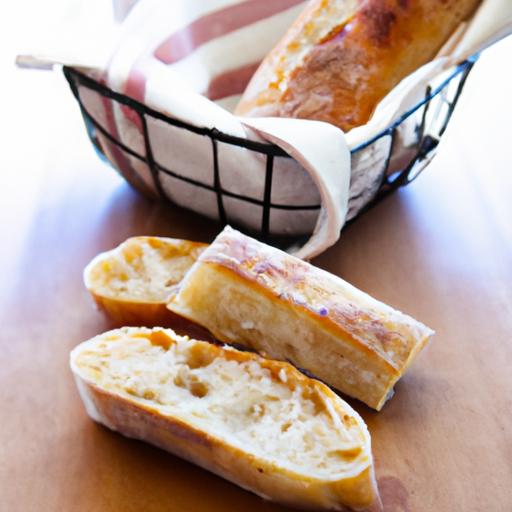

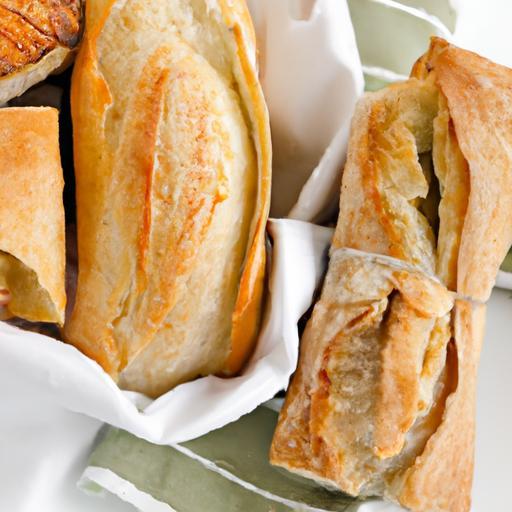
There’s something undeniably magical about the crackle of a freshly baked baguette-the golden crust shattering under your fingertips, the airy crumb that melts effortlessly on the tongue. For those who embrace gluten-free living, though, capturing this classic French delight has long been a challenge. Enter the world of gluten-free baguettes: crispy, fresh, and deliciously light creations that defy expectations and bring artisanal charm to every bite. In this article, we’ll explore the secrets behind crafting these irresistible loaves, blending culinary science with creative flair to recreate that iconic baguette experience-no gluten required.
Gluten-free baguettes offer an exciting twist on a beloved classic, delivering that iconic crispy crust and airy inside without gluten’s customary structure. Understanding the subtle science behind gluten-free baguette texture is the key to transforming this artisanal bread into a light, fresh, and utterly irresistible creation in your own kitchen. Whether you’re new to gluten-free baking or looking to refine your skills, mastering the right flour blend and techniques will empower you to achieve baguettes that rival any bakery.
Prep and Cook time
- Preparation: 20 minutes
- proofing: 1 hour 30 minutes
- Baking: 25 minutes
- Total Time: Approx. 2 hours 15 minutes
Yield
- Makes 2 medium-sized baguettes (about 8-10 slices each)
Difficulty Level
- Medium – Requires attention to detail and proper proofing for best results
Ingredients
- 1 ½ cups gluten-free all-purpose flour blend (ensure it contains xanthan gum or add 1 tsp separately)
- ½ cup brown rice flour – adds lightness and structure
- ¼ cup tapioca starch – responsible for elasticity and chew
- 1 tsp instant yeast
- 1 tsp sugar
- 1 tsp salt
- 1 cup warm water (110°F / 43°C)
- 2 tbsp olive oil
- 1 tsp apple cider vinegar - enhances crumb softness
Instructions
- Activate the yeast: In a small bowl, combine the warm water, sugar, and yeast. Stir gently and let sit for 5-7 minutes until foamy to ensure the yeast is alive.
- Mix dry ingredients: In a large bowl,whisk together the gluten-free all-purpose flour,brown rice flour,tapioca starch,xanthan gum (if needed),and salt for uniform consistency.
- Combine wet and dry: Pour the yeast mixture,olive oil,and apple cider vinegar into the dry ingredients. Use a wooden spoon or stand mixer fitted with a paddle attachment to mix until a thick batter forms. The dough should be sticky but manageable; resist adding more flour.
- First rise: Cover the bowl with a damp cloth or plastic wrap and place it in a warm draft-free spot. Let the dough rise for 1 hour or until it has roughly doubled in volume,puffing and airy to the touch.
- Shape the baguettes: Lightly dust a clean surface with brown rice flour. Using wet hands, divide the dough into two equal portions.Gently shape each into a long, slightly tapered baguette shape about 12 inches in length. Transfer the shaped dough to a baking sheet lined with parchment paper. For traditional baguette scoring, use a sharp serrated knife to make 3-4 diagonal slashes on each dough piece.
- Final proof: Cover loosely with a clean towel and let rest for 30 minutes. meanwhile, preheat your oven to 450°F (230°C) and place a shallow pan on the bottom rack for steam creation.
- Bake with steam: Before placing the baguettes in the oven, pour a cup of hot water into the shallow pan to create steam, which helps develop a crisp crust. Bake for 20-25 minutes,rotating the tray halfway for even browning. The baguettes should sound hollow when tapped.
- Cool and serve: Remove the baguettes from the oven and cool on a wire rack for at least 15 minutes to set the crumb and maintain crispness.
Tips for Success
- Flour blends matter: Experiment with brown rice and tapioca starch ratios to find your preferred crumb lightness and chewiness.
- Do not over-flour: Stickiness ensures moisture retention; avoid handling the dough with dry hands or adding excess flour.
- Steam is non-negotiable: creating steam in the oven boosts crust crispness and prevents drying out.
- Consider using a baking stone: For a bakery-style bottom crust, preheat a baking stone to mimic artisan ovens.
- Freshness tip: Store leftover baguettes wrapped loosely in a cotton towel to keep crust crisp and avoid sogginess.
- Make ahead: Prepare dough the night before and do a slow overnight cold proof in the refrigerator, then shape and bake in the morning for ultimate convenience.
Serving Suggestions
Enjoy your freshly baked gluten-free baguettes warm, slathered with aromatic herb butter or a drizzle of good quality extra virgin olive oil. They pair beautifully with creamy cheeses like Brie or goat cheese and fresh seasonal tomatoes for a rustic bruschetta. For a heartier option, serve alongside soups like French onion or a robust ratatouille. Garnish with a sprinkle of coarse sea salt or fresh rosemary before baking for an extra sensory delight.

| Nutrient | Per Serving (1 slice) |
|---|---|
| Calories | 90 |
| Protein | 2g |
| Carbohydrates | 18g |
| Fat | 1.5g |
For a deeper dive into gluten-free baking science and flour recommendations, visit King Arthur Baking’s Gluten-Free Guide. To explore more gluten-free bread recipes, check out our complete gluten-free bread collection on the site.
Q&A
Q&A: Gluten-Free Baguettes – Crispy, Fresh, and Deliciously light
Q1: What makes a gluten-free baguette different from a traditional baguette?
A1: The most obvious difference is the absence of wheat gluten, which gives traditional baguettes their chewy texture and characteristic stretch. Gluten-free baguettes rely on alternative flours like rice, tapioca, or sorghum, combined with special binding agents such as xanthan gum or psyllium husk to recreate that iconic crusty exterior and light, airy crumb. The challenge is balancing these ingredients to achieve the perfect texture without gluten’s natural elasticity.
Q2: Can gluten-free baguettes really be crispy on the outside and soft inside?
A2: absolutely! Achieving that crispy crust while keeping the inside tender is all about technique and temperature. Many bakers use steam ovens or spritz water during baking to encourage crust formation. Additionally, the choice of flours and the hydration level in the dough play crucial roles. Properly baked gluten-free baguettes can surprise even traditionalists with their satisfying crunch and delicate lightness.
Q3: Are gluten-free baguettes fresh for provided that conventional ones?
A3: Gluten-free breads tend to dry out faster as they lack gluten’s moisture-retaining properties. However, freshly baked gluten-free baguettes are best enjoyed within a day or two. To extend freshness, storing them in a paper bag rather than plastic can help maintain the crust’s integrity. Freezing slices and reheating them briefly in the oven can also revive their delightful texture.
Q4: What are some popular flour combinations used in gluten-free baguette recipes?
A4: Successful gluten-free baguettes frequently enough involve a blend of rice flour for a neutral base, tapioca starch for chewiness and crispness, and potato starch for moisture retention. Some recipes incorporate sorghum or millet flour to add subtle nuttiness.The key is blending flours to mimic the properties of wheat, ensuring a baguette that’s light but holds together well.
Q5: Can gluten-free baguettes be made at home or are they best bought from specialty bakeries?
A5: Both! While specialty bakeries often have perfected the art with professional ovens and experience, home bakers can absolutely create scrumptious gluten-free baguettes with the right recipe and tools.A stand mixer, a baking stone, and a bit of patience can transform your kitchen into a mini boulangerie. Plus, homemade baguettes allow experimentation with flavors, seeds, or herbs.
Q6: how do gluten-free baguettes fit into a balanced diet?
A6: Gluten-free baguettes cater to those with celiac disease, gluten intolerance, or anyone opting to reduce gluten intake. Made thoughtfully,these breads can be a source of energy and fiber,especially when whole grain gluten-free flours are used. They fit perfectly into balanced meals as carriers for proteins, veggies, and healthy fats-making your sandwich both safe and scrumptious.
Q7: What tips can help someone who is new to gluten-free baking?
A7: Start with well-reviewed recipes designed for gluten-free flours. Don’t skip binding agents like xanthan gum or psyllium husk-they’re crucial for structure. Hydration may need adjustment since gluten-free flours absorb liquids differently.don’t be discouraged by initial imperfections; gluten-free baking is an art of trial and joyful experimentation.
Q8: Why are gluten-free baguettes gaining popularity beyond those with gluten sensitivities?
A8: Beyond health needs, gluten-free baguettes appeal to food lovers seeking variety and artisanal textures. With rising awareness about digestive comfort and diverse dietary choices, many appreciate the delicate flavor profiles and unique mouthfeel that gluten-free breads offer. Simply put, they’re becoming a trendy, tasty option on bakery shelves worldwide.
Craving a crusty delight that’s kind to your gut? Gluten-free baguettes are redefining bread-bringing that signature crunch and feather-light crumb to your table, all without gluten’s grip. Whether baked at home or handpicked from a local bakery, these breads are a festivity of texture, flavor, and creativity. Bon appétit!
Insights and Conclusions
Whether you’re navigating gluten sensitivities or simply exploring new culinary horizons, gluten-free baguettes prove that tradition and innovation can rise beautifully together. Crispy on the outside, tender and light within, these baguettes redefine what it means to enjoy fresh bread without compromise. So next time you crave that perfect crust and airy crumb, remember: a world of delicious, gluten-free possibilities is just a bake away. Embrace the art of gluten-free baking, and let every bite tell a story of flavor, texture, and thoughtful craftsmanship.