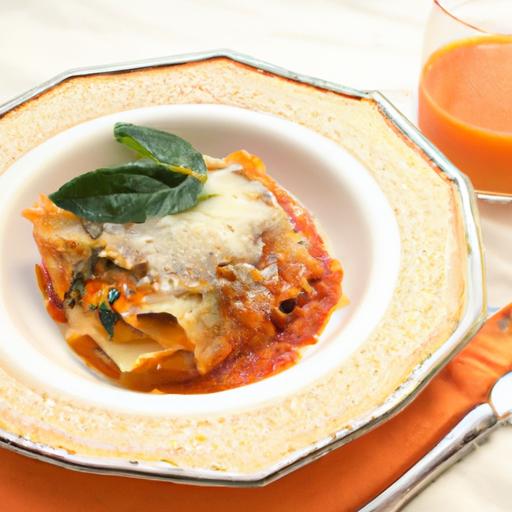



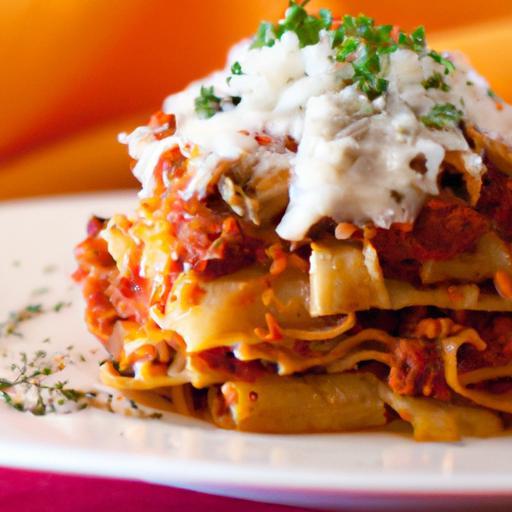
Imagine savoring the rich, comforting layers of lasagna without a single crumb of wheat in sight. Gluten-free lasagna pasta has transformed this beloved Italian classic into a dish that welcomes everyone to the table-whether you’re avoiding gluten for health reasons or simply exploring new culinary horizons.In this article, we’ll dive into the art of crafting appetizing layers without wheat, uncovering the best gluten-free pasta options and tips to achieve that perfect, hearty bite. Get ready to experience lasagna like never before: all the flavor, all the comfort, but entirely wheat-free.
Gluten-Free Lasagna Pasta offers a delicious, wheat-free alternative that retains all the charm of customary Italian comfort food. Drawing inspiration from classic regional recipes,this dish brings tender,melt-in-your-mouth layers crucially dependent on selecting the right flours and mastering the dough’s texture. Whether you’re embracing gluten-free living or simply exploring new culinary horizons, this recipe promises perfectly tender sheets that form a luscious, satisfying lasagna.
Prep and Cook Time
- Readiness: 45 minutes
- Cooking: 30 minutes
- Total Time: 1 hour 15 minutes
yield
Serves 6 generous portions
Difficulty level
Medium – Ideal for home cooks familiar with pasta-making or eager to experiment with gluten-free flours.
Ingredients
- 1 cup brown rice flour, finely ground
- 1/2 cup tapioca starch, for elasticity
- 1/2 cup potato starch, to add tenderness
- 2 large eggs, at room temperature
- 1 tablespoon olive oil, plus extra for rolling
- 1 teaspoon xanthan gum, binds the dough (optional but recommended)
- 1/2 teaspoon sea salt
- 2-3 tablespoons warm water, as needed
Instructions
- Combine dry ingredients: In a large mixing bowl, whisk together the brown rice flour, tapioca starch, potato starch, xanthan gum, and sea salt. Ensure even distribution to avoid clumps.
- Create a well: Make a crater in the center and crack in the eggs, drizzle the olive oil, and add the warm water gradually.
- Mix and knead: Using a fork,gently incorporate the wet ingredients into the flour until a shaggy dough forms. Transfer to a lightly floured surface and knead for 6-8 minutes until smooth and pliable. If sticky, dust sparingly with brown rice flour; add more water in small increments if too dry.
- Rest the dough: Wrap the dough in plastic wrap and let it rest at room temperature for 30 minutes.This step hydrates the flours and improves elasticity.
- roll out pasta sheets: Divide the dough into 4 equal portions. Using a rolling pin or pasta machine set to the second-thinnest setting, roll each portion into thin, translucent sheets about 1/16 inch thick. Lightly brush with olive oil and lay sheets on a floured surface or parchment paper to prevent sticking.
- Parboil sheets: Bring a large pot of salted water to boil.Working in batches, gently drop the sheets in and cook for 30-45 seconds until they just begin to soften. Remove with a slotted spoon and plunge into ice water to halt cooking and preserve texture.Drain and layer promptly or store on a lightly oiled baking sheet.
Choosing the Best Gluten-Free Flours for Perfect Lasagna Sheets
Picking the right flour blend is the cornerstone of flawless, pliable layers in gluten-free lasagna pasta. Brown rice flour provides a neutral base while offering a slightly nutty flavor that echoes homemade tradition. Tapioca starch is key to building elasticity, mimicking the stretchy quality that gluten typically imparts, preventing breakage or cracking. Potato starch contributes moisture retention so that the cooked sheets remain tender rather than crumbly. Xanthan gum is a silent hero,replicating gluten’s binding function for cohesiveness. Experimenting within this triumvirate lets you strike harmony between softness and resilience, vital for layering delicate textures.
Crafting the Ideal Gluten-Free Pasta Dough for Tender Layers
The tactile skill lies in kneading and resting – two factors that transform an array of powders into silky pasta dough. Through kneading, you build structure as starch chains align, further helped by the xanthan gum’s sticky magic. Resting eases the dough, making it easier to roll and prevents cracking during thin sheet formation. Using warm water optimizes hydration upfront, while parboiling softens the sheets just enough to fold without tearing during layering. Each step echoes the delicate balance between firmness and tenderness foundational to gluten-free lasagna pasta success.
Layering Ideas That Enhance Flavor and Texture Without Wheat
Without wheat, enriching each layer with contrasting textures becomes even more notable. Think creamy béchamel made with almond or oat milk for silkiness, alternating with roasted vegetables like zucchini or eggplant for earthiness and bite. Incorporate fresh herbs such as rosemary and sage to uplift the aroma. To offset naturally drier gluten-free pasta sheets, a hearty meat ragù or luscious tomato sauce infused with garlic and onion provides moisture and acidity that elevate each bite. Layer in dollops of ricotta or vegan cheese for richness and a luscious melt.
Baking Tips to Achieve a Mouthwatering Gluten-Free Lasagna Finish
patience during assembly and baking is key. Preheat your oven to 375°F (190°C), cover the assembled lasagna with foil to trap steam and keep the gluten-free sheets tender. Bake covered for 30 minutes, then remove foil for the final 10-15 minutes to allow bubbling edges and golden cheese crust to form. Gluten-free pastas don’t crisp as aggressively as wheat versions, so don’t aim for crunch but rather a delicate baked finish with invitingly browned spots. Let rest 10-15 minutes to firm up for clean slices and perfect presentation.
Chef’s Notes: Tips for Success
- Mix flours in advance: Prepare the dry blend ahead in a sealed container to save time for future recipes.
- Rolling alternative: Use a silicone mat for easier rolling and clean-up.
- Make-ahead: Sheets can be refrigerated for 24 hours or frozen between parchment layers for up to one month.
- Substitutions: Sorghum flour may replace brown rice flour for nuttier flavor, but adjust liquids slightly.
- Troubleshooting cracks: Add an additional egg white or a teaspoon of olive oil to increase elasticity.
Serving Suggestions
serve warm slices garnished with freshly chopped basil and a sprinkle of toasted pine nuts for added texture.A crisp green salad with lemon vinaigrette pairs beautifully, cutting through the lasagna’s richness. For an indulgent touch,drizzle balsamic glaze over individual portions before serving. Create an inviting italian-inspired tablescape with rustic bread and a glass of medium-bodied red wine such as Chianti or Sangiovese.

| Nutrient | Per Serving |
|---|---|
| Calories | 390 kcal |
| Protein | 18 g |
| Carbohydrates | 44 g |
| Fat | 12 g |
For an authoritative deep dive into gluten-free flour blends and pasta-making science, visit Celiac Disease Foundation.
Looking for more gluten-free Italian delights? Check out our Creamy gluten-Free Risotto recipe, perfect for cozy dinners.
Q&A
Q&A: gluten-Free Lasagna Pasta – Delicious Layers Without Wheat
Q1: What exactly is gluten-free lasagna pasta?
A: Gluten-free lasagna pasta is a type of pasta crafted without wheat or any gluten-containing grains. Rather, it frequently enough features alternative flours such as rice, corn, quinoa, or chickpea flour. This makes it a perfect option for those with celiac disease, gluten intolerance, or anyone wanting to cut back on gluten without sacrificing the beloved comfort of lasagna.
Q2: Does gluten-free lasagna pasta taste different from traditional wheat pasta?
A: At first glance, sure-it might have a subtly different texture or flavor depending on the flour blend used. But modern gluten-free pastas are crafted to mimic the familiar, satisfying bite of classic wheat pasta.Actually,many food lovers find the nutty or earthy notes in gluten-free varieties add a new,delicious depth to their lasagna layers.
Q3: Can gluten-free lasagna pasta hold up well in a baked lasagna?
A: Absolutely! High-quality gluten-free lasagna sheets are designed to withstand the baking process without turning mushy or falling apart. the key is proper preparation-often soaking or boiling the sheets briefly before layering helps them absorb sauce evenly and maintain structure, resulting in beautifully layered, sliceable lasagna every time.Q4: How do I cook gluten-free lasagna pasta differently?
A: It depends on the brand and ingredients, so always check the package instructions. Generally, gluten-free pasta can be more delicate, so a fast boil and gentle handling are essential. some recommend parboiling or soaking the sheets to prevent dryness in the final bake. Using plenty of sauce also helps keep the pasta tender and flavorful.
Q5: Are gluten-free pasta options healthier?
A: “Healthier” is subjective, but gluten-free pasta often incorporates diverse flours rich in fiber, protein, and micronutrients absent in standard wheat pasta. For example, chickpea or quinoa-based lasagna noodles boost protein content, while brown rice pasta adds fiber. Plus, skipping gluten can reduce digestive discomfort for sensitive individuals, making for a happier gut overall.
Q6: Were can I buy gluten-free lasagna pasta?
A: You’ll find gluten-free lasagna sheets in many mainstream supermarkets, health food stores, and online retailers. Popular brands frequently enough include a variety of gluten-free options crafted from rice, corn, or legume flours. Don’t forget to explore specialty stores or ethnic markets,where you might uncover artisanal or locally made gluten-free pasta treasures.
Q7: Can I make gluten-free lasagna pasta from scratch?
A: Yes! For the adventurous cook, homemade gluten-free pasta dough is within reach using blends of gluten-free flours, xanthan gum or psyllium husk for binding, eggs, and water. Rolling it out thinly and cutting into sheets may take some practice, but crafting your own fresh pasta adds a wonderful personalized touch to your lasagna masterpiece.
Q8: what dishes pair best with gluten-free lasagna pasta?
A: The classic meat or vegetable-filled lasagna remains a top pick, but gluten-free lasagna pasta is surprisingly versatile. Try it in vegan layers with cashew cheese and roasted veggies, or in a lighter, summery “lasagna” using grilled zucchini strips interspersed with gluten-free sheets.The possibilities are endless,proving that going gluten-free doesn’t mean missing out on creative culinary adventures.
gluten-free lasagna pasta delivers the comforting, layered joy of traditional lasagna-without wheat. Whether you’re navigating dietary needs or simply exploring new flavors, these pasta sheets prove you can enjoy delicious, hearty layers that satisfy both palate and health. Ready to roll up your sleeves and create a gluten-free lasagna that’s as tasty as it is thoughtful? Your oven awaits!
In Retrospect
As the final layer of sauce settles and the aroma of baked goodness fills the kitchen, it’s clear that gluten-free lasagna pasta is more than just a wheat-free alternative-it’s a celebration of flavor, texture, and culinary creativity. Whether you’re navigating dietary restrictions or simply exploring new tastes, these delicious layers prove that going gluten-free doesn’t mean sacrificing satisfaction. so next time you crave a comforting classic, remember: a wheatless lasagna can be just as hearty, just as rich, and irresistibly inviting.Dive in, savor every bite, and let your taste buds discover a world beyond gluten-one savory layer at a time.