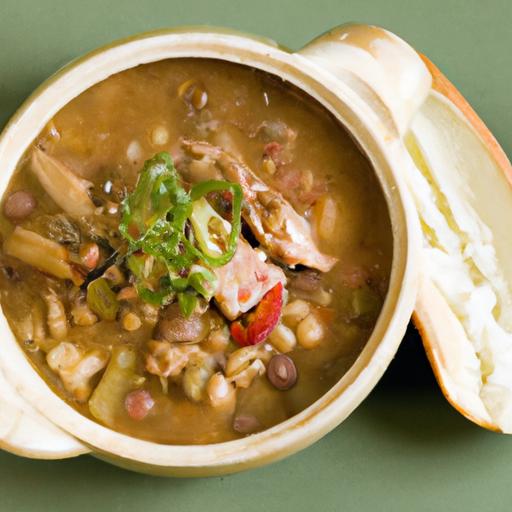

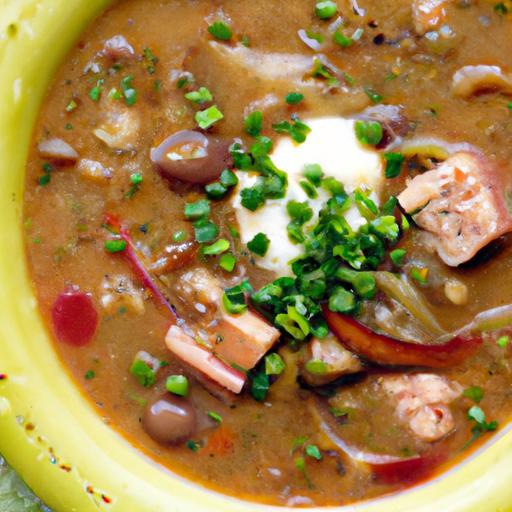
In the heart of Louisiana’s bayous and bustling streets, a rich tapestry of flavors simmers in pots passed down through generations. Gumbo-more than just a dish-is a culinary emblem of Cajun culture, where French, African, Spanish, and Native American influences meld into a savory harmony that tells a story with every spoonful. “Gumbo Unveiled: A Savory Journey into Cajun Culture” invites you to dive deep into this iconic stew’s origins, ingredients, and the vibrant traditions that surround it. Join us as we explore how gumbo encapsulates the spirit of a people, a place, and a way of life simmering with history, community, and soul.
Gumbo Unveiled: A Savory Journey into Cajun culture invites you to explore the rich tapestry woven through the origins, ingredients, and tradition of gumbo. This dish, steeped in Louisiana’s history, blends African, French, Spanish, and Native American influences, creating a beloved culinary emblem of Cajun heritage. From the first aromatic stir of a dark roux to the final hearty spoonful, mastering gumbo is both an art and a celebration of cultural resilience.
Prep and Cook Time
- Prep Time: 30 minutes
- Cook Time: 2 hours
- Total Time: 2 hours 30 minutes
Yield
Serves 6 generous bowls
Difficulty Level
Medium – Requires patience for roux and layering of flavors
Ingredients
- 1 cup all-purpose flour, sifted
- ¾ cup vegetable oil (for roux)
- 1 large onion, finely chopped
- 1 green bell pepper, diced
- 3 stalks celery, diced
- 4 cloves garlic, minced
- 1 pound smoked Andouille sausage, sliced into ½-inch pieces
- 1 pound boneless chicken thighs, cut into chunks
- 8 cups chicken stock, preferably homemade
- 2 bay leaves
- 1 teaspoon dried thyme
- 1 teaspoon smoked paprika
- ½ teaspoon cayenne pepper (adjust to taste)
- 1 teaspoon salt
- 1 teaspoon black pepper freshly ground
- 1 cup okra, sliced (optional)
- 1 cup cooked crab meat or shrimp (optional, for seafood variation)
- Cooked white rice, for serving
- Chopped green onions and fresh parsley, for garnish
Instructions
- Prepare the roux: In a heavy-bottomed Dutch oven or cast iron pot, heat the vegetable oil over medium heat.Gradually whisk in the flour, stirring constantly. Cook, stirring patiently, until the mixture turns a deep chocolate brown, about 20-25 minutes.Do not rush – this slow change builds the signature gumbo flavor.
- Add the “Holy Trinity”: Once the roux reaches the desired color, immediately stir in the onion, bell pepper, and celery. Cook until softened and fragrant, about 8 minutes, stirring frequently to combine with the roux.
- infuse aromatics and proteins: Add the garlic and cook 1 more minute. Then add the Andouille sausage and chicken thighs,letting them brown slightly while absorbing the roux’s flavor,around 5 minutes.
- Simmer the gumbo: Slowly pour in the chicken stock, whisking gently to incorporate the roux base into the liquid. Add the bay leaves, thyme, paprika, cayenne, salt, and pepper. Bring to a boil, then reduce to a gentle simmer. Cover partially and cook for at least 1½ hours, stirring occasionally.
- Add optional ingredients: During the last 20 minutes, stir in okra and/or cooked seafood if using, so they warm through without overcooking.
- final touches: Remove bay leaves. Adjust seasoning to taste. Serve the gumbo piping hot over fluffy white rice.Garnish with chopped green onions and parsley to brighten the flavors.
Tips for Crafting the Perfect Gumbo at Home
- Patience is key: The roux is the soul of gumbo-allow it to darken slowly to develop a nutty, complex base without burning.
- Layer flavor thoughtfully: Browning your proteins first locks in depth; don’t skip this step for an authentic taste.
- Customize your gumbo: Feel free to mix proteins such as duck, ham, or fresh seafood to reflect regional variations.
- Okra vs. filé powder: Okra thickens while adding texture,but a sprinkle of filé powder at the end can boost authenticity and add earthiness.
- Make ahead and improve: Gumbo tastes better the next day as flavors meld. Prepare in advance and gently reheat before serving.
- Consistency matters: If your gumbo is too thick, thin with stock; if too thin, continue simmering uncovered to reduce.
Serving Suggestions
Present this vibrant stew over a bed of steaming, perfectly cooked white rice-the essential canvas for gumbo’s rich sauce. Garnish liberally with fresh green onions and parsley for color and brightness. A side of crusty French bread or cornmeal-based hush puppies complements the hearty flavors perfectly. Pair with a cold, crisp beer or a glass of lightly oaked Chardonnay to round out the sensory experience.
| Nutrient | Per Serving |
|---|---|
| Calories | 420 kcal |
| Protein | 28 g |
| Carbohydrates | 20 g |
| Fat | 22 g |

For more on authentic Cajun ingredients and recipes,check out our Cajun Cooking Basics guide. You can also deepen your knowledge by exploring the rich cultural background of gumbo on History.com.
Q&A
Q&A: Gumbo Unveiled – A Savory Journey into Cajun Culture
Q1: What exactly is gumbo, and why is it so significant in Cajun culture?
A: Gumbo is much more than a stew; it’s a flavorful tapestry woven from the diverse threads of Cajun heritage. Originating in Louisiana, gumbo is a hearty dish that combines meats or seafood, the “holy trinity” of Cajun cooking (onions, bell peppers, and celery), and a thickening agent like roux, okra, or filé powder. It embodies the resourcefulness and communal spirit of Cajun people, often served during gatherings that celebrate family, tradition, and resilience.
Q2: How did gumbo develop its unique identity in the American South?
A: Gumbo’s identity is a culinary mosaic reflecting the mingling of cultures – African, French, Spanish, Native American, and Caribbean influences all simmer together in this iconic stew. African slaves contributed okra and cooking techniques; the French added roux and seasoning styles; Native Americans introduced filé powder from sassafras leaves. This fusion led to a dish that is at once a symbol of cultural survival and creativity in the face of adversity.
Q3: What role does roux play in making the perfect gumbo?
A: Roux is the backbone of conventional gumbo, lending it both flavor and body. made by slowly cooking flour and fat together,the roux’s color can range from light tan to deep chocolate brown,each shade bringing a distinct depth and richness. The darker the roux, the more robust and nutty the gumbo’s flavor, though it requires skill and patience to avoid burning.
Q4: Can you explain the difference between Cajun and Creole gumbo?
A: While both share the name and charm, Cajun and Creole gumbos have distinct personalities.Cajun gumbo frequently enough leans toward rustic simplicity,using locally available ingredients like smoked sausage,game meats,and a darker roux. Creole gumbo is typically more refined, incorporating tomatoes, a lighter roux, and a wider variety of seafood. Both are appetizing acts of cultural pride, capturing different facets of Louisiana’s vibrant culinary landscape.
Q5: Why is gumbo considered a communal dish?
A: Gumbo is inherently social-it’s a dish designed to bring people together. Traditionally cooked in large pots, gumbo feeds big families and communities during festivals, celebrations, and Sunday dinners. The long cooking time encourages storytelling and bonding, turning the kitchen into a hub of laughter and shared history.Eating gumbo becomes a sensory experience that connects the eater to the collective Cajun soul.
Q6: How has gumbo influenced modern cuisine outside Louisiana?
A: Gumbo’s rich flavors and cultural symbolism have traveled far beyond Louisiana’s bayous. Chefs nationwide now embrace its complex layering of spice and texture, adapting gumbo-inspired dishes in everything from gourmet restaurants to street food trucks. Its spirit of fusion and community continues to inspire culinary innovation, reminding us that food is a worldwide language that bridges cultures.
Q7: What’s the best way for someone new to gumbo to experience its essence?
A: To truly savor gumbo is to appreciate its story and the hands that made it. Seek out authentic Louisiana recipes, ideally prepared by those steeped in Cajun tradition. attend a local gumbo festival if possible, or visit a family-owned restaurant where the dish is more than just a meal-it’s a celebration of heritage. Most importantly, enjoy gumbo slowly, savoring the layers of flavor that tell the tale of a culture rich in history and heart.
In Summary
As the last spoonful of gumbo warms your soul, you realize that this beloved dish is much more than a hearty stew-it is a flavorful tapestry woven from the threads of cajun history, culture, and community. Each spice, each ingredient tells a story of resilience and celebration, inviting us to savor not just a meal but a rich heritage passed down through generations. Whether enjoyed around a bustling family table or in the heart of Louisiana’s bayous, gumbo remains a delicious reminder that food is a powerful vessel of identity and connection. So next time you dive into a steaming bowl, remember-your partaking in a savory journey that unveils the true spirit of Cajun culture.