



ther’s something undeniably soul-soothing about a steaming bowl of hearty beef and vegetable stew-a timeless comfort food that wraps you in warmth with every bite. Beyond its rich, savory flavors and tender morsels of beef, this classic dish carries a legacy of tradition, patience, and simple, wholesome ingredients coming together in perfect harmony. In this article, we’ll unravel teh story behind this beloved stew, explore the key components that make it so satisfying, and share insights into crafting your own flavorful version. Whether you’re a seasoned cook or a curious kitchen adventurer, get ready to discover why this stew has remained a comforting staple across generations and cultures.
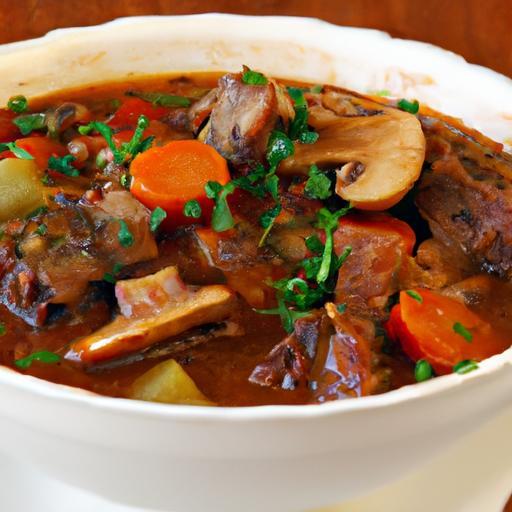
Hearty beef and vegetable stew embodies the essence of comfort food, offering a deeply satisfying blend of rich flavors and nourishing ingredients that warm both body and soul. This timeless classic, rooted in rustic European kitchens, owes its irresistible depth to carefully selected beef cuts, fresh seasonal vegetables, and the gentle art of slow cooking that transforms humble ingredients into a velvety, tender masterpiece.
Prep and cook Time
- Readiness: 25 minutes
- Cooking: 2 hours 30 minutes (slow simmer)
- Total Time: 2 hours 55 minutes
Yield
Serves 6 generous portions
difficulty Level
Medium – perfect for adventurous home cooks looking to deepen their stew-making skills
Ingredients
- 2 lbs (900 g) chuck roast beef,cut into 1.5-inch cubes
- 2 tbsp olive oil
- 1 large onion, diced
- 3 cloves garlic, minced
- 3 medium carrots, peeled and sliced into thick rounds
- 2 celery stalks, chopped
- 4 medium Yukon Gold potatoes, peeled and cubed
- 2 cups beef broth, low sodium
- 1 cup dry red wine (optional but recommended for depth)
- 1 cup frozen peas, added at the end
- 2 tbsp tomato paste
- 1 tsp dried thyme
- 2 bay leaves
- Salt and freshly ground black pepper, to taste
- 2 tbsp all-purpose flour (for dredging)
Instructions
- Prepare the beef: pat the chuck roast cubes dry with paper towels.Toss them in the all-purpose flour seasoned with salt and pepper until evenly coated. This helps develop a rich crust and thickens the stew later.
- Brown the beef: Heat olive oil in a heavy-bottomed Dutch oven over medium-high heat. Add beef cubes in batches to avoid overcrowding, sautéing until deeply golden on all sides, about 5 minutes per batch. Set aside.
- Sauté aromatics: Reduce heat to medium, add onions, carrots, and celery into the pot. Cook until softened and golden, about 7 minutes, stirring occasionally to prevent burning. Add minced garlic and cook 1 minute more.
- Deglaze and build the stew base: Stir in tomato paste, cooking briefly to intensify its flavor. pour in red wine, scraping any browned bits from the pot’s bottom with a wooden spoon. let it simmer for 3-4 minutes to reduce slightly.
- Combine and simmer: Return browned beef to the pot. Add beef broth, potatoes, thyme, and bay leaves. Bring to a gentle boil, then reduce heat to low. Cover and let simmer for 2 to 2.5 hours, stirring occasionally to ensure even cooking and prevent sticking.
- Final touches: About 15 minutes before serving, stir in frozen peas. Adjust seasoning with salt and freshly ground black pepper to taste.
- Rest and serve: Remove bay leaves. Let the stew rest for 10 minutes before serving to allow flavors to meld further.
Chef’s Notes
- Choosing beef cuts: Chuck roast is ideal for its marbling and connective tissues that break down during slow cooking, ensuring tender and flavorful beef. For a leaner stew, use brisket but note it might potentially be less rich.
- Vegetable versatility: Root vegetables like parsnips or turnips can replace or complement carrots and potatoes, adding subtle sweetness and variety.
- Make-ahead tip: Stew flavors intensify after resting overnight in the fridge. Reheat gently to preserve texture, adding a splash of broth if it thickens too much.
- Wine substitute: Use extra beef broth or a splash of balsamic vinegar for acidity if you prefer a non-alcoholic version.
- Slow cooker adaptation: After browning, combine all ingredients in a slow cooker on low for 6-8 hours or high for 3-4 hours, adding peas in the last 15 minutes.
serving Suggestions
Present your hearty beef and vegetable stew in deep bowls, garnished with freshly chopped flat-leaf parsley or a few sprigs of thyme for a burst of color and herbal aroma. Serve alongside crusty artisanal bread or buttery mashed potatoes to soak up the luscious broth. A vibrant green salad or steamed green beans balance this rich dish perfectly.

Nutritional Details (per serving)
| Nutrient | Amount |
|---|---|
| Calories | 350 kcal |
| protein | 28 g |
| Carbohydrates | 25 g |
| Fat | 15 g |
For a deeper dive into slow-cooking techniques and variations, check out our Ultimate Guide to Slow Cooker Meals. For more on beef quality and cuts, the USDA offers excellent guidance hear.
Q&A
Q&A: Hearty Beef & Vegetable Stew – A comfort Food Classic Explained
Q1: What exactly makes beef and vegetable stew a “comfort food classic“?
A1: Beef and vegetable stew embodies comfort food because it’s the culinary equivalent of a cozy blanket on a chilly day. The rich, savory flavors meld together slowly, creating a hearty, warming dish that nourishes both body and soul. Its deep, slow-cooked taste and tender textures evoke nostalgia and a sense of home.
Q2: Why is beef the star protein in this stew?
A2: Beef shines in stew for its robust flavor and ability to become meltingly tender with slow cooking. Cuts like chuck or brisket develop rich umami notes over hours, releasing their juices to infuse the broth with depth and heartiness that lighter proteins just can’t match.Q3: What role do vegetables play beyond just being filler?
A3: Vegetables are the unsung heroes of the stew. Carrots, potatoes, celery, and onions contribute essential textures, natural sweetness, and earthiness. They balance the meat’s richness, add layers of flavor, and create a satisfying variety in every spoonful.
Q4: How does the cooking method affect the stew’s final taste and texture?
A4: Slow simmering is key. This gentle, extended cooking breaks down collagen in the beef, turning it tender as butter, while melding flavors from meat, veggies, and broth into a luxurious whole. Rushing the process results in tougher meat and disjointed flavors.Q5: Can the broth be enhanced beyond basic stock and seasoning?
A5: Absolutely! Adding a splash of red wine, a hint of tomato paste, or fresh herbs like thyme and bay leaves elevates the broth’s complexity. These ingredients introduce acidity, depth, and aroma, transforming simple stew into a gourmet experience.
Q6: How versatile is beef and vegetable stew?
A6: Very! It adapts beautifully to seasonal vegetables and varying spice profiles. From classic Irish stew with root vegetables to Mediterranean versions with olives and herbs, it’s a canvas for creativity without losing its comforting essence.
Q7: what’s the best way to serve this stew for maximum comfort?
A7: Serve fresh and hot in deep bowls, ideally with a side of crusty bread or fluffy mashed potatoes to soak up every drop.A sprinkle of fresh parsley or a dollop of sour cream can add freshness and creaminess to balance the hearty base.
Q8: Is beef and vegetable stew suitable for meal prepping?
A8: Absolutely. Stew only improves with time, as flavors deepen overnight. It reheats wonderfully and can be enjoyed for days, making it a perfect candidate for wholesome, comforting meal prep that feeds the soul all week long.
Q9: How can home cooks make their stew stand out?
A9: Focus on quality ingredients, take your time, and don’t rush the simmer. Experiment with finishing touches like a squeeze of lemon to brighten flavors or a dash of smoked paprika for warmth. These small details turn humble stew into an unforgettable feast.Q10: Why does beef and vegetable stew continue to hold a special place in our hearts across generations?
A10: Its enduring appeal lies in its simplicity and warmth-both culinary and emotional. It’s a dish that brings people together,invites sharing stories at the table,and reminds us that some classics never go out of style because they satisfy a basic craving for comfort,nourishment,and connection.
Future Outlook
As the rich aroma of simmering beef and tender vegetables fills your kitchen, it’s clear why this hearty stew has stood the test of time. More than just a meal, it’s a comforting embrace in a bowl-a symphony of flavors and textures that speak to the soul. Whether shared around a bustling family table or enjoyed as a quiet winter’s night indulgence, the classic beef and vegetable stew remains a timeless reminder that comfort food is truly were the heart is. So next time you crave warmth and nourishment, remember that this humble stew is ready to welcome you home.