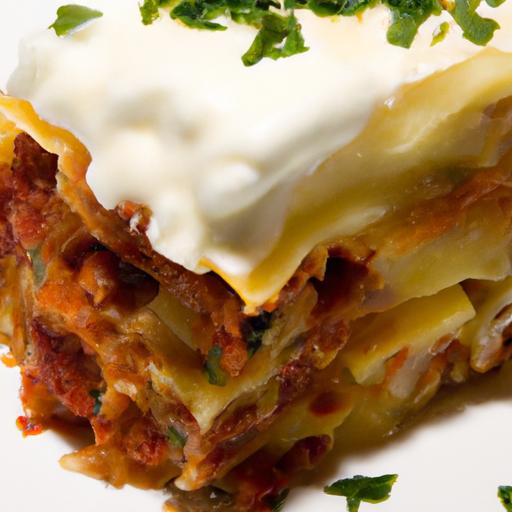
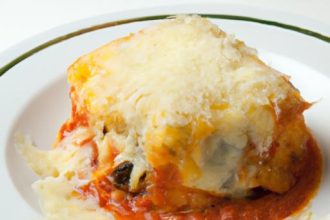

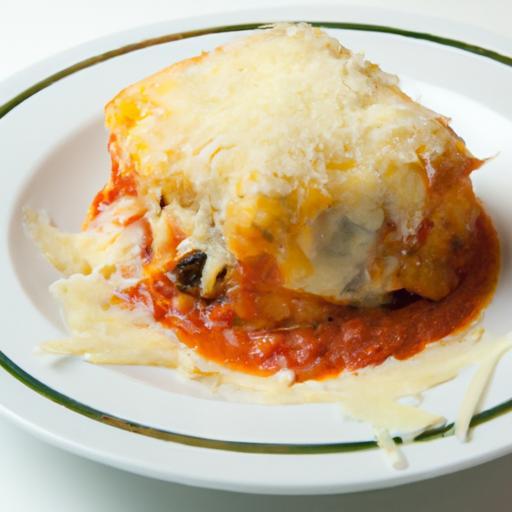
Beneath the golden crust of a perfectly baked lasagna lies a symphony of flavors,textures,and stories-a culinary masterpiece that has captivated palates for centuries. More than just a hearty dish, lasagna is a layered testament to tradition, innovation, and regional pride. From its humble origins in ancient Italy to its evolution into countless global variations, each sheet of pasta, each spoonful of sauce, and every sprinkle of cheese reveals a chapter in its rich history. Join us as we peel back the layers of flavor to unveil the art and heritage behind this beloved comfort food, exploring how lasagna has become much more than the sum of its parts.
Layers of Flavor: The Art and History of Lasagna Unveiled
Layers of flavor: the art and history of lasagna unveiled invites you to embark on a culinary journey steeped in centuries of tradition and love. This iconic Italian dish, with its rich combination of tender pasta, luscious sauces, and luscious cheeses, has evolved from humble beginnings in ancient Rome to the sophisticated, soul-warming comfort food we cherish today. As you master each layer, you’ll discover how every ingredient harmonizes to create that unforgettable depth of taste that lasagna fans across the world rave about.
Prep and Cook Time
- Preparation Time: 40 minutes
- Cook time: 1 hour
- total Time: 1 hour 40 minutes
Yield
- Serves: 8 hearty portions
Difficulty Level
- Medium – Perfect for confident home cooks looking to refine their sauce and pasta-making skills
Ingredients
- For the Pasta Sheets:
- 2 cups all-purpose flour, sifted
- 3 large eggs, room temperature
- 1 tablespoon olive oil
- 1/2 teaspoon salt
- for the Meat Sauce (Ragù):
- 2 tablespoons olive oil
- 1 small onion, finely chopped
- 2 garlic cloves, minced
- 1 carrot, finely diced
- 1 celery stalk, finely diced
- 1/2 pound ground beef (80% lean)
- 1/2 pound ground pork
- 1 (28-ounce) can crushed tomatoes
- 1/4 cup dry red wine (optional)
- 1 teaspoon dried oregano
- Salt and freshly ground black pepper, to taste
- for the Bechamel Sauce:
- 4 tablespoons unsalted butter
- 4 tablespoons all-purpose flour
- 4 cups whole milk, warmed
- 1/4 teaspoon freshly grated nutmeg
- Salt and white pepper to taste
- Cheeses:
- 2 cups whole milk ricotta cheese
- 2 cups shredded mozzarella cheese
- 1/2 cup freshly grated Parmesan cheese
Instructions
- Make the Pasta Dough: On a clean work surface, mound the flour and create a well in the center. Crack the eggs into the well, add olive oil and salt. Using a fork, gently incorporate the flour into the eggs until a dough forms. Knead for about 8 minutes until smooth and elastic. Wrap in plastic wrap and rest for 30 minutes.
- Prepare the Meat Sauce: Heat olive oil in a large skillet over medium heat. Add onion, garlic, carrot, and celery; sauté until golden brown, about 5 minutes, stirring occasionally to prevent sticking. Add ground beef and pork, breaking it apart, cook until browned-about 7 minutes. Stir in crushed tomatoes, red wine, oregano, salt, and pepper. Simmer on low for at least 40 minutes, stirring occasionally for rich depth.
- Make Bechamel Sauce: In a saucepan, melt butter over medium heat.Whisk in flour and cook for 1-2 minutes without browning. Gradually whisk in warm milk,stirring constantly until thickened and velvety,about 6-8 minutes. Season with nutmeg, salt, and white pepper. Remove from heat.
- Roll Out Pasta: Divide dough into 4 portions. Using a pasta machine or rolling pin, roll each piece into thin sheets (about 1mm thick). Dust lightly with flour to prevent sticking. Cut sheets to fit your baking dish (approximately 9×13 inches).
- Assemble the Lasagna: Preheat oven to 375°F (190°C). spread a thin layer of meat sauce on the bottom of your baking dish. Layer pasta sheets over sauce, followed by a generous spoonful of ricotta, a drizzle of bechamel, some shredded mozzarella, and a sprinkle of Parmesan. Repeat layers until ingredients run out, finishing with a layer of bechamel topped with mozzarella and Parmesan for a golden crust.
- Bake: Cover with foil (to prevent drying). Bake for 35 minutes,then remove foil and bake an additional 15 minutes until bubbly and golden on top. Let rest for 15 minutes before slicing to maintain perfect structure.
ChefS Notes
- For a vegetarian option, swap meat for a medley of sautéed mushrooms, zucchini, and spinach.
- Homemade pasta is essential for authentic texture, but quality store-bought fresh pasta sheets can be substituted for convenience.
- If your bechamel curdles, whisk in a splash of cold milk off the heat to smooth it out.
- Make ahead: Assemble the lasagna a day in advance, refrigerate, and bake fresh to deepen the flavor layers.
- Resting the lasagna a little before serving ensures clean, impressive slices and allows the flavors to meld.
Serving Suggestions
Present your lasagna with a simple arugula and shaved Parmesan salad dressed in lemon vinaigrette for a peppery contrast. A glass of rich Chianti or a sparkling water with lemon complements the layers of flavor beautifully. Garnish each serving with fresh basil leaves or a light drizzle of extra virgin olive oil to add brightness.

| Nutrient | Amount per Serving |
|---|---|
| Calories | 450 kcal |
| Protein | 30 g |
| Carbohydrates | 35 g |
| Fat | 20 g |
Discover more Italian classics like Creamy Alfredo Fettuccine for complementary pasta inspiration.
For engaging insight into Italian culinary traditions and history, visit Agricultura Italiana.
Q&A
Q&A: Layers of Flavor – The Art and History of Lasagna Unveiled
Q1: What exactly is lasagna, and why is it considered a culinary icon?
A: Lasagna is more than just a dish; it’s a harmonious symphony of layered pasta, sauce, cheese, and frequently enough meat or vegetables. Its allure lies in the interplay of textures and flavors-each layer telling a story. Originating from Italy, lasagna has transcended borders to become a beloved comfort food worldwide, symbolizing warmth, tradition, and communal dining.Q2: Where and when did lasagna originate?
A: Lasagna’s roots trace back to ancient times, with early mentions in Roman texts describing sheets of pasta baked with sauce. However, the dish as we recognise it took shape in medieval Italy, particularly in naples and Emilia-Romagna regions. The term “lasagna” itself comes from the Greek word laganon, referring to flat sheets of dough-a testament to its storied past.
Q3: What are the essential layers that make up a classic lasagna?
A: At its core, a customary lasagna boasts alternating layers of tender pasta sheets, rich meat ragù, creamy béchamel sauce, and a generous sprinkling of Parmesan or mozzarella cheese.Each layer contributes a unique taste and texture: the pasta provides softness, the ragù adds savory depth, the béchamel offers silkiness, and the cheese lends gooey indulgence.
Q4: How have regional variations influenced lasagna recipes?
A: Italy’s diverse regions have infused lasagna with local flavors-Bolognese lasagna, as an example, showcases a hearty meat ragù and béchamel, while in Naples, layers often include ricotta, mozzarella, and a zesty tomato sauce. Elsewhere, you might find vegetarian versions featuring spinach or mushrooms, and globally, innovative adaptations incorporate everything from seafood to exotic spices.
Q5: Why does layering matter so much in lasagna?
A: The magic of lasagna lies in its layers-they’re not just structural but experiential. Each carefully crafted stratum balances flavors and textures, creating an ensemble greater than the sum of its parts. the layering technique ensures even cooking and allows the flavors to meld beautifully, resulting in a mouthful that’s rich, comforting, and complex.
Q6: What is the secret to making perfectly tender lasagna sheets?
A: Achieving tender pasta layers involves a delicate dance-rolling the dough thin enough to cook quickly without falling apart,and often pre-boiling or soaking dry sheets before assembly. The key is hydration and timing; too thick, and the pasta overwhelms the dish, too thin, and it can become mushy. Fresh homemade pasta frequently enough yields the best texture, imparting a subtle chewiness that elevates each bite.
Q7: How has lasagna evolved in modern cuisine?
A: Today, lasagna transcends tradition with inventive twists-from gluten-free and vegan renditions to fusion varieties blending global ingredients like curry or kimchi. Chefs experiment with layering techniques, substitute sauces, and introduce unexpected fillings, all while honoring lasagna’s essence: layered comfort and a party of flavor.
Q8: What cultural significance does lasagna hold beyond the kitchen?
A: Lasagna is a dish of celebration and togetherness-a centerpiece at family gatherings, festivals, and holidays. It embodies patience and love, as its preparation demands time and care. Beyond nourishment, lasagna serves as a vessel for storytelling, heritage preservation, and the joy of shared meals around a convivial table.
Through its many layers, lasagna offers more than hunger’s cure-it invites us to savor history, craft, and connection, one delicious slice at a time.
The Conclusion
As the final forkful of lasagna melts on the palate, we’re reminded that this iconic dish is far more than just layers of pasta, sauce, and cheese-it’s a rich tapestry woven through centuries of tradition, culture, and culinary ingenuity. From humble beginnings in ancient kitchens to its status as a global comfort food, lasagna embodies the art of layering flavors that surprise and satisfy with every bite. So next time you savor those melted cheeses and hearty fillings,take a moment to appreciate not just the taste,but the history and craft that make lasagna a timeless masterpiece on the world’s dining tables.