



In teh heart of Japanese cuisine lies a humble elixir that has warmed souls and nourished bodies for centuries: miso soup. More then just a comforting starter, this savory superbroth is a symphony of umami, tradition, and health benefits, quietly captivating palates worldwide. From the delicate fermentation of soybeans to the artful balance of seaweed, tofu, and dashi, miso soup is a magical blend that unlocks the essence of Japan’s culinary heritage. Join us as we dive deep into the secrets behind miso soup’s enduring charm and explore why this simple bowl continues to hold a special place at the table-and in the story of savory sensation.
Miso Soup Magic begins with the soulful crafting of authentic miso broth-a cornerstone of Japanese culinary tradition that transforms humble ingredients into a deeply comforting experience. Rooted in centuries of regional heritage, each miso variety brings its own personality to the bowl, inviting you to explore a spectrum of umami nuances from the sweet and delicate to the robust and hearty. Drawing from my years as a culinary content creator and food stylist, this guide will inspire you to master this savory superbroth, imbuing your kitchen with the warmth and wisdom of Japan’s timeless technique.
Prep and Cook Time
- Prep Time: 15 minutes
- Cook Time: 20 minutes
- Total Time: 35 minutes
Yield
- Serves 4
Difficulty Level
- Easy to Medium – Perfect for adventurous home cooks eager to deepen their understanding of customary Japanese flavors.
Ingredients
- 6 cups water (preferably filtered)
- 1 piece kombu (dried kelp), 4×4 inches
- 1 cup bonito flakes (katsuobushi)
- 4 tablespoons white or yellow miso paste (shiro or shinshu miso for mild flavor)
- 2 tablespoons red miso paste (aka miso for depth and complexity)
- 100g silken tofu, cubed
- 2 scallions, thinly sliced
- 1/2 cup wakame seaweed, soaked and drained
- 1 teaspoon sake or mirin (optional, to enhance sweetness)
- 1 teaspoon toasted sesame oil (optional, for richness)
- Pinch of white pepper (optional)
Instructions
- Prepare the dashi base: Place the kombu in cold water in a medium pot. Slowly bring to a simmer over medium heat, around 10 minutes.Remove the kombu right before the water boils to avoid bitterness.
- Add bonito flakes: Once kombu is removed, bring water to a gentle boil and add bonito flakes.Let simmer for 1-2 minutes, then turn off heat and let flakes steep 10 minutes to extract maximum flavor.
- Strain the dashi: Using a fine mesh sieve or cheesecloth, strain the liquid into a clean pot. Discard the bonito flakes (or save for other recipes).
- Mix miso paste: In a small bowl, ladle some warm dashi and whisk in the white and red miso pastes until smooth. This prevents clumping when added to the pot.
- Add miso mixture: Stir the miso into the pot over low heat. > Critically important: avoid boiling the broth after adding miso to preserve its delicate probiotics and flavor.
- Add tofu and wakame: Gently stir in cubed tofu and rehydrated wakame seaweed. Warm through for about 2-3 minutes without boiling.
- Enhance with optional ingredients: Stir in sake or mirin, toasted sesame oil, and a pinch of white pepper to deepen the flavor profile.
- Finish with fresh scallions: Just before serving, sprinkle sliced scallions atop each bowl for a fresh, vibrant finish.
Tips for Success
- Choose your miso wisely: White miso lends a gentle sweetness perfect for spring and summer,while red miso is ideal for soulful,warming winter bowls.
- Custom dashi blends: Experiment with kombu-only dashi for a vegetarian version or add dried shiitake mushrooms for an earthy twist.
- Batch preparation: Make dashi in advance and store it in the fridge for up to 3 days to speed up weeknight cooking.
- Keep temperature controlled: Always add miso paste to warm,not boiling broth to maintain its probiotic benefits and vibrant taste.
- Texture balance: Soft tofu and chewy wakame create a symphony of textures-feel free to add thinly sliced shiitake mushrooms or daikon for variety.
Serving Suggestions
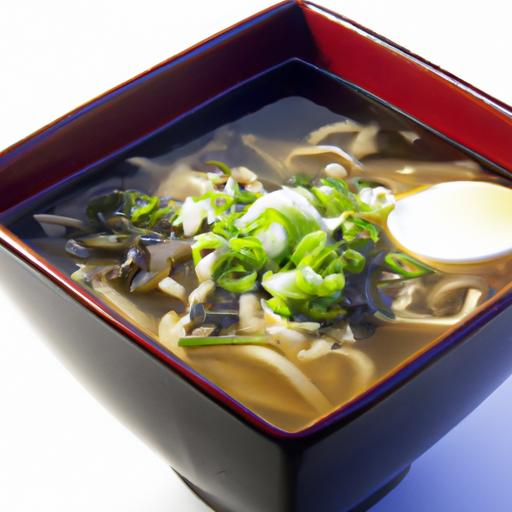
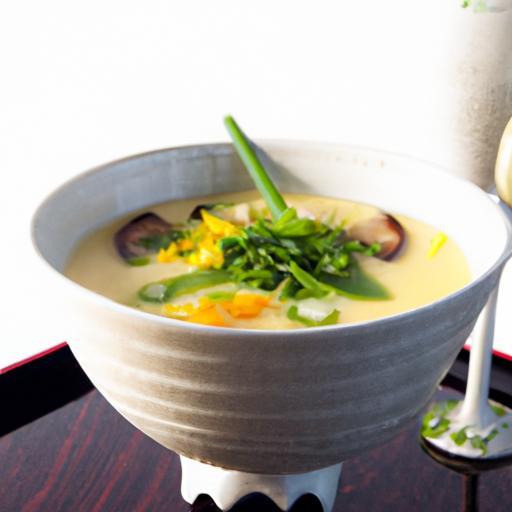
Pour your marvelous broth into rustic ceramic bowls with a glossy surface that captures light, showcasing the steaming, golden hues of the miso soup magic.Garnish with a sprinkle of toasted sesame seeds, a hint of freshly grated ginger, or a few microgreens for color and aroma contrast. Serve alongside steamed rice, pickled vegetables, or a light sashimi plate to create a balanced, seasonally inspired Japanese meal that comforts and rejuvenates all year round.
| Nutrient | Per Serving |
|---|---|
| Calories | 85 kcal |
| protein | 6 g |
| Carbohydrates | 8 g |
| Fat | 3 g |
For more on the amazing benefits of miso and Japanese cuisine, explore our Umami Essentials Guide, or visit Healthline’s detailed article on miso health benefits.

Q&A
Q&A: Miso Soup Magic – Unlocking Japan’s Savory Superbroth
Q1: What makes miso soup so magical?
A1: Miso soup is more than just a comforting dish-it’s a harmonious blend of tradition, nutrition, and umami-rich flavor that has enchanted palates for over a thousand years.Its magic lies in the delicate fermentation of soybeans and grains, producing miso paste that transforms simple broth into a savory superbroth packed with probiotics, antioxidants, and deep, complex taste.
Q2: Where did miso soup originate, and how has it evolved?
A2: Rooted in ancient Japan, miso soup began as a humble peasant’s staple, valued for its nourishment and ease of preparation. Over centuries, it evolved alongside Japanese culinary culture, embracing regional variations and seasonal ingredients-from silky tofu and seaweed to mushrooms and green onions-each enhancing its flavor and health benefits.
Q3: What ingredients are essential to authentic miso soup?
A3: The heart of miso soup is the miso paste, typically made from fermented soybeans mixed with rice or barley. Complementing this is dashi, a clear broth frequently enough derived from kombu (kelp) and katsuobushi (bonito flakes), wich forms the umami backbone. Toss in tofu cubes, wakame seaweed, and scallions, and you’ve got a bowl where simplicity meets sublime.
Q4: How does miso soup benefit your health?
A4: Beyond its savory allure, miso soup is a wellness powerhouse. Packed with probiotics from fermented miso, it supports gut health and digestion. The broth’s antioxidants help combat inflammation, while its nourishing ingredients provide essential vitamins, minerals, and protein-all wrapped in a low-calorie, comforting package.
Q5: Can miso soup be customized for modern tastes?
A5: Absolutely! Miso soup is incredibly versatile. contemporary chefs and home cooks experiment by adding diverse vegetables, seafood, or even a touch of spice. Whether you prefer a mild white miso or a robust red miso, this superbroth adapts beautifully, inviting creativity while honoring its time-tested roots.
Q6: How can someone new to miso soup start making it at home?
A6: Start simple: combine dashi broth with your choice of miso paste, whisking gently to preserve live cultures. Add bite-sized tofu and wakame seaweed, then finish with scallions. With minimal ingredients and rapid prep,you can unlock the magic of miso soup in minutes-comfort and culture served steaming hot.
Q7: Why is miso soup considered a cultural icon in Japan?
A7: Miso soup is more than food-it’s a daily ritual and a symbol of home. Traditionally served at breakfast and meals throughout the day, it embodies balance, respect for nature, and the Japanese art of umami. Each bowl tells a story of heritage, wellness, and the subtle yet profound joy found in simple ingredients.
The conclusion
As we’ve uncovered in this journey through miso soup’s rich umami depths, this humble broth is far more than a simple starter-it’s a living testament to Japan’s culinary artistry and cultural heritage. Each bowl tells a story of time-honored fermentation, balanced flavors, and nourishing traditions that awaken the senses and soothe the soul. Whether sipped at a bustling ramen shop or crafted lovingly at home, miso soup remains a savory superbroth that unlocks the magic of Japan’s kitchen-inviting us all to savor not just a meal, but a timeless experience steeped in health, harmony, and history. So next time you cradle that warm, fragrant cup, remember: you’re tasting a broth that transcends the ordinary, a liquid love letter from the heart of Japan.