

Beneath the vibrant hum of bustling street markets and the fragrant swirl of sizzling woks lies a dish that has become synonymous wiht Thailand itself-Pad Thai. More than just a popular meal served across global tables, Pad Thai is a culinary tapestry woven from history, culture, and innovation. In this article, we unwrap the flavorful story behind Thailand’s most beloved dish, exploring its humble origins, the secrets behind its iconic taste, and the cultural significance that makes every bite a journey into the heart of Thai tradition. Join us as we uncover the layers of Pad Thai,revealing how this simple noodle dish transformed into a national treasure and a worldwide sensation.
Pad Thai Unwrapped reveals much more than a simple stir-fried noodle dish; it offers a vibrant glimpse into Thailand’s rich culinary heritage. This beloved dish, with its harmonious balance of sweet, sour, salty, and umami flavors, has transcended borders and become a world-renowned staple. Originally developed in the mid-20th century as part of Thailand’s modernization and national identity campaign, Pad Thai blends Chinese stir-frying techniques with distinctly Thai ingredients, embodying a cultural fusion that reflects the country’s past trade and migration routes.
Prep and Cook Time
- Readiness Time: 20 minutes
- Cooking Time: 15 minutes
- Total Time: 35 minutes
Yield
Serves 4 generous portions
Difficulty Level
Medium – perfect for home cooks ready to elevate their Asian cuisine skills
Ingredients That Define Authentic Pad Thai Flavour
- 8 oz (225g) flat rice noodles, soaked in warm water for 30 minutes until pliable
- 2 tbsp vegetable oil (peanut or canola works best)
- 2 cloves garlic, minced
- 2 large eggs, lightly beaten
- 8 oz (225g) peeled and deveined shrimp (or firm tofu for vegetarian option), cut into bite-sized pieces
- 1 cup bean sprouts, rinsed
- 3 green onions, sliced into 1-inch pieces
- 1/4 cup crushed roasted peanuts, unsalted
- 2 tbsp tamarind paste (key for signature tanginess)
- 3 tbsp fish sauce (or soy sauce for vegetarians)
- 1 1/2 tbsp palm sugar (or brown sugar)
- 1 tsp chili powder (adjust to taste)
- 1 lime, cut into wedges for garnish
- Fresh cilantro and extra crushed peanuts for serving
Step by Step Guide to Crafting Pad Thai at Home
- Prepare the noodles: Drain soaked rice noodles and set aside. If they stick together, lightly toss with a splash of oil.
- Make the sauce: In a small bowl,whisk together tamarind paste,fish sauce,palm sugar,and chili powder until sugar dissolves.Adjust balance so it’s pleasantly tangy, salty, and slightly sweet.
- Heat the wok or large skillet: Pour the vegetable oil into a hot wok over medium-high heat. Add minced garlic and sauté until fragrant, about 30 seconds.
- Cook the protein: Add shrimp or tofu, stir-frying until shrimp turns pink and opaque or tofu develops a light golden crust, approximately 2-3 minutes.
- Scramble the eggs: Push shrimp or tofu to the side, pour beaten eggs into the wok, and scramble gently until just set.
- Add noodles and sauce: Toss in the prepared rice noodles, pour over the sauce mixture, and stir vigorously to evenly coat everything.Stir-fry for 3-5 minutes until noodles are tender but not mushy.
- Incorporate fresh elements: Mix in bean sprouts and green onions, stir briefly to combine.
- Plate and garnish: Serve hot, topped with crushed peanuts, fresh cilantro, and lime wedges. A final sprinkle of chili powder can be added for more heat.
Tips for Success
- Use flat rice noodles, not vermicelli or thin rice sticks, for the classic texture and mouthfeel.
- Soaking noodles rather than boiling prevents overcooking during stir-frying.
- Balance your sauce-start with the recipe quantities, then adjust saltiness or tanginess to your preference.
- For a vegetarian Pad Thai, swap fish sauce for soy sauce and shrimp for extra firm tofu or mushrooms.
- Prepping all ingredients beforehand (mise en place) is essential since stir-frying is a fast process.
- Leftover Pad Thai reheats well in a hot skillet with a splash of soy sauce to refresh flavors.
Serving Suggestions
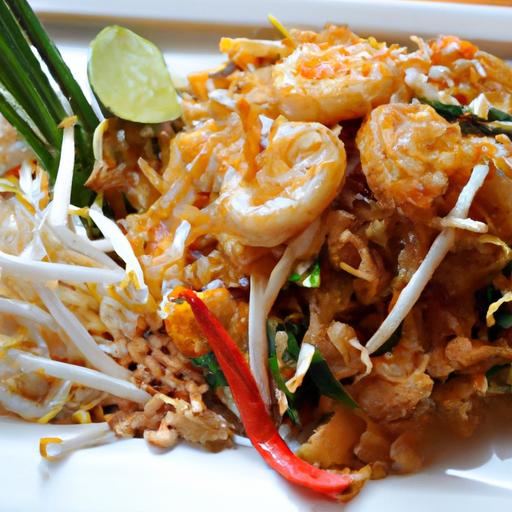
Present Pad Thai with lime wedges alongside to squeeze fresh citrus brightness with every bite. Serving it on a wide rimmed plate allows the noodles to spread out, showing off the colorful mix of ingredients-green onions, plump shrimp, ruby red chili flakes, and golden peanuts.
fresh herbs such as Thai basil or cilantro add a fragrant lift. Pair the dish with a side of Som Tam (spicy green papaya salad) for a vibrant,authentic Thai experience. A crisp iced Thai tea or coconut water complements the sweet and savory symphony beautifully.
Where to find the Best Pad Thai Beyond Thailand
While nothing compares to tasting Pad Thai on bustling Bangkok streets, this dish’s global popularity means remarkable versions can be found worldwide. Cities like Los Angeles,New York,London,and sydney boast acclaimed Thai restaurants helmed by native chefs who preserve traditional flavors. Look for eateries that make their sauces fresh and use authentic tamarind and palm sugar rather than shortcuts.
For academic insights on Pad Thai’s history and cultural role, visit Thai Tambourine. This resource details the dish’s evolution and its place in Thai society.
| Nutrient | Amount per Serving |
|---|---|
| Calories | 420 kcal |
| Protein | 24g |
| Carbohydrates | 52g |
| Fat | 12g |

Q&A
Q&A: Pad Thai Unwrapped – The Story Behind Thailand’s Famous Dish
Q: What is Pad Thai, and why is it so beloved worldwide?
A: Pad Thai is a vibrant stir-fried noodle dish that perfectly balances sweet, sour, salty, and spicy flavors. Its savory combination of rice noodles, tamarind, fish sauce, peanuts, and fresh herbs has made it an iconic ambassador of Thai cuisine.Loved for its harmony of textures and tastes, Pad Thai transcends cultural borders, delighting palates from Bangkok street stalls to upscale restaurants globally.
Q: Where did Pad Thai originate, and what’s the story behind its creation?
A: Surprisingly, Pad Thai is a relatively modern invention, emerging in the 1930s and 1940s. During a period of intense nationalism under Prime Minister Plaek Phibunsongkhram, promoting Thai identity was key.Pad Thai was popularized as a healthy, inexpensive, and distinctly thai choice to Chinese noodles. It was part of a nationwide campaign encouraging citizens to embrace local culture and cuisine, blending Chinese stir-frying techniques with native ingredients.
Q: What are the essential ingredients that give Pad Thai its unique character?
A: At its heart, Pad Thai features thin, flat rice noodles stir-fried with eggs, tofu or shrimp, and bean sprouts. Tamarind paste lends its signature tangy depth, while fish sauce brings umami-rich saltiness.Roasted peanuts add crunch and nuttiness, and a squeeze of lime injects freshness. Garlic, chili flakes, and palm sugar round out the flavor symphony, creating a dish that dances on the tongue.
Q: How has Pad Thai evolved over time and across regions?
A: While the foundational recipe remains consistent, regional tweaks abound. In Thailand’s south, extra chili and seafood might turn up the heat, while northern versions may favor a milder palate. Abroad, Pad Thai adapts to local tastes and ingredient availability-some versions lean vegetarian, others swap shrimp for chicken or beef. But no matter the variation, the dish’s heart-a harmony of sweet, sour, salty, and crunchy-remains intact.
Q: What cultural significance does Pad Thai hold in Thailand today?
A: Beyond its tasty bite, Pad Thai symbolizes Thai pride and ingenuity. it’s an everyday comfort food, a street food staple, and a culinary introduction for many international visitors. Eating pad Thai is a shared experience, connecting diverse peoples around common flavors and memories. It’s a dish that tells a story of history, resilience, and the joy of simple, bold flavors.
Q: Any insider tips for making authentic Pad Thai at home?
A: Authenticity lies in balancing ingredients and mastering the fast,high-heat stir-fry. Use fresh tamarind paste and fish sauce for depth,and don’t skimp on the crushed peanuts for texture. Keep your wok hot and toss fast to avoid soggy noodles. Lastly,serve immediately,garnished with lime wedges and fresh herbs-as Pad Thai is best enjoyed fresh,vibrant,and alive with flavor.
Q: Why should everyone try Pad Thai at least once in their lifetime?
A: Because pad Thai is more than food-it’s a flavorful gateway to Thailand’s rich cultural tapestry. Every bite tells a tale of tradition, innovation, and the artistry of balancing tastes.Trying Pad Thai is like unwrapping a delicious story that invites you to savor not just a dish,but a vision of Thailand itself.
In Summary
As the sizzling sounds of the wok fade and the final sprinkle of crushed peanuts settles atop, Pad Thai reveals itself as more than just a dish-it’s a vibrant tapestry of culture, history, and flavor.From its humble street-food origins to its revered place on global plates, Pad Thai embodies the spirit of Thailand: bold, balanced, and bursting with life. So, the next time you twirl those noodles around your fork, remember-you’re savoring a story that spans generations, blending tradition and innovation in every delicious bite. Pad Thai, truly, is not just food; it’s a flavorful journey unwrapped.