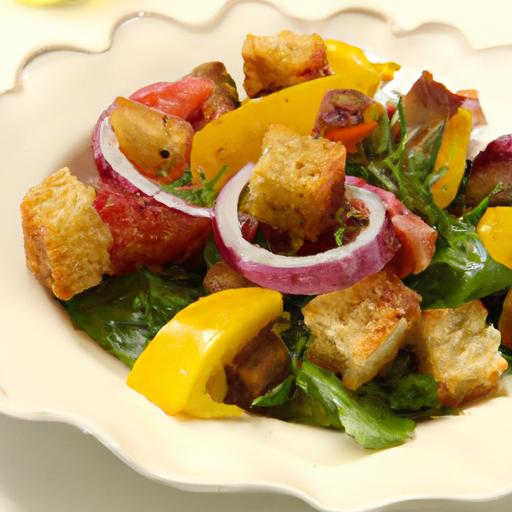



In the heart of Tuscany, where sun-drenched fields meet rustic kitchens, a humble dish comes alive with vibrant colors and bold flavors-panzanella. This celebrated bread salad, born from the resourcefulness of peasant cooks, transforms stale bread and garden-fresh tomatoes into a symphony of texture and taste. More then just a salad,panzanella is a celebration of simplicity and seasonality,capturing the essence of summer in every bite. Join us as we explore the origins, ingredients, and irresistible charm of this Tuscan classic that continues to enchant food lovers around the world.
Panzanella is a celebration of summer’s freshest bounty, bringing together the rustic charm of fresh bread and the juicy sweetness of ripe tomatoes in a vibrant, textured harmony. This Tuscan bread salad bursts with flavor and tradition, inviting you to savor the simple yet remarkable combination of crunchy vegetables, fragrant herbs, and a perfectly balanced dressing.
The Heart of Panzanella: Fresh Bread and Ripe Tomatoes
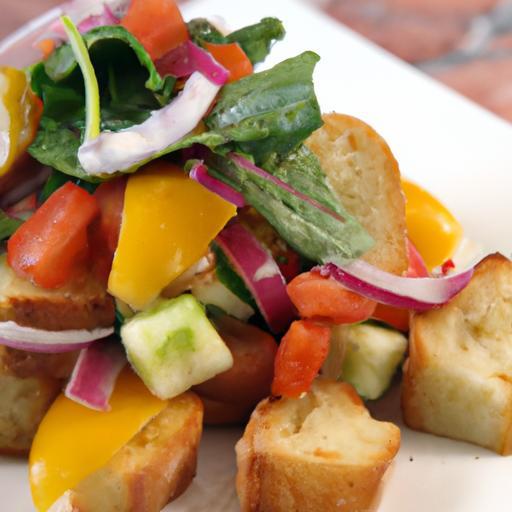
At the core of this iconic Italian dish lies day-old, crusty bread-preferably a rustic country loaf or ciabatta-that acts as both a sponge and a base, soaking up the vibrant juices from sun-ripened tomatoes. Choosing bread with a firm crust and an airy crumb helps prevent sogginess and ensures each bite is satisfyingly textured. The tomatoes must be fully ripe, preferably heirloom or vine-ripened, offering a juicy, slightly acidic sweetness that bursts through the salad.
Balancing Textures: The Role of crunchy Vegetables and Herbs
Adding crunch is essential to elevate the panzanella beyond a simple bread-and-tomato mash. Crisp cucumbers, thinly sliced red onions, and bell peppers add refreshing layers of texture and subtle bitterness, creating contrast. Fresh herbs like fragrant basil, sharp parsley, and peppery arugula weave through the salad, offering luminous, herbal notes that lift and lighten every forkful.
Dressing the Salad Perfectly: Choosing Olive Oil and Vinegar
A luscious drizzle of extra virgin olive oil forms the silky backbone of the dressing,marrying the components with a fruity richness. Balancing this is a splash of sharp, fruity vinegar-red wine vinegar or aged balsamic-bringing a pleasant acidity that cuts through the bread’s density and the verdant herbs’ earthiness. Season generously with flaky sea salt and cracked black pepper to season each component deeply.
Serving Suggestions: Elevating Panzanella for Any Occasion
Serve your panzanella at room temperature to best enjoy its flavors melding naturally. It’s an ideal side for grilled seafood or roasted meats but shines brilliantly as a light main course on a warm day.garnish with freshly torn basil leaves and a sprinkle of toasted pine nuts or shaved Parmesan for a touch of elegance. Pair with a chilled glass of Tuscan Vernaccia or a crisp Sauvignon Blanc for a truly authentic experience.
Prep and Cook Time
- Planning: 15 minutes
- Resting time: 30 minutes (to allow flavors to marry)
- Total time: 45 minutes
Yield
- Serves 4 as a hearty side or light main
Difficulty Level
- Easy
Ingredients
- 4 cups day-old rustic bread, cut into 1-inch cubes
- 4 large ripe tomatoes, chopped (heirloom preferred)
- 1 English cucumber, thinly sliced
- 1 small red onion, thinly sliced
- 1 red bell pepper, diced
- 1/2 cup fresh basil leaves, torn
- 1/4 cup fresh parsley, chopped
- 3 tablespoons extra virgin olive oil
- 2 tablespoons red wine vinegar
- Sea salt and freshly cracked black pepper, to taste
- Optional garnish: toasted pine nuts, shaved Parmesan
Instructions
- Prepare the bread: Spread the bread cubes on a baking sheet and toast lightly in a 350°F (175°C) oven for 8-10 minutes until crisp but not browned. remove and let cool.
- Combine vegetables and herbs: In a large bowl, toss together the chopped tomatoes, cucumber slices, red onion, bell pepper, basil, and parsley.
- Dress the salad: Whisk olive oil, red wine vinegar, sea salt, and cracked pepper in a small bowl until emulsified.
- Mix with bread: Add toasted bread cubes to the vegetable mixture. Drizzle the dressing over the salad and toss gently to combine, ensuring the bread absorbs the dressing and tomato juices without becoming too soggy.
- Rest: Let the salad rest at room temperature for 30 minutes to allow flavors to meld deeply and the bread to soften slightly.
- Serve: Before serving, adjust seasoning and garnish with toasted pine nuts or shaved Parmesan if desired for added texture and umami.
Tips for Success
- Use day-old bread to avoid a mushy salad; stale bread absorbs the dressing better.
- Letting the salad rest is crucial-this develops the layers of flavor and softens the bread just enough.
- for a twist,substitute red wine vinegar with a splash of aged balsamic for a touch of sweetness.
- To keep onions milder, soak the slices briefly in cold water before adding to the salad.
- Make-ahead tip: Prepare the bread and dressing in advance, combine with vegetables just before serving to keep textures fresh.
Serving Suggestions
Plate panzanella in shallow bowls to showcase its beautiful colors and textures. Garnish with fresh basil ribbons and a light sprinkle of flaky sea salt. it pairs exquisitely with grilled lemon-garlic chicken or alongside a chilled gazpacho for a Mediterranean-inspired feast. For casual entertaining, serve it family-style with crusty bread and a rustic chianti to complete a memorable meal.
| nutrient | Per Serving |
|---|---|
| Calories | 220 kcal |
| Protein | 5 g |
| Carbohydrates | 30 g |
| Fat | 9 g |

For more fresh and vibrant Mediterranean recipes, explore our Mediterranean Summer Salads collection. To deepen your understanding of olive oil’s role in dressings, visit International Olive council.
Q&A
Q&A: Panzanella – The Tuscan Bread Salad bursting with Flavor
Q1: What is Panzanella?
A1: Panzanella is a vibrant Tuscan bread salad that transforms day-old bread and fresh summer vegetables into a refreshing, flavorful dish. It’s a rustic celebration of simple ingredients-ripe tomatoes, crisp cucumbers, sweet red onions, fragrant basil, and soaked stale bread-all tossed in a tangy dressing of olive oil and vinegar. Think of it as Tuscany’s edible ode to summer bounty!
Q2: Why is stale bread used in Panzanella?
A2: The magic of panzanella lies in rescuing stale bread from the crumbs of obscurity. stale, slightly hardened bread soaks up the dressing and tomato juices without becoming mushy, giving the salad a luscious texture. This customary approach honors the Tuscan value of zero waste and elevates humble ingredients into something extraordinary.
Q3: How do you prepare the bread for Panzanella?
A3: Traditionally, thick slices of rustic Tuscan bread are cut into chunks and briefly soaked in water to soften, then squeezed dry to avoid sogginess.Some cooks toast the bread lightly for extra crunch, while others prefer it soft and fully saturated. The goal is to create the perfect sponge-like base that absorbs all the flavors while maintaining a satisfying bite.
Q4: What makes Panzanella so flavorful despite its simplicity?
A4: Panzanella’s flavor burst comes from the harmony of fresh, high-quality ingredients and the dressing that ties them together. Juicy, sun-ripened tomatoes lend natural sweetness and acidity; crisp cucumbers add crunch and freshness; pungent red onions bring a zing; fragrant basil leaves infuse herbal notes. A drizzle of fruity extra-virgin olive oil and sharp red wine vinegar provides balance and depth, making every bite a sun-soaked symphony.Q5: Is Panzanella served chilled or at room temperature?
A5: Traditionally, Panzanella is served at room temperature, allowing the flavors to meld beautifully. Serving it too cold can mute the taste, while warmth might soften the bread excessively.Letting the salad rest for about 30 minutes after tossing helps the bread soak up the dressing and vegetables, creating a harmonious blend.
Q6: Can Panzanella be customized?
A6: Absolutely! While classic panzanella sticks to its tuscan roots,it’s a wonderfully adaptable salad. Some variations include adding olives,capers,or even mozzarella for extra richness. Others might experiment with different herbs like mint or parsley. The key is to maintain the salad’s balance of textures and bright, fresh flavors while honoring the spirit of simplicity.
Q7: When is the best time to enjoy Panzanella?
A7: Panzanella shines brightest in the summer months when tomatoes are at their peak and cucumbers are crisp. It’s a perfect picnic staple, an elegant side for grilled meats, or a light vegetarian main dish.Wherever you enjoy it,Panzanella delivers a taste of the Tuscan countryside with every refreshing forkful.
Q8: How can I incorporate Panzanella into my weekly meals?
A8: Use panzanella as a vibrant starter to brighten up your dining table, or pair it with grilled chicken or fish for a wholesome meal. It also travels well for lunches and picnic baskets. Plus, its use of leftover bread makes it an economical yet stylish way to reduce food waste while indulging in fresh, seasonal flavors.
Panzanella isn’t just a salad-it’s a slice of Tuscan tradition that celebrates freshness, simplicity, and sustainability. With every crunchy bite and juicy burst, it invites you to savor the essence of summer in Italy’s sun-drenched kitchens.Buon appetito!
The Way Forward
As the sun sets over the rolling hills of Tuscany, Panzanella stands as a vibrant celebration of simplicity and seasonality-a salad that transforms humble stale bread and ripe summer vegetables into a symphony of textures and tastes. whether you’re savoring it al fresco under an Italian sky or bringing a touch of Tuscan sunshine to your own kitchen, this burst of flavor reminds us that the best dishes are often born from resourcefulness and tradition. So next time you find bread going stale or tomatoes at their peak, embrace the art of Panzanella and let your taste buds wander through the heart of Tuscany, one refreshing bite at a time.