

There’s something truly magical about twirling a perfectly cooked strand of fettuccine around your fork-the way it clings to rich, velvety sauces, delivering a harmony of flavors in every bite. Yet, achieving that ideal texture and taste isn’t always as simple as it seems. Whether you’re a seasoned home cook or just beginning your pasta journey, mastering the art of fettuccine requires a blend of technique, patience, and a touch of culinary intuition. In this step-by-step noodle recipe guide, we’ll unravel the secrets to perfecting your fettuccine from scratch, transforming humble ingredients into a dish worthy of any Italian trattoria. Get ready to roll up your sleeves and create pasta that’s not just food-but an experience.
perfecting fettuccine is an art that transforms simple ingredients into a luxurious, silky pasta that carries sauces beautifully. Rooted in Italian tradition, especially from the Lazio region, fresh fettuccine dough boasts a tender yet firm texture that’s impossible to replicate with store-bought pasta. I still remember my first homemade batch – its fresh, egg-enriched aroma and the satisfying snap of perfectly rolled strands instantly made me a believer in crafting pasta by hand. Let’s embark on this delicious journey, starting with choosing the ideal flour and ingredients that lay the foundation for authentic dough.
Prep and Cook Time
- Preparation: 30 minutes
- Resting Time: 1 hour
- Cooking Time: 3-4 minutes
Yield
Serves 4 generously
Difficulty Level
Medium – Perfect for those ready to elevate their pasta game
Ingredients
- 2 cups of 00 flour, finely milled and sifted (preferably Italian for the silkiest texture)
- 3 large fresh eggs (room temperature, ideally organic for best flavor)
- 1/2 teaspoon fine sea salt
- 1 tablespoon extra virgin olive oil (optional, adds elasticity)
- Semolina flour (for dusting and rolling)
- Water, as needed (to adjust dough consistency)
Choosing the Ideal Flour and Ingredients for Authentic Fettuccine Dough
To get the signature chew and delicate bite of perfect fettuccine, 00 flour is your best friend. This finely ground Italian flour develops a supple gluten network while keeping the dough tender, making it easier to roll thin without tearing. If unavailable, you can substitute with a mix of all-purpose flour and a touch of semolina flour to mimic texture. Fresh eggs-rather than dried or powdered-imbue the dough with rich, golden color and supple elasticity. Keep the ratios balanced; too many eggs,and the dough gets sticky,too little,and it falls apart during rolling.
Mastering the Art of Dough Kneading and Resting for perfect Texture
Bring your ingredients together on a clean surface, forming a mound. Create a well in the center, crack in the eggs, add salt, and olive oil if using. Gradually incorporate flour into eggs with your fingertips, folding it inward until a shaggy dough forms. Knead with firm yet gentle pressure using the heel of your hand, turning continuously for about 10 minutes. The dough shoudl become smooth,elastic,and slightly tacky but not sticky.
Wrapping the dough in plastic wrap and letting it rest for at least one hour at room temperature is key.Resting relaxes the gluten strands, making rolling easier and preventing shrinkage. This step can’t be rushed!
Techniques for Rolling and Cutting Fettuccine Strands with Precision
Dust your work surface lightly with semolina flour. Roll out the dough in stages, rotating frequently to maintain even thickness. Aim for about 1/16-inch thickness, or thin enough to see your hand’s shadow beneath. Use a rolling pin or pasta machine for uniformity.
Once your sheet is ready, sprinkle with semolina to prevent sticking, then gently fold (not roll) the dough sheet into loose layers.Using a sharp knife or a pasta cutter, slice strips approximately 1/4-inch wide - the classic fettuccine width. Unfold carefully and arrange strands on a semolina-dusted tray to dry briefly.
Cooking and Serving Tips to Enhance Flavor and Presentation
Bring a large pot of heavily salted water to a rolling boil. Fresh fettuccine cooks very quickly-about 3-4 minutes. Taste early to ensure al dente texture: tender but with a slight bite. Drain, reserving a cup of pasta water to adjust sauce consistency if needed.
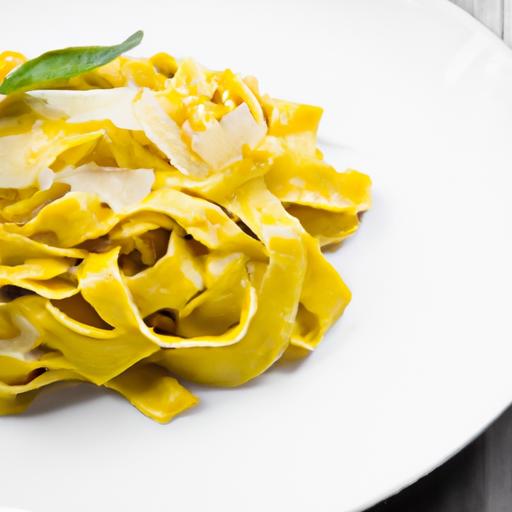
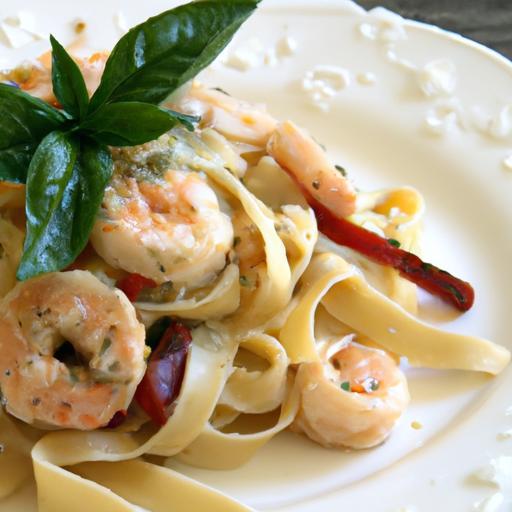
For a simple yet elegant meal, toss fettuccine with freshly melted butter, grated Parmigiano-Reggiano, and freshly cracked black pepper. Alternatively, pair with robust ragù or creamy Alfredo sauce. Garnish with chopped fresh herbs like flat-leaf parsley or basil to add vibrant color and balance richness.A drizzle of high-quality extra virgin olive oil just before serving elevates aroma and mouthfeel.
Instructions
- Prepare your work surface by sifting the 00 flour into a mound, shaping it into a well in the center.
- Crack the eggs into the flour well; add sea salt and olive oil (if using).
- Using a fork or your fingers, gradually whisk eggs, drawing in flour from the edges until a shaggy dough begins to form.
- Knead the dough with the heel of your hand for 8-10 minutes until smooth and elastic. Add a teaspoon of water if dough feels dry or a sprinkle of flour if too sticky.
- Form the dough into a ball, wrap in plastic wrap, and rest at room temperature for at least 60 minutes.
- Divide the rested dough into 2 portions. Dust a clean surface and rolling pin with semolina flour.
- Roll out one portion into a thin sheet (about 1/16-inch thick), turning frequently and dusting to avoid sticking. Repeat with the second portion.
- Lightly dust the pasta sheet with semolina. Fold loosely into thirds, then cut into 1/4-inch-wide strips with a sharp knife or pasta cutter.
- Unfold the fettuccine strands and toss them gently with semolina on a tray to prevent sticking.Let them rest for 10 minutes before cooking.
- Cook the fresh pasta in a large pot of boiling salted water for 3-4 minutes until al dente. Reserve some pasta water before draining.
- Toss the cooked fettuccine promptly with your chosen sauce and pasta water to create a luscious coating. Serve at once, garnished as desired.
Tips for Success
- Swap 1/4 cup 00 flour for fine semolina to add slight texture if desired.
- Don’t skip resting – it’s crucial for dough elasticity and easier rolling.
- Maintain even thickness during rolling for consistent cooking.
- Cut pasta gently to avoid crushing strands.
- Use a sharp knife or dedicated pasta cutter for clean edges.
- Store unused dough wrapped and refrigerated for up to 24 hours or freeze for up to 2 weeks.
Serving Suggestions
A classic presentation is fresh fettuccine tossed in browned butter and sage, topped with freshly grated Parmigiano-Reggiano. For heartier fare, serve with a slow-cooked Bolognese ragù or a luscious three-cheese cream sauce. Garnish with finely chopped parsley or basil and a light drizzle of extra virgin olive oil for gloss and aroma. Pair with a crisp white wine like Pinot Grigio or a light Chianti for the perfect meal.

| Nutrient | Per Serving |
|---|---|
| Calories | 315 |
| Protein | 12g |
| carbohydrates | 54g |
| Fat | 6g |
For more pasta making tips, check out our Homemade Pasta Techniques guide. To deepen your knowledge of flour types, visit the authoritative resource at King Arthur Baking’s guide on 00 flour.
Q&A
Q&A: Perfecting Fettuccine - Your Step-by-Step Noodle Recipe Guide
Q1: What makes fettuccine different from other types of pasta?
A1: Fettuccine stands out because of its flat, ribbon-like shape-about a quarter of an inch wide-giving it a delightful balance between width and thickness.This shape allows it to hold onto creamy sauces like Alfredo beautifully, making every bite rich and satisfying.
Q2: Do I need special tools to make homemade fettuccine?
A2: While a pasta machine can simplify rolling and cutting, you can absolutely make fettuccine by hand! With a rolling pin and a sharp knife or pizza cutter, you can create those signature ribbons. The key is patience and even, thin dough for the perfect texture.
Q3: What’s the secret to the perfect pasta dough?
A3: The magic lies in simplicity and proper hydration. Use high-quality “00” flour or all-purpose flour with fresh eggs-typically one egg per 100g of flour. Knead until smooth and elastic, then rest the dough for at least 30 minutes to relax the gluten, ensuring tender, pliable noodles.
Q4: How thin should I roll out fettuccine dough?
A4: Aim for about 1-2 millimeters thick-thin enough to be tender when cooked but sturdy enough to hold the sauce. If it’s too thick, the pasta may be doughy; too thin, and it could fall apart during cooking.
Q5: Can I store homemade fettuccine before cooking?
A5: Absolutely! Fresh fettuccine can be dried on a rack for a couple of hours or dusted lightly with flour and stored in the fridge for up to two days. For longer storage, freeze it separated on a tray in a single layer, then transfer to a bag for up to a month.
Q6: how long should I cook fresh fettuccine?
A6: Fresh pasta cooks quickly-usually 2 to 3 minutes in boiling salted water. Keep an eye on it; once it floats and feels tender but firm (al dente), it’s ready to be drained and sauced.
Q7: What sauces pair best with fettuccine?
A7: Fettuccine’s broad surface is perfect for rich, creamy sauces like Alfredo, carbonara, or mushroom cream sauces. It also shines with simple butter and sage or a robust Bolognese, as its shape clings beautifully to both thick and light sauces.
Q8: Any tips for preventing noodles from sticking?
A8: Toss freshly cut fettuccine lightly in semolina flour to keep them separate before cooking. While boiling, stir gently. After cooking, toss with a bit of sauce immediately to prevent clumping.
Q9: Can I add flavors or colors to my fettuccine dough?
A9: Definitely! For a creative twist, incorporate pureed spinach, beetroot, or squid ink into your dough to add vibrant colors and subtle flavors. Just adjust the flour and moisture slightly to keep the dough’s texture just right.
Q10: What’s the best way to serve homemade fettuccine for a memorable meal?
A10: Serve it fresh, hot, and saucy, topped with fresh herbs, a sprinkle of Parmesan, and a drizzle of good olive oil. Pair with a crisp white wine and a simple salad for a dinner that feels both elegant and comforting-your perfected fettuccine experience!
Future Outlook
with each twist and twirl of your perfectly prepared fettuccine, you’re not just enjoying a meal-you’re embracing a culinary tradition rooted in simplicity and passion.From mixing the dough to the final ribbon of pasta nestled in your favorite sauce,this step-by-step journey transforms ordinary ingredients into an remarkable experience.So roll up your sleeves, savor every moment of the process, and let your kitchen become a homemade Italian trattoria where every bite speaks of dedication and delight. Perfecting fettuccine isn’t just about technique; it’s about crafting memories, one noodle at a time.