



There’s a transformative moment in every pot of boiling water-a fleeting window when fettuccine noodles reach that flawless balance of firm yet tender, ready to cradle your favorite sauces with grace. But how long does it actually take to hit this culinary sweet spot? “Perfectly Timed: How Long to Cook Fettuccine Noodles” dives beyond the ticking clock to unravel the art and science behind achieving noodle nirvana. Whether you’re a kitchen novice or a seasoned pasta lover, understanding the nuances of cooking time can elevate your homemade dishes from simply good to absolutely unforgettable.Let’s explore the essential timing that turns plain strands into an irresistible feast of texture and flavor.
Perfectly Timed: How Long to Cook Fettuccine Noodles creates the foundation for a pasta experience that balances texture, flavor, and satisfaction. Understanding every nuance of fettuccine texture preferences is key to unlocking the full potential of this classic Italian staple. From the moment the noodles hit boiling water, their change is a delicate dance between science and intuition, inviting you to become an artistic conductor in your own kitchen.
Prep and Cook Time
- Planning: 5 minutes
- Cooking: 8-12 minutes (depending on desired texture)
- Total Time: 13-17 minutes
Yield
Serves 4 generous portions
difficulty Level
Easy to Medium – perfect for pasta lovers craving mastery over texture.
Ingredients
- 12 oz fettuccine noodles (dried or fresh)
- 4 quarts water
- 1 tbsp coarse sea salt
- 2 tbsp olive oil (optional, for tossing cooked pasta)
Understanding the Science Behind Cooking Times and Pasta Consistency
Cooking fettuccine noodles perfectly every time requires appreciating the molecular changes occurring inside the pasta. When the noodles are submerged in boiling salted water, starch granules absorb moisture and swell, softening the pasta while developing its characteristic bite. The al dente stage is that magical moment when the noodles are tender but still offer slight resistance when bitten-ideal for capturing and holding sauces beautifully.
Overcooking breaks down starches, turning the strands mushy and lifeless.Conversely, undercooking yields a chalky, tough noodle that resists sauces. The key lies in precise timing matched to noodle thickness, dough composition, and the temperature of your boiling water.
Step by Step Guide to Achieving Al Dente Fettuccine Every Time
- Bring a large pot of water to a vigorous boil. Use at least 4 quarts for every 12 oz of pasta; this prevents sticking and ensures even cooking.Add 1 tablespoon of coarse sea salt to enhance the flavor as it penetrates the noodles during cooking.
- Gently add fettuccine noodles to the boiling water, stirring immediately to separate strands.Stir every 2 minutes to prevent clumping.
- Check for doneness starting at 8 minutes. Taste-test by biting into one strand; it should be firm yet tender, with a faintly chewy center-the hallmark of perfectly cooked fettuccine.
- drain promptly once al dente is reached. Reserve a half cup of pasta water for sauce adjustment, then toss noodles with olive oil or directly into your sauce to prevent sticking and maintain shine.
Expert Tips for Adjusting Cooking Times Based on Sauce and Dish Type
Sauces dramatically influence how you approach fettuccine cooking times. For delicate, light olive oil or herb-infused sauces, aim for a classic al dente texture at 9-10 minutes to let the pasta shine without overpowering its texture. For rich, creamy sauces such as Alfredo or Bolognese, slightly undercook the noodles by 30 seconds to 1 minute. This allows the pasta to finish cooking during sauce simmering, absorbing flavors and resulting in luscious harmony.
Tip: In baked dishes where fettuccine will endure additional cooking time, undercook by at least 2 minutes to avoid mushiness after baking.
Chef’s Notes and Tips for Success
- Fresh vs dried: Fresh fettuccine cooks almost twice as fast (2-4 minutes). Adjust your timers accordingly!
- Salt your water generously: Proper seasoning during boiling enhances the pasta’s internal flavor, not just the sauce.
- Watch the timer closely: Pasta can go from perfect to overdone in mere seconds.
- Use pasta water: The starchy liquid is magic for loosening sauces and creating glossy finishes.
- Try dipping: Immediately dunk cooked pasta in ice water if you plan to store it ahead, but reheat briefly before serving to restore texture.
Serving Suggestions
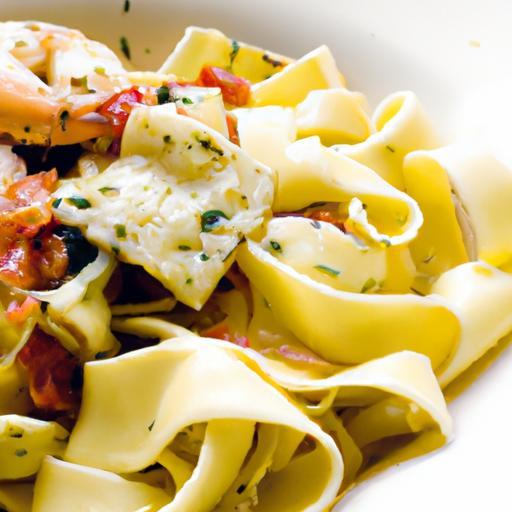
For an iconic presentation, toss your al dente fettuccine with a fragrant garlic butter sauce or a vibrant pesto. Top with a sprinkle of freshly grated Parmesan, a pinch of cracked black pepper, and a handful of torn basil leaves for color and freshness. for a luxurious finish, add seared scallops or grilled chicken slices. A drizzle of high-quality olive oil before serving adds richness and shine-making every bite an indulgent celebration.

| Nutrient | Per Serving (1 cup cooked) |
|---|---|
| Calories | 200 kcal |
| Protein | 7 g |
| Carbohydrates | 42 g |
| Fat | 1 g |
For a deeper dive into pasta-making techniques, check out our Homemade pasta Techniques guide. To understand the scientific principles behind pasta cooking, the ScienceDaily pasta study offers fascinating insights.
Q&A
Q&A: Perfectly Timed – How Long to Cook Fettuccine Noodles
Q: What’s the secret to perfectly cooked fettuccine noodles?
A: Timing, water, and a watchful eye. Fettuccine is best when it’s al dente-tender but still with a slight bite. typically, that means cooking the noodles for about 8 to 13 minutes, depending on whether they’re fresh, dried, or homemade. The key is to taste as you go!
Q: How do cooking times vary between fresh and dried fettuccine?
A: Fresh fettuccine cooks much faster-usually in 2 to 4 minutes-as it hasn’t been dehydrated. Dried fettuccine noodles,on the other hand,take longer to rehydrate and soften,frequently enough requiring 10 to 13 minutes. Always check the package for recommended times, but trust your taste buds above all.Q: Should I salt the water when boiling fettuccine?
A: absolutely! Salted water is essential-it seasons the noodles from within, turning bland pasta into a flavor foundation. A good rule of thumb is about 1 to 2 tablespoons of salt per gallon of water. Your noodles will thank you.
Q: How can I tell when fettuccine is perfectly cooked?
A: the classic test? Bite into a strand.It should be soft yet firm to the bite-al dente. If it feels mushy or limp, it’s overcooked. If it’s hard in the center, it needs more time. You want that slight resistance, a hint of chewiness that holds up against your luscious sauce.
Q: Does the thickness of fettuccine noodles affect cooking time?
A: Yes! Wider or thicker noodles take a bit longer to cook than thinner ones. While standard fettuccine noodles hover around 8 to 13 minutes, extra-thick varieties might need an extra minute or two. Keep tasting and stirring to avoid sticking or uneven cooking.
Q: Can I undercook fettuccine and finish cooking it in the sauce?
A: Definitely-a smart strategy! Drain the noodles just shy of al dente-say, a minute or two earlier-and finish cooking them in your sauce.This technique lets the noodles soak up flavor while achieving that perfect texture.
Q: What happens if I overcook fettuccine?
A: Overcooked fettuccine turns mushy and loses its structure,making your dish limp and less enjoyable to eat. It can also absorb too much sauce, becoming heavy and clumpy. Precision timing keeps your pasta flavorful and texturally balanced.
Q: Any tips for cooking fettuccine perfectly every time?
A: Use plenty of boiling water,stir occasionally to prevent sticking,salt your water generously,taste early and often,and don’t rely solely on the clock. Remember-the perfect noodle is as much about feel as it is about timing!
With these insights, you’re now ready to master the art of perfectly timed fettuccine. Time it right, and enjoy the silky, satisfying noodles that form the heart of so many delicious Italian dishes. Buon appetito!
The Conclusion
Mastering the art of perfectly timed fettuccine noodles is more than just following the clock-it’s about tuning into the rhythm of the pasta itself. Whether you prefer your noodles al dente with a tender bite or luxuriously soft and yielding, understanding the ideal cooking window transforms a humble pot of boiling water into a stage where culinary magic unfolds. So next time you drop those golden strands into the bubbling depths, remember: patience paired with precise timing is the secret to fettuccine that sings with flavor and texture. Cook with care, savor every twirl, and let your pasta journey be as delightful as the dish itself.