

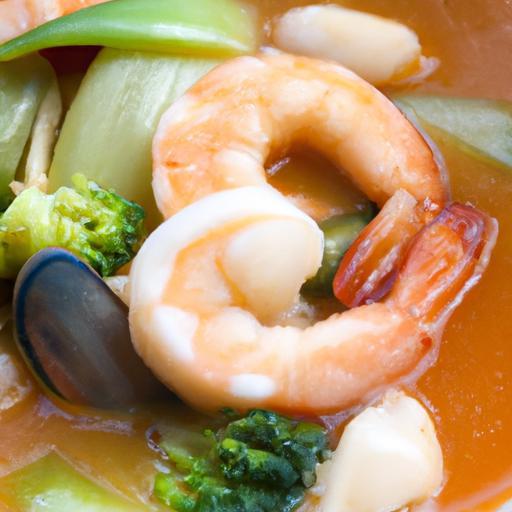
Beneath the vast coastal skies of China lies a culinary tradition as rich and deep as the oceans themselves-seafood soups that have been simmering through centuries of culture and history. Each bowl tells a story, blending the freshest catch with fragrant herbs, time-honored techniques, and regional nuances that awaken the senses and nourish the soul. In this exploration of chinese seafood soup traditions, we invite you to dive into the vibrant flavors and ancient rituals that transform simple ingredients into exquisite masterpieces. Prepare to savor not just a meal, but a liquid tapestry woven from the tides of heritage and the artistry of Chinese cuisine.
Savor the Flavors: Exploring Chinese Seafood Soup Traditions immerses you in a culinary journey brimming with history, vibrant tastes, and delicate craftsmanship. These soups have thrived through centuries, merging coastal bounty with time-honored techniques that elevate humble ingredients into soul-satisfying masterpieces. Whether it’s the briny sweetness of fresh crab or the silky texture of fresh scallops, each spoonful reveals a story of cultural pride and regional identity.
Prep and Cook Time
- Planning: 20 minutes
- Cooking: 40 minutes
- Total: 1 hour
Yield
Serves 4 hearty bowls
Difficulty Level
Medium – approachable for home cooks ready to explore traditional techniques
Key Ingredients to Celebrate chinese Seafood Soup Traditions
- 500g fresh white fish fillets (such as cod or sea bass), cut into bite-sized pieces
- 200g fresh shrimp, peeled and deveined
- 150g fresh scallops, cleaned
- 1 tbsp ginger, finely julienned
- 3 cloves garlic, minced
- 6 cups chicken or seafood broth, preferably homemade for richness
- 2 tbsp Shaoxing wine (or dry sherry)
- 2 tbsp soy sauce
- 1 tsp white pepper
- 1 tsp sesame oil
- 1 cup Napa cabbage, chopped
- 3 stalks spring onions, chopped
- Fresh cilantro, for garnish
- Salt, to taste
Step-by-Step Instructions for Authentic Chinese Seafood Soup
- Prepare your seafood carefully.</b Rinse the fish fillets, shrimp, and scallops under cold running water. Pat dry with paper towels. This reduces excess moisture, helping the seafood cook evenly and maintain firm textures.
- Sauté aromatics.</b Heat 1 tbsp vegetable oil in a pot over medium heat. Add julienned ginger and minced garlic. Sauté until fragrant, about 2 minutes. This step releases essential oils that deepen the broth’s flavor.
- Deglaze and build the broth.</b Pour in 6 cups of chicken or seafood broth, then add Shaoxing wine and soy sauce. Bring to a gentle simmer. This combination introduces complexity and umami that characterize Chinese seafood soups.
- Add vegetables and seasoning.</b Toss in chopped Napa cabbage and sprinkle white pepper. Allow it to simmer for 5 minutes to soften the greens and infuse the spiciness evenly.
- Cook the seafood carefully.</b Lower the heat to medium-low.Add fish pieces first, as they require slightly longer to cook, simmering for 4 minutes. Follow with shrimp and scallops, cooking another 3-4 minutes until opaque and tender. Avoid overcooking to preserve the silkiness and subtle saltiness of the seafood.
- Finish with sesame oil and fresh herbs.</b Turn off the heat and stir in sesame oil for a delicate, nutty aroma. Garnish generously with chopped spring onions and fresh cilantro right before serving.
Tips for Success: Mastering Chinese Seafood soup
- Use the freshest seafood possible; freshness is key to savor authentic flavors.
- For more depth, try simmering dried scallops or dried shrimp in your broth base.
- Adjust soy sauce cautiously; too much can overpower the delicate seafood taste.
- Feel free to add tofu cubes or glass noodles for a heartier finish.
- Make ahead by prepping broth and chopping ingredients; assemble and cook the soup just before serving for optimal freshness.
Serving Suggestions: Elevate Your Experience
Serve your seafood soup steaming hot in deep bowls with a side of fragrant jasmine rice or freshly steamed buns to soak up the luscious broth. Garnish with thin chili slices for warmth and a sprinkle of toasted sesame seeds for texture contrast.A crisp, chilled white wine or jasmine tea complements the subtle oceanic notes beautifully, creating a sensory balance to elongate the meal’s pleasure.

| Nutrient | Per Serving |
|---|---|
| Calories | 250 kcal |
| Protein | 30g |
| Carbohydrates | 8g |
| Fat | 6g |
For more appetizing Chinese recipes full of tradition and taste, explore our Classic Chinese Wontons article. To deepen your understanding of authentic broth-making, check this excellent resource from Serious Eats.
Q&A
Q&A: Savor the Flavors – Exploring Chinese Seafood Soup Traditions
Q1: What makes Chinese seafood soups unique compared to other seafood soups around the world?
A1: Chinese seafood soups are a harmonious blend of tradition, fresh ingredients, and meticulous technique.Unlike some Western seafood chowders that often rely on cream or butter, Chinese versions emphasize clear broths infused with the natural umami of seafood-shrimp, crab, fish, scallops-combined with herbal ingredients and delicate seasonings. This approach showcases the pure,vibrant essence of the sea while celebrating balance and nourishment.
Q2: Which regions in China are renowned for their seafood soup traditions?
A2: Coastal provinces like Guangdong, Fujian, and Zhejiang shine in seafood soup craftsmanship. Guangdong’s double-boiled soups are legendary for their silky clarity and rich depth from slow simmering of seafood with herbs.Fujian,famous for its light,aromatic broths,incorporates fermented fish sauces and unique local mushrooms. Meanwhile, Zhejiang delights with freshwater fish soups that reflect its riverine landscapes. Each region’s soup is a reflection of local waters, climate, and culture.
Q3: What role do ingredients like dried scallops and seaweed play in these soups?
A3: Ingredients such as dried scallops (conpoy) and seaweed serve more than flavor roles; they’re soul of the soup. Dried scallops add a profound umami, deepening the broth’s taste with sweet, briny notes, while seaweed introduces a subtle mineral freshness and smooth texture. together, they build layers of complexity often missing in simpler seafood soups, demonstrating how Chinese cooks elevate humble components into culinary poetry.
Q4: Can you describe the typical preparation methods for chinese seafood soups?
A4: Patience and technique define the cooking process. Many seafood soups start with simmering bones or shells to create a delicate seafood stock. Ingredients are carefully selected and added in stages to prevent overcooking; for example, tender shrimp or fish are added last to preserve texture. Slow double-boiling or gentle simmering preserves the clarity and extracts maximum flavor without clouding the broth. The result is a bowl that whispers stories of the ocean with every sip.
Q5: How are Chinese seafood soups typically enjoyed-are they everyday dishes or reserved for special occasions?
A5: While some simpler seafood soups can be part of everyday meals, many traditional Chinese seafood soups are celebratory dishes reserved for special family gatherings, festivals, or banquets. They symbolize prosperity, health, and togetherness. Offering such a soup is a gesture of respect and care, making the dining experience both nourishing and meaningful on a cultural level.
Q6: Are there any modern twists on traditional Chinese seafood soups gaining popularity today?
A6: Absolutely! Contemporary chefs are blending classic Chinese techniques with global influences-imagine a seafood soup incorporating Mediterranean herbs, or a Sichuan-style spicy seafood broth. Additionally,health-conscious diners inspire lighter versions with organic ingredients and enduring seafood. These innovations maintain respect for tradition while inviting adventurous palates to explore new depths of flavor.
Q7: what’s a simple tip for someone wanting to try making a Chinese seafood soup at home?
A7: Start with the broth-it’s the soul of the soup. Use fresh seafood shells or bones to simmer a clean stock, and avoid heavy seasoning early on. Let the natural flavors shine by adding delicate ingredients last and tasting frequently. Keep the cooking gentle to achieve that signature clarity and subtle complexity. And most importantly-approach it with patience and curiosity, savoring the process as much as the final bowl.
To Wrap It Up
As the last spoonful of broth warms your palate, it becomes clear that Chinese seafood soups are more than just a dish-they are a vibrant tapestry woven from centuries of tradition, coastal bounty, and culinary artistry. Each bowl tells a story of the sea’s generosity and the culture’s deep respect for flavor harmony and nourishment. Whether enjoyed in a bustling market or crafted in a home kitchen, these soups invite us to savor not only their rich, comforting tastes but also the heritage and passion simmering beneath the surface.So next time you seek a soulful culinary adventure, let a Chinese seafood soup guide you on a journey through waves of history and flavor, one delicious sip at a time.