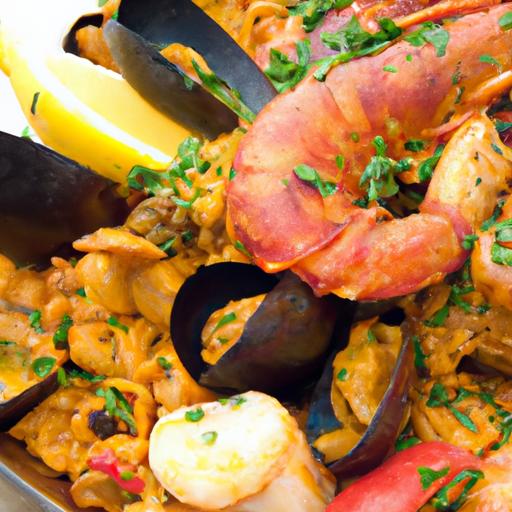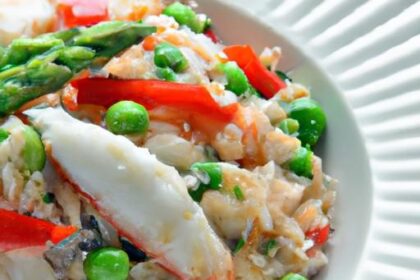


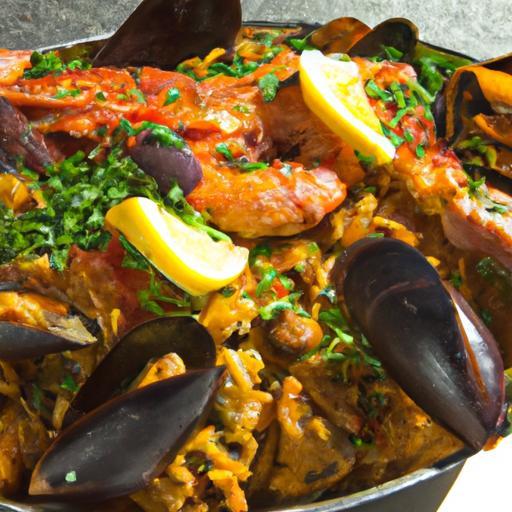
There’s something magical about gathering around a crackling campfire, the air filled with smoky whispers and the scent of fresh pine. Now, imagine elevating that rustic experience with a dish that captures the essence of the Northwest’s coastal bounty-seafood paella, reimagined for the campfire. This isn’t your typical Spanish classic; it’s a vibrant fusion where plump Dungeness crab, succulent Pacific prawns, and briny clams mingle with smoky char and earthy forest herbs. In this article, we’ll explore how to craft a campfire seafood paella that celebrates the rugged flavors of the Northwest, turning an outdoor meal into a memorable feast that sings with the spirit of the wild.
Savoring campfire Seafood paella with Northwest Flavors
Savoring campfire seafood paella with northwest flavors is an adventure that marries the rugged, fresh bounty of the Pacific Northwest shoreline with the time-honored, vibrant techniques of Spanish cooking. This dish is not just a meal; it’s a party of coastal treasures like succulent Dungeness crab, plump Pacific oysters, and tender wild-caught shrimp, all infused with smoky campfire aromas and fragrant saffron-infused rice. Inspired by evenings spent on misty beaches and crackling campfires, this recipe brings the soul of Spanish tradition to the outdoors, inviting you to craft a feast that’s as visually stunning as it is delicious.
Prep and cook Time
Preparation: 20 minutes | Cooking: 45 minutes | Total: 65 minutes
Yield
Serves 6 generous portions
Difficulty Level
Medium – perfect for those agreeable handling seafood and outdoor cooking
Ingredients
- 2 cups short-grain Spanish rice (such as Bomba)
- 4 cups seafood broth or clam juice
- 1/4 teaspoon saffron threads
- 3 tablespoons extra virgin olive oil
- 1 medium yellow onion,finely chopped
- 4 cloves garlic,minced
- 1 large red bell pepper,diced
- 1 cup diced fresh tomatoes (or fire-roasted for smokiness)
- 1/2 teaspoon smoked paprika
- 1 teaspoon sea salt,adjust to taste
- 1/2 teaspoon freshly cracked black pepper
- 12 oz wild-caught Pacific shrimp,peeled and deveined
- 1 pound Dungeness crab meat,picked and cleaned
- 12 Pacific oysters,shucked (optional but adds amazing texture)
- 1 cup frozen peas,thawed
- 1 lemon cut into wedges
- Fresh flat-leaf parsley for garnish
- Optional: pinch of crushed red pepper flakes for heat
Instructions
- Prepare the base: Soak saffron threads in 1/4 cup of warm seafood broth to release their color and aroma. set aside.
- Heat campfire skillet: preheat a large, heavy cast-iron pan over medium heat on your campfire or outdoor grill. add olive oil.
- Sauté aromatics: Add chopped onion and red bell pepper; cook until softened and translucent, about 5-7 minutes. stir in garlic and cook for 1 minute until fragrant.
- Add rice and spices: Stir in the rice, coating each grain with oil, then add smoked paprika, salt, and pepper. Toast the rice lightly for 2 minutes, stirring often.
- Add tomato and broth: Mix in diced tomatoes and saffron broth, then pour in the remaining 3 3/4 cups of seafood broth. Bring to a steady simmer-avoid stirring once liquid is added to help develop the signature paella crust.
- Cook rice: Maintain a steady simmer over medium heat. After about 15 minutes, add peas and arrange the shrimp, crab meat, and oysters artfully on top. Cover the pan with a loose foil tent or a lid if available to trap steam, allowing seafood to cook evenly.
- Finish cooking: continue simmering until the rice is tender and liquid absorbed, about another 10-15 minutes. Watch for the socarrat-the crispy, golden crust forming on the bottom of the pan, a hallmark of great paella.
- Rest and garnish: Remove pan from heat; let the paella rest, covered, for 5 minutes. Sprinkle fresh parsley over the top and serve with lemon wedges for luminous, zesty contrast.
Tips for Success
- Seafood selection: Always choose fresh, local shellfish when possible to maximize Northwest flavors. Substitute with clams or mussels if Crab or oysters aren’t available.
- Rice choice: Short-grain rice like Bomba or Arborio is essential-it soaks up broth without becoming mushy.
- Campfire control: Use a grill grate or stones to create consistent indirect heat to avoid burning the bottom.
- Make ahead: Prepare seafood broth in advance and store saffron soaked broth in a sealed container for deeper flavor infusion.
- Socarrat magic: If you don’t get the crust, you can briefly increase heat at the end for 1-2 minutes but watch carefully to prevent burning.
Serving suggestions and Pairings
This campfire seafood paella is an outdoor spectacle best enjoyed family-style, straight from the pan. Garnish with plenty of fresh parsley for color and a sprinkle of flaky sea salt to enhance the ocean notes. Bright lemon wedges are a must, inviting diners to add a fresh, citrusy zip with each tender bite.
Pair the meal with chilled, crisp Albariño or a light Pacific Northwest white wine such as a Riesling. For a non-alcoholic option, serve with sparkling berry-infused water or fresh lemon soda. Complement the meal with a simple grilled vegetable platter-smoky asparagus or charred corn will echo the paella’s campfire essence.

nutritional Information (Per Serving)
| Calories | Protein | Carbohydrates | Fat |
|---|---|---|---|
| 410 | 32g | 45g | 10g |
For a deeper dive into classic Spanish paella techniques, check out our Authentic spanish Paella Recipe. To explore enduring seafood harvesting from the Pacific Northwest, visit the NOAA Fisheries resources.
Q&A
Q&A: Savoring Campfire Seafood Paella with Northwest Flavors
Q: What makes campfire seafood paella a unique dining experience?
A: Campfire seafood paella transforms the traditional Spanish dish into an outdoor adventure, infusing it with the smoky aroma of the fire and the fresh essence of the Pacific Northwest. Cooking over an open flame adds a rustic depth and connects you to nature, making every bite a celebration of place and element.
Q: How does incorporating Northwest flavors change the classic paella?
A: Infusing paella with Northwest ingredients introduces vibrant,local character to this Mediterranean classic. Expect succulent Dungeness crab, tender Pacific salmon, briny oysters, and buttery clams, paired with fragrant wild mushrooms and fresh herbs like salal and cedar tips. These flavors create a harmonious marriage between Spain’s culinary tradition and the bounty of the Northwest.
Q: What kind of seafood should I gather for an authentic Northwest-inspired paella?
A: Start with a mix of the freshest catch: Dungeness crab clusters, wild-caught salmon chunks, manila or littleneck clams, and oysters. Adding bay shrimp or spot prawns enhances sweetness and texture. The key is to choose seafood that reflects local waters and seasons for the freshest taste.Q: What are the best tools and setup for cooking paella over a campfire?
A: A wide, shallow cast-iron or carbon steel paella pan works best to ensure even heat distribution over the fire. Use a sturdy tripod or grill grate above the flames to hold the pan steady. Keep plenty of seasoned wood or charcoal nearby to maintain a consistent heat. Don’t forget long-handled utensils for safe stirring!
Q: How do you manage heat control during the cooking process outdoors?
A: unlike a stovetop, campfire heat is dynamic and requires a bit of intuition. Start with hot coals for searing the seafood and sautéing aromatics, then push ashes aside to create a moderate heat zone for simmering the rice. Rotate the pan occasionally to avoid hotspots, and add wood gradually to sustain a gentle, even simmer.
Q: Are there any tips for achieving the perfect socarrat-the crispy rice crust-while cooking outdoors?
A: The socarrat is the soul of paella and can be achieved over campfire by adjusting the heat carefully. Once the rice is nearly cooked, increase the fire’s intensity for a few minutes to toast the bottom layer. Listen for a subtle crackling sound and resist stirring-toasting to long can burn it, so keep a close eye!
Q: Can I incorporate local herbs or vegetables to enhance the flavor profile?
A: Absolutely! Northwest wild herbs like salal leaves or tender cedar tips add subtle piney notes, while local vegetables such as sweet cherry tomatoes, baby kale, or fiddlehead ferns introduce fresh seasonal layers. These elements deepen the connection to place and elevate the dish’s complexity.
Q: What beverages pair well with campfire seafood paella with Northwest flair?
A: Crisp, mineral-driven white wines like an Oregon Pinot Gris or Washington Riesling complement the briny seafood and smoky character beautifully. For non-alcoholic options, try a sparkling water infused with fresh lemon and mint or a Northwest berry iced tea to refresh the palate between bites.
Q: How does sharing campfire paella enhance the overall dining experience?
A: Paella is inherently communal-a large, colorful feast meant to be shared. Cooking and eating it around a campfire fosters connection, turning meal preparation into storytelling and laughter. This shared ritual enriches the sensory pleasure, turning food into a memory anchored by friendship, firelight, and the wild beauty of the Northwest.
Q: Any final advice for first-timers attempting campfire seafood paella with regional twists?
A: Embrace patience and flexibility; outdoor cooking invites spontaneity. Choose your freshest local seafood, master your fire’s rhythms, and don’t be afraid to play with Northwest ingredients. Most importantly, savor the process-the crackle of the fire, the scent of sea and wood smoke, and the joy of crafting a meal that sings of place and season.
Insights and conclusions
As the last embers of your campfire glow and the rich aroma of Northwest-inspired seafood paella lingers in the air, you realize this isn’t just a meal-it’s an experience.Blending the vibrant, sun-soaked spirit of Spain with the rugged, ocean-kissed notes of the Pacific Northwest, this campfire paella invites you to savor every bite and every moment outdoors. Whether gathered around flickering flames with friends or stealing a quiet bite under a starlit sky, this dish transforms simple ingredients into a celebration of place and flavor. So next time your wanderlust leads you to the wild, let your campfire become a culinary stage where tradition meets regional bounty-proving that great food, like great adventures, is best when shared.