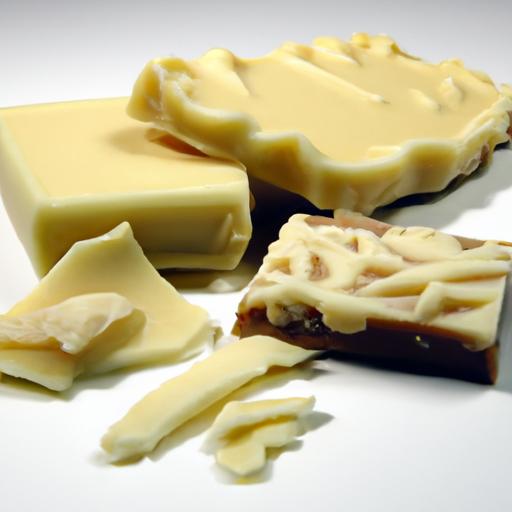

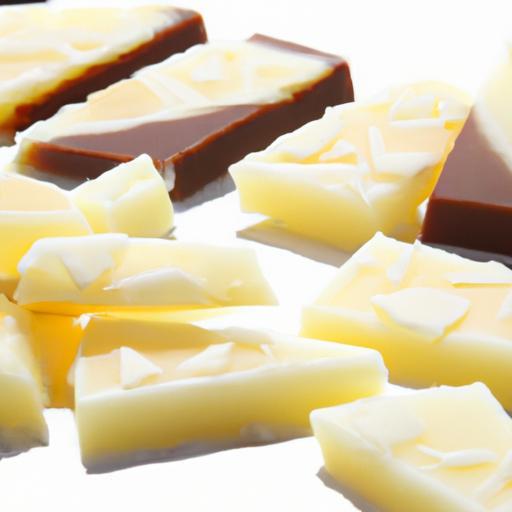
Beneath its creamy, ivory surface lies a universe of flavor, history, adn craftsmanship waiting to be discovered. White chocolate bars, often overshadowed by their darker cousins, carry sweet secrets that delight the senses and spark curiosity.From the origins of their silky ingredients to the innovative twists in modern confectionery, unwrapping a white chocolate bar is more than just a flavorful moment-it’s an invitation to explore a rich and nuanced world. Join us as we delve into the fascinating story behind white chocolate bars, revealing what makes them uniquely enchanting in the realm of sweets.
White chocolate bars are more than just a sweet treat-they’re a luxurious experience with roots that trace back to the pioneering chocolatiers of the 1930s. This Sweet Secrets recipe post invites you to dive into the luscious world of white chocolate bars, unlocking the magic behind their creamy texture and delicate flavor. As someone who’s crafted countless desserts and styled them to perfection, I’m excited to share insights on what makes white chocolate unique and how you can elevate your indulgence beyond the usual snap and nibble.
Prep and Cook Time
- Readiness: 10 minutes
- Cook Time: 15 minutes (for recipes incorporating melted white chocolate)
- Total Time: 25 minutes
Yield
Serves 6-8 as a decadent dessert or elegant snack treat.
Difficulty Level
Easy to Medium – perfect for beginners curious to experiment with white chocolate’s creamy charm.
Ingredients
- 200g quality white chocolate bar (look for one with at least 30% cocoa butter for authentic creaminess)
- 1 tbsp unsalted butter (to enhance shine and texture when melting)
- 1/2 cup heavy cream (optional, for a ganache or drizzle)
- 1 tsp vanilla bean paste (to deepen the natural vanilla notes)
- Pinch of sea salt (balances sweetness and brightens flavor)
- Fresh berries or edible flowers (for garnish and contrast)
Instructions
- chop the white chocolate bar into small, even pieces. This ensures a smooth, even melt without scorching.
- Prepare a double boiler: fill a saucepan with 1-2 inches of water and bring to a gentle simmer. Place a heatproof bowl over the pan-make sure it doesn’t touch the water.
- Add the white chocolate and unsalted butter to the bowl. stir gently with a silicone spatula to melt evenly, about 5 minutes.Avoid water droplets getting into the chocolate; this can cause it to seize.
- Once fully melted, stir in vanilla bean paste and a pinch of sea salt to brighten the flavor profile.
- Optional: Warm the heavy cream separately and slowly fold it into the melted chocolate for a luscious white chocolate ganache perfect for drizzling over cakes or fruit.
- Pour or drizzle the melted white chocolate as desired. For bars, pour into silicone molds and chill 30 minutes until firm.
- Garnish with fresh berries or delicate edible flowers for a visually stunning, flavor-packed presentation.
tips for Success
- Choose brands that highlight cocoa butter: Unlike standard white chocolate, which can contain vegetable fats, authentic white chocolate with cocoa butter offers creamier texture and a milder, buttery flavor.
- Prevent overheating: White chocolate melts between 104-113°F (40-45°C).Temper your heat carefully to avoid graininess or burning.
- Mix-ins: Elevate your bars by folding in pistachios,freeze-dried raspberries,or toasted coconut flakes before setting.
- Make-ahead: Melted white chocolate keeps well; store covered at room temperature for up to 3 days. Re-melt gently using the double boiler method.
Serving Suggestions
Serve your white chocolate bars or ganache creations alongside robust flavors that create contrast and excitement. Think tangy citrus zest, tart berries, or a sprinkle of toasted nuts.
- Plate with lemon curd or passionfruit coulis for a tropical twist
- pair with strong espresso or a floral white wine to balance sweetness
- Top desserts with edible gold leaf or flaky sea salt for a gourmet finish
| nutritional Info (per 30g white chocolate bar) | Quantity |
|---|---|
| Calories | 160 kcal |
| Protein | 1.5 g |
| Carbohydrates | 18 g |
| Fat | 9 g |

Exploring texture: Finding Your white Chocolate Bar
From the velvety smoothness that melts luxuriously on the tongue to bars that offer a gentle snap with hints of honey and vanilla, white chocolate presents a spectrum of textures and flavor dimensions. When selecting your bar, consider how you want it to perform-in baking, the sugar content and cocoa butter concentration play pivotal roles in achieving that perfect melting point and mouthfeel.
For an indulgent treat, brands like Valrhona and Green & Black’s offer artisanal bars with pure cocoa butter that emphasize natural creaminess and a subtle, floral vanilla finish. Meanwhile, some milkier variants introduce cream powder to heighten smoothness, perfect for those new to white chocolate adventures.
for a deeper exploration, Pinterest’s recipe inspirations are a treasure trove for starters, while comprehensive resources like the Chocolate Academy provide professional insights into tempering and pairing techniques.
To discover more about pairing chocolate with flavors, visit our article on Pairing Chocolate With Wine for additional culinary inspiration.
Q&A
Q&A: Sweet Secrets – Unwrapping the World of White Chocolate Bars
Q1: What exactly is white chocolate, and how does it differ from milk and dark chocolate?
A1: Unlike its cocoa-rich siblings, white chocolate is crafted from cocoa butter-the fat extracted from cocoa beans-without the cocoa solids that give dark and milk chocolates their color and intense taste. This absence of cocoa solids lends white chocolate its creamy ivory hue and a sweet, buttery profile that’s more delicate and mellow than the rich bitterness found in darker varieties.
Q2: Why does white chocolate sometimes get a bad rap from chocolatiers and purists?
A2: The controversy stems from white chocolate’s lack of cocoa solids, which some argue means it’s not “true” chocolate. Purists favor the complex flavors and antioxidant benefits found in dark chocolate’s cocoa content. However, white chocolate’s unique buttery flavor and smooth texture offer a different, equally delightful experience-one that has won over many sweet lovers worldwide.
Q3: What are some surprising facts about the ingredients in white chocolate bars?
A3: Aside from cocoa butter and sugar, high-quality white chocolate bars often contain milk powder and vanilla to enhance creaminess and aroma. Interestingly, the purity of the cocoa butter is key: some manufacturers use “raw” or unrefined cocoa butter for richer flavor, while others may add emulsifiers like lecithin to improve texture. The subtleties in ingredients make a world of difference in taste and mouthfeel.
Q4: How should white chocolate bars be stored to preserve their flavor and texture?
A4: White chocolate is sensitive to heat and humidity. To keep those sweet secrets safe, store bars in a cool, dry place around 65-70°F (18-21°C), away from direct sunlight or strong odors. Unlike dark chocolate, white chocolate can develop a whitish “bloom” if temperature fluctuates-this is just fat crystallizing and doesn’t affect safety but can dull appearance and texture.
Q5: What culinary delights can be crafted using white chocolate bars?
A5: White chocolate’s sweet, creamy nature makes it a versatile player in desserts-from luscious mousses and silky ganaches to decadent bark with nuts and dried fruits. It pairs beautifully with tart flavors like raspberry or passionfruit and even with more adventurous spices such as matcha or cardamom. Melting down a white chocolate bar opens endless creative avenues for chefs and home bakers alike.
Q6: Are there any health considerations to keep in mind when indulging in white chocolate?
A6: While white chocolate lacks the antioxidants found in dark varieties, it still contains beneficial fats from cocoa butter and calcium from milk solids. That said, its higher sugar content means moderation is key-enjoy in balance as part of a diverse diet. For those with allergies or sensitivities, it’s critically important to check labels, as some white chocolates may contain traces of nuts or soy lecithin.
Q7: How is the quality of a white chocolate bar judged?
A7: Quality hinges on ingredient purity and craftsmanship. Look for bars with a smooth texture, no graininess, and a subtle, rich vanilla aroma. High cocoa butter content ensures creamy melt-in-your-mouth pleasure, while refined taste avoids overpowering sweetness. Artisanal brands frequently enough highlight origin of cocoa butter and use natural flavorings, signaling a top-tier white chocolate experience.
Q8: What’s the future of white chocolate-any exciting trends or innovations?
A8: White chocolate is evolving beyond tradition, with creators experimenting with botanical infusions, reduced sugar recipes, and pairing it with superfoods like turmeric or edible flowers. Lasting sourcing and ethical production are increasingly shaping the market, ensuring that the sweet secrets of white chocolate bars continue to delight both palate and conscience.
Unwrapping a white chocolate bar is like stepping into a creamy, buttery dream-rich in history, flavor, and endless possibilities. Whether you savor it solo or incorporate it into your culinary masterpieces,white chocolate invites us all to discover its sweet secrets.
Key Takeaways
As we close the wrapper on our journey through the world of white chocolate bars, it’s clear that this creamy confection holds more than just sweetness-it carries stories of innovation, craftsmanship, and unexpected flavors waiting to be discovered. Whether you savor it in its purest form or delight in inventive blends, white chocolate continues to charm and surprise palates around the globe. So next time you unwrap a white chocolate bar, remember: you’re not just tasting a treat, but unwrapping a secret world of creamy indulgence and sweet possibilities.