Crunchy Delights: Exploring the Flavors of Asian Cucumber Salad begins with the vibrant interplay between refreshing crisp cucumbers and bold, tangy seasonings. This salad, beloved across many Asian cultures, is as much about texture as it is about taste-melding cooling cucumbers with crunchy peanuts, toasted sesame seeds, or crisp aromatics that excite the palate with every bite. Whether inspired by the sweet-savory notes of Thai som tum, the vinegar-luminous Korean oi muchim, or the fragrant herbs and chili oils found in Chinese versions, this dish celebrates regional diversity through layered, harmonious flavors that are simple yet profound.
Prep and Cook Time
- Preparation: 15 minutes
- Chilling Time: 10 minutes (optional)
- Total Time: 25 minutes
Yield
Serves 4 as a side dish
Difficulty Level
Easy – perfect for weeknight meals or entertaining guests
Ingredients
- 3 medium cucumbers (english or Japanese, thinly sliced or torn)
- 2 tablespoons rice vinegar
- 1 tablespoon soy sauce
- 1 tablespoon toasted sesame oil
- 1 teaspoon sugar (adjust to taste)
- 1 small red chili, thinly sliced (optional, for heat)
- 2 cloves garlic, finely minced
- 2 tablespoons roasted peanuts, roughly chopped
- 1 tablespoon toasted sesame seeds
- Fresh herbs: 2 tablespoons chopped cilantro and/or mint
- 1 scallion, thinly sliced on the bias
- Pinch of salt, to taste
Instructions
- Prepare the cucumber: Rinse and dry cucumbers thoroughly. for extra crunch, slice into thin rounds or quarter lengthwise and smash gently with the side of a knife to release flavor without bruising.
- Mix the dressing: In a small bowl, whisk together rice vinegar, soy sauce, toasted sesame oil, sugar, and minced garlic until sugar dissolves completely.
- Toss chili and scallions: Add thinly sliced red chili and scallions to the dressing,stirring to combine their bright flavors with the tangy base.
- Combine cucumbers and dressing: Place cucumbers in a large bowl and pour the dressing over. Toss gently but thoroughly to coat each piece evenly.
- Let it marinate: Allow the salad to rest for at least 10 minutes in the refrigerator. this step lets the cucumbers soak up the dressing and softens the garlic’s raw bite without losing crunch.
- Add crunch and herbs: Just before serving, sprinkle roasted peanuts, toasted sesame seeds, and fresh herbs over the salad. Toss lightly once more to distribute.
- Final taste check: adjust salt and sugar if needed,balancing tanginess with a hint of sweetness and savoriness for that signature flavor depth.
Tips for Success
- Choosing Cucumbers: For maximum crunch, opt for seedless English or Japanese cucumbers. Their thin skin is tender but resilient, perfect for salads.
- Herbal Variations: Experiment with Thai basil,fresh dill,or shiso leaves to capture different regional flavor profiles.
- Chili Heat: Remove seeds for a mild touch,or leave them in to add a fiery kick according to your preference.
- Make Ahead: Prepare the dressing and slice cucumbers separately; combine just before serving to keep the salad crisp and fresh.
- Peanut Substitute: For nut-free versions, try toasted sunflower seeds or crispy fried shallots as crunchy alternatives.
Serving Suggestions
Present this crunchy delight on a chilled ceramic plate or in a bamboo bowl to highlight its vibrant colors and fresh aroma. Garnish with a sprinkle of finely chopped chili threads or a drizzle of chili oil to elevate its visual appeal and heat. This salad pairs beautifully with grilled teriyaki chicken, steamed jasmine rice, or as a refreshing side to spicy Korean barbecue. For an elegant appetizer, serve individual portions atop crisp lettuce leaves or alongside delicate spring rolls for a textural contrast that complements every bite.

| Nutrient | Per Serving |
|---|---|
| Calories | 95 kcal |
| Protein | 3 g |
| Carbohydrates | 7 g |
| Fat | 6 g |
For more inspiration on fresh, crunchy salads, check out our guide on Fresh Asiatic Salad Recipes. To understand the health benefits of cucumbers and their importance in conventional Asian cuisines, refer to this detailed Encyclopaedia Britannica article.
Q&A
Q&A: Crunchy delights – Exploring the Flavors of Asian Cucumber Salad
Q1: What makes Asian cucumber salad so uniquely flavorful compared to othre cucumber salads?
A: Asian cucumber salad stands out as it perfectly balances crisp freshness with bold, tangy, and umami-packed flavors. Unlike simple cucumber salads dressed only with vinegar or lemon, this dish typically features a harmonious blend of soy sauce, sesame oil, rice vinegar, garlic, chili, and sometimes a touch of sweetness. These layers of flavors create a lively taste experience that’s both refreshing and deeply satisfying.
Q2: Which types of cucumbers work best for this salad?
A: The best cucumbers are firm, thin-skinned varieties like Persian or Japanese cucumbers. Their delicate texture and fewer seeds make them ideal for absorbing the dressing without getting soggy. English cucumbers can also work well since they have minimal seeds and a crisp bite.
Q3: how is the “crunch” factor achieved beyond using fresh cucumber?
A: Great question! The signature crunch comes from using freshly sliced cucumbers combined with other crunchy elements like toasted sesame seeds, chopped peanuts, or crispy shallots. Some versions even fold in water chestnuts or thinly sliced radish for an extra snap. Fast pickling the cucumber in the dressing can also enhance texture by lightly softening while retaining crispness.
Q4: What are the essential flavor components in a classic Asian cucumber salad dressing?
A: A classic dressing balances salty, tangy, spicy, sweet, and nutty notes. Key players include soy sauce (saltiness and umami), rice vinegar (tanginess), sesame oil (nutty aroma), a sweetener like honey or sugar, fresh garlic or ginger for punch, and chili flakes or fresh chili for heat. This blend is what gives the salad its distinctive vibrant personality.
Q5: is this salad traditionally served as a side dish or can it be a main?
A: Traditionally, Asian cucumber salad is a refreshing side dish that complements heavier mains like grilled meats, noodles, or rice dishes. However, it can easily be turned into a light main course by adding protein elements such as shredded chicken, tofu, or shrimp, making it both crunchy and wholesome.
Q6: Can this salad be made ahead of time, or is it best served instantly?
A: While you can prepare the dressing and slice the cucumbers ahead of time, it’s best to combine them shortly before serving. This keeps the cucumbers crisp and prevents the salad from becoming watery. If you do make it in advance, store the components separately and toss them together just before mealtime.Q7: Are ther regional variations of Asian cucumber salad?
A: Absolutely! In Chinese cuisine, you’ll find versions with black vinegar and garlic; Korean cucumber salads often feature gochugaru (Korean chili flakes) and sesame seeds; Japanese recipes might include miso or ponzu for a unique twist. Each region highlights its own local ingredients and flavor preferences, making the salad a versatile canvas for culinary creativity.
Q8: What are some creative twists one can try while making Asian cucumber salad?
A: To experiment, try adding fresh herbs like mint or cilantro for a burst of fragrance, toss in thinly sliced red onion for extra zing, or sprinkle toasted coconut flakes for a tropical note. You can also swap soy sauce for tamari for a gluten-free option or incorporate citrus zest for a dynamic edge. The possibilities are endless for this deceptively simple yet flavorful dish!
Exploring Asian cucumber salad opens up a world of crisp textures and vibrant tastes-a perfect reminder that even humble ingredients can shine brilliantly with the right flavors. Ready to crunch into this delight?
Wrapping Up
As we’ve sliced through the vibrant layers of Asian cucumber salad, it’s clear that this dish is much more then a simple side-it’s a symphony of textures and flavors that captures the essence of fresh, bright, and tangy delight. Whether draped in sesame oil, kissed by rice vinegar, or spiced with a hint of chili, each bite offers a refreshing crunch that invigorates the palate and complements a wide range of meals.So next time you seek a dish that’s both nourishing and bursting with character, let the humble cucumber salad be your crunchy companion on a flavorful journey through Asian cuisine’s freshest traditions.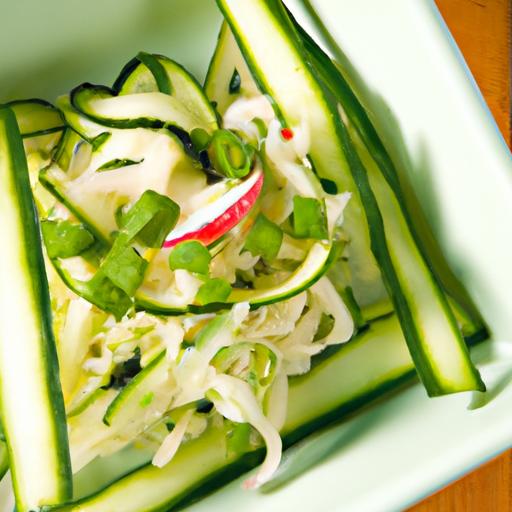
Tangy Delight: exploring Costco’s Mango Salsa Magic opens the door to a vibrant flavor journey that’s both bright and unexpected. This lush salsa, bursting with ripe mango sweetness and just the right zing of lime and jalapeño heat, strikes the perfect balance for elevating meals from everyday to remarkable. What makes Costco’s mango salsa unique is its masterful blend of fresh, chunky texture and lively acidity-a combination that can transform anything from grilled chicken to a casual taco night.
Prep and Cook Time
Prep Time: 15 minutes
Cook Time: 0 minutes (no cooking required)
Yield
Approximately 2 cups (serves 4-6 as a side or dip)
Difficulty Level
Easy - a simple no-cook recipe that’s perfect for cooks of all skill levels
Ingredients
- 2 cups fresh ripe mango, diced (about 2 medium mangoes)
- 1/2 cup red bell pepper, finely chopped
- 1/4 cup red onion, minced
- 1 small jalapeño pepper, seeded and finely diced (adjust based on heat preference)
- 1/4 cup fresh cilantro, chopped
- Juice of 1 lime (about 2 tablespoons)
- 1 teaspoon honey or agave syrup, for subtle sweetness
- Salt and freshly ground black pepper, to taste
- 1 tablespoon extra virgin olive oil (optional, for a silky finish)
Instructions
- Prepare the mango: Start by peeling and dicing ripe mangoes into small, even cubes for a balanced texture.The sweetness will form the backbone of the salsa’s flavor.
- Combine fresh produce: In a medium bowl, gently toss together the diced mango, red bell pepper, minced red onion, and diced jalapeño. Be sure to remove jalapeño seeds if you prefer a milder salsa.
- Add herbs and acid: Stir in the chopped cilantro and squeeze fresh lime juice over the mixture. Lime juice brightens the salsa, balancing the sweetness and giving it that signature zing.
- Sweeten and season: Drizzle honey to enhance natural mango flavor, then season with salt and black pepper to bring out the salsa’s depth. Stir gently but thoroughly to combine.
- Optional finishing: For a touch of richness, drizzle in extra virgin olive oil and fold it through for a silky texture that clings perfectly to chips or grilled proteins.
- Chill and meld: Cover the salsa with plastic wrap and refrigerate for at least 30 minutes to allow flavors to harmonize. Serve chilled or at room temperature for best taste.
Chef’s Notes: Tips for Success
- Choose ripe mangoes: Look for mangoes that yield slightly to gentle pressure with a sweet aroma for ultimate juiciness.
- Heat level: Adjust jalapeño quantity to suit your heat preference,or substitute with mild serrano peppers.
- Make ahead: This salsa tastes even better after a few hours or overnight, as the flavors deepen and mingle beautifully.
- Store properly: Refrigerate in an airtight container and consume within 3-4 days for optimal freshness and vibrancy.
- Texture variation: For a chunkier texture similar to Costco’s salsa, avoid over-mixing and chop mangoes coarsely.
Serving Suggestions
This versatile mango salsa is a culinary chameleon, pairing flawlessly with dishes both casual and gourmet. Brighten your next picnic by serving it alongside tortilla chips as a vibrant appetizer. For casual weeknights,spoon it over grilled fish tacos or chicken breasts,adding both color and punch. Fancy dinner? Use it as a topping for seared scallops or roasted pork tenderloin for a tropical finish. Garnish with thin lime wedges, fresh cilantro sprigs, or thinly sliced jalapeños for stunning visual appeal and an extra layer of flavor.

| Nutritional Information (per 1/4 cup) | Value |
|---|---|
| Calories | 70 kcal |
| Protein | 0.5 g |
| Carbohydrates | 18 g |
| Fat | 1.5 g |
Curious to explore more fresh salsa combinations? Check out our article on Fresh tomato Pineapple Salsa for creative twists.
For further inspiration on mango salsa’s nutritional benefits, visit Healthline’s detailed breakdown on mango nutrition.
Q&A
Q&A: Tangy Delight – Exploring Costco’s Mango Salsa Magic
Q1: What makes Costco’s Mango Salsa stand out from other salsas on the market?
A1: Costco’s Mango Salsa is a vibrant symphony of sweetness and tang, boasting generous chunks of ripe mangoes combined with zesty jalapeños and fresh cilantro. Unlike many salsas that lean heavily on tomatoes or peppers, this one sings a tropical tune that’s both refreshing and exhilarating to the taste buds.
Q2: Is this mango salsa versatile in terms of usage?
A2: Absolutely! This salsa is a dynamic culinary companion. Whether you’re dolloping it over crispy fish tacos, mixing it into grilled chicken wraps, or simply scooping it up with tortilla chips, it adds a delightful burst of flavor that elevates any dish from ordinary to extraordinary.
Q3: How healthy is Costco’s Mango Salsa?
A3: Packed with fresh fruit and wholesome ingredients, Costco’s Mango Salsa offers a guilt-free indulgence. It’s low in added sugars and contains no artificial preservatives, making it a smart choice for those looking to enjoy bold flavors without compromising on nutrition.
Q4: Can the mango salsa be used in recipes beyond traditional salsa dishes?
A4: Without a doubt! Try stirring it into quinoa salads for a tropical twist, blending it into marinades for a flavorful zing, or even topping off creamy avocado toast with a spoonful. Its sweet and tangy essence lends itself beautifully to creative cooking.
Q5: What is the overall customer reception of this product at costco?
A5: shoppers rave about its perfect balance of sweetness and spice, often stating it’s their go-to dip for gatherings and a pantry staple that never disappoints. The generous jar size and consistent quality keep fans coming back for more mango magic.
Q6: How does the packaging reflect the product inside?
A6: The jar’s bright, inviting label mirrors the salsa’s sunny disposition-a lively, golden-orange hue visible through the glass hints at the fresh mango chunks within. It’s a shelf standout that promises a punch of excitement with every spoonful.
Q7: Any tips for storing or serving the salsa to maximize freshness and flavor?
A7: Keep it refrigerated after opening to preserve that fresh mango zest and vibrant notes. Serving it chilled accentuates its tangy brightness, but for more intense warmth, let it sit at room temperature for a few minutes before serving to unlock deeper flavors.
Dive into Costco’s Mango Salsa and let your palate embark on an unexpected tropical adventure-where sweet, tangy, and spicy flavors harmonize in perfect salsa magic!
The Way Forward
As the final spoonful of Costco’s mango salsa fades from the palate, it’s clear that this tangy delight is more than just a condiment-it’s an experience. Bursting with vibrant flavors and a perfect balance of sweetness and spice, this salsa transforms everyday meals into memorable feasts. Whether drizzled over grilled chicken, paired with crunchy chips, or stirred into a fresh salad, Costco’s mango salsa invites food lovers to explore a tropical twist that’s as versatile as it is irresistible. So next time you wander Costco’s aisles,don’t miss the chance to bring a little mango magic home-your taste buds will thank you.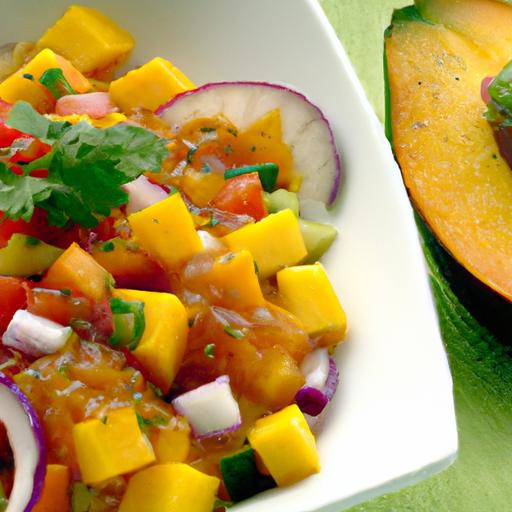
Crispy Delights: Exploring the Art of Tempura Sushi Rolls invites you on a culinary journey where tradition meets innovation. rooted deeply in Japanese cuisine, tempura’s delicate batter and irresistible crunch elevate sushi rolls to a new dimension of texture and flavor. Imagine biting into a roll where tender shrimp or tender vegetables are encased in a featherlight,golden crust that crackles with each chew – it’s a conversion of both sushi and tempura,marrying them into an unforgettable experience.
prep and Cook Time
- Preparation: 20 minutes
- Cooking: 15 minutes
- Total Time: 35 minutes
Yield
- Makes 4 sushi rolls (serves 4-6)
Difficulty Level
- Medium – ideal for home cooks agreeable with frying and sushi rolling techniques
Ingredients
- For the Tempura Batter:
- 1 cup all-purpose flour, sifted
- 1 large egg, lightly beaten
- 1 cup ice-cold sparkling water
- 2 tsp cornstarch
- 1/4 tsp baking soda
- Vegetable oil for deep frying
- For the Tempura Fillings:
- 8 large shrimp, peeled and deveined
- 1 small sweet potato, peeled and thinly sliced
- 6 asparagus spears, trimmed
- 1/2 cup enoki mushrooms
- For Sushi Rolls:
- 3 cups sushi rice, cooked and seasoned with rice vinegar
- 5 sheets nori (seaweed)
- 1 cucumber, julienned
- 1 avocado, sliced
- Soy sauce, wasabi, and pickled ginger for serving
Instructions
- Prepare the batter: In a medium bowl, gently whisk the egg with the ice-cold sparkling water until combined. Sift the flour, cornstarch, and baking soda together, then lightly fold into the egg mixture.Avoid overmixing; the batter should remain lumpy and cold for ultimate crispiness.
- Heat the oil: Pour vegetable oil into a deep pan to a depth of about 3 inches. Heat to 350°F (175°C). Use a thermometer for the most accurate temperature.
- Tempura fry the fillings: Dip each shrimp, sweet potato slice, asparagus spear, and mushroom cluster into the batter, ensuring an even coat. Carefully lower into hot oil and fry in batches until golden and crisp, about 2-3 minutes for shrimp and 3-4 minutes for vegetables. drain on paper towels.
- prepare sushi rice: Once your sushi rice is at room temperature,place a bamboo mat on a flat surface. Lay one sheet of nori on top, spreading about 3/4 cup of sushi rice evenly, leaving a 1-inch border on the top edge.
- Add fillings: Place your chosen tempura pieces along the bottom third of the rice, then layer cucumber and avocado for freshness and creamy contrast.
- roll and slice: Using the bamboo mat, carefully roll the sushi away from you, applying even pressure to keep it compact. Seal the edge with a little water.Using a sharp knife, slice into 8 pieces.
- Serve: Arrange rolls beautifully on a platter, garnish with pickled ginger, a dollop of wasabi, and small bowls of soy sauce for dipping.
Tips for Success: Mastering the Perfect Batter for Ultimate crispiness
- Keep everything ice-cold: Chilling your batter ingredients and working quickly ensures a light, crispy coating.
- Do not overmix: Mix batter just enough to combine; lumpy batter traps air bubbles that crispen the coating.
- Maintain oil temperature: Too low and the tempura absorbs excess oil; too high and the batter burns before cooking through.
- Dry fillings thoroughly: Moisture on shrimp or vegetables will cause the batter to slide off or become soggy.
- Experiment with fillings: Try mushrooms, zucchini, or even seasonal vegetables for creative variations; the batter will elevate them beautifully.
serving Suggestions: Choosing the Ideal Fillings to Complement the Crunch
Balancing texture and flavor enhances every bite. Crisp tempura shrimp pairs beautifully with creamy avocado, while earthy asparagus adds a fresh snap.Sweet potato tempura introduces a subtle sweetness that contrasts delightfully with salty soy dipping sauce. Garnish with vibrant tobiko or a sprinkle of toasted sesame seeds for color and a nutty crunch. Serve alongside a chilled glass of sake or light green tea to cleanse the palate.
| Nutrient | Per Serving (1 roll) |
|---|---|
| Calories | 320 |
| protein | 15g |
| Carbohydrates | 40g |
| Fat | 10g |

For a deeper dive into sushi rice preparation and rolling techniques,check our detailed Ultimate guide to Sushi Rice. To understand the historical context of tempura within Japanese culture, explore the scholarly overview at Japan-Guide.com.
Q&A
Q&A: Crispy Delights – Exploring the Art of Tempura Sushi Rolls
Q1: What exactly is a tempura sushi roll?
A: A tempura sushi roll is a delicious fusion of two iconic Japanese culinary techniques: sushi rolling and tempura frying. At its core, it’s a conventional sushi roll filled with fresh ingredients like fish, vegetables, or avocado, but with a twist-the entire roll (or sometimes just the filling) is dipped in tempura batter and lightly fried to achieve an irresistible crispy texture. The result? A symphony of crunchy exterior meeting tender, flavorful interior.
Q2: How did tempura sushi rolls come into existence?
A: while tempura and sushi each boast a rich history on their own, tempura sushi rolls emerged relatively recently as innovative chefs began experimenting with textures and flavors. Combining the light, airy batter of tempura with the nuanced, delicate flavors of sushi created a new experience that quickly captivated food lovers worldwide. It’s a perfect example of Japanese culinary creativity meeting modern tastes.
Q3: What makes tempura batter special?
A: Tempura batter is a marvel of simplicity and technique. It’s typically made from cold water, flour, and sometimes egg, mixed just enough to combine but not overworked-this ensures a light, crispy coating. the secret lies in the cold temperature of the batter and rapid frying in hot oil, which creates tiny, crunchy bubbles that give tempura its signature airy crunch.
Q4: Are all tempura sushi rolls deep-fried?
A: Most tempura sushi rolls undergo a brief deep-frying process, but variations exist. Some rolls are only fried on the outside after being rolled, while others have tempura-coated fillings before rolling. There are also “soft shell crab rolls” and “shrimp tempura rolls,” where only the proteins are tempura-fried and then wrapped in rice and nori.The frying time is purposefully short to preserve freshness and prevent greasiness.
Q5: What are the best ingredients to use in tempura sushi rolls?
A: Versatility reigns supreme in tempura sushi rolls.Classic choices include shrimp, soft shell crab, and vegetables like sweet potato, asparagus, or zucchini. The light batter enhances mild flavors, making seafood and vegetable combos especially delightful. Cream cheese, avocado, and spicy mayo are popular additions that balance the crunch with creaminess and zest.
Q6: How should tempura sushi rolls be enjoyed for the best experience?
A: Tempura sushi rolls are best savored immediatly after frying to enjoy their perfect crispy texture. Pair them with traditional soy sauce, a touch of wasabi, and pickled ginger for contrast. Some restaurants drizzle them with eel sauce or spicy mayo for an extra layer of flavor and visual flair. Eating them fresh ensures the crunch isn’t lost and each bite bursts with balanced textures.
Q7: Can tempura sushi rolls be made at home?
A: Absolutely! While tempura sushi rolls might seem intimidating, adventurous home cooks can recreate them with a bit of practice. The key is preparing a light batter, maintaining hot oil at the right temperature, and having a bamboo mat for rolling sushi. Start with simple fillings like shrimp and avocado, and soon you’ll be crafting crispy delights in your own kitchen-bringing a touch of Japanese artistry to your table.
Q8: Why have tempura sushi rolls become so popular globally?
A: In a world craving new textures and tastes, tempura sushi rolls deliver a perfect balance of crunch and freshness that appeals to a broad range of palates. They offer a playful twist on traditional sushi, making them approachable for those hesitant about raw fish while still honoring authentic Japanese flavors. Their satisfying crunch, rich flavors, and eye-catching presentation keep fans coming back for more.
Embark on your crispy culinary adventure with tempura sushi rolls-where every bite is a crunchy celebration of flavor and artistry!
Key Takeaways
As we unwrap the layers of crispy tempura sushi rolls, it becomes clear that this delightful fusion is much more than a simple combination of ingredients-it’s an artful dance between texture, flavor, and tradition. Each bite offers a harmonious blend of the delicate, warm crunch of tempura batter with the fresh, vibrant essence of sushi, inviting both aficionados and newcomers to savor a playful reinvention of classic Japanese cuisine. Whether you’re crafting your own rolls at home or seeking them out at your favorite sushi spot, embracing the crispy allure of tempura sushi rolls promises a flavorful adventure that celebrates innovation while honoring heritage. So, the next time you crave a sushi experience that crackles with excitement, remember: sometimes, the best creations come with a little extra crunch.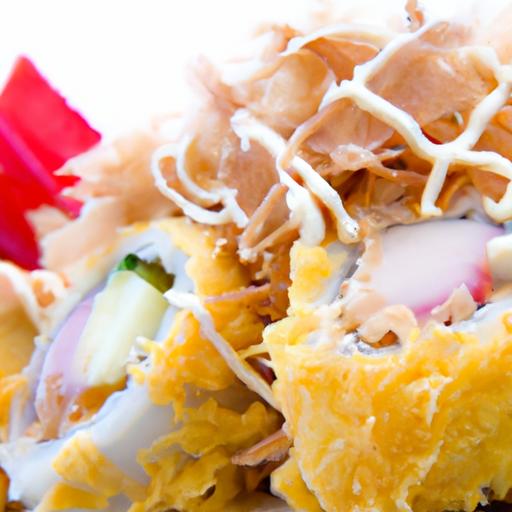
savor the luxury of selecting and preparing lobster and crab brings an exquisite dimension to imperial dining, transforming any meal into a party of the sea’s finest treasures. Known for their robust, sweet flavors and firm textures, these crustaceans demand both respect and technique to unlock their full potential.Whether elevating a classic bisque or experimenting with contemporary preparations, mastering the nuances from selection to plating ensures your seafood indulgence is nothing short of grand.
Prep and Cook Time
- preparation: 30 minutes
- Cooking: 25-35 minutes (depending on recipe)
- Total Time: Approximately 1 hour
Yield
Serves 4 elegantly, perfect for an intimate imperial feast or celebratory dinner.
Difficulty Level
Medium – Ideal for adventurous cooks looking to refine their seafood repertoire.
Ingredients
- 2 whole live lobsters (1.5 to 2 lbs each), fresh and ideally purchased from a trusted seafood market
- 2 whole Dungeness or King crabs (3-4 lbs each), steamed and chilled
- 4 tbsp unsalted butter, softened
- 4 cloves garlic, finely minced
- 1 shallot, finely chopped
- 1 cup dry white wine (Sauvignon Blanc or Chardonnay preferred)
- 1 lemon, zested and juiced
- Fresh herbs: 2 tbsp chopped tarragon, 2 tbsp parsley
- Salt and freshly ground black pepper, to taste
- 1 tsp smoked paprika (optional, for a subtle smoky nuance)
- 1 cup heavy cream, for a luxurious bisque or sauce base
- Assorted seaweed or microgreens, for garnish
- Edible gold leaf (optional), for regal presentation
Instructions
- Prepare Lobster and Crab: Begin by boiling a large pot of salted water. Submerge the live lobsters headfirst and cook for 10-12 minutes until shells turn luminous red. Remove and instantly chill in an ice bath. For pre-steamed crab, gently thaw in the refrigerator if frozen.
- Extract Meat: Using kitchen shears or a seafood cracker, carefully remove meat from claws, legs, and tails.Keep shells reserved to use as flavorful stock bases.
- Make Aromatic butter: In a pan, melt the softened butter over medium heat. Add garlic, shallots, and herbs, sautéing until fragrant and golden-approximately 3-4 minutes. Stir frequently to avoid burning garlic.
- Deglaze with Wine: Pour in the dry white wine, scraping the pan’s bottom to release all flavors. Simmer until wine reduces by half, intensifying the aroma.
- Create sauce Base: Add lemon zest, juice, smoked paprika, and heavy cream. Stir gently and let simmer on low heat to thicken for 5-7 minutes until sauce has a silky consistency.
- Incorporate Seafood: Fold the lobster and crab meat into the sauce, warming through without overcooking-around 2 minutes to maintain tenderness.
- plate with Style: Arrange the warmed seafood mixture in preheated shallow bowls or shells. Garnish with fresh microgreens, a sprinkle of parsley, and a hint of edible gold leaf for that imperial touch.
- Serve: Present immediately alongside your chosen sides and pairings for ultimate opulence.
Chef’s Notes
- Freshness is crucial: Choose lobsters and crabs that are lively or freshly steamed to guarantee superior taste and texture.
- Substitutions: For a lighter variation, substitute heavy cream with coconut milk, adding an exotic undertone to your sauce.
- Make-ahead tip: Prepare the sauce in advance and gently reheat when adding seafood; avoid prolonged cooking to keep meat tender.
- Troubleshooting: If the sauce separates, whisk in a teaspoon of cold butter off-heat to restore creaminess.
Serving Suggestions
Pair this indulgence with a chilled bottle of buttery Chardonnay whose crisp acidity balances the richness of lobster and crab. Complement with sides such as saffron risotto or a light fennel and arugula salad dressed with lemon vinaigrette. To elevate presentation, serve on fine porcelain with linen napkins and sparkling crystal glasses, weaving a story of seafaring elegance and imperial luxury.

Nutritional Facts (per serving)
| Calories | Protein | Carbohydrates | Fat |
|---|---|---|---|
| 450 kcal | 55 g | 5 g | 20 g |
Discover more on refining your seafood artistry in our Classic Seafood Recipes Guide.
Q&A
Q&A: Savor the Luxury: Exploring Lobster and Crab Imperial Delights
Q1: what exactly are “lobster and crab imperial” dishes?
A1: “Imperial” in culinary terms refers to a rich preparation style frequently enough associated with delicate seafood. Lobster and crab imperial dishes typically involve the shellfish meat blended with creamy sauces, herbs, and sometimes a touch of cheese or wine, then baked or broiled to golden perfection.Think of it as a regal transformation-elevating already luxurious ingredients into a lavish feast fit for royalty.
Q2: Why are lobster and crab chosen for these imperial recipes?
A2: Lobster and crab are prized for their sweet, succulent flesh and delicate textures. Their natural flavors pair harmoniously with rich, savory ingredients without overpowering them. Using these shellfish in imperial dishes embodies indulgence and refinement, making them a favorite for special occasions and gourmet dining experiences.
Q3: How do imperial preparations enhance the flavors of lobster and crab?
A3: The imperial method often includes incorporating classic elements like béchamel, Dijon mustard, fresh herbs, and parmesan or Gruyère cheese. This layering of creamy textures, subtle acidity, and umami depth enhances the natural sweetness of the shellfish, creating a luscious bite that’s both comforting and elegant. The gentle baking or broiling process adds a slight crust for contrast,making every mouthful a luxurious delight.
Q4: What sauces or accompaniments typically complement lobster and crab imperial dishes?
A4: Rich, buttery sauces like hollandaise, drawn butter, or citrus beurre blanc work beautifully. Light, crisp sides such as arugula salad with lemon vinaigrette, garlic-infused green beans, or roasted fingerling potatoes provide balance to the richness. A chilled glass of Chardonnay or Champagne pairs wonderfully, accentuating the dish’s complexity and freshness.
Q5: Are there any cultural or historical origins behind lobster and crab imperial dishes?
A5: The imperial style has roots in European haute cuisine where chefs sought to highlight premium ingredients with elegant techniques. Lobster thermidor and crab imperial creations gained fame in the 19th and early 20th centuries,symbolizing wealth and elegance in dining. Today,these dishes remain timeless icons of culinary artistry and celebration.
Q6: Can one make lobster or crab imperial dishes at home without professional skill?
A6: Absolutely! While they sound extravagant,these dishes can be approachable with the right guidance. Fresh or frozen lobster and crab meat can be combined with accessible pantry staples like cream, mustard, and cheese. Baking until bubbly and golden is simple, yet it yields an remarkable, decadent meal perfect for entertaining or special family dinners.
Q7: What’s the best way to select lobster and crab for imperial dishes?
A7: Freshness is key-choose shellfish that’s firm, with a pleasant ocean aroma. Live lobsters or freshly cooked crab ensure the best flavor.If fresh options are limited, high-quality frozen or pre-cooked meat can also deliver appetizing results. Always look for responsibly sourced seafood to support sustainable practices.
Q8: How can one creatively customize lobster and crab imperial recipes?
A8: Experiment with spices like smoked paprika or a hint of cayenne for subtle heat. Incorporate fresh ingredients such as tarragon, dill, or chives to evoke different flavor profiles. adding a touch of truffle oil or finely chopped sun-dried tomatoes can elevate the dish further. The beauty of the imperial style is its versatility-allowing your creativity to shine while maintaining that luxurious essence.
savoring lobster and crab imperial creations isn’t just about eating; it’s about embracing a tradition of decadence, craftsmanship, and flavor harmony. Whether enjoyed at an upscale restaurant or crafted lovingly at home, these dishes invite you to indulge in a royal feast of the sea.
In Retrospect
As we conclude our journey through the sumptuous world of lobster and crab imperial delights, it becomes clear that these exquisite dishes are more than just meals-they are celebrations of oceanic opulence and culinary artistry. From the delicate balance of flavors to the intricate preparation that honors every shell and claw, savoring these luxurious creations invites us to appreciate both tradition and innovation on our plates. Whether enjoyed at an elegant seaside bistro or crafted in your own kitchen, lobster and crab imperial fare promise an unforgettable indulgence that elevates dining into a true sensory experience. So next time you seek a taste of grandeur,let these treasures from the sea guide your palate to new heights of delight.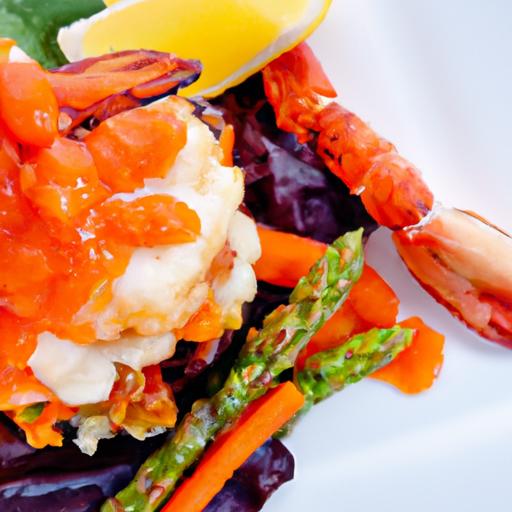
Discovering the Fresh Flavors of fish Hut Grill’s Signature Dishes
Savor the Catch: Exploring the Charm of Fish Hut Grill invites you to dive into the ocean’s bounty with their renowned Grilled Citrus-Herb Mahi Mahi. This dish embodies the coastal spirit, marrying fresh local fish with vibrant citrus and aromatic herbs to create a burst of flavor that lingers delightfully on the palate. I first tasted this masterpiece during a seaside visit, where the grill’s smoky embrace complemented the fish’s natural sweetness, inspiring me to recreate this seafood perfection in my own kitchen.
Prep and Cook Time
- Preparation: 15 minutes
- Cooking: 12 minutes
- Total Time: 27 minutes
Yield
Serves 4 generous portions
Difficulty Level
Medium – perfect for those agreeable with grilling and balancing fresh marinades
Ingredients
- 4 Mahi Mahi fillets (6 oz each),skin removed
- 2 tbsp extra virgin olive oil
- 1 large lemon,zested and juiced
- 1 medium orange,zested and juiced
- 3 cloves garlic,minced
- 2 tbsp fresh parsley,finely chopped
- 1 tbsp fresh thyme leaves
- 1 tsp smoked paprika
- Salt and freshly ground black pepper,to taste
- 1 tsp honey (optional,for balancing acidity)
- 1 tbsp unsalted butter
Instructions
- Prepare the marinade: In a medium bowl,whisk together the olive oil,lemon zest and juice,orange zest and juice,minced garlic,chopped parsley,thyme,smoked paprika,honey (if using),and a generous pinch of salt and pepper.
- Marinate the fish: Place the Mahi Mahi fillets in a shallow dish and pour the marinade over them. Ensure each fillet is coated evenly. Cover and refrigerate for 20-30 minutes.Avoid over-marinating to prevent the citrus from “cooking” the fish.
- Preheat the grill: Heat your grill to medium-high. For indoor cooking, preheat a grill pan over medium-high heat and lightly oil the surface.
- Grill the fillets: Remove the fillets from the marinade, letting excess drip off. Place them on the hot grill, cooking for about 5-6 minutes per side. Flip carefully once the edges turn opaque and the bottom has distinct grill marks. Avoid overcooking; the fish should flake easily but remain moist.
- Finish with butter: In the last minute of grilling, add a dollop of unsalted butter atop each fillet to enhance richness and shine.
- Rest and serve: Transfer the fillets to a warm plate and let rest for 2 minutes before serving. This helps juicy perfection settle within.
Chef’s Notes
- For a smoky twist, add a sprinkle of chipotle powder to the marinade rather of smoked paprika.
- If fresh herbs aren’t available, substitute dried herbs but reduce quantity by half, as they are more concentrated.
- Can be made ahead: Marinate fish up to 1 hour in advance and keep refrigerated. Grill just before serving for freshness.
- Pair the citrus marinade with a light brush of melted butter to keep the fish moist and succulent.
Serving Suggestions
Present the grilled mahi Mahi on a rustic wooden platter garnished with fresh lemon and orange wedges, a sprinkle of fresh parsley, and a few sprigs of thyme for an inviting, colorful display.Complement with a side of grilled asparagus or a crisp mixed greens salad drizzled with lemon vinaigrette.
To elevate your experience, explore locally brewed pilsners or citrus-forward Sauvignon Blancs-these beverages heighten the bright, fresh flavors of the dish and provide a refreshing palate cleanse between bites.

Nutritional Information per Serving
| Calories | Protein (g) | Carbs (g) | Fat (g) |
|---|---|---|---|
| 320 | 42 | 3 | 12 |
For more recipes celebrating the best of coastal seafood, don’t miss our Coastal Seafood Favorites collection, where freshness meets culinary artistry on every plate.
Q&A
Q&A: Savor the Catch – Exploring the Charm of Fish Hut Grill
Q1: What makes Fish Hut Grill a must-visit destination for seafood lovers?
A1: Fish Hut Grill isn’t just a restaurant-it’s a celebration of the ocean’s bounty. From the freshest daily catches to their signature smoky grilled flavors, every dish invites you to savor the sea’s vibrant essence. The rustic, beachside ambiance complements the relaxed yet refined menu, making it a paradise for those craving authentic, flavorful seafood.
Q2: How dose Fish Hut Grill ensure the freshness and quality of its seafood?
A2: The secret lies in their commitment to local sourcing and lasting fishing practices. Fish Hut Grill partners with nearby fishermen, bringing the catch from boat to table in record time.This dedication ensures that every bite bursts with freshness-whether it’s a succulent red snapper or a tender grilled calamari.
Q3: Are there any standout dishes that embody the restaurant’s charm?
A3: Absolutely! The “hut Special” platter is a crowd favorite-featuring a medley of freshly grilled fish, jumbo shrimp, and crispy calamari drizzled with a zesty island sauce. Another gem is the cedar plank salmon, infused with smoky, herbal notes that transport your taste buds straight to the coastline.
Q4: What kind of atmosphere can guests expect at Fish hut Grill?
A4: Picture weathered wood accents, nautical décor, and the salty breeze mingling with the scent of grilled seafood. It’s casual yet cozy, a space where families, couples, and solo diners alike feel invited to unwind and indulge in the simple pleasures of good food and great company.
Q5: Does Fish hut grill cater to special dietary preferences?
A5: Yes! The menu thoughtfully includes gluten-free and lighter options, such as grilled fish salads and steamed shellfish. Plus, the chefs are eager to accommodate specific requests, making sure every guest can enjoy their catch of the day without compromise.Q6: How does the Fish Hut Grill experience reflect the local culture?
A6: Beyond the plates, the Grill embodies the laid-back coastal lifestyle-where friendliness flows as freely as the ocean breeze. Live music nights, storytelling from the fishermen, and community-focused events tie the restaurant to its roots, creating a vibrant hub that honors tradition while embracing culinary creativity.
Q7: What advice would you give first-time visitors?
A7: Come hungry and curious! Ask your server about the freshest catch and daily specials-they’re frequently enough inspired by what’s swimming just offshore. Take your time savoring each bite,and don’t miss the chance to pair your meal with a crisp,local white wine or a tropical cocktail that complements the flavors perfectly.
Q8: In one sentance, why should someone “Savor the Catch” at Fish Hut Grill?
A8: As every visit is a tasty voyage-where the freshest seafood, warm hospitality, and coastal charm come together to create a feast for all the senses.
Insights and Conclusions
As the sun sets on your culinary journey through Fish Hut Grill, the lingering flavors of the ocean remind you why this hidden gem captivates both locals and travelers alike.More than just a meal, it’s an experience-a celebration of fresh catch, warm hospitality, and the simple joys of coastal living. Whether you’re a dedicated seafood lover or an adventurous palate seeker, Fish Hut Grill beckons you to savor each bite, each story, and each moment. So next time the craving for authentic seaside charm strikes, remember that here, every dish tells a tale worth tasting.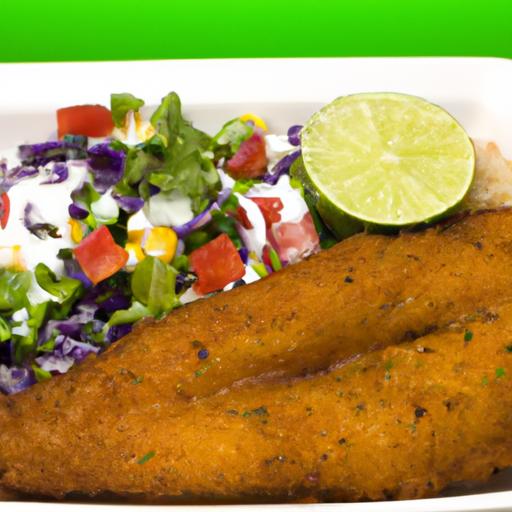
Crispy Delight,the quintessential experiance of tempura roll sushi,traces its vibrant roots back to the Edo period when Portuguese missionaries introduced frying techniques to Japan. This cultural fusion birthed tempura-a culinary gem that swiftly became a beloved staple in Japanese cuisine, celebrated for its light, airy crunch and versatile flavor. As a longtime enthusiast and stylist of Japanese culinary arts, I’ve discovered that tempura roll sushi is not onyl a feast for the palate but also a testament to the art of balance: the delicate interplay of texture, freshness, and precision. Let’s embark on a journey to master the perfect tempura roll, elevating your home kitchen creations into crispy works of art.
Prep and Cook Time
- Preparation: 25 minutes
- Cooking: 15 minutes
- Total: 40 minutes
Yield
Serves 4 (makes 8 pieces of tempura roll sushi)
Difficulty Level
medium – Ideal for sushi enthusiasts ready to explore frying techniques and sushi rolling
Ingredients
- For the Tempura Batter:
- 1 cup ice-cold water
- 1 large egg
- 3/4 cup cake flour (or low-protein flour),sifted
- 1/4 cup cornstarch
- Pinch of baking soda (optional,for extra crispiness)
- For the Tempura Roll:
- 2 cups sushi rice,cooked and seasoned with rice vinegar
- 4 sheets nori
- 8 oz fresh shrimp (peeled and deveined)
- 1 ripe avocado,thinly sliced
- 1 small cucumber,julienned
- 2 tbsp toasted sesame seeds
- Vegetable oil for deep frying (canola or light sesame oil)
- Soy sauce,pickled ginger,and wasabi for serving
instructions
- Prepare the Tempura Batter: In a bowl,lightly beat the egg with ice-cold water. Gently fold in the sifted cake flour, cornstarch, and baking soda. Be careful not to overmix; a few lumps are desirable to create that signature crisp texture.
- Heat the Oil: Fill a deep pan with vegetable oil to about 2 inches deep. Heat it to 350°F (175°C), using a thermometer for accuracy to avoid greasy or soggy tempura.
- Tempura Fry the Shrimp: Dust the shrimp lightly with flour, then dip into the batter, coating evenly. Fry shrimp in batches until golden and crisp, about 2-3 minutes. Drain on wire rack or paper towels.
- Prepare Sushi Ingredients: Lay a bamboo sushi mat on a clean surface. Place a nori sheet shiny side down. Wet your hands with water to prevent sticking, then spread a thin, even layer of sushi rice over the nori, leaving the top edge clear.
- Assemble the Roll: Arrange a row of tempura shrimp,avocado slices,and cucumber julienne horizontally on the rice side nearest to you. Sprinkle toasted sesame seeds over the top.
- Roll It Up: Using the bamboo mat, roll the sushi away from you, applying gentle but firm pressure to form a tight cylinder. allow the roll to rest for a minute,then slice into 8 pieces with a sharp,wet knife to prevent sticking.
- Plate with Style: Arrange your tempura rolls artistically on a serving plate. Garnish with pickled ginger and wasabi. Serve instantly with soy sauce for dipping to maintain that irresistible crispiness.
Chef’s Notes & Tips for Success
- Keep it Cold: The secret to airy tempura batter lies in using ice-cold water and minimal mixing to prevent gluten formation, ensuring a light crunch.
- Oil Temperature Matters: maintaining consistent oil heat at 350°F prevents oil absorption and keeps tempura crisp.
- Ingredient Variations: Swap shrimp for sweet potato or asparagus for a vegetarian-friendly tempura roll option.
- Rice Handling: Use freshly cooked, slightly cooled sushi rice to avoid stickiness when shaping the roll.
- Make Ahead: Prepare tempura shrimp in advance but fry immediately before assembling to keep that vibrant crunch.
Serving suggestions
To fully appreciate this crispy delight, serve your tempura roll sushi alongside a chilled glass of sake or crisp green tea. Garnish with finely chopped scallions and a sprinkle of shichimi togarashi for an added spicy kick.For a dramatic presentation, drizzle a spicy mayo or unagi sauce artistically over the rolls. Pair with a light seaweed salad or a bowl of clear miso soup to balance textures and flavors beautifully.
| Nutrient | Per Serving |
|---|---|
| Calories | 320 kcal |
| Protein | 18 g |
| Carbohydrates | 42 g |
| Fat | 8 g |
Mastering Sushi Rice: The Foundation of Every Perfect Roll offers a deeper dive into essential sushi skills. For even more ancient context about tempura’s rich heritage, consult this Britannica article on Tempura.

Q&A
Q&A: Crispy Delight-Exploring the Art of Tempura Roll Sushi
Q1: what exactly is tempura roll sushi?
A: Tempura roll sushi is a delightful fusion of traditional Japanese sushi and the light, crunchy goodness of tempura. Essentially,it’s sushi roll filled with ingredients like shrimp,vegetables,or fish that have been battered and deep-fried to golden perfection,delivering a crispy texture that contrasts beautifully with the tender rice and fresh fillings inside.
Q2: How did tempura become part of sushi?
A: While sushi dates back centuries in Japan, tempura was introduced by Portuguese missionaries in the 16th century.The marriage of these two culinary arts likely emerged from creative chefs experimenting with textures and flavors, resulting in the beloved tempura roll. This hybrid celebrates both the delicate artistry of sushi-making and the irresistible crunch of tempura frying.
Q3: What makes a tempura roll different from other sushi rolls?
A: The defining feature is the crispy, golden tempura batter coating. Unlike standard sushi rolls which are often raw or simply fresh, tempura rolls add a hot, crunchy layer achieved through frying, which transforms the eating experience into a play of textures-crisp exterior, soft and flavorful interior. This also adds a warm element, unlike typical cold sushi.
Q4: What are some popular ingredients used in tempura rolls?
A: Shrimp is the classic choice, offering sweetness and a satisfyingly firm bite. However, vegetables like sweet potato, asparagus, or even mushrooms are also beloved fillings. Sometiems, chefs get adventurous and include tempura-fried soft shell crab or fish, balancing the tempura crunch with creamy sauces or spicy mayo for extra flavor dimensions.
Q5: How do chefs achieve the perfect tempura batter for sushi rolls?
A: The secret lies in simplicity and temperature control. Traditional tempura batter combines cold water, ice cubes, flour, and sometimes a touch of egg, mixed just enough to create a lacy, airy coating. The batter must remain cold to keep it light, and the oil hot enough (around 350°F/175°C) to create a crisp shell that isn’t greasy or heavy.
Q6: Can tempura rolls be made at home?
A: Absolutely! with some patience and practice, you can recreate the magic of tempura rolls in your kitchen. Key tips include preparing fresh sushi rice, choosing your favorite fillings, mastering the tempura batter, and frying swiftly to avoid sogginess. rolling sushi at home adds a creative and fun experience-and the reward is tasting your very own crispy masterpiece.
Q7: What shoudl one pair tempura roll sushi with?
A: Tempura rolls pair wonderfully with light, refreshing drinks that cut through the richness. Green tea,sparkling sake,or a crisp white wine like Sauvignon Blanc complement the fried texture beautifully. Accompaniments like pickled ginger and a dab of wasabi also help cleanse the palate between bites.
Q8: Why has tempura roll sushi become so popular worldwide?
A: It’s the best of both worlds-combining sushi’s healthful, fresh ingredients and delicate technique with the universally loved crunch of fried food. This contrast appeals to a wide range of palates, making it a favorite among sushi newbies and aficionados alike. It’s elegant, satisfying, and a playful twist that invites exploration through every bite.
In essence, tempura roll sushi is a celebration of textures and flavors-where the art of tradition meets the thrill of innovation, creating a crispy delight that continues to captivate taste buds globally.
Future Outlook
As we wrap up our journey through the crisp,golden world of tempura roll sushi,it’s clear that this delightful fusion of texture and flavor is more than just a dish-it’s an art form. From the delicate balance of crunchy batter to the fresh, vibrant fillings tucked inside, every bite tells a story of culinary craftsmanship and cultural harmony. Whether you’re a seasoned sushi enthusiast or a curious newcomer, exploring the art of tempura rolls promises an adventure that tantalizes the senses and redefines what sushi can be. So next time you seek a crispy delight, remember: beneath that irresistible crunch lies a world of tradition and innovation waiting to be savored.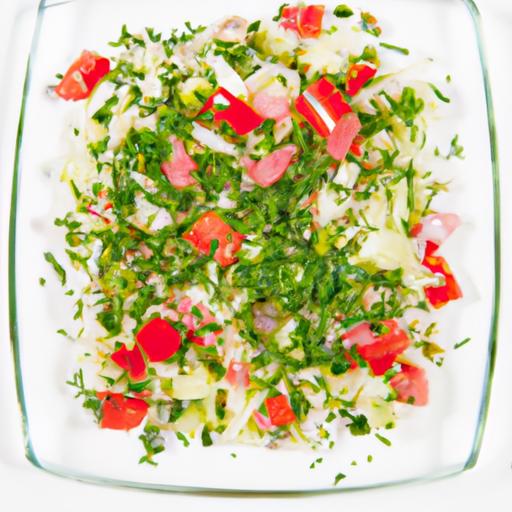
Tom Yum Soup is a vibrant emblem of Thai cuisine, bursting with an exquisite harmony of spicy, sour, and aromatic flavors that captivate food lovers worldwide.Originating from central Thailand,this iconic soup tells a story of cultural heritage where fresh herbs and bold ingredients come together to create unmatched complexity in every spoonful. Whether savored on bustling street corners or in elegant restaurants,tom yum soup remains a beloved dish that conjures the warmth and zest of Thai hospitality.
Prep and Cook Time
- Readiness: 15 minutes
- Cooking: 20 minutes
- Total: 35 minutes
Yield
Serves 4 generous portions
Difficulty Level
Medium – Perfect for home cooks ready to explore authentic Thai flavors
Ingredients
- 4 cups chicken or vegetable broth
- 300g shrimp, peeled and deveined
- 3 stalks fresh lemongrass, cut into 2-inch pieces and smashed
- 4 kaffir lime leaves, torn into pieces
- 3 slices galangal (or substitute with ginger if unavailable)
- 5 Thai bird’s eye chilies, smashed (adjust to taste)
- 200g straw mushrooms, halved
- 3 tbsp fish sauce
- 2 tbsp fresh lime juice
- 1 tsp palm sugar (or brown sugar)
- 2 cloves garlic, finely chopped
- Fresh cilantro and green onions, chopped for garnish
Instructions
- Infuse the broth: In a medium pot, bring the chicken broth to a boil. Add the lemongrass, kaffir lime leaves, and galangal. Let simmer gently for 10 minutes to allow the flavors to develop deeply.
- Flavor the soup: Add the Thai bird’s eye chilies,garlic,and mushrooms to the pot. Cook for 5 minutes until the mushrooms soften but still hold texture.
- Add the shrimp: Carefully place the shrimp into the simmering soup. Cook just until they turn pink and opaque, about 3-4 minutes, taking care not to overcook.
- Season and balance: Stir in the fish sauce, palm sugar, and fresh lime juice.Taste and adjust seasonings-adding more lime juice for sourness or chili for heat as desired. This balance is the heart of an authentic tom yum soup.
- Final touches: Remove from heat and discard the lemongrass, lime leaves, and galangal slices. Ladle into bowls, and garnish generously with chopped cilantro and green onions for a fresh, vibrant finish.
tips for Success
- Fresh ingredients are key. Lemongrass and kaffir lime leaves provide signature aromas that dried substitutes cannot fully replicate.
- Adjust heat gradually. Start with fewer chilies and add more if you prefer stronger spice.
- Use quality fish sauce. It’s a essential umami booster – opt for reputable brands for authentic depth.
- Make ahead: Prepare the infused broth base in advance and refrigerate. Add shrimp and fresh herbs when ready to serve.
- Substitutions: If shrimp is unavailable, chicken or tofu can be great alternatives without compromising flavor.
Serving Suggestions
serve tom yum soup steaming hot in rustic bowls accompanied by jasmine rice to mellow the intense flavors.Complement it with classic Thai dishes like Pad Thai or Thai green curry for a festive meal. For drinks, pair with an iced Thai tea or a crisp lager to balance the spiciness beautifully. Garnish with extra lime wedges and fresh herbs to invite your guests to tailor each bite.
Nutritional Information
| Nutrient | Per Serving |
|---|---|
| Calories | 180 kcal |
| Protein | 23 g |
| Carbohydrates | 7 g |
| Fat | 4 g |

Q&A
Q&A: Tom Yum Soup – Exploring thailand’s Spicy, Sour Delight
Q1: What exactly is Tom Yum Soup?
A1: Tom Yum is a famous Thai soup known for its vibrant combination of spicy, sour, and fragrant flavors.Traditionally made with fresh herbs like lemongrass, kaffir lime leaves, galangal, and fresh chilies, it’s a sensory explosion that perfectly balances heat, tanginess, and a touch of sweetness.
Q2: Where does the name “Tom Yum” come from?
A2: The name “Tom Yum” blends two Thai words: “Tom” means to boil, and “Yum” refers to a spicy and sour salad. Together, they describe a boiled soup that’s bursting with that signature sour and spicy taste.
Q3: What are the classic ingredients in Tom Yum Soup?
A3: Classic Tom Yum features broth infused with lemongrass stalks, galangal slices, kaffir lime leaves, fresh bird’s eye chilies, lime juice, fish sauce, and crushed chili paste. Protein is commonly shrimp (Tom Yum Goong), but you’ll also find chicken, mushrooms, or even mixed seafood versions.
Q4: What makes Tom Yum Soup so distinct from other soups?
A4: Tom Yum’s distinctiveness lies in its bold layering of flavors-sourness from lime juice, spiciness from chilies, earthiness from galangal, and an aromatic punch from lemongrass and kaffir lime leaves. The broth is clear but intensely flavorful,unlike creamier or meatier soups.
Q5: Is Tom Yum Soup always spicy?
A5: While Tom Yum traditionally leans into spiciness, the level can be adjusted according to taste. You can enjoy a mild version that still delights with acidity and aroma, or go full throttle on heat for the brave spice lovers.
Q6: How did Tom Yum Soup become so popular globally?
A6: Tom Yum’s irresistible flavor profile and healthy ingredients have captivated taste buds worldwide.Its rise in global popularity is tied to the growing appreciation for Thai cuisine’s balance of tastes, and Tom Yum epitomizes that balance in a single bowl.
Q7: Are there regional variations of Tom Yum in thailand?
A7: Absolutely! Northern and Southern Thailand have their own spins-some versions are richer with coconut milk (Tom Yum Nam Khon), while others stick to a clear broth. Ingredient availability and local palate preferences influence each variant, adding captivating diversity.Q8: Can Tom Yum Soup be made at home easily?
A8: Yes! With access to fresh herbs and a good recipe, Tom Yum is surprisingly approachable. Many home cooks cherish making it fresh as it’s quick, nourishing, and packs a flavorful punch that homemade versions tend to elevate beyond restaurant fare.
Q9: What’s the best way to enjoy Tom Yum Soup?
A9: Serve Tom Yum hot and fresh, ideally accompanied by steamed jasmine rice to balance the spiciness. Sipping the broth slowly allows you to savor its complexity, while juicy shrimp or tender chicken add texture and heartiness.
Q10: Does Tom Yum Soup have any health benefits?
A10: Yes, its ingredients like galangal and lemongrass have anti-inflammatory and digestive properties. The soup is low in fat but high in vitamins and antioxidants, making it a flavorful way to boost your health.
Tom Yum Soup is truly a magical meld of Thai culture, nature’s bounty, and culinary artistry-a bowlful of spicy, sour delight cherished around the world.
Future Outlook
As the final spoonful of Tom Yum Soup warms your senses,you’ve not only tasted a dish but also embraced a rich tapestry of Thai culture-where fiery spice meets tangy zest in perfect harmony. This iconic bowl invites you to savor more than just flavor; it offers a glimpse into Thailand’s vibrant culinary soul,crafted from tradition,fresh ingredients,and a dash of adventure. Whether you’re a seasoned foodie or a curious newcomer, Tom Yum is a delicious reminder that sometimes, the most memorable journeys begin with a single, unforgettable bite. So next time you crave a little heat and a lot of heart,let Tom Yum Soup be your flavorful guide to the tastes of Thailand.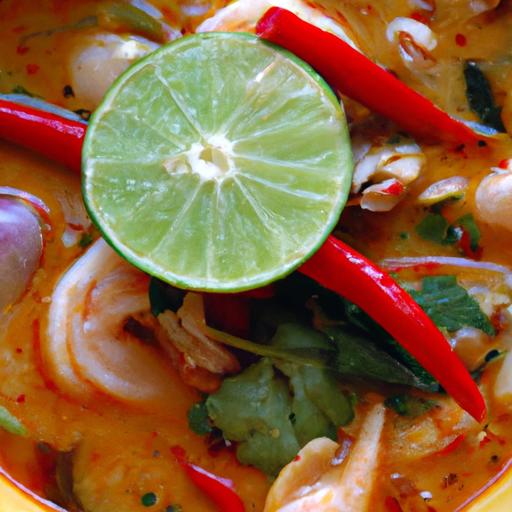
Savor the Flavors: Exploring Chinese Seafood Soup Traditions immerses you in a culinary journey brimming with history, vibrant tastes, and delicate craftsmanship. These soups have thrived through centuries, merging coastal bounty with time-honored techniques that elevate humble ingredients into soul-satisfying masterpieces. Whether it’s the briny sweetness of fresh crab or the silky texture of fresh scallops, each spoonful reveals a story of cultural pride and regional identity.
Prep and Cook Time
- Planning: 20 minutes
- Cooking: 40 minutes
- Total: 1 hour
Yield
Serves 4 hearty bowls
Difficulty Level
Medium – approachable for home cooks ready to explore traditional techniques
Key Ingredients to Celebrate chinese Seafood Soup Traditions
- 500g fresh white fish fillets (such as cod or sea bass), cut into bite-sized pieces
- 200g fresh shrimp, peeled and deveined
- 150g fresh scallops, cleaned
- 1 tbsp ginger, finely julienned
- 3 cloves garlic, minced
- 6 cups chicken or seafood broth, preferably homemade for richness
- 2 tbsp Shaoxing wine (or dry sherry)
- 2 tbsp soy sauce
- 1 tsp white pepper
- 1 tsp sesame oil
- 1 cup Napa cabbage, chopped
- 3 stalks spring onions, chopped
- Fresh cilantro, for garnish
- Salt, to taste
Step-by-Step Instructions for Authentic Chinese Seafood Soup
- Prepare your seafood carefully.</b Rinse the fish fillets, shrimp, and scallops under cold running water. Pat dry with paper towels. This reduces excess moisture, helping the seafood cook evenly and maintain firm textures.
- Sauté aromatics.</b Heat 1 tbsp vegetable oil in a pot over medium heat. Add julienned ginger and minced garlic. Sauté until fragrant, about 2 minutes. This step releases essential oils that deepen the broth’s flavor.
- Deglaze and build the broth.</b Pour in 6 cups of chicken or seafood broth, then add Shaoxing wine and soy sauce. Bring to a gentle simmer. This combination introduces complexity and umami that characterize Chinese seafood soups.
- Add vegetables and seasoning.</b Toss in chopped Napa cabbage and sprinkle white pepper. Allow it to simmer for 5 minutes to soften the greens and infuse the spiciness evenly.
- Cook the seafood carefully.</b Lower the heat to medium-low.Add fish pieces first, as they require slightly longer to cook, simmering for 4 minutes. Follow with shrimp and scallops, cooking another 3-4 minutes until opaque and tender. Avoid overcooking to preserve the silkiness and subtle saltiness of the seafood.
- Finish with sesame oil and fresh herbs.</b Turn off the heat and stir in sesame oil for a delicate, nutty aroma. Garnish generously with chopped spring onions and fresh cilantro right before serving.
Tips for Success: Mastering Chinese Seafood soup
- Use the freshest seafood possible; freshness is key to savor authentic flavors.
- For more depth, try simmering dried scallops or dried shrimp in your broth base.
- Adjust soy sauce cautiously; too much can overpower the delicate seafood taste.
- Feel free to add tofu cubes or glass noodles for a heartier finish.
- Make ahead by prepping broth and chopping ingredients; assemble and cook the soup just before serving for optimal freshness.
Serving Suggestions: Elevate Your Experience
Serve your seafood soup steaming hot in deep bowls with a side of fragrant jasmine rice or freshly steamed buns to soak up the luscious broth. Garnish with thin chili slices for warmth and a sprinkle of toasted sesame seeds for texture contrast.A crisp, chilled white wine or jasmine tea complements the subtle oceanic notes beautifully, creating a sensory balance to elongate the meal’s pleasure.

| Nutrient | Per Serving |
|---|---|
| Calories | 250 kcal |
| Protein | 30g |
| Carbohydrates | 8g |
| Fat | 6g |
For more appetizing Chinese recipes full of tradition and taste, explore our Classic Chinese Wontons article. To deepen your understanding of authentic broth-making, check this excellent resource from Serious Eats.
Q&A
Q&A: Savor the Flavors – Exploring Chinese Seafood Soup Traditions
Q1: What makes Chinese seafood soups unique compared to other seafood soups around the world?
A1: Chinese seafood soups are a harmonious blend of tradition, fresh ingredients, and meticulous technique.Unlike some Western seafood chowders that often rely on cream or butter, Chinese versions emphasize clear broths infused with the natural umami of seafood-shrimp, crab, fish, scallops-combined with herbal ingredients and delicate seasonings. This approach showcases the pure,vibrant essence of the sea while celebrating balance and nourishment.
Q2: Which regions in China are renowned for their seafood soup traditions?
A2: Coastal provinces like Guangdong, Fujian, and Zhejiang shine in seafood soup craftsmanship. Guangdong’s double-boiled soups are legendary for their silky clarity and rich depth from slow simmering of seafood with herbs.Fujian,famous for its light,aromatic broths,incorporates fermented fish sauces and unique local mushrooms. Meanwhile, Zhejiang delights with freshwater fish soups that reflect its riverine landscapes. Each region’s soup is a reflection of local waters, climate, and culture.
Q3: What role do ingredients like dried scallops and seaweed play in these soups?
A3: Ingredients such as dried scallops (conpoy) and seaweed serve more than flavor roles; they’re soul of the soup. Dried scallops add a profound umami, deepening the broth’s taste with sweet, briny notes, while seaweed introduces a subtle mineral freshness and smooth texture. together, they build layers of complexity often missing in simpler seafood soups, demonstrating how Chinese cooks elevate humble components into culinary poetry.
Q4: Can you describe the typical preparation methods for chinese seafood soups?
A4: Patience and technique define the cooking process. Many seafood soups start with simmering bones or shells to create a delicate seafood stock. Ingredients are carefully selected and added in stages to prevent overcooking; for example, tender shrimp or fish are added last to preserve texture. Slow double-boiling or gentle simmering preserves the clarity and extracts maximum flavor without clouding the broth. The result is a bowl that whispers stories of the ocean with every sip.
Q5: How are Chinese seafood soups typically enjoyed-are they everyday dishes or reserved for special occasions?
A5: While some simpler seafood soups can be part of everyday meals, many traditional Chinese seafood soups are celebratory dishes reserved for special family gatherings, festivals, or banquets. They symbolize prosperity, health, and togetherness. Offering such a soup is a gesture of respect and care, making the dining experience both nourishing and meaningful on a cultural level.
Q6: Are there any modern twists on traditional Chinese seafood soups gaining popularity today?
A6: Absolutely! Contemporary chefs are blending classic Chinese techniques with global influences-imagine a seafood soup incorporating Mediterranean herbs, or a Sichuan-style spicy seafood broth. Additionally,health-conscious diners inspire lighter versions with organic ingredients and enduring seafood. These innovations maintain respect for tradition while inviting adventurous palates to explore new depths of flavor.
Q7: what’s a simple tip for someone wanting to try making a Chinese seafood soup at home?
A7: Start with the broth-it’s the soul of the soup. Use fresh seafood shells or bones to simmer a clean stock, and avoid heavy seasoning early on. Let the natural flavors shine by adding delicate ingredients last and tasting frequently. Keep the cooking gentle to achieve that signature clarity and subtle complexity. And most importantly-approach it with patience and curiosity, savoring the process as much as the final bowl.
To Wrap It Up
As the last spoonful of broth warms your palate, it becomes clear that Chinese seafood soups are more than just a dish-they are a vibrant tapestry woven from centuries of tradition, coastal bounty, and culinary artistry. Each bowl tells a story of the sea’s generosity and the culture’s deep respect for flavor harmony and nourishment. Whether enjoyed in a bustling market or crafted in a home kitchen, these soups invite us to savor not only their rich, comforting tastes but also the heritage and passion simmering beneath the surface.So next time you seek a soulful culinary adventure, let a Chinese seafood soup guide you on a journey through waves of history and flavor, one delicious sip at a time.

Crunchy Delight: mastering Shrimp Tempura Sushi Rolls
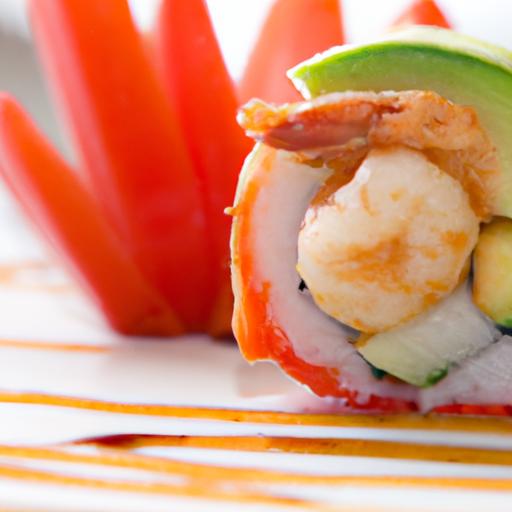
Crunchy delight has long been a favorite sensation in Japanese cuisine, especially when it comes to the irresistible allure of shrimp tempura sushi rolls.This masterpiece combines perfectly battered shrimp, tender sushi rice, and crisp seaweed to create a harmonious texture and flavor experience.Originating from traditional japanese cooking,the art of crafting shrimp tempura rolls has evolved into a culinary adventure that excites the senses and satisfies cravings with every bite.
Prep and Cook Time
- Preparation: 20 minutes
- Cooking: 10 minutes
- Total Time: 30 minutes
Yield
Serves 4 (makes approximately 8 sushi rolls)
difficulty Level
Medium
Ingredients
- Shrimp Tempura: 12 large shrimp, peeled and deveined, tails intact
- Tempura Batter: 1 cup ice-cold seltzer water, 1 cup all-purpose flour, 1 large egg
- Sushi Rice: 2 cups Japanese short-grain rice, rinsed and drained
- Rice Vinegar Mixture: 1/4 cup rice vinegar, 2 tbsp sugar, 1 tsp salt
- Nori Sheets: 8 full sheets of high-quality roasted seaweed
- Vegetables: 1 medium cucumber, julienned; 1 ripe avocado, thinly sliced
- Pickled Ginger, Wasabi, and Soy Sauce for serving
- Vegetable or canola oil: for deep frying
Instructions
- Prepare the Sushi Rice: Rinse the rice under cold water until the water runs clear to remove excess starch. Cook the rice according to package instructions or in a rice cooker for perfect texture.
- season the Rice: Warm the rice vinegar, sugar, and salt in a small saucepan until dissolved. Fold gently into the cooked rice with a wooden paddle, fanning the rice to cool and give it a shiny finish. cover and set aside.
- Make the Tempura Batter: In a bowl, whisk the egg lightly. Add ice-cold seltzer water, then sift in the flour and fold gently. The batter should be lumpy and cold-avoid overmixing to keep it airy and light.
- Heat Oil: In a heavy-bottomed pot or deep fryer, heat vegetable oil to 350°F (175°C). Use a thermometer for accuracy to ensure perfect crispness without absorbing excess oil.
- Fry the Shrimp: Pat shrimp dry. Dip each shrimp into the tempura batter, allowing excess to drip off.Carefully lower into hot oil and fry until golden and crunchy, about 2-3 minutes. Drain on paper towels.
- Assemble the Rolls: Place a bamboo rolling mat on a clean surface. Lay a nori sheet shiny side down. with wet hands, spread a thin, even layer of sushi rice across the nori, leaving 1 inch at the top free.
- Add Fillings: Arrange 3 tempura shrimp lengthwise along the centre of the rice. Layer cucumber and avocado slices alongside the shrimp for refreshing crunch and creaminess.
- Roll and Slice: Lift the edge of the mat and roll firmly but gently away from you, compressing the ingredients into a tight cylinder. Use a sharp, wet knife to slice into 8 equal pieces for neat, clean cuts.
- Serve Instantly: Present on a long platter garnished with pickled ginger, dollops of wasabi, and a small dish of soy sauce for dipping.
Tips for Success
- Keep the batter cold: Use ice-cold water and mix lightly to achieve an ultra-crisp coating.
- Oil temperature matters: Maintaining 350°F prevents soggy tempura while ensuring the shrimp cooks thru.
- Use short-grain rice: Its sticky texture is essential for sushi rolls that hold their shape perfectly.
- select quality nori sheets: Fresh, roasted nori offers the best aroma and snap, enhancing textural harmony.
- Try variations: Substitute tempura shrimp with tempura vegetables like sweet potato or asparagus for creative twists.
- Make-ahead: Cook and cool the rice and prepare the batter in advance; however, fry shrimp tempura just before rolling for optimal crunch.
Serving Suggestions
Place the shrimp tempura sushi rolls on a sleek slate or wooden board to highlight their golden crunch and vibrant fillings. Garnish with finely sliced scallions, toasted sesame seeds, or a drizzle of spicy mayo for an extra flavor boost. Pair with chilled sake or a crisp Japanese beer to round out the experience.
| Nutrition (per serving) | Amount |
|---|---|
| Calories | 410 kcal |
| Protein | 24 g |
| Carbohydrates | 48 g |
| Fat | 12 g |

For those passionate about exploring further, check our article on Perfect Sushi Rice Techniques to elevate your sushi skills even more. For detailed data on tempura frying science, visit the Serious Eats Tempura Guide.
Q&A
Q&A: Crunchy Delight – Exploring Shrimp Tempura Sushi Rolls
Q1: What exactly is a shrimp tempura sushi roll?
A: Imagine the perfect marriage of crispy and tender: shrimp, battered and deep-fried to golden perfection, wrapped snugly in vinegared rice and nori seaweed. This combination is the shrimp tempura sushi roll-a savory crunch nestled in every bite. It’s a harmonious balance of textures and flavors that sushi lovers rave about.
Q2: How did shrimp tempura make its way into sushi rolls?
A: Tempura itself is a Japanese culinary tradition introduced centuries ago, originally influenced by Portuguese cooking techniques. Shrimp tempura evolved as a favorite; its light, crispy batter complements the soft, sticky sushi rice beautifully. By integrating this crispy delight into sushi rolls, chefs created a dynamic dish that combines traditional Japanese tempura and modern sushi artistry.
Q3: What makes shrimp tempura rolls stand out from regular sushi rolls?
A: The defining factor is texture. Most sushi rolls focus on fresh, sometimes raw ingredients with smooth or tender textures. Shrimp tempura rolls surprise your palate with a satisfying crunch,layered over or inside the roll,adding an irresistible crispy dimension. plus, the warm, fried shrimp contrasts delightfully with cool rice and fresh vegetables, creating a multi-sensory eating experience.
Q4: Are shrimp tempura rolls always made the same way?
A: not at all! While the core-crispy shrimp-is consistent, there’s plenty of room for creativity. Rolls may incorporate avocado for creaminess, cucumber for cool crunch, spicy mayo for zest, or eel sauce for sweetness. Some chefs even place the tempura shrimp on top instead of inside,enhancing the visual appeal and texture variety.
Q5: How should one eat a shrimp tempura sushi roll to capture its full flavor?
A: For the ultimate experience, savor each bite at a relaxed pace. Dip lightly in soy sauce-too much can overpower the delicate shrimp tempura-and add a touch of wasabi or pickled ginger as desired. This allows the contrasting temperatures and textures to shine: warm crunch, cool rice, and savory accompaniments.
Q6: Is shrimp tempura sushi roll a healthy option?
A: Like most things flavorful, moderation is key. Shrimp tempura rolls contain deep-fried shrimp,which adds calories and fats compared to raw or steamed seafood sushi. However, balanced with fresh vegetables and eaten as part of a varied diet, it can certainly fit into a healthy lifestyle. also, using quality ingredients means more flavor with less need for heavy sauces.
Q7: Can shrimp tempura rolls be made at home?
A: Definitely! With some practice, you can create your own crunchy delight in your kitchen. The key lies in mastering the tempura batter-light, airy, and crisp-and properly frying the shrimp without greasiness. Combine with sushi rice, seaweed sheets, and your favorite fillings, and you’re on your way to homemade sushi magic.
Shrimp tempura sushi rolls are more than just a tasty treat-they’re a celebration of texture, flavor, and culinary fusion that continues to enchant sushi fans worldwide. Whether enjoyed at a high-end sushi bar or crafted at home, these crunchy delights offer a playful twist on traditional sushi that’s bound to satisfy cravings and spark curiosity.
To Conclude
As we reach the end of our crispy journey through the world of shrimp tempura sushi rolls, it’s clear that this delightful fusion of crunchy texture and delicate flavors holds a special place in the hearts of sushi lovers everywhere.Whether you’re a seasoned sushi connoisseur or a curious newcomer, the shrimp tempura roll offers a perfect harmony of savory shrimp, light batter, and vibrant accompaniments wrapped meticulously in vinegared rice and seaweed. So next time you crave a bite that balances tradition with a satisfying crunch, let the shrimp tempura sushi roll be your go-to masterpiece-a crunchy delight that promises both comfort and culinary adventure in every bite.
Sweet Harmony begins here, where the warm, comforting aroma of cinnamon buns fuses effortlessly with the crisp, juicy sweetness of apples.This beloved pairing reflects centuries of tradition, yet speaks anew to modern baking enthusiasts seeking that perfect balance between gooey indulgence and fresh fruit brightness. From rustic farmhouse kitchens to contemporary artisan bakeries, combining cinnamon’s spicy allure with apples’ tart crunch remains an irresistible culinary dance.
Prep and Cook Time
- Preparation: 30 minutes
- Rising and Resting Time: 1 hour 15 minutes
- Baking: 25-30 minutes
- Total Time: Approximately 2 hours
Yield
Makes 12 generously sized cinnamon apple buns
Difficulty Level
Medium – Best suited for bakers cozy with yeast dough and layering fillings
Ingredients
- For the dough:
- 4 cups all-purpose flour,sifted
- 1 packet (2 1/4 tsp) active dry yeast
- 1 cup warm whole milk (110°F/43°C)
- 1/3 cup granulated sugar
- 1/3 cup unsalted butter,melted
- 1 large egg,room temperature
- 1 tsp salt
- For the filling:
- 3 medium apples (see recommendations below),peeled and finely diced
- 1/2 cup packed brown sugar
- 2 tbsp ground cinnamon
- 1/4 cup unsalted butter,softened
- 1 tsp vanilla extract
- For the glaze:
- 1 cup powdered sugar
- 2 tbsp whole milk
- 1/2 tsp vanilla extract
Selecting the Best Apple Varieties to Enhance Your Cinnamon Bun Experience
Not all apples were created equal when it comes to complementing cinnamon buns. The ideal apple strikes a fine balance of tartness and sweetness with a firm texture that holds through baking.
- Granny Smith: Bright, tart, and sturdy, thay bring a pleasant contrast and maintain their shape beautifully.
- Honeycrisp: Juicy and sweet with just enough acidity, enhancing the cinnamon’s warmth.
- Pink lady: Crisp with a balanced sweet-tart punch; they add an elegant complexity.
Choose at least two varieties to layer flavors and textures that dance on the palate.
Instructions
- Activate yeast: In a small bowl,whisk warm milk with sugar and yeast. Let sit 5-10 minutes until frothy to ensure yeast is active.
- Make dough: In a large bowl, combine flour and salt. Add melted butter, egg, and yeast mixture. Stir until a shaggy dough forms. Knead on a floured surface for 8-10 minutes until smooth and elastic.
- First rise: Place dough in a lightly oiled bowl, cover with a damp cloth, and let it rise in a warm spot for 1 hour or until doubled in size.
- Prepare filling: In a medium skillet over medium heat, melt softened butter. Add diced apples, brown sugar, cinnamon, and vanilla extract. Sauté gently until apples soften but not mushy, about 5 minutes, stirring frequently. Remove and cool.
- Roll and fill: Punch down dough and roll it into a 16×12 inch rectangle on a lightly floured surface. Evenly spread the apple-cinnamon mixture over the dough.
- Form buns: Starting at the long edge,roll dough tightly into a log. Slice into 12 equal pieces using a sharp knife or dental floss for clean edges.
- Second rise: place buns cut-side up in a greased 9×13 inch pan. Cover and let rise another 30 minutes until puffy.
- Bake: preheat oven to 350°F (175°C). Bake buns for 25-30 minutes until golden brown and fragrant.If tops brown too fast, loosely cover with foil halfway through baking.
- Glaze: Whisk powdered sugar, milk, and vanilla until smooth. Drizzle generously over warm buns.
- Serve: Enjoy warm or at room temperature with a cup of spiced tea or coffee.
Tips for Success: Achieving Sweet Harmony
- Proof yeast carefully: Extremes of temperature kill yeast; aim for warm milk around 110°F/43°C.
- Don’t overload filling: Spread apple mixture thinly to avoid soggy buns while preserving flavor.
- Make ahead: Prepare dough and filling the night before; store dough refrigerated and bake fresh the next day for best texture.
- Customize spice blend: Add cardamom or nutmeg for a modern twist on the traditional cinnamon apple combo.
- Gluten-free option: Substitute a 1-to-1 gluten-free baking flour, but increase hydration slightly and handle dough gently as gluten-free doughs are more delicate.
Serving Suggestions
plate these cinnamon apple buns warm with a light dusting of powdered sugar for a rustic look. For added visual appeal and flavor contrast,garnish with:
- Thin apple slices lightly toasted with cinnamon sugar
- Fresh mint leaves for a pop of green and freshness
- A drizzle of caramel sauce or a side of vanilla bean ice cream for indulgence
- A sprinkle of toasted pecans or walnuts for crunch
These buns shine alongside a robust black tea or a spiced chai latte,highlighting their sweet and aromatic profile.

| nutrient | Per Serving (1 Bun) |
|---|---|
| Calories | 320 kcal |
| Protein | 5 g |
| Carbohydrates | 48 g |
| Fat | 10 g |
For those eager to deepen their recognition for baked delights, check out our thorough guide to mastering yeast doughs. For a scientific dive into the flavor compounds of apples and cinnamon, visit ScienceDaily’s article on apple-cinnamon flavor chemistry.
Q&A
Q&A: Sweet Harmony – Exploring the magic of Cinnamon Buns & Apples
Q1: What makes the combination of cinnamon buns and apples so enchanting?
A1: At first glance, cinnamon buns and apples might seem like simple, everyday treats. But when they come together, a magical alchemy unfolds. The warm, spicy notes of cinnamon perfectly complement the crisp, tart sweetness of apples, creating a flavor dance that’s both comforting and invigorating. It’s a pairing that awakens nostalgic memories and sparks new cravings-truly a sweet harmony for the senses.
Q2: How do apples enhance the traditional cinnamon bun experience?
A2: Apples add a juicy freshness to the dense, buttery layers of cinnamon buns. Their natural acidity cuts through the richness,balancing sweetness with bright,fruity tang. Additionally, baked apples become tender and caramelized, blending with cinnamon in a way that elevates every bite from merely tasty to unforgettable.
Q3: Are there particular apple varieties that work best with cinnamon buns?
A3: Absolutely. Crisp, slightly tart apples like Granny Smith, Honeycrisp, or Braeburn shine in this duo. their acidity keeps the flavor fresh and lively, preventing the bun from becoming overly sweet or heavy. Simultaneously occurring, softer apples like Fuji or Gala can be used for a sweeter, more mellow twist on the classic pairing.
Q4: Can cinnamon buns and apples be combined in different ways beyond a topping?
A4: The possibilities are deliciously endless! Apples can be folded directly into cinnamon bun dough for bursts of fruity surprise with every bite. Alternatively, an apple compote swirled into the cinnamon filling or a caramelized apple glaze drizzled atop buns creates layers of texture and flavor. Even apple cider reductions or spiced apple sauces can serve as lovely accompaniments.
Q5: What’s the secret to achieving the perfect balance between cinnamon and apple flavors?
A5: The key lies in moderation and harmony. Cinnamon’s warmth should enhance the apple’s brightness without overpowering it. Using fresh, quality ingredients and adjusting sweetness levels ensures that neither flavor dominates. Timing also matters-adding apples at the right stage during baking preserves their texture and flavor, allowing both elements to sing in concert.
Q6: Why do cinnamon buns and apples evoke such strong feelings of comfort?
A6: This duo taps into a primal love for warmth, spice, and fruitiness that’s deeply embedded in many culinary traditions. The aroma alone can transport you to cozy kitchens, family gatherings, or crisp autumn afternoons. It’s a sensory combination that feels like a hug in pastry form-familiar, soothing, and utterly delicious.
Q7: how can I incorporate this sweet harmony into my next baking project?
A7: Start by experimenting with your favorite cinnamon bun recipe-try adding finely diced apples into the filling or topping your finished buns with a spiced apple glaze. Consider pairing them with apple-infused teas or freshly pressed cider to enhance the experience. Embrace the layered textures and flavors, and let your creativity turn this classic couple into your new culinary muse.
Unlock the magic of cinnamon buns and apples, and let this timeless pairing sweeten your kitchen adventures with every bite!
Future Outlook
As the warm aroma of cinnamon buns mingles with the crisp, comforting scent of fresh apples, we’re reminded that some of life’s simplest pleasures hold the most enchanting magic. Whether enjoyed fresh from the oven or savored in a rustic apple tart, this timeless duo captures a sweet harmony that transcends seasons and cultures alike. Beyond their irresistible flavors, cinnamon and apples invite us to slow down, connect with tradition, and celebrate the little moments that make everyday life extraordinary. So next time you bite into that soft, spiced swirl or crisp, juicy slice, take a moment to appreciate the story baked into every bite-a fragrant dance of sweetness and spice, warmth and freshness, perfectly intertwined.