Lasagna soup beautifully captures the heartiness and layered flavors of traditional Italian lasagna, distilled into a soul-warming, cozy bowl. This inventive twist brings all the comforting elements-rich tomato broth, tender pasta, robust Italian sausage, and creamy cheeses-together in a way that’s faster to prepare and perfect for any season. Rooted in the rich culinary tradition of Emilia-Romagna, lasagna has long been celebrated for its multi-layered textures and indulgent taste. This soup version respects those origins while inviting home cooks to explore a vibrant, approachable interpretation of a classic favorite.
Prep and Cook Time
- Preparation: 15 minutes
- Cooking: 40 minutes
- Total: 55 minutes
Yield
Serves 6 hearty bowls
Difficulty Level
Easy to Medium – perfect for weeknights or casual entertaining
key Ingredients That Bring Traditional Lasagna Into a Cozy Bowl
- 1 lb Italian sausage, casings removed (mild or spicy depending on preference)
- 1 small onion, finely chopped
- 3 cloves garlic, minced
- 1 (28 oz) can crushed tomatoes
- 4 cups chicken broth, low sodium
- 8 lasagna noodles, broken into bite-size pieces
- 1 tbsp tomato paste for deep umami
- 1 tsp dried oregano and 1 tsp dried basil
- 1/2 tsp red pepper flakes (optional, adds subtle heat)
- Salt and freshly ground black pepper, to taste
- 1 cup ricotta cheese (for dolloping)
- 1 1/2 cups shredded mozzarella cheese
- 1/2 cup freshly grated Parmesan cheese
- Fresh basil leaves, chopped, for garnish
Step-by-Step Guide to crafting the Perfect Lasagna Soup
- Brown the sausage: Heat a large Dutch oven or heavy pot over medium heat.Add the Italian sausage, breaking it up with a wooden spoon. Sauté until browned and cooked through, about 6-8 minutes. Use a slotted spoon to transfer sausage to a plate, leaving rendered fat in the pot.
- Sauté aromatics: Add the chopped onion to the pot. Stir and cook until softened and translucent, about 5 minutes. Add the minced garlic and cook for another 1 minute until fragrant, stirring frequently to avoid burning.
- Build the broth: Stir in the tomato paste, cooking for 2 minutes to deepen the flavor. pour in the crushed tomatoes and chicken broth, then add oregano, basil, red pepper flakes, salt, and pepper. Return the cooked sausage to the pot.Bring the soup to a simmer.
- Cook the pasta: Once simmering, add the broken lasagna noodles.Cook according to package instructions, usually 8-10 minutes, or until al dente. Stir occasionally to prevent sticking.
- Cheese it up: Once noodles are tender,remove the pot from heat. Ladle soup into bowls and top each serving with a dollop of ricotta, a sprinkle of shredded mozzarella, and a dusting of Parmesan. Garnish with freshly chopped basil to add a luminous, herbaceous finish.
Tips for Customizing Your lasagna Soup to Suit Every Palate
- Vegetarian version: Swap sausage for sautéed mushrooms, zucchini, and bell peppers for a rich umami flavor and satisfying texture.
- Spice it up: Add extra red pepper flakes or a dash of hot Italian sausage for heat lovers.
- Make it gluten-free: Use gluten-free lasagna noodles or substitute with gluten-free pasta shapes.
- Cheese variations: Try adding dollops of mascarpone or swapping mozzarella with provolone for a creamier, sharper bite.
- Meal prep hacks: Prepare the broth and sausage mixture in advance and refrigerate. When ready, just cook the noodles and add cheese to serve fresh.
Serving Suggestions
Serve lasagna soup hot and steamy in deep bowls, paired with crunchy garlic bread or a simple green salad dressed with lemon vinaigrette. A drizzle of extra-virgin olive oil or balsamic glaze spritz elevates the presentation. For added texture and color, sprinkle toasted pine nuts or fresh microgreens on top.This dish also pairs beautifully with a medium-bodied red wine like Chianti or a sparkling lemon water garnish to balance the richness.
| Nutrient | Per Serving |
|---|---|
| Calories | 390 kcal |
| Protein | 28g |
| Carbohydrates | 30g |
| Fat | 18g |
For more Italian-inspired soups and comforting meals, check out our Italian Soup Recipes collection. To delve deeper into lasagna’s history, visit Encyclopedia Britannica’s lasagna article.

Q&A
Q&A: Lasagna Soup – A Hearty Twist on a Classic Italian Dish
Q1: What exactly is lasagna soup?
A1: Lasagna soup is a comforting, flavorful soup that captures all the beloved flavors of traditional Italian lasagna but in a warm, spoonable form. Instead of layers of pasta, meat, cheese, and sauce baked in a pan, these ingredients come together in a rich broth, turning the essence of lasagna into a luscious, hearty soup.
Q2: How did lasagna soup originate? Is it an authentic Italian recipe?
A2: Lasagna soup is more of a modern, creative American spin inspired by classic Italian cuisine rather than an authentic Italian dish. It embodies the spirit of lasagna but adapts it for those craving a cozy meal that’s easier and faster to prepare,especially suited for chilly evenings or when you want warmth in a bowl.
Q3: What are the key ingredients that make lasagna soup taste like lasagna?
A3: The magic lies in combining tomato sauce, Italian herbs (like basil and oregano), ground meat (often beef or sausage), garlic, onions, and cheese. Rather of layering noodles, broken lasagna sheets or other pasta shapes like mafaldine are cooked directly in the broth. fresh mozzarella or parmesan and sometimes ricotta add that signature creamy,cheesy finish.
Q4: Is lasagna soup tough to make?
A4: Not at all.One of the best things about lasagna soup is its simplicity. Most recipes involve browning the meat and aromatics, simmering with tomatoes and broth, then adding pasta to cook through. It’s a one-pot wonder that delivers big flavor with minimal fuss, perfect for both novice and experienced cooks.Q5: Can lasagna soup be customized for dietary preferences?
A5: Absolutely! You can swap out ground beef for ground turkey or Italian sausage, or go vegetarian by using mushrooms and lentils as meat substitutes. Gluten-free pasta works well too, and you can adjust the cheese or skip it entirely to suit lactose-free diets.The dish is versatile enough to accommodate many dietary needs without losing its essence.
Q6: How is lasagna soup typically served?
A6: Served hot, often garnished with fresh basil, a sprinkle of parmesan, and a dollop of creamy ricotta or melted mozzarella on top, lasagna soup is a meal in itself. Pair it with crusty Italian bread or garlic breadsticks for dipping, turning every spoonful into a satisfying experience reminiscent of classic lasagna.
Q7: Why has lasagna soup become popular?
A7: In a world where comfort food reigns supreme, lasagna soup answers the call for meals that bring warmth and nostalgia without the lengthy prep and cook time of baked casseroles. It’s a flavorful, cozy, and flexible dish that combines tradition with innovation-perfect for busy families or anyone craving a taste of Italy with a twist.
Q8: Can lasagna soup be frozen or stored for later?
A8: Yes! Lasagna soup actually freezes quite well. To keep the pasta from getting mushy, some recommend storing the pasta separately and adding it when reheating. Or else, the rich tomato-broth base and meat flavors remain intact, making it a convenient make-ahead meal.
Q9: Any tips for making the best lasagna soup?
A9: Use quality canned tomatoes and fresh herbs to elevate the flavors. Don’t forget to season each layer-salty, savory, herby-as you build the soup. Also, add pasta towards the end of cooking to avoid overcooking. And for that authentic cheesy touch, stir in or top with fresh mozzarella or ricotta right before serving.
Q10: Where can I find recipes for lasagna soup?
A10: Plenty of food bloggers, chefs, and culinary websites offer delicious lasagna soup recipes, often with slight variations-from creamy versions to spicier takes.Look for recipes that match your taste preferences, and don’t be afraid to experiment-after all, that’s the beauty of this hearty twist on a classic!
In Conclusion
As the steam rises from your bowl and the rich aromas of tomato, pasta, and melted cheese mingle in the air, it’s clear that lasagna soup is more than just a meal-it’s a comforting embrace in a bowl. This hearty twist on a classic Italian favorite captures the essence of lasagna while inviting you to savor it in a fresh,cozy way. Whether you’re seeking a quick weeknight dinner or a soul-soothing dish to share with loved ones, lasagna soup delivers all the flavors and warmth you crave. So next time hunger strikes, remember: sometimes the best way to honor tradition is by stirring up something delightfully new. Buon appetito!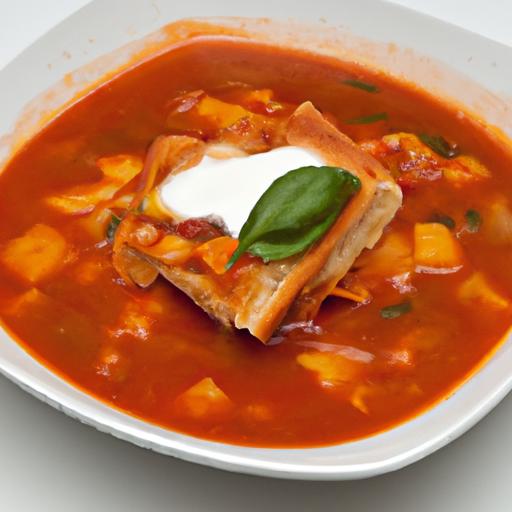
Alfredo pizza invites a delightful departure from conventional tomato-based pies, boasting a luscious, creamy base that honors the classic Italian Alfredo sauce while reimagining it on a pizza canvas. This unique dish marries velvety cheeses and rich cream with freshly made dough, creating a perfect balance between indulgence and authenticity. Its roots trace back to the beloved fettuccine Alfredo, where simplicity and quality ingredients shine, inspiring a pizza that’s equally comforting and refined.
Prep and cook Time
- Readiness: 20 minutes
- Dough Rising: 1 hour 30 minutes
- Cooking: 12-15 minutes
- Total time: Approximately 2 hours
Yield
Serves 4 generous slices (about 2-3 servings)
Difficulty Level
Medium – perfect for home cooks looking to elevate pizza night with creamy, gourmet flavors.
ingredients
- For the Dough:
- 2 ½ cups all-purpose flour, sifted
- 1 tsp active dry yeast
- 1 tsp sugar
- ¾ cup warm water (110°F / 43°C)
- 1 tbsp olive oil
- 1 tsp sea salt
- For the Alfredo Sauce:
- 1 cup heavy cream
- 4 tbsp unsalted butter
- 1 cup freshly grated Parmigiano-Reggiano cheese
- 1 garlic clove, minced
- Salt and freshly ground black pepper, to taste
- Toppings:
- 1 ½ cups shredded mozzarella cheese (preferably whole milk)
- ½ cup shredded fontina cheese
- Freshly chopped parsley or basil leaves, for garnish
- Cracked black pepper and a drizzle of extra virgin olive oil (optional)
Instructions
- Prepare the dough: In a small bowl, dissolve yeast and sugar in warm water, letting it bloom for about 5-7 minutes until foamy. In a large bowl, combine sifted flour and salt. Slowly add the yeast mixture and olive oil, mixing until a rough dough forms.
- Knead the dough: Transfer the dough to a lightly floured surface and knead for 8-10 minutes until it’s smooth and elastic. Place it in an oiled bowl, cover with a damp cloth, and let rise in a warm spot for 1 hour or until doubled in size.
- Make the Alfredo sauce: While the dough rises, melt butter in a saucepan over medium heat. Add minced garlic and sauté briefly until fragrant, about 30 seconds. Slowly stir in heavy cream and bring to a gentle simmer, stirring frequently enough.
- Remove from heat and whisk in Parmigiano-Reggiano cheese until melted and sauce thickens. Season with salt and pepper to taste. Keep warm.
- Preheat your oven: Set your oven to 475°F (245°C). If using a pizza stone, place it inside to heat as well.
- Shape the dough: Punch down the risen dough and roll out on a floured surface into a 12-inch circle. Transfer to a parchment-lined pizza peel or baking sheet.
- Assemble the pizza: Generously spread the warm Alfredo sauce over the dough,leaving a small border around the edges. Evenly sprinkle the shredded mozzarella and fontina cheeses atop the sauce.
- Bake: Slide the pizza onto the preheated stone or directly place the baking sheet in the oven. Bake for 12-15 minutes until the crust is golden and the cheese bubbles with delicate browning.
- Finishing touches: Remove from oven and garnish with freshly chopped parsley or basil. Add cracked black pepper and a drizzle of extra virgin olive oil for a nuanced flavor boost.
- Serve immediately: Slice and enjoy the creamy richness paired with the perfectly baked crust.
Tips for Success
- cheese Choice Matters: Using a blend of mozzarella and fontina cheeses adds meltability and depth. For a sharper bite, mix in a touch of pecorino romano.
- Sauce Consistency: Keep your Alfredo sauce slightly thinner than for pasta – it should spread easily without overpowering the dough.
- Dough Handling: Resist over-flouring your surface; a light dusting prevents sticking but preserves dough elasticity, giving you a tender crust with crisp edges.
- Make Ahead: Prepare the dough and Alfredo sauce up to a day in advance. Store dough wrapped in plastic in the fridge, and gently reheat sauce with a splash of cream before assembling.
- Customization: Add prosciutto, sautéed mushrooms, or caramelized onions for extra layers that complement the creamy Alfredo base without masking it.
Serving Suggestions
Pair this rich Alfredo pizza with a fresh, peppery arugula salad tossed in lemon vinaigrette for a light contrast. For a sophisticated touch, serve with a chilled glass of dry white wine like Pinot Grigio or vermentino. Garnishing with microgreens or edible flowers adds a visual pop that enhances the creamy, golden pizza experience – perfect for impressing diners with both taste and presentation.
| Nutrient | Per Serving (1/3 pizza) |
|---|---|
| Calories | 420 kcal |
| Protein | 18 g |
| Carbohydrates | 38 g |
| Fat | 22 g |

For a deeper dive into homemade pizza dough techniques or exploring cheese pairings, check out our related articles. To enrich your Alfredo sauce knowledge, visit Serious Eats’ Alfredo sauce guide.
Q&A
Q&A: Alfredo Pizza – A Creamy twist on Classic Italian Flavor
Q1: What exactly is Alfredo Pizza?
A: Alfredo Pizza is a delightful fusion that marries the rich, creamy essence of traditional Alfredo sauce with the beloved, crispy canvas of classic pizza. Rather of the usual tomato base, this pizza features a luscious white sauce made from butter, heavy cream, and Parmesan cheese, delivering a smooth and savory experience that elevates italian comfort food to new heights.
Q2: how did Alfredo sauce become a pizza topping?
A: Alfredo sauce originated in early 20th-century Rome,created by Alfredo di Lelio to comfort his wife with a simple pasta dish. Over time, creative chefs began experimenting, recognizing that the sauce’s velvety texture and cheesy depth could perfectly complement pizza’s doughy foundation.This innovative twist allows pizza lovers to enjoy a fresh alternative to traditional red sauce without losing that quintessential Italian flair.
Q3: What toppings pair best with Alfredo Pizza?
A: Because Alfredo sauce is rich and creamy, toppings that add texture and bursts of flavor work beautifully. Think tender grilled chicken, crispy bacon, sautéed mushrooms, fresh spinach, roasted garlic, or caramelized onions. These ingredients bring balance, injecting savory, earthy, and slightly sweet notes that harmonize with the creamy white sauce for a multi-layered gastronomic delight.
Q4: Is Alfredo Pizza a healthier option compared to traditional tomato-based pizzas?
A: While Alfredo Pizza offers a luxurious and creamy bite, it’s generally richer in fat and calories due to the heavy cream and butter in the sauce. Though, you can lighten it up by using lighter cream alternatives, low-fat cheeses, or by loading the pizza with nutrient-packed veggies. Moderation is key, but either way, it’s a wonderfully indulgent treat worth savoring.
Q5: Can Alfredo Pizza be made at home easily?
A: Absolutely! Making alfredo Pizza at home is both fun and accessible. Start by preparing a quick alfredo sauce-melting butter, whisking in cream and Parmesan until creamy and smooth. Spread it over your favorite pizza dough, add toppings, then bake until golden and bubbly. The result? A restaurant-style experience that’s customizable and perfect for sharing.
Q6: What makes Alfredo Pizza stand out in a crowded pizza market?
A: Alfredo Pizza’s charm lies in its unexpected creamy twist that breaks from the conventional tomato-centric mold. its luxurious sauce creates a comforting but sophisticated flavor profile that appeals to those seeking novelty without sacrificing the heartiness of classic Italian cuisine. It’s the perfect example of culinary innovation grounded in tradition, proving that sometimes, a little white sauce can go a long way.
Q7: Where can I try authentic Alfredo Pizza?
A: While not as ubiquitous as classic margherita or Pepperoni, many artisanal pizzerias and Italian bistros now feature Alfredo Pizza on their menus, especially those celebrating regional Italian twists or gourmet creations. If you’re adventurous, local eateries specializing in fusion or gourmet pies are great starting points. Or better yet-try making your own to experience the creamy magic firsthand!
To Conclude
Whether you’re a devoted traditionalist or an adventurous foodie, Alfredo pizza offers a luscious, creamy twist that reimagines classic Italian flavors in a delightfully unexpected way. This rich,velvety sauce brings a new dimension to the beloved pizza canvas,proving that innovation and tradition can truly coexist on one flavorful slice.So next time you crave a taste of Italy, consider indulging in Alfredo pizza-a flavorful journey that celebrates the comforting allure of cream, cheese, and culinary creativity all baked to perfection.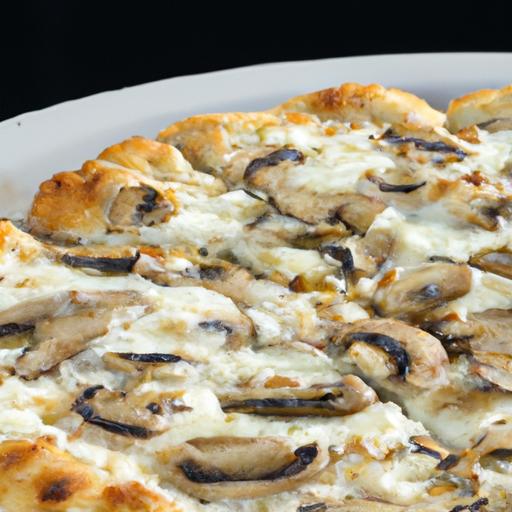
Delicious Gluten-Free Lasagna brings the comforting warmth of conventional Italian comfort food into a realm that welcomes everyone, nonetheless of dietary restrictions. using thoughtfully chosen gluten-free ingredients ensures every bite is bursting with authentic flavour while maintaining the beloved textures you expect from this classic dish. This recipe transforms the ordinary into extraordinary, marrying rich, creamy layers with a perfect balance of freshness and savoriness.
Prep and Cook Time
- Planning: 30 minutes
- Cooking: 50 minutes
- Total Time: 1 hour 20 minutes
Yield
Serves 6 hearty portions
Difficulty Level
Medium
ingredients
- Gluten-Free Lasagna Sheets: 12 sheets (store-bought or homemade)
- Ground Italian Sausage: 1 lb (mild or spicy, based on preference)
- Olive Oil: 2 tbsp, extra virgin
- yellow onion: 1 medium, finely chopped
- Garlic Cloves: 3, minced
- Crushed Tomatoes: 28 oz can, preferably San Marzano
- Tomato Paste: 2 tbsp
- Fresh Basil: ½ cup, chopped
- Dried Oregano: 1 tsp
- Salt and Pepper: To taste
- Ricotta Cheese: 15 oz
- Mozzarella Cheese: 2 cups shredded, whole milk
- Parmesan Cheese: 1 cup, freshly grated
- Egg: 1 large
- Whole Milk: 1 cup (for ricotta mixture)
- Fresh Spinach: 4 cups, roughly chopped
- Nutmeg: A pinch (optional)
- Fresh Parsley: For garnish
Choosing the Perfect Gluten-Free Ingredients for Authentic Flavor
Opt for gluten-free lasagna sheets made from rice, corn, or a blend that offers pliability and absorbs sauces well-key elements for an authentic lasagna experience. Dainty but sturdy,these noodles cradle each layer,so your sauce and cheese can shine without crumbling. When selecting canned tomatoes,choose those labeled “San Marzano” for their balanced acidity and mild sweetness,creating a rich,natural base for the sauce.High-quality cheeses, especially fresh ricotta and whole milk mozzarella, deepen the dish’s creaminess and richness without overwhelming the palate.
Crafting the Ideal Sauce and Cheese Blend for Richness
Begin by sautéing finely chopped onions and minced garlic until translucent and fragrant, about 5 minutes, then brown the ground sausage, infusing the sauce with savory depth.Incorporate the crushed tomatoes slowly, simmering the sauce for 30 minutes to marry the flavors; a spoonful of tomato paste enhances thickness subtly. The cheese filling blends ricotta, egg, and milk, gently whipped to a smooth consistency with a whisper of nutmeg to elevate its dimension. Mozzarella and parmesan are layered generously, melding into a golden, bubbly crust that signifies dessert-worthy indulgence.
Layering Techniques to Achieve Perfect Texture and Balance
Achieving that ideal texture starts with layering thoughtfully. Spread a thin layer of sauce on the bottom of your baking dish to prevent sticking. Lay down the first set of gluten-free noodles carefully,overlapping slightly for stability. Next, dollop and gently spread the ricotta mixture, followed by a shower of sautéed spinach for freshness and nutrients. Spoon a generous helping of meat sauce next,then sprinkle shredded mozzarella and parmesan. Repeat layers until ingredients are tired, finishing with a final blanket of cheese to guarantee a golden, bubbling finish. This method ensures every forkful delivers a harmonious balance of creamy, meaty, and tender bites.
Creative Toppings and Serving Suggestions for an Elegant Presentation
To elevate your lasagna visually and taste-wise, finish with a sprinkle of finely chopped fresh basil and parsley right before serving. Add a light drizzle of high-quality extra virgin olive oil and a few cracked black peppercorns for that artisanal touch. Consider garnishing with roasted grape tomatoes or a handful of toasted pine nuts for an unexpected crunch and pop of color. Serve with a crisp side salad of arugula, shaved fennel, and lemon vinaigrette to brighten the meal. For wine lovers, a medium-bodied Chianti perfectly complements the savory richness without overpowering the delicate gluten-free textures.
Instructions
- Prepare the sauce: Heat olive oil in a large skillet over medium heat.Sauté onions until translucent, about 5 minutes. Add garlic and cook another 1 minute.
- Add the Sausage: Crumble ground sausage into the pan. Cook until browned and no longer pink, about 7 minutes, stirring occasionally.
- Simmer the Sauce: Stir in crushed tomatoes, tomato paste, basil, oregano, salt, and pepper. Reduce heat and let simmer uncovered,stirring occasionally,for 30 minutes to deepen the flavor.
- Prepare the Cheese Mixture: In a mixing bowl, combine ricotta, egg, milk, a pinch of nutmeg, and half the parmesan. Whisk until creamy and smooth.
- Blanch the Spinach: Bring a pot of water to a boil. Add spinach and blanch for 1 minute, then drain and pat dry to remove excess moisture.
- Preheat Oven: Set to 375°F (190°C).
- Assemble the Lasagna: Lightly grease a 9×13-inch baking dish. Spread a thin layer of sauce. Lay down 3 gluten-free noodles. Spread half the ricotta mixture,scatter half the spinach,add one-third of the meat sauce,and sprinkle with mozzarella and parmesan.
- Repeat Layers: Add another noodle layer and repeat layers, ending with noodles topped with sauce and remaining mozzarella and parmesan.
- bake: Cover loosely with foil and bake for 35 minutes. Remove foil and bake an additional 15 minutes until cheese is golden and bubbling.
- Rest and Garnish: Let rest for 15 minutes before slicing. Garnish with fresh parsley and basil.
Chef’s Notes: Tips for Success
- Soften the noodles: If your gluten-free lasagna sheets are brittle, briefly soak them in warm water before layering for easy handling.
- Make-ahead: Assemble the lasagna a day before and refrigerate. Bake it fresh to maintain a perfect texture and flavor depth.
- Substitutions: Swap sausage for ground turkey or plant-based meat for a lighter or vegetarian version.
- Prevent watery layers: Ensure spinach is well-drained; excess moisture can make the dish soggy.
- Extra richness: Stir a spoonful of mascarpone into the ricotta mixture for unparalleled creaminess.
Serving Suggestions
Present each slice on a warm plate garnished with a sprinkle of fresh herbs. Pair with a simple green salad dressed in lemon vinaigrette or roasted seasonal vegetables like asparagus or zucchini. A crisp glass of Chianti or a light sparkling water with lemon rounds out this meal beautifully.For an elegant final touch, serve with crusty gluten-free garlic bread brushed with herb-infused olive oil.

| Nutrient | Per Serving |
|---|---|
| Calories | 420 kcal |
| Protein | 28 g |
| Carbohydrates | 30 g |
| Fat | 22 g |
For more tips on perfecting Italian classics, check our Gluten-Free Italian Pasta Recipes. To learn more about the nutritional advantages of gluten-free diets, visit Celiac Disease Foundation.
Q&A
Q&A: Delicious Gluten-Free Lasagna – A Savory Twist on Tradition
Q1: What makes gluten-free lasagna different from traditional lasagna?
A1: The key difference lies in the pasta. Traditional lasagna uses wheat-based noodles packed with gluten, which gives them their signature chewy texture. Gluten-free lasagna swaps those for noodles made from alternative flours-like rice, corn, or chickpea flour-crafting a dish that’s just as hearty and tempting, but safe for those with gluten sensitivities or celiac disease. It’s a culinary transformation without sacrificing flavor or comfort.
Q2: Can gluten-free lasagna be as flavorful as its traditional counterpart?
A2: Absolutely! Flavor comes from the quality and combination of ingredients, not just the noodles.By layering rich tomato sauce, lush cheese blends, fresh herbs, and savory fillings like spinach, mushrooms, or ground meat, gluten-free lasagna becomes a symphony of tastes. In fact,some chefs argue that going gluten-free encourages creativity,leading to exciting,new flavor profiles that put tradition in a delicious new light.
Q3: What are some popular gluten-free noodles used in lasagna recipes?
A3: Popular gluten-free noodles include those made from rice flour, corn flour, quinoa, and even lentils or chickpeas. Each brings its own subtle flavor and texture. For example, rice noodles offer a mild backdrop that lets your sauce shine, whereas chickpea or lentil noodles add a nutty depth and an extra protein boost. Many cooks also experiment with thinly sliced vegetables like zucchini or eggplant as natural, grain-free “noodles.”
Q4: Are ther any special tips for preparing gluten-free lasagna?
A4: Yes! Gluten-free noodles frequently enough require gentle handling; some are delicate and may crack if overcooked. It’s best to follow package instructions closely and sometimes prepare noodles separately before assembling. Additionally,layering is crucial-use enough sauce to keep noodles moist,and don’t skimp on cheese,which helps bind the layers. Letting the lasagna rest after baking allows it to set and makes slicing easier.Q5: Who will enjoy gluten-free lasagna?
A5: While it’s a lifesaver for those with gluten intolerance or celiac disease, gluten-free lasagna appeals to anyone seeking a lighter or more nutrient-dense alternative to traditional pasta dishes. It’s perfect for adventurous home cooks and food lovers eager to explore new textures and tastes without compromising on comfort food nostalgia.
Q6: how can I add a creative twist to my gluten-free lasagna?
A6: The fun lies in customization! swap out classic tomato sauce for a creamy béchamel or a pesto layer.mix in seasonal veggies, experiment with different cheese combos like ricotta and smoked mozzarella, or add bold spices like smoked paprika or fresh rosemary. For a special occasion, top your lasagna with toasted pine nuts or drizzle balsamic glaze just before serving. The gluten-free canvas invites endless savory artistry.
Q7: Is gluten-free lasagna healthier than traditional lasagna?
A7: Gluten-free doesn’t inherently mean healthier,but it often involves alternative ingredients that can be more nutrient-rich-think legumes or vegetable-based noodles,which add fiber,protein,and vitamins. However, balance is key: rich cheeses and sauces are still calorie-dense. When crafted thoughtfully, gluten-free lasagna can be both nourishing and satisfying.
this Q&A explores the delicious world of gluten-free lasagna, blending tradition with innovation. Whether you’re gluten-sensitive or just eager to try a new culinary adventure, this dish promises a savory twist you’ll love with every bite.
Key Takeaways
Whether you’re navigating gluten sensitivities or simply eager to explore new culinary horizons, this delicious gluten-free lasagna proves that tradition and innovation can deliciously coexist. By swapping out the usual pasta for wholesome alternatives and layering in rich, savory flavors, you can enjoy a classic comfort dish without compromise. So next time you crave a hearty meal that honors the past while embracing the present, remember that a gluten-free twist on lasagna is not just possible-it’s irresistibly delightful. Dive in, savor every bite, and let this recipe become a new favorite in your kitchen repertoire.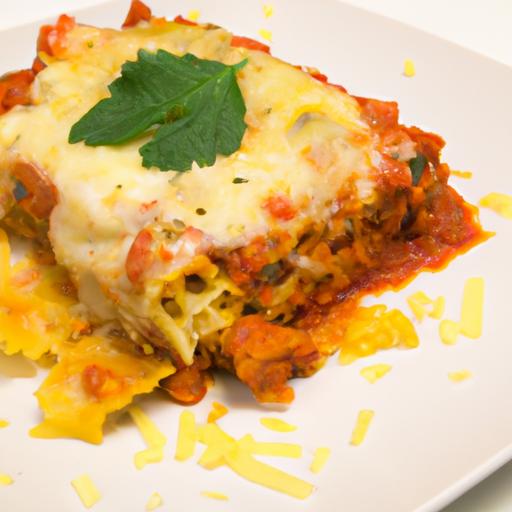
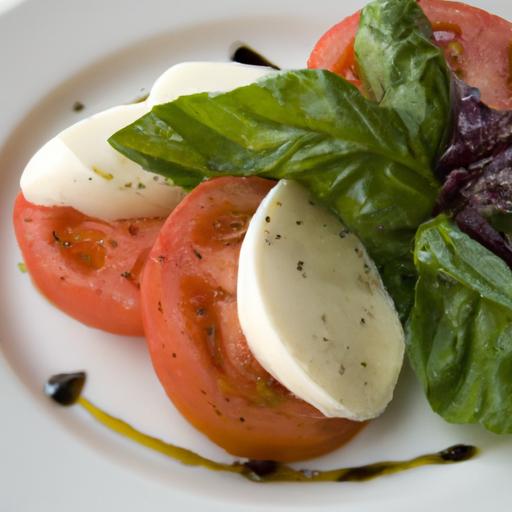
Caprese Salad instantly conjures the vibrant colors and bold simplicity of Italian cuisine. This fresh, flavorful dish features a harmonious melody of ripe tomatoes, creamy mozzarella, fragrant basil, and a drizzle of olive oil, creating a celebration of textures and tastes. Originating from the sun-drenched island of Capri, it embodies the essence of summer and is a timeless crowd-pleaser beloved worldwide.
Prep and Cook Time
- Planning: 15 minutes
- cook Time: 0 minutes (no cooking required!)
Yield
Serves 4 as a refreshing appetizer or side
Difficulty Level
Easy – Perfect for both beginners and seasoned cooks
Ingredients that Bring Caprese Salad to Life
- 3 large ripe heirloom tomatoes, sliced thick for the juiciest layers
- 8 oz fresh buffalo mozzarella, torn or sliced
- 1 cup fresh basil leaves, whole and vibrant green
- 3 tablespoons extra virgin olive oil, cold-pressed for a fruity finish
- 2 teaspoons aged balsamic vinegar, for a sweet tang
- Sea salt flakes and freshly ground black pepper, to taste
- Optional: A handful of arugula or baby spinach to add peppery undertones
Mastering the Art of layering for Perfect Flavor Balance
- Begin by arranging a slice of tomato on your platter; the base layer sets the juicy foundation.
- follow with a slice or torn piece of fresh mozzarella placed directly atop the tomato to marry creaminess with acidity.
- Place a fresh basil leaf between the layers or scattered on top to infuse herbal brightness.
- Repeat this pattern – tomato, mozzarella, basil – until all your ingredients are layered, creating a colorful and inviting mosaic.
- Drizzle the olive oil gently over the arranged salad, allowing it to seep into the crevices.
- Add a light splash of balsamic vinegar for complexity and subtle sweetness.
- finish with a sprinkle of sea salt flakes and cracked black pepper to enhance each component’s natural flavor.
creative Variations to Elevate Your Caprese Experience
- Play with heirloom tomato varieties-such as yellow striped or purple Cherokees-to elevate both color and taste.
- Add a layer of thinly sliced avocado for buttery richness that contrasts the acidity of tomatoes.
- Swap buffalo mozzarella for burrata to intensify creaminess and decadence.
- Infuse olive oil with chili flakes or garlic for a subtle kick and aromatic depth.
- Incorporate toasted pine nuts or walnuts for added crunch and a nutty twist.
- For a modern touch, present your Caprese salad on skewers for easy serving at parties or picnics.
Serving Suggestions and Pairings for Every Occasion
Serve your Caprese Salad chilled or at room temperature for best flavor expression. Garnish with a few whole basil sprigs and a light grind of black pepper for a stunning presentation. This salad shines as an elegant starter with crusty artisanal bread or alongside grilled seafood and light white wines such as Pinot Grigio or Vermentino.
For a casual summer lunch, pair with a chilled glass of sparkling water infused with lemon and fresh mint. Hosting a garden party? Elevate the experience by arranging caprese alongside a charcuterie board featuring prosciutto, olives, and marinated vegetables.

Chef’s Tips for Success
- Use the freshest ingredients possible; the simplicity of the recipe makes each component critical.
- Slice tomatoes just before serving to avoid excess moisture diluting the salad.
- If possible, let the salad rest for 5-10 minutes after assembly to allow flavors to meld beautifully.
- Feel free to prepare your salad layers on a large wooden board or platter for a rustic,authentic feel.
- To make ahead,keep ingredients separate and combine shortly before serving to maintain texture and freshness.
| Nutrient | Per Serving |
|---|---|
| calories | 220 kcal |
| Protein | 12g |
| Carbohydrates | 5g |
| Fat | 17g |
Discover other fresh salads to excite your palate by visiting our Fresh Summer Salads. For history buffs and food lovers seeking authentic Italian recipes, the origin of Caprese Salad offers fascinating insight into this iconic dish.
Q&A
Q&A: Caprese Salad – A Fresh Twist on a Classic italian Favorite
Q1: What exactly is a traditional Caprese salad?
A: Originating from the sun-soaked island of Capri, the classic Caprese salad is simplicity at its finest. It features ripe, juicy tomatoes, creamy fresh mozzarella, fragrant basil leaves, a drizzle of extra virgin olive oil, and a sprinkle of salt and pepper. Sometimes a splash of balsamic vinegar is added, but the beauty lies in the minimal ingredients that celebrate freshness and balance.
Q2: Why is Caprese salad considered an icon of Italian cuisine?
A: The Caprese salad embodies the Italian culinary ideology: using just a handful of high-quality ingredients to create vibrant, harmonious flavors. It’s more than a dish-it’s a celebration of Italy’s summer bounty and a visual tribute with its red, white, and green resembling the Italian flag. it’s easy, elegant, and endlessly refreshing.
Q3: What are some creative twists chefs are adding to this classic?
A: Modern takes on Caprese often play with texture,presentation,and nuances of flavor. Think grilled peaches or watermelon slices replacing tomatoes for a sweet variation, burrata rather of mozzarella for extra creaminess, or a sprinkle of toasted pine nuts for crunch. Some add a splash of flavored olive oil or infuse the dish with herbs like mint or oregano to elevate freshness.
Q4: Can Caprese salad be adapted for special diets?
A: Absolutely! For a vegan twist, try dairy-free mozzarella made from cashews or almonds. For a low-carb or keto-kind option, just stick to the core ingredients-tomatoes, basil, olive oil, and vegan cheese. It’s naturally gluten-free and can be easily customized to fit many dietary needs without losing its soul.
Q5: What’s the best way to serve Caprese salad?
A: Serve Caprese salad chilled or at room temperature to let the flavors fully bloom. It’s perfect as a light appetizer, a side dish to grilled meats, or even layered on a crusty baguette for an open-faced sandwich. Presentation matters too-arranging the ingredients in neat layers or playful stacks makes it as pleasing to the eye as it is indeed to the palate.
Q6: Any tips for selecting the perfect ingredients?
A: Freshness is king. Choose ripe,fragrant tomatoes-heirlooms if you can find them-and the freshest mozzarella,ideally from buffalo milk for authentic richness. Fresh basil leaves should be bright green and unblemished.And don’t skimp on the olive oil; opt for a fruity,well-balanced extra virgin olive oil to tie it all together.
Q7: Why is Caprese salad especially popular in summertime?
A: Caprese salad captures the essence of summer with its use of sun-ripened tomatoes and fresh basil, ingredients at their peak flavor during warmer months.It’s cool,light,and satisfying-a perfect antidote to hot days when heavy meals feel too much. Plus,it requires no cooking,making it a fresh choice for easy,breezy summer dining.
Whether you stick with tradition or craft your own inventive version,Caprese salad remains a marvelous tribute to simplicity,freshness,and the vibrant spirit of Italian cuisine. Buon appetito!
Wrapping Up
Whether you’re seeking a light appetizer, a vibrant side dish, or a fast, satisfying snack, the Caprese salad offers a timeless blend of simplicity and flavor that never fails to delight. By embracing fresh, seasonal ingredients and experimenting with unexpected additions-like a drizzle of aged balsamic, a sprinkle of toasted pine nuts, or a burst of citrus zest-you can reinvent this italian classic while honoring its origins. So next time you crave a taste of la dolce vita, remember: sometimes, all it takes is ripe tomatoes, silky mozzarella, fragrant basil, and a touch of olive oil to transport your palate straight to the sun-soaked shores of the Amalfi Coast. Buon appetito!
quesadillas Unwrapped: A Delicious Twist on Tradition
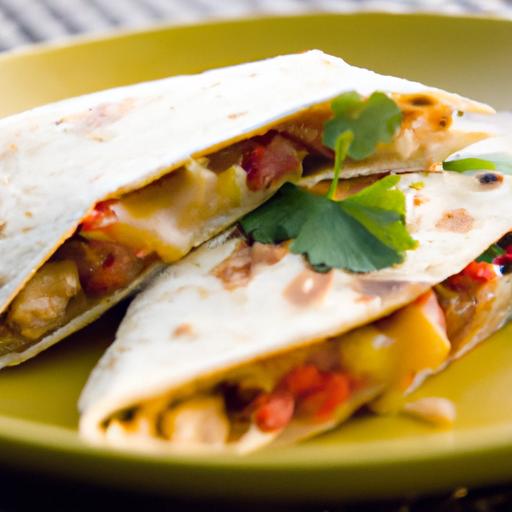
Quesadillas Unwrapped: A Delicious Twist on Tradition invites you to rediscover this beloved Mexican staple through a flavorful journey that spans centuries, continents, and kitchens. Originating from simple corn tortillas folded over melted cheese, quesadillas have evolved into vibrant culinary canvases that showcase innovation while honoring heritage. whether you crave classic oozing cheese or crave inventive fillings that surprise your palate, this recipe guide will inspire you to master the art of perfect quesadilla readiness and elevate every bite with thoughtful pairings.
Prep and Cook Time
- preparation Time: 10 minutes
- Cook Time: 8 minutes
- Total Time: 18 minutes
Yield
Serves 4 generous quesadillas
Difficulty Level
Easy – Perfect for beginners and home cooks looking to impress.
Ingredients
- 4 large flour tortillas (10-inch diameter)
- 2 cups shredded Oaxaca cheese (or Monterey Jack as a substitute)
- 1 cup cooked shredded chicken (optional for added protein)
- 1/2 cup roasted poblanos, sliced into thin strips
- 1/4 cup caramelized onions
- 2 tbsp fresh cilantro, chopped
- 1 tbsp olive oil (for cooking)
- Salt and freshly ground black pepper to taste
Instructions
- Preheat a nonstick skillet over medium heat. Add a drizzle of olive oil to lightly coat the pan.
- Lay one tortilla flat in the skillet. Spread half of the shredded cheese evenly over the tortilla surface, leaving a small border.
- Add roasted poblanos, shredded chicken, and caramelized onions on top of the cheese, distributing evenly.
- Sprinkle fresh cilantro and season lightly with salt and pepper.
- Top with remaining shredded cheese to help seal the quesadilla once folded.
- Place a second tortilla gently over the fillings, pressing down slightly to compact.
- Cook for 3-4 minutes, until the bottom tortilla turns golden brown and crisp. Carefully flip using a wide spatula.
- Cook another 3-4 minutes on the flip side, ensuring the cheese melts perfectly and both sides are crispy.
- Remove from heat and let rest for 1 minute before slicing into wedges.
Tips for Success
- For an extra crispy finish, lightly brush the tortilla edges with olive oil before cooking.
- Experiment with cheeses-try cotija for a salty tang or quesillo for an authentic stringy texture.
- use a cast-iron skillet if possible; it holds heat evenly and forms a beautiful crust.
- To save time, prepare caramelized onions and roasted peppers ahead in bulk and store chilled.
- If avoiding meat, swap shredded chicken with sautéed mushrooms or roasted sweet potatoes for a hearty vegetarian option.
- Make-ahead tip: Assemble quesadillas without cooking, wrap in parchment, and freeze. Cook directly from frozen, adding a minute or two per side.
Serving Suggestions
Present your quesadillas with vibrant garnishes like freshly chopped cilantro, thinly sliced radishes, and a wedge of lime. Complement the dish by serving alongside smoky chipotle crema, tangy guacamole, or a luminous tomatillo salsa verde. For an added texture contrast, sprinkle crushed toasted pepitas or drizzle a touch of honey for a subtle sweetness. Pair it with a crisp Mexican lager or a refreshing agua fresca to fully awaken your senses.

Innovative Quesadilla Pairing Tips to Elevate Every Bite
To fully enhance your quesadilla experience, consider sauces that bring both balance and excitement. A bright tomatillo salsa verde adds acidity and freshness, cutting through the richness. For creamy depth,a drizzle of chipotle crema-made from sour cream blended with smoky chipotle peppers-is irresistible.Spice lovers will appreciate a tangy mango habanero chutney that contrasts beautifully with melted cheese and roasted veggies. a classic guacamole offers a cool, luscious complement while boosting the vibrant textures on your plate.
| Nutrient | Amount per serving |
|---|---|
| Calories | 420 kcal |
| Protein | 22 g |
| Carbohydrates | 35 g |
| Fat | 18 g |
For more tips on Mexican-inspired dishes,check our guide on Authentic Mexican Street Food Recipes,where the vibrant culture of flavors continues to come alive.
Q&A
Q&A: Quesadillas Unwrapped – A Delicious Twist on Tradition
Q1: What exactly does “Quesadillas Unwrapped” mean?
A1: Traditionally, quesadillas are folded tortillas filled with melted cheese and sometiems other ingredients. “Quesadillas Unwrapped” takes this concept a step further-imagine all your favorite fillings spread out openly on a tortilla, inviting you to build your perfect bite, or quesadillas reinvented without the fold. Its about exploring the familiar flavors in a fresh, unexpected format that’s both playful and delicious.
Q2: Why unwrap the quesadilla-what’s the benefit?
A2: Unwrapping the quesadilla liberates its ingredients, allowing every flavor to shine individually before blending on your palate. This approach encourages creativity, letting you customize each bite with toppings, dips, or even layering different textures.Plus, without the fold, you get a crispier, more evenly cooked base, enhancing that golden crunch we all crave.
Q3: Are there conventional elements kept in this new version?
A3: Absolutely. the heart of any quesadilla is still the tortilla and cheese combo – that gooey, melty goodness is non-negotiable. What changes is the presentation and layering style, opening the door for fresh ingredients like roasted veggies, creative sauces, or unexpected spices, all while honoring the original spirit of satisfying, cheesy warmth.
Q4: Can quesadillas unwrapped be healthier than the traditional folded kind?
A4: Indeed! Since you have more control over ingredients and portions, this unwrapped version often incorporates more fresh veggies and leaner proteins. Plus, without the need to fold and press heavily, you might use less oil or butter, making the dish lighter but still bursting with flavor.
Q5: What are some popular twists people try with unwrapped quesadillas?
A5: Some favorites include adding tangy pickled onions, smoky chipotle crema, or even sweet mango salsa for a pop of contrast. Others experiment with bases beyond the classic flour tortilla-like crispy cauliflower rounds or whole-grain flatbreads-to add new textures. The sky’s the limit when you unwrap tradition!
Q6: Is this style easy to make at home?
A6: Absolutely-it’s perfect for home cooks of all skill levels. as the assembly is open and flexible, you can use whatever ingredients you have on hand.plus, quick to prepare and fun to customize, it’s an ideal dish for casual dinners or feeding a crowd with diverse tastes.
Q7: Where can I find quesadillas unwrapped to try them out first?
A7: Look for innovative Mexican or fusion restaurants that enjoy playing with traditional dishes. Food trucks and pop-ups frequently enough experiment with unwrapped or deconstructed formats. Or better yet, dive into your own kitchen and start crafting your personalized version today!
Q8: How does this trend reflect broader food culture shifts?
A8: “Quesadillas Unwrapped” embodies the modern food movement’s love for reimagining classics-respecting tradition while celebrating creativity and inclusivity. It’s about breaking rules just enough to surprise your palate, encouraging experimentation, and making meals feel interactive and joyful.
Unlock the delightful possibilities that come from peeling back the layers of tradition-quesadillas unwrapped serve up familiar comfort with a fresh twist that’s as fun as it is indeed flavorful. Ready to unwrap your next favorite bite?
to Conclude
As we peel back the layers of quesadilla tradition, it’s clear that this humble tortilla holds endless possibilities beyond its classic form. Whether stuffed with unexpected ingredients, cooked with innovative techniques, or served alongside bold new flavors, quesadillas continue to evolve-inviting us all to unwrap a delicious twist on a timeless favorite. So next time you crave comfort wrapped in a crispy fold,remember: the quesadilla’s story is far from finished,and your next bite could be the start of a flavorful adventure.